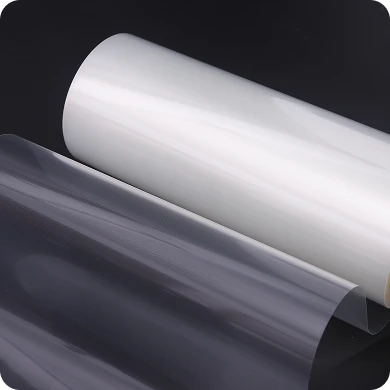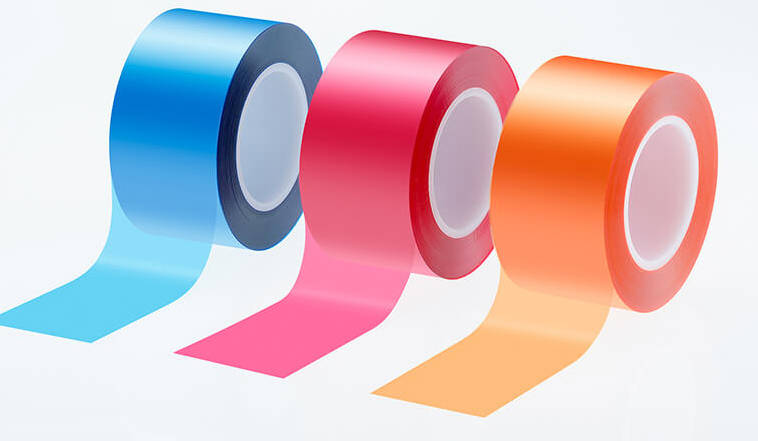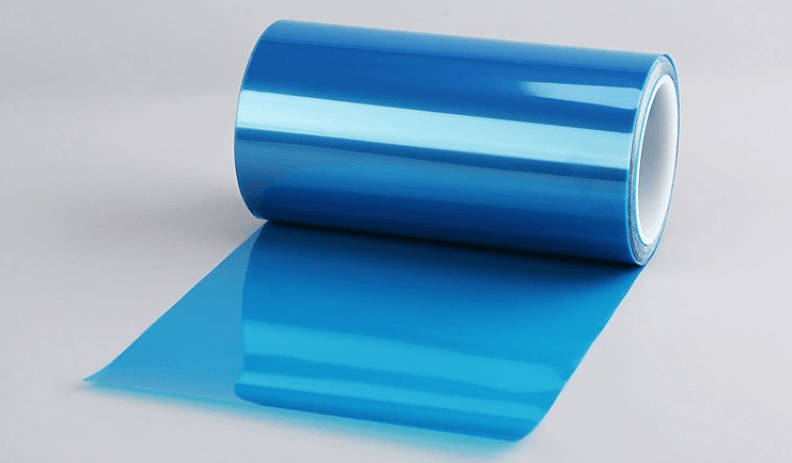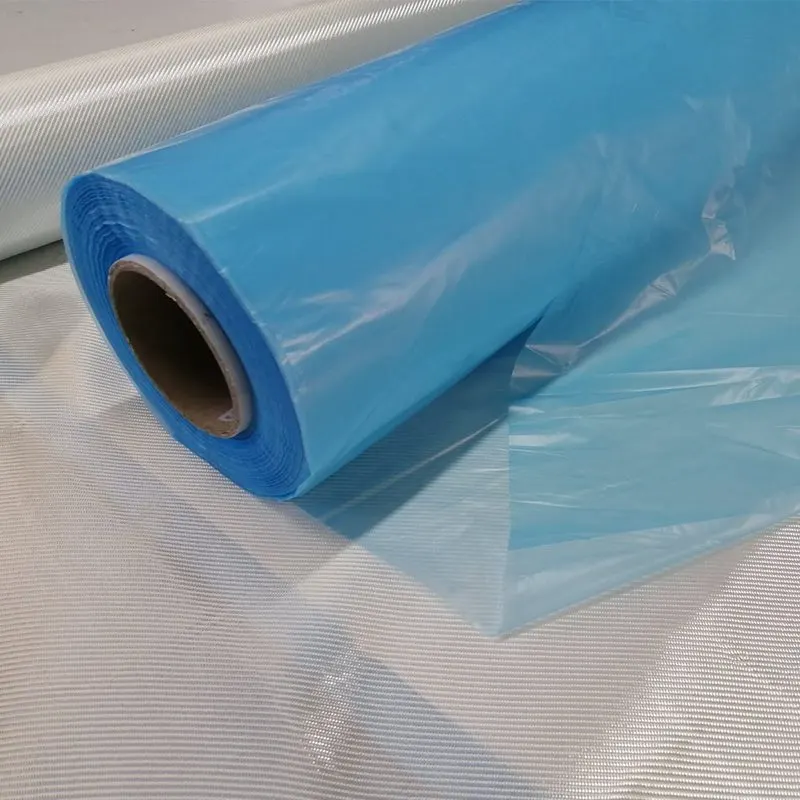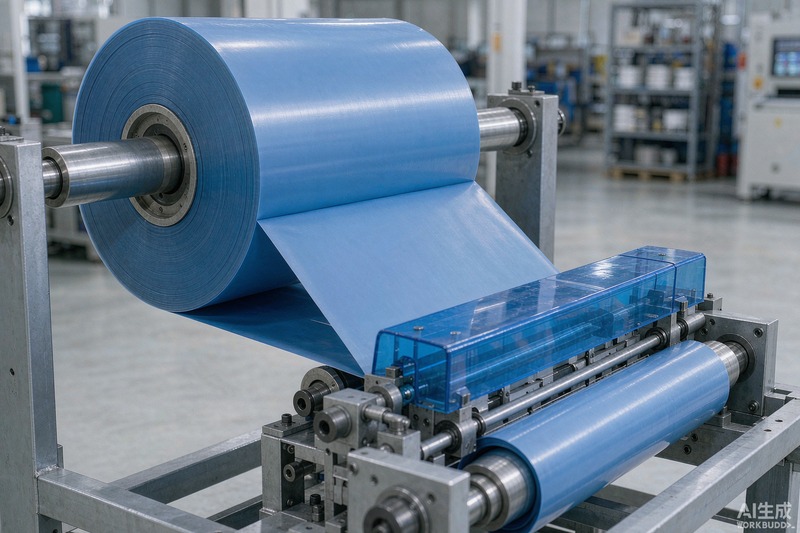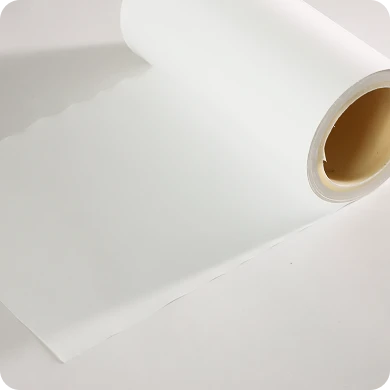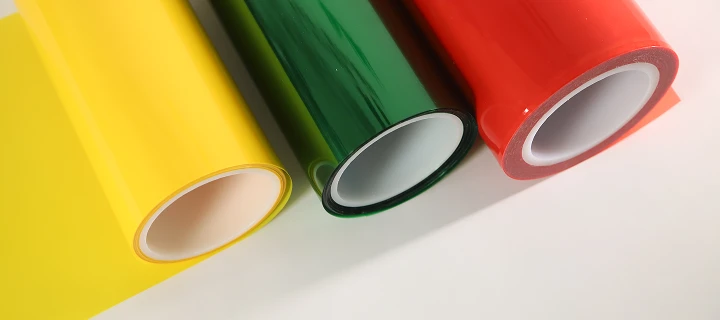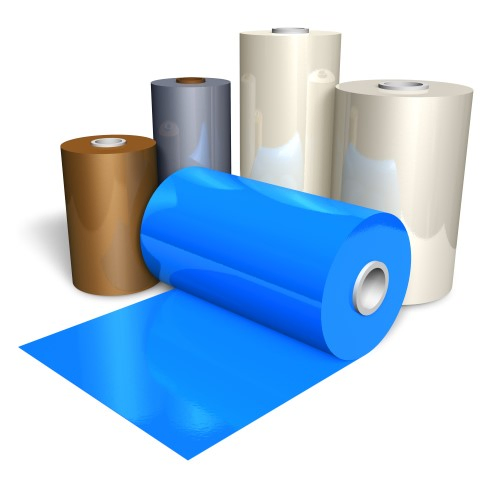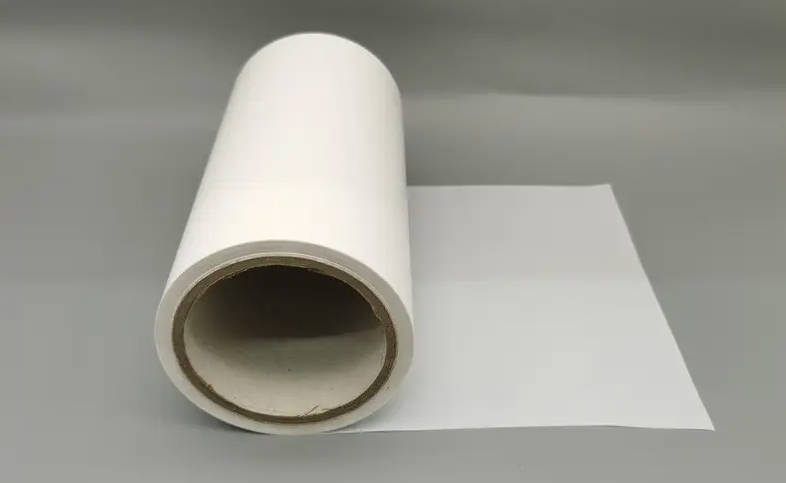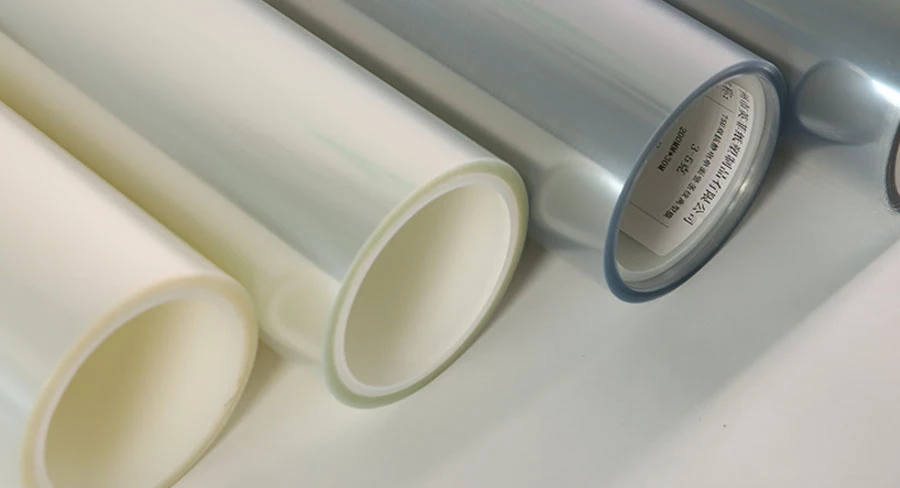
PE coated paper and silicone release paper are different because they solve different material problems. PE coated paper mainly provides moisture resistance, oil resistance, surface sealing, and heat-sealable barrier performance, while silicone release paper provides controlled release from adhesives, tapes, labels, rubber, resin, or other sticky materials.
For B2B buyers, the confusion is understandable. Both materials are coated paper products. Both can be used in packaging, labels, adhesive products, industrial liners, and converting processes. In some applications, they may even appear in the same product structure. However, they are not the same material category.
PE coated paper is paper laminated or extrusion-coated with polyethylene. Its main purpose is to create a barrier layer and improve resistance to moisture, grease, liquid penetration, and surface absorption. Silicone release paper is paper coated with a silicone release layer. Its main purpose is to allow adhesives or sticky materials to peel away cleanly and consistently.
In practical sourcing, PE coated paper may be used directly for packaging or moisture barrier applications. It may also be used as a base material for PE coated release paper when a silicone release coating is added. Silicone release paper, on the other hand, is normally selected when release force control is required.
This article compares PE coated paper vs silicone release paper from the perspectives of structure, function, application, performance, cost, and purchasing selection. If you are looking for moisture-resistant coated paper, you can explore Yingfei’s PE coated paper options for packaging and industrial applications.
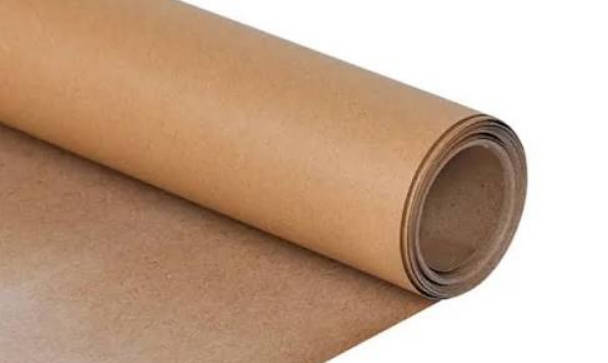
What Is PE Coated Paper?
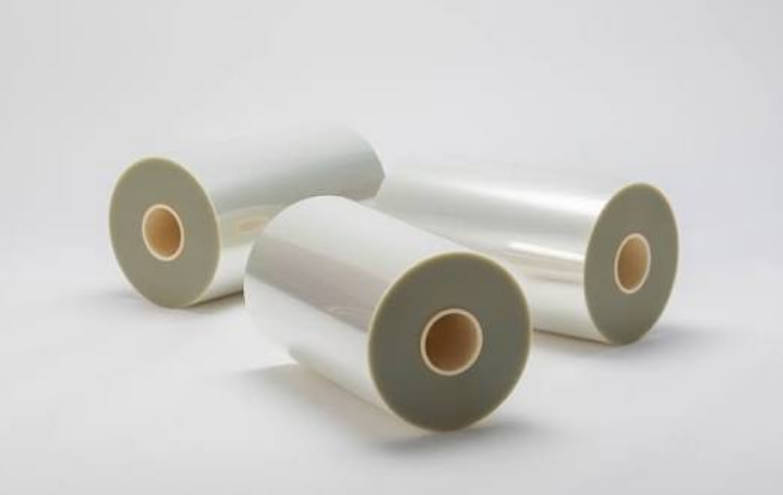
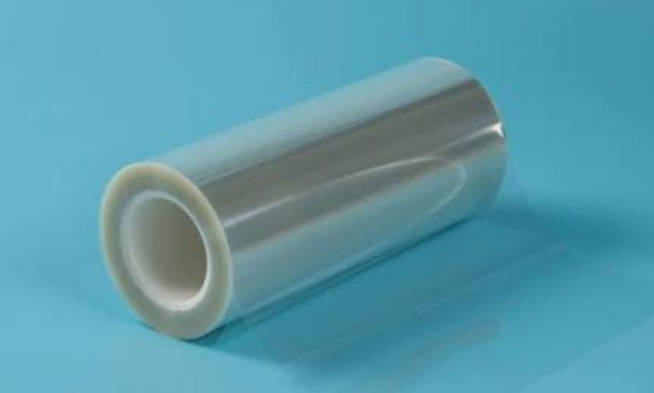
PE coated paper, also called polyethylene coated paper or poly coated paper, is a paper substrate coated with a thin layer of polyethylene. The PE layer is usually applied by extrusion coating, where molten polyethylene is coated onto the paper surface and cooled to form a continuous barrier layer.
A typical PE coated paper structure includes:
| Layer | Function |
|---|---|
| Base paper | Provides stiffness, thickness, strength, printability, and paper feel |
| PE coating layer | Provides moisture barrier, oil resistance, heat-sealing ability, and surface protection |
| Optional surface treatment | Improves printability, lamination, or further coating compatibility |
The main purpose of PE coated paper is to make paper less absorbent and more resistant to moisture, grease, or liquid contact. Ordinary paper is porous and can absorb water, oil, adhesive, or other substances. PE coating helps seal the paper surface and improves functional performance.
PE coated paper is primarily a barrier and protective material, not automatically a release material unless an additional release coating is applied.
Common applications include food packaging, wrapping paper, disposable packaging, industrial packaging, moisture barrier paper, medical packaging components, and coated paper liners.
What Is Silicone Release Paper?
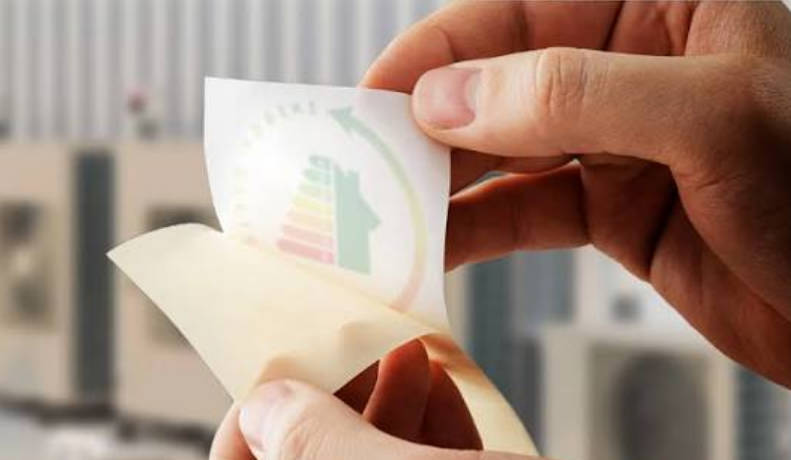
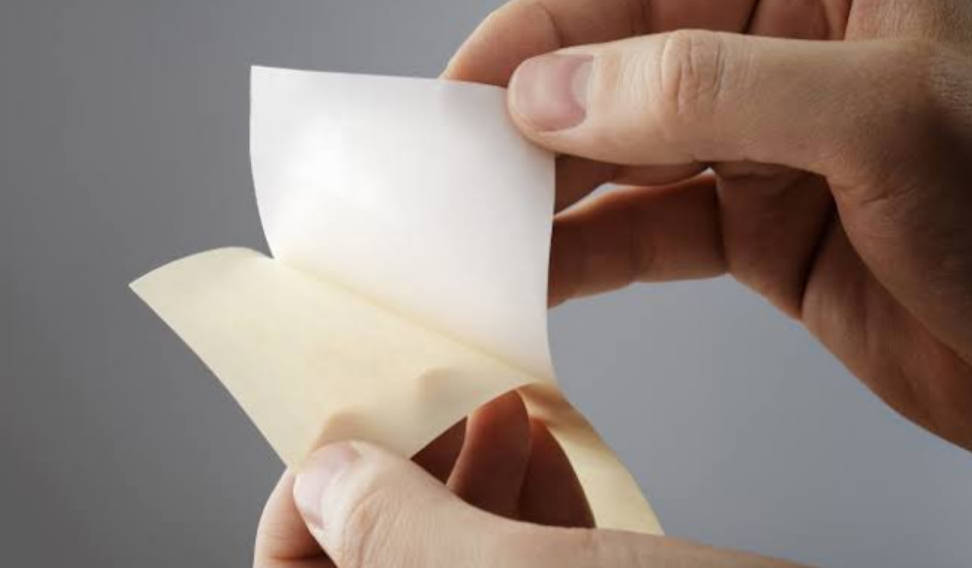
Silicone release paper is a paper-based release liner coated with silicone on one side or both sides. The silicone layer creates a low-surface-energy surface that prevents adhesives or sticky materials from bonding permanently to the paper.
A typical silicone release paper structure includes:
| Layer | Function |
|---|---|
| Base paper | Provides strength, stiffness, thickness, and converting support |
| Barrier or clay/PE coating | Helps seal the paper surface and prevent silicone absorption |
| Silicone release coating | Provides controlled release from adhesive or sticky materials |
Silicone release paper is widely used for pressure sensitive labels, adhesive tapes, double-sided tapes, medical adhesive products, stickers, protective films, rubber sheets, foam products, and industrial adhesive materials.
The most important specification of silicone release paper is release force. Release force determines how easily the adhesive product peels away from the liner. If release force is too high, peeling becomes difficult. If it is too low, the adhesive product may lift too early during converting, storage, or transport.
Silicone release paper is selected when a product needs controlled peeling from adhesive, rubber, resin, or other sticky materials.
Are PE Coated Paper and Silicone Release Paper the Same?
No. PE coated paper and silicone release paper are not the same, although they can be related in some product structures.
PE coated paper refers to paper coated with polyethylene. Its main function is barrier protection. Silicone release paper refers to paper coated with silicone release material. Its main function is controlled release.
In some applications, the material structure may include both PE and silicone. For example:
| Material Structure | What It Means |
|---|---|
| Paper + PE coating | PE coated paper for barrier or packaging |
| Paper + silicone coating | Silicone release paper |
| Paper + PE coating + silicone coating | PE coated release paper |
| Paper + PE coating on both sides | Double-side PE coated paper |
| Paper + PE + silicone on one side | Release paper with moisture barrier and release function |
This means PE coated paper can sometimes be used as a base for silicone release paper. The PE layer helps seal the paper surface, while the silicone layer provides release performance.
PE Coated Paper vs Silicone Release Paper: Quick Comparison
| Factor | PE Coated Paper | Silicone Release Paper |
|---|---|---|
| Main function | Moisture barrier, oil resistance, surface sealing | Controlled release from adhesive or sticky materials |
| Main coating | Polyethylene coating | Silicone release coating |
| Release performance | Not designed for release unless silicone is added | Designed for release |
| Moisture resistance | Good, depending on PE coating weight | Depends on base paper and barrier layer |
| Oil/grease resistance | Good in many packaging uses | Not the primary purpose |
| Heat sealability | Often possible depending on PE layer | Usually not the main function |
| Adhesive compatibility | May block adhesive penetration, but not release-controlled | Designed to work with adhesive systems |
| Common use | Packaging, wrapping, barrier paper, food packaging, industrial protection | Labels, tapes, stickers, medical adhesives, die-cut parts |
| Key specification | Paper weight, PE coating weight, barrier performance | Release force, silicone coating, adhesive compatibility |
| Buyer question | Do I need moisture/oil barrier? | Do I need controlled peeling? |
The simplest way to decide is this: choose PE coated paper when you need barrier protection; choose silicone release paper when you need controlled release from adhesive.
Key Difference 1: Material Structure
The structure of PE coated paper is relatively straightforward. It uses paper as the base and polyethylene as the functional coating. Depending on the application, PE may be coated on one side or both sides.
Typical PE coated paper structures include:
| Structure | Typical Use |
|---|---|
| Paper + one-side PE | Food wrapping, packaging, moisture barrier |
| Paper + double-side PE | Stronger moisture protection, industrial packaging |
| Paper + PE + printing treatment | Printed packaging or branded wrapping |
| Kraft paper + PE | Heavy-duty packaging or industrial lining |
Silicone release paper has a more release-focused structure. It may require base paper, barrier coating, and silicone coating. The surface needs to be prepared so that silicone can form a stable release layer.
Typical silicone release paper structures include:
| Structure | Typical Use |
|---|---|
| Glassine paper + silicone | Label liner and sticker backing |
| CCK paper + silicone | Tape liner and industrial release paper |
| Kraft paper + silicone | Heavy-duty adhesive and rubber applications |
| PE coated paper + silicone | PE coated release paper with barrier and release function |
The key point is that PE coating and silicone coating perform different roles. PE seals and protects the paper. Silicone controls release.
Key Difference 2: Functional Purpose
PE coated paper is used when the buyer needs protection against moisture, grease, oil, or liquid penetration. It helps paper perform better in packaging and industrial environments where uncoated paper would absorb liquid or lose strength.
Silicone release paper is used when the buyer needs an adhesive or sticky material to separate cleanly from the liner.
| Buyer Requirement | More Suitable Material |
|---|---|
| Moisture barrier | PE coated paper |
| Grease resistance | PE coated paper |
| Heat-sealable packaging surface | PE coated paper |
| Adhesive backing liner | Silicone release paper |
| Sticker or label backing | Silicone release paper |
| Double-sided tape liner | Silicone release paper |
| Controlled peeling force | Silicone release paper |
| Barrier + release function | PE coated release paper |
If the product does not involve adhesive or controlled peeling, silicone release paper may be unnecessary. If the product involves adhesive, PE coated paper alone may not provide reliable release performance.
Key Difference 3: Application Areas
PE coated paper and silicone release paper are used in different industries, although there is some overlap.
PE Coated Paper Applications
PE coated paper is commonly used in applications such as:
- Food wrapping paper
- Bakery packaging
- Takeaway packaging
- Disposable paper packaging
- Medical packaging components
- Industrial wrapping paper
- Moisture barrier paper
- Grease-resistant packaging
- Paper cup and container materials
- Protective interleaving paper
In these applications, the focus is usually on barrier performance, surface protection, printability, stiffness, heat sealability, and cost.
For companies sourcing coated paper for packaging or industrial use, polyethylene coated paper can be selected according to base paper, coating weight, side treatment, and roll format.
Silicone Release Paper Applications
Silicone release paper is commonly used in applications such as:
- Pressure sensitive labels
- Stickers
- Adhesive tapes
- Double-sided tapes
- Foam tapes
- Medical adhesive patches
- Wound care products
- Protective films
- Rubber sheet separation
- Composite material processing
- Die-cut adhesive components
In these applications, the focus is release force, adhesive compatibility, peeling stability, surface smoothness, cleanliness, die-cutting support, and storage stability.
Key Difference 4: Moisture Barrier Performance
PE coated paper usually provides better moisture resistance than ordinary paper because the PE layer reduces water absorption. This is one of its main advantages.
Silicone release paper may or may not provide strong moisture resistance depending on its base structure. If it uses glassine or clay-coated paper without PE coating, it may still be more sensitive to humidity than PE coated paper. If it uses PE coated paper as the base, moisture resistance can be improved.
| Material | Moisture Resistance |
|---|---|
| Ordinary paper | Low |
| PE coated paper | Good, depending on coating weight and coverage |
| Silicone release paper without PE barrier | Depends on base paper and coating |
| PE coated silicone release paper | Better barrier plus release function |
For humid environments, packaging applications, or products requiring liquid resistance, PE coated paper or PE coated release paper may be more suitable.
Key Difference 5: Release Performance
Silicone release paper is designed for release performance. PE coated paper is not automatically designed for release.
Although PE coating may reduce surface absorption, it does not provide the same controlled release behavior as a properly coated silicone release surface. Adhesives may still bond too strongly, transfer, or behave inconsistently if PE coated paper is used without a suitable release coating.
Release performance depends on:
| Factor | Why It Matters |
|---|---|
| Silicone coating type | Determines release level and adhesive compatibility |
| Release force | Controls peeling difficulty |
| Adhesive type | Acrylic, rubber, hot melt, and silicone adhesives behave differently |
| Base paper smoothness | Affects coating uniformity |
| Barrier layer | Prevents adhesive or silicone penetration |
| Aging condition | Release force may change after storage |
| Temperature and pressure | Can affect adhesive-liner interaction |
For adhesive labels, tapes, stickers, and die-cut parts, silicone release paper is normally required because it provides controlled release force.
Key Difference 6: Cost Structure
PE coated paper and silicone release paper have different cost drivers.
PE coated paper cost is affected by:
- Base paper type
- Paper weight
- PE coating weight
- Single-side or double-side coating
- Roll width and slitting requirement
- Printing or surface treatment
- Packaging requirement
Silicone release paper cost is affected by:
- Base paper type
- Barrier layer
- Silicone coating weight
- Release force level
- One-side or double-side release
- Differential release design
- Adhesive compatibility requirement
- Quality consistency and testing requirement
In general, silicone release paper is more functionally specialized because release force must be controlled. PE coated paper may be more economical when only barrier performance is required.
However, buyers should not compare cost without comparing application needs. Using PE coated paper where release paper is required may cause adhesive transfer, difficult peeling, production waste, or product failure.
PE Coated Release Paper: When Both Functions Are Needed
PE coated release paper combines PE coating and release coating in one structure. It is used when buyers need both barrier protection and controlled release.
A common structure may be:
Paper substrate + PE coating + silicone release coating
This structure can provide:
- Better moisture resistance than uncoated paper
- Reduced adhesive penetration into paper fibers
- Smoother surface for release coating
- Controlled release from adhesive materials
- Better dimensional stability in some humid conditions
- Improved surface cleanliness compared with untreated paper
PE coated release paper may be suitable for labels, tapes, medical products, hygiene products, packaging liners, and industrial adhesive products where both moisture barrier and release performance are required.
If your application needs barrier and release performance together, Yingfei’s PE coated paper can be evaluated as part of a coated paper or release liner structure.
How to Choose Between PE Coated Paper and Silicone Release Paper
Use the following selection guide.
| Application Requirement | Recommended Material Direction |
|---|---|
| Need moisture barrier only | PE coated paper |
| Need grease or oil resistance | PE coated paper |
| Need heat-sealable paper | PE coated paper |
| Need adhesive liner | Silicone release paper |
| Need label backing paper | Silicone release paper |
| Need tape liner | Silicone release paper |
| Need sticker backing | Silicone release paper |
| Need barrier + release | PE coated release paper |
| Need food packaging | PE coated paper, with compliance confirmation |
| Need medical adhesive liner | Silicone release paper or PE coated release paper |
| Need industrial interleaving | PE coated paper or release paper depending on stickiness |
| Need rubber or resin separation | Silicone release paper |
Before placing an order, buyers should clarify whether the product needs barrier performance, release performance, or both.
Common Mistakes When Comparing These Materials
Mistake 1: Treating PE Coated Paper as Release Paper
PE coated paper is not automatically release paper. If the product needs adhesive peeling, a silicone or other release coating may be required.
Mistake 2: Using Silicone Release Paper When Only Barrier Protection Is Needed
If the application only requires moisture or grease resistance, silicone release coating may add unnecessary cost.
Mistake 3: Ignoring the Adhesive Type
For release paper applications, adhesive type is critical. Acrylic, rubber, hot melt, and silicone adhesives may require different release coatings.
Mistake 4: Only Asking for Paper GSM
Paper weight alone does not define performance. Buyers should also confirm coating weight, coating side, release force, surface smoothness, roll width, and application conditions.
Mistake 5: Skipping Sample Testing
For adhesive products, sample testing is important. Release performance should be checked with the actual adhesive, temperature, pressure, storage time, and converting method.
How to Specify the Right Material
When contacting a supplier, provide clear technical requirements.
| Information to Provide | For PE Coated Paper | For Silicone Release Paper |
|---|---|---|
| Application | Packaging, wrapping, barrier paper | Labels, tapes, adhesive products |
| Base paper type | Kraft, woodfree, glassine, etc. | Glassine, CCK, kraft, PE coated base |
| Paper weight | Required GSM or thickness | Required GSM or liner stiffness |
| Coating type | PE coating | Silicone release coating |
| Coating side | One-side or double-side PE | One-side or double-side release |
| Functional target | Moisture, grease, heat seal | Release force, peeling stability |
| Roll size | Width, length, core size | Width, length, core size |
| Processing method | Printing, sealing, laminating | Coating, die-cutting, slitting |
| Storage condition | Humidity and temperature | Aging, pressure, humidity |
| Compliance | Food or medical if applicable | Food, medical, or industrial if applicable |
A professional supplier should help confirm whether your application needs PE coated paper, silicone release paper, or PE coated release paper.
You can visit Yingfei Liner to learn more about coated paper and release liner materials for packaging, adhesive, and industrial applications.
Supplier Selection Checklist
When evaluating suppliers, ask these questions:
| Question | Why It Matters |
|---|---|
| Can you provide different base paper options? | Helps match strength, stiffness, and cost |
| Can PE coating weight be customized? | Affects barrier performance and cost |
| Do you offer release coating options? | Required for adhesive applications |
| Can release force be controlled? | Important for labels, tapes, and die-cut products |
| Can you provide one-side or double-side coating? | Different products require different structures |
| Can you slit rolls to custom widths? | Supports converting efficiency |
| Can samples be tested before bulk order? | Reduces material mismatch risk |
| Can you support application-based recommendations? | Shows technical understanding |
For B2B buyers, supplier selection should not be based only on price. Material consistency, coating uniformity, roll quality, application support, and sample testing are all important.
FAQ
1. What is the difference between PE coated paper and silicone release paper?
PE coated paper is coated with polyethylene to provide moisture resistance, oil resistance, surface sealing, and barrier protection. Silicone release paper is coated with silicone to provide controlled release from adhesives, tapes, labels, or other sticky materials.
2. Is PE coated paper the same as release paper?
No. PE coated paper is not the same as release paper unless it has an added release coating. PE coated paper mainly provides barrier performance, while release paper must provide controlled peeling from adhesive or sticky materials.
3. Can PE coated paper be used as silicone release paper?
PE coated paper can be used as a base material for silicone release paper if a suitable silicone release coating is applied. In this case, it may be called PE coated release paper.
4. When should I use PE coated paper?
Use PE coated paper when you need moisture resistance, grease resistance, liquid barrier, heat-sealable surface, or protective packaging performance. It is commonly used in food packaging, wrapping, industrial packaging, and moisture barrier applications.
5. When should I use silicone release paper?
Use silicone release paper when your product involves adhesive, labels, tapes, stickers, rubber, resin, or other sticky materials that need controlled peeling from a liner.
6. What is PE coated release paper used for?
PE coated release paper is used when both barrier performance and release performance are needed. It can be used for labels, tapes, medical adhesive products, hygiene products, packaging liners, and industrial adhesive materials.
7. Which is more important, PE coating weight or release force?
It depends on the application. For PE coated paper, PE coating weight is important for barrier performance. For silicone release paper, release force is critical for peeling behavior. For PE coated release paper, both factors matter.
Conclusion
PE coated paper and silicone release paper are both coated paper materials, but they are designed for different functions. PE coated paper focuses on moisture resistance, oil resistance, surface sealing, and barrier protection. Silicone release paper focuses on controlled release from adhesive and sticky materials.
If your product is packaging, wrapping, or moisture barrier paper, PE coated paper is usually the more relevant material. If your product is a label, tape, sticker, medical adhesive, or die-cut adhesive component, silicone release paper is usually required. If your application needs both moisture barrier and controlled release, PE coated release paper may be the appropriate structure.
The best purchasing decision starts with the application: barrier, release, or both. Once the function is clear, buyers can confirm base paper, coating side, coating weight, release force, roll specification, and testing requirements.
If you are comparing PE coated paper and release paper structures for packaging or adhesive applications, Yingfei can help evaluate suitable coated paper materials based on your process and end-use requirements.