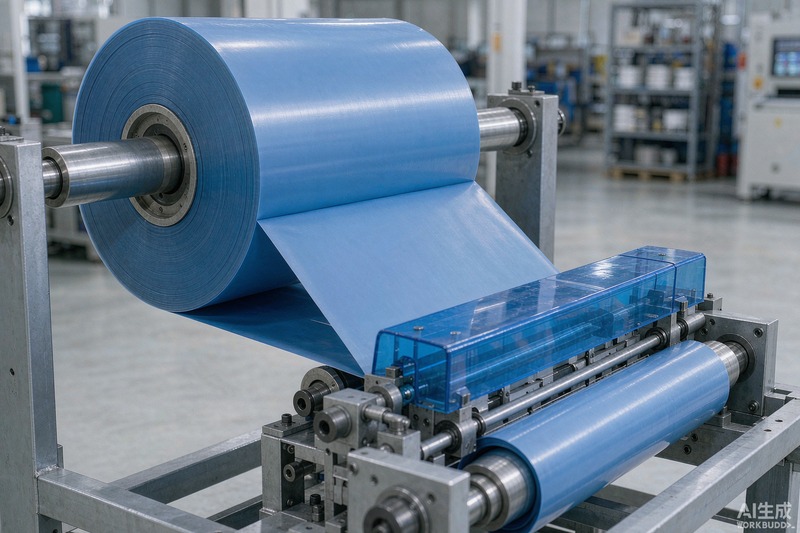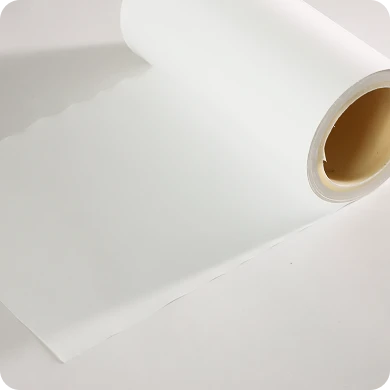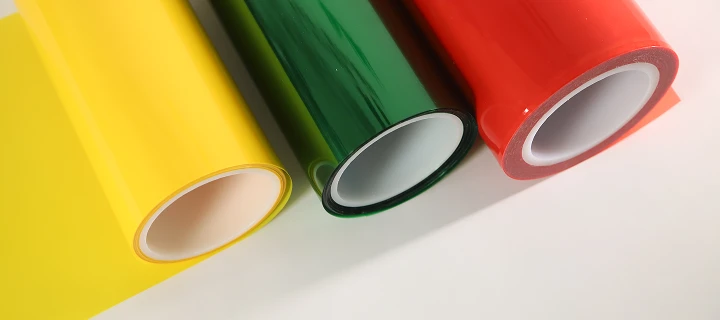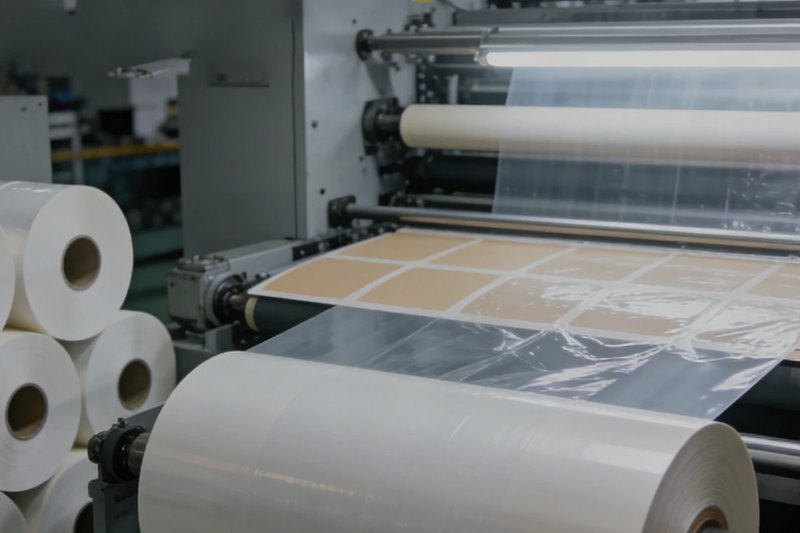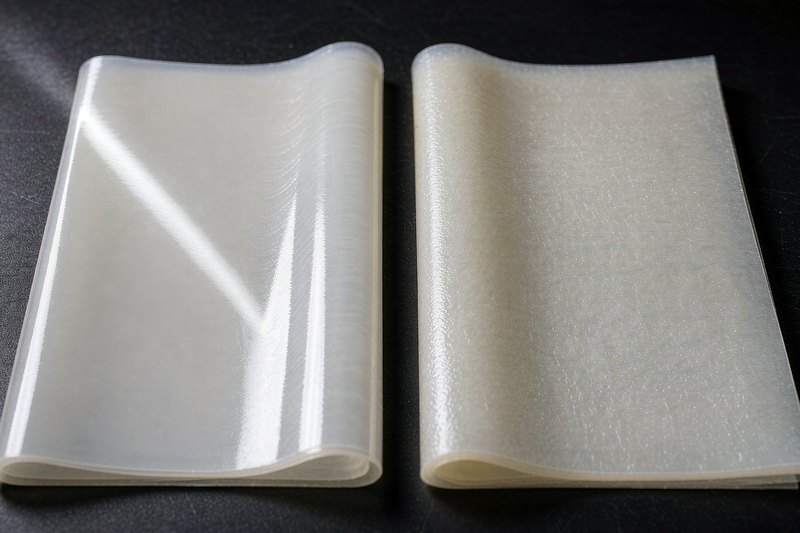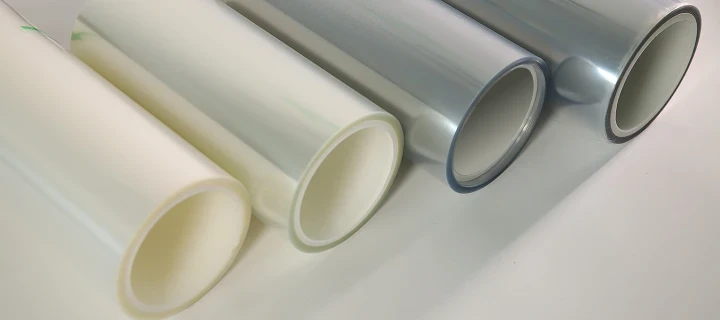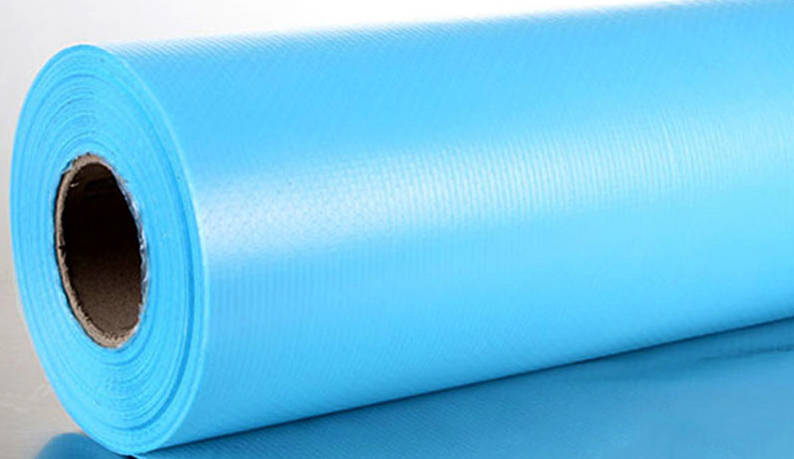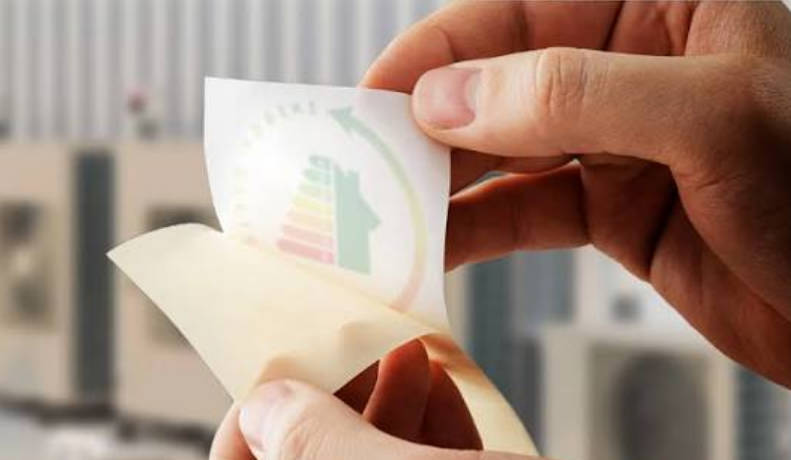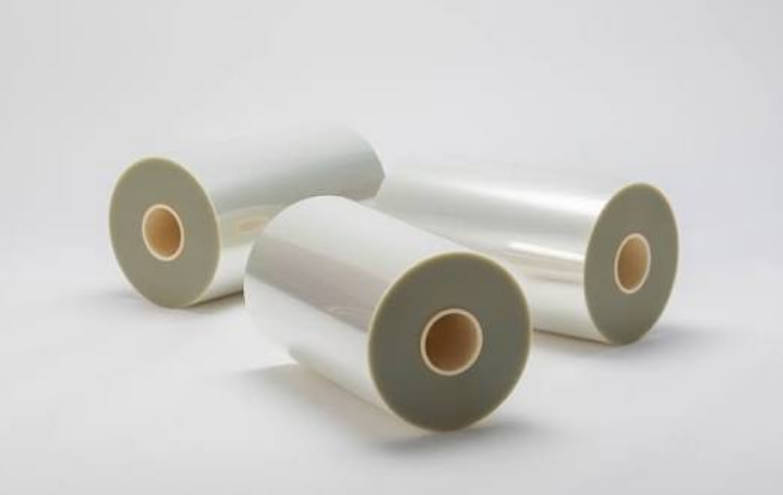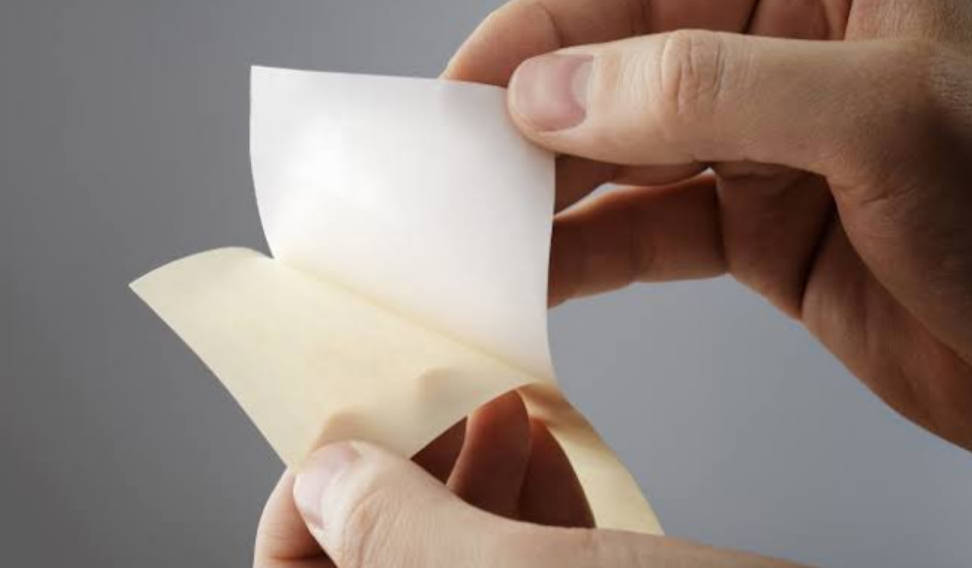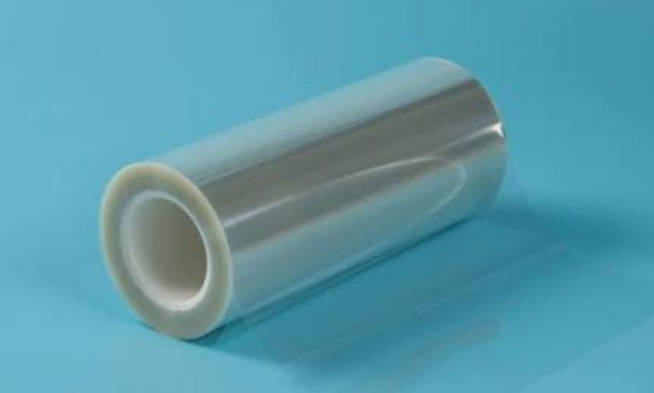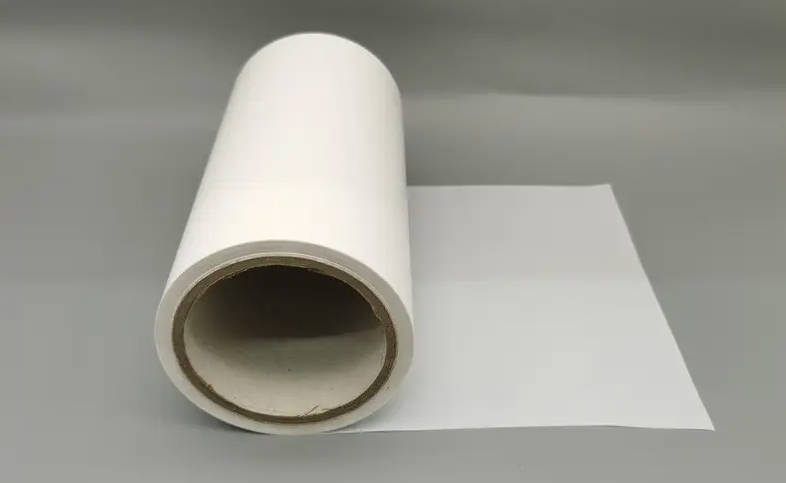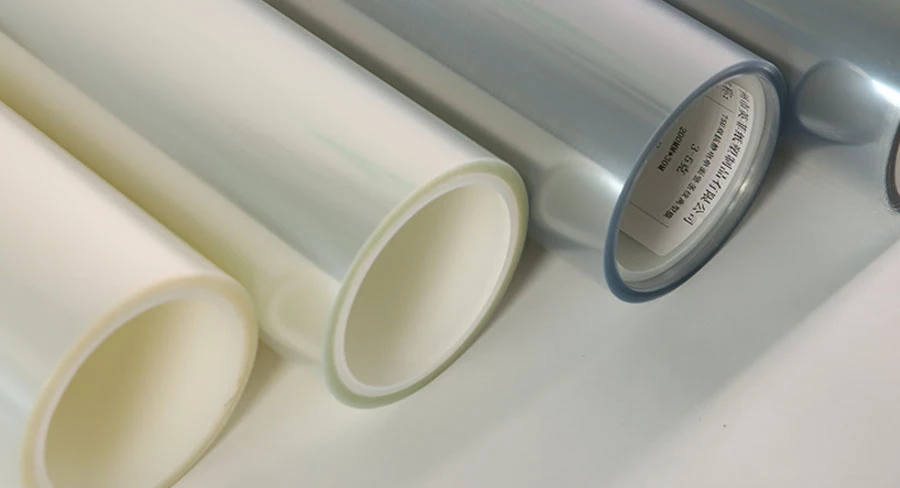
For most pressure sensitive labels, paper release liner is a cost-effective and widely used choice, while film release liner is better suited for applications requiring higher dimensional stability, transparency, moisture resistance, or precision dispensing. The right release liner for labels depends on the label material, adhesive type, die-cutting method, labeling speed, storage environment, and final application.
A pressure sensitive label is not only made of face stock and adhesive. The release liner plays a key role in protecting the adhesive, supporting printing and converting, enabling clean die-cutting, and ensuring smooth label dispensing. If the liner is not suitable, label manufacturers may face curling, liner breakage, poor die-cutting, adhesive transfer, unstable peeling, or labeling machine downtime.
In the label industry, the two common liner options are paper release liner and film release liner. Paper liners are commonly used for standard self-adhesive labels, logistics labels, product labels, and many general packaging applications. Film liners are often selected for clear labels, high-speed labeling, wet environments, precision die-cutting, and applications requiring better dimensional stability.
This article explains how to choose between release film and release paper for pressure sensitive labels, with practical guidance for B2B buyers and label converters.
What Is a Release Liner for Labels?
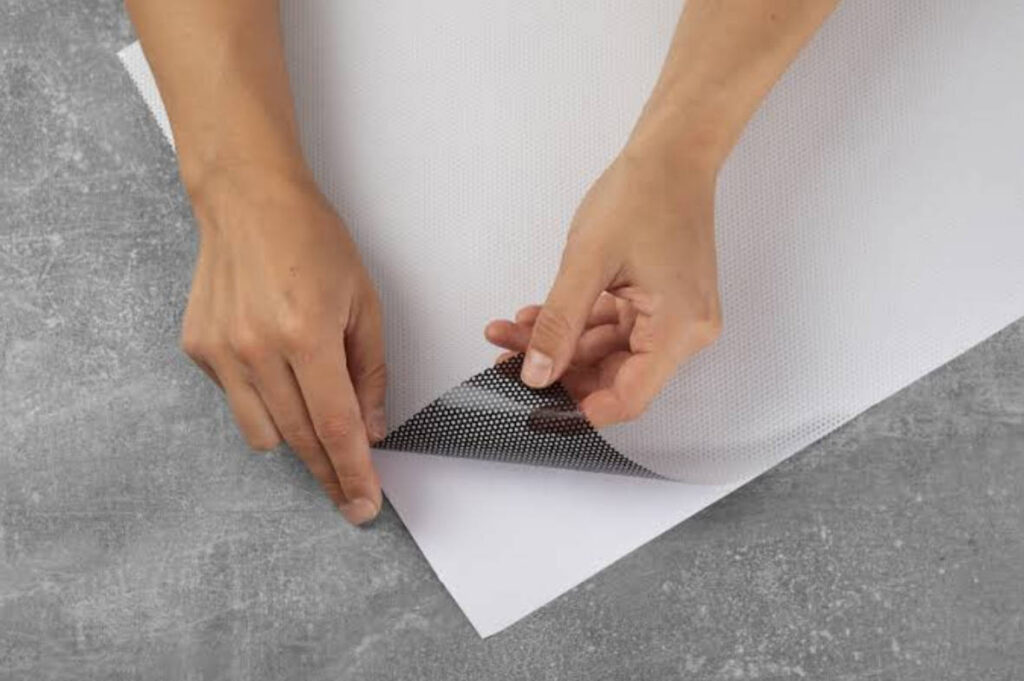
A release liner for labels is the backing material that protects the adhesive layer before the label is applied. It allows the label to be printed, coated, die-cut, stored, transported, and dispensed without damaging the adhesive.
A typical pressure sensitive label structure includes:
| Layer | Function |
|---|---|
| Face stock | The printable label surface, such as paper, PP, PE, PET, or other label material |
| Adhesive layer | Provides bonding to the target surface |
| Release coating | Creates controlled peeling between adhesive and liner |
| Release liner | Supports the label during converting, storage, and application |
The liner may look like a temporary material, but it directly affects production efficiency and final label performance. A stable liner helps maintain roll flatness, die-cutting accuracy, label spacing, adhesive protection, and peeling consistency.
A release liner is not simply a disposable backing. It is a process-critical material that supports the label from coating to final application.
Why Liner Selection Matters for Pressure Sensitive Labels
Pressure sensitive labels are used across packaging, logistics, food and beverage, cosmetics, electronics, medical products, industrial goods, and retail applications. These labels may be applied manually or through high-speed automatic labeling equipment.
The release liner must perform reliably during several stages:
| Stage | Liner Requirement |
|---|---|
| Adhesive coating | Smooth and stable surface for adhesive contact |
| Printing | Good web stability and roll flatness |
| Die-cutting | Clean cutting without liner damage |
| Matrix stripping | Proper liner strength and release balance |
| Slitting and rewinding | Stable tension and edge quality |
| Storage | Resistance to curling, moisture, and blocking |
| Label dispensing | Consistent peeling and machine compatibility |
| End use | Suitable for temperature, humidity, and product environment |
If the liner fails at any stage, the result may be waste, production stoppage, poor label appearance, or customer complaints. This is why label converters should select the release liner based on the full process, not only the lowest material cost.
Paper Release Liner for Labels
Paper release liner is one of the most commonly used liner materials for pressure sensitive labels. It is usually made from glassine paper, supercalendered kraft paper, clay-coated kraft paper, or other paper substrates coated with silicone release coating.
Common paper release liner options include:
| Paper Liner Type | Common Characteristics | Typical Label Use |
|---|---|---|
| Glassine release paper | Dense, smooth, good caliper control | Labels, stickers, barcode labels |
| SCK release paper | Economical, general-purpose liner | Standard self-adhesive labels |
| CCK release paper | Good surface smoothness and stiffness | Industrial labels, tapes, graphic materials |
| Kraft release paper | Stronger and more durable | Heavy-duty labels and industrial use |
| PE coated release paper | Better moisture barrier than ordinary paper | Labels requiring improved moisture resistance |
Paper release liner is widely used because it provides a good balance of cost, stiffness, printability, convertibility, and availability. It is especially suitable for standard roll labels and sheet labels.
For buyers sourcing standard label backing materials, release paper is often the first option to evaluate.
Advantages of Paper Release Liner
Paper release liner has several practical advantages for label production.
| Advantage | Explanation |
|---|---|
| Cost efficiency | Usually more economical than film liner for standard applications |
| Good stiffness | Supports die-cutting, handling, and dispensing |
| Wide availability | Commonly used in label converting and packaging industries |
| Suitable for printing and converting | Works well in many conventional label processes |
| Good opacity | Useful when transparency is not required |
| Easy handling | Paper feel and stiffness make it practical for many users |
Paper release liner is often the most practical choice for standard pressure sensitive labels where cost, stiffness, and converting efficiency are important.
However, paper has limitations. It can absorb moisture, curl under changing humidity, produce dust during converting, and may not provide the same dimensional stability as film. These limitations become more important in high-speed, high-precision, or humid applications.
Film Release Liner for Labels
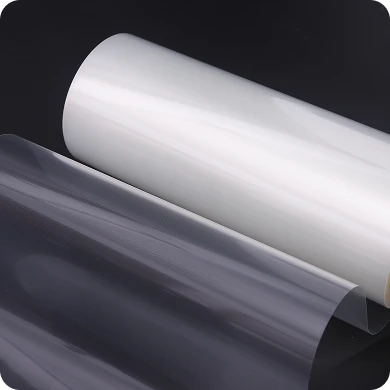
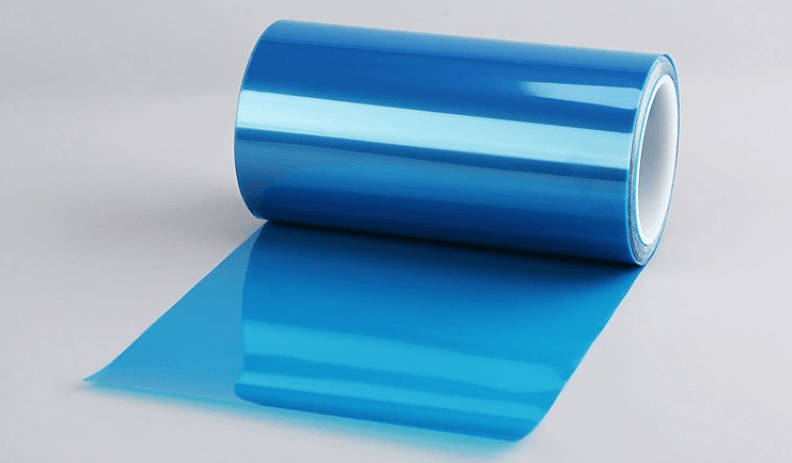
Film release liner is made from plastic film substrates such as PET, PP, PE, or other polymer films. The film surface is usually coated with silicone or other release coatings to provide controlled release from adhesive labels.
Film liners are often selected when applications require:
- High dimensional stability
- Smooth and clean surface
- Transparency
- Moisture resistance
- Thin and uniform thickness
- High-speed dispensing performance
- Better resistance to tearing or fiber dust
- Precision die-cutting support
Common film liner materials include:
| Film Liner Type | Common Characteristics | Typical Label Use |
|---|---|---|
| PET release film | High strength, good dimensional stability, heat resistance | Clear labels, precision labels, electronics labels |
| PP release film | Flexible, good balance of cost and performance | Packaging labels, general film labels |
| PE release film | Soft, flexible, good conformability | Flexible labels, medical or hygiene-related labels |
| BOPP release film | Good clarity and smoothness | Packaging and decorative label applications |
Film liners are typically used when the label product requires cleaner release, better registration, or transparent appearance. For clear-on-clear labels, transparent film liners may help with inspection and visual quality control.
For label manufacturers evaluating film-based backing materials, release film can be considered for applications where paper liner does not provide enough stability or cleanliness.
Advantages of Film Release Liner
Film release liner offers different advantages from paper liner.
| Advantage | Explanation |
|---|---|
| Better dimensional stability | Film is less affected by humidity than paper |
| Higher surface cleanliness | No paper fiber dust, suitable for cleaner applications |
| Transparency | Useful for clear labels and visual inspection |
| Good moisture resistance | Suitable for humid environments or wet products |
| Smooth surface | Helps support consistent adhesive contact and peeling |
| Stronger machine performance | Can support high-speed dispensing in suitable applications |
Film release liner is often preferred for clear labels, precision labels, wet-environment labels, and high-speed automatic labeling applications.
The main limitation is cost. Film liners are often more expensive than paper liners. They may also require careful tension control during converting, depending on film type and thickness.
Paper vs Film Release Liner: Key Comparison
The following table gives a practical comparison for label buyers.
| Factor | Paper Release Liner | Film Release Liner |
|---|---|---|
| Cost | Usually lower | Usually higher |
| Dimensional stability | Moderate; affected by humidity | Better stability |
| Moisture resistance | Limited unless coated | Generally better |
| Transparency | Opaque | Transparent or translucent options available |
| Surface cleanliness | May produce paper dust | Cleaner surface |
| Die-cutting performance | Good for standard labels | Better for precision applications |
| Stiffness | Good paper-like stiffness | Depends on film type and thickness |
| Flexibility | Varies by paper type | Varies by film substrate |
| Automatic labeling | Suitable for many standard lines | Better for demanding high-speed lines |
| Clear label compatibility | Limited | More suitable |
| Storage stability | Sensitive to humidity | More stable in many environments |
| Typical use | General labels, logistics, stickers, packaging labels | Clear labels, premium labels, electronics, medical, wet-use labels |
Choose paper release liner when the label application is standard, cost-sensitive, and does not require transparency or high moisture resistance. Choose film release liner when stability, cleanliness, transparency, or precision dispensing matters more.
Key Factors When Choosing a Release Liner for Labels
1. Label Face Stock
The face stock affects liner selection. Paper face labels often pair well with paper liners, while film labels may require a more stable liner to prevent distortion during converting.
| Face Stock | Common Liner Consideration |
|---|---|
| Paper label | Paper liner is commonly used |
| PP label | Paper or film liner depending on application |
| PE label | Flexible liner may be needed |
| PET label | Film liner may improve dimensional stability |
| Clear label | Transparent film liner is often preferred |
| Specialty label | Liner depends on adhesive, process, and end use |
For clear labels, paper liner may block visual inspection and create appearance limitations. Film liner is often more suitable when transparency is part of the product design.
2. Adhesive Type
Different adhesives require different release coating performance. Acrylic, rubber-based, hot melt, removable, permanent, freezer-grade, and specialty adhesives may all behave differently on the liner.
The release force must be controlled carefully. If release is too easy, labels may lift during converting or storage. If release is too tight, labels may not dispense smoothly on the labeling machine.
Common adhesive-related questions include:
| Question | Why It Matters |
|---|---|
| Is the adhesive permanent or removable? | Affects release force target |
| Is the adhesive high tack? | May require stronger release control |
| Is the label used in cold or hot conditions? | Affects adhesive and liner behavior |
| Is the adhesive used for food, medical, or industrial products? | May require special compliance or cleanliness |
| Is the label applied manually or automatically? | Affects peeling and dispensing requirements |
3. Die-Cutting and Matrix Stripping
Die-cutting is one of the most important stages in pressure sensitive label production. The liner must support clean cutting without being cut through or damaged.
Paper liners are widely used for conventional label die-cutting. They provide good stiffness and are familiar to many converters. However, in high-precision or very small label formats, film liners may offer better dimensional stability and cleaner edges.
Film liners can reduce fiber dust and improve registration, but they also require suitable cutting pressure and tooling control. If the die-cutting depth is not controlled properly, film liner damage may occur.
4. Automatic Labeling Speed
For automatic labeling, the liner must release labels consistently at the dispensing edge. Poor liner selection can cause missed labels, label lifting, liner breakage, or machine stops.
Film liner may perform better in demanding high-speed dispensing because of its dimensional stability and consistent surface. However, paper liner remains suitable for many standard automatic labeling lines, especially when the label structure and machine settings are well matched.
5. Moisture and Storage Environment
Paper-based liners can absorb moisture from the environment. This may cause curling, wavy edges, dimensional changes, or release variation. If labels are stored or used in humid environments, PE coated paper or film liner may be more suitable.
Film liners generally provide better moisture resistance and dimensional stability. This makes them useful for beverage labels, refrigerated products, cosmetic labels, chemical labels, and wet-environment applications.
6. Label Appearance Requirements
For premium packaging and clear labels, the liner can influence inspection and product appearance. Film liner is often preferred when the label needs a clean, transparent, or high-end presentation.
For standard barcode labels, shipping labels, carton labels, and product information labels, paper liner is usually sufficient.
7. Total Cost
Cost should include more than liner price. Buyers should evaluate:
| Cost Factor | Why It Matters |
|---|---|
| Liner material cost | Direct purchasing cost |
| Converting yield | Waste affects total cost |
| Machine downtime | Poor liner performance increases production loss |
| Label dispensing efficiency | Affects packaging line speed |
| Storage stability | Curling or blocking can create rejects |
| Customer complaint risk | Liner problems may affect final label use |
A film liner may cost more per square meter, but it may reduce waste in demanding applications. A paper liner may be more economical for standard products if it performs reliably.
Application Guide: Which Liner Should You Choose?
| Label Application | Suggested Liner | Reason |
|---|---|---|
| Logistics labels | Paper release liner | Cost-effective and suitable for standard use |
| Product information labels | Paper release liner | Good balance of cost and processability |
| Barcode labels | Glassine or paper release liner | Smooth surface and good converting performance |
| Clear labels | Film release liner | Transparency and cleaner appearance |
| Beverage labels | Film or PE coated paper liner | Better moisture resistance |
| Cosmetic labels | Film liner or high-quality paper liner | Depends on appearance and dispensing needs |
| Medical labels | Film liner or specialty paper liner | Cleanliness and release consistency matter |
| Electronics labels | PET film liner | Dimensional stability and cleanliness |
| Small precision labels | Film liner | Better registration and die-cutting control |
| Cost-sensitive stickers | Paper release liner | Economical and widely available |
Common Mistakes When Selecting Label Release Liner
Mistake 1: Choosing Only by Unit Price
A low-cost liner may increase waste if it causes curling, liner breakage, die-cutting issues, or poor dispensing. Total production cost should be considered.
Mistake 2: Ignoring Labeling Equipment
Manual application and automatic labeling have different liner requirements. For high-speed labeling lines, liner thickness, stiffness, release force, and web stability must be tested.
Mistake 3: Using Paper Liner in Humid Conditions Without Evaluation
Paper liners may curl or deform in humid environments. If moisture resistance is important, film liner or coated paper liner should be considered.
Mistake 4: Not Matching Liner to Adhesive
The same liner may perform differently with different adhesives. Always test release force and peeling behavior with the actual adhesive system.
Mistake 5: Over-Specifying Film Liner for Standard Labels
Film liner is useful, but not always necessary. For standard labels, paper liner may provide enough performance at a lower cost.
How to Work With a Release Liner Supplier
When sourcing release liners, buyers should provide detailed application information instead of only asking for paper or film liner.
Useful information includes:
| Information to Provide | Why It Helps |
|---|---|
| Label face material | Determines liner compatibility |
| Adhesive type | Affects release coating selection |
| Label size and shape | Influences die-cutting and dispensing |
| Application method | Manual or automatic labeling |
| Labeling speed | Affects liner strength and release consistency |
| Storage environment | Humidity and temperature influence liner choice |
| Roll width and length | Needed for production planning |
| Required release force | Helps control peeling performance |
| End-use industry | May involve food, medical, cosmetics, or industrial requirements |
| Sample testing plan | Confirms real production suitability |
A reliable supplier should be able to discuss substrate choice, release coating, thickness, coating side, roll quality, slitting accuracy, and application testing.
If you are comparing paper and film options for labels, Yingfei can help evaluate suitable release liner materials according to your label structure and production process.
Practical Selection Checklist
Use this checklist before confirming your release liner order.
| Selection Item | Paper Liner | Film Liner |
|---|---|---|
| Standard label application | Suitable | May be unnecessary |
| Cost-sensitive project | Usually preferred | Higher cost |
| Clear label requirement | Not ideal | Preferred |
| High humidity exposure | Needs coated paper evaluation | More suitable |
| Precision die-cutting | Suitable for common labels | Better for demanding labels |
| High-speed automatic labeling | Suitable in many cases | Better for demanding conditions |
| Low fiber dust requirement | Moderate | Better |
| High visual appearance requirement | Moderate | Better |
| General packaging labels | Suitable | Optional |
| Electronics or medical labels | Depends on requirements | Often preferred |
FAQ
1. What is the best release liner for pressure sensitive labels?
There is no single best release liner for all pressure sensitive labels. Paper release liner is suitable for many standard and cost-sensitive labels, while film release liner is better for clear labels, precision labels, high-speed labeling, and humid environments.
2. What is the difference between label release paper and release film?
Label release paper uses a paper substrate with a release coating, usually offering good stiffness and cost efficiency. Release film uses a plastic film substrate, offering better moisture resistance, dimensional stability, cleanliness, and transparency.
3. Is paper or film release liner better for automatic labeling?
Both can be used for automatic labeling. Paper liner works well in many standard labeling lines. Film liner is often preferred for high-speed, precision, or moisture-sensitive applications where stable dispensing is critical.
4. Which release liner is used for clear labels?
Film release liner is commonly used for clear labels because it can provide transparency, clean appearance, and better visual inspection. PET release film is often considered when dimensional stability and clarity are important.
5. Can paper release liner be used for waterproof labels?
Paper release liner can be used for some waterproof label products, but it may be affected by humidity if not properly coated. For wet environments, film release liner or PE coated release paper may be more suitable.
6. How do I choose a release liner for self-adhesive labels?
Choose based on face stock, adhesive type, label size, die-cutting method, labeling speed, storage environment, appearance requirements, and cost target. Production testing is recommended before bulk purchasing.
7. Why does release force matter for label liners?
Release force determines how easily the label separates from the liner. If release force is too low, labels may lift too early. If it is too high, labels may not dispense smoothly or the adhesive may be damaged.
Conclusion
Choosing the right release liner for labels is a practical decision that affects label converting, storage, dispensing, and final application. Paper release liner remains a cost-effective and widely used choice for standard pressure sensitive labels. Film release liner is more suitable when the application requires transparency, dimensional stability, moisture resistance, cleaner surface quality, or high-speed dispensing performance.
For general labels, logistics labels, barcode labels, and many product labels, label release paper can offer a good balance of performance and cost. For clear labels, premium packaging labels, electronics labels, medical labels, and demanding automatic labeling applications, release film for labels may provide better process stability.
The most reliable selection method is to test the liner with the actual face stock, adhesive, die-cutting process, labeling equipment, and storage condition. If you are developing or sourcing pressure sensitive label materials, Yingfei can help you compare release paper and release film options based on your application requirements.