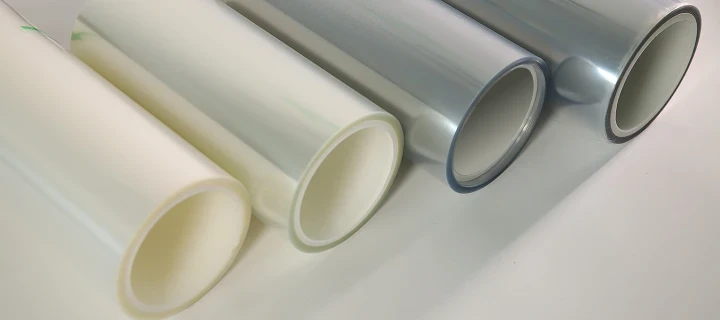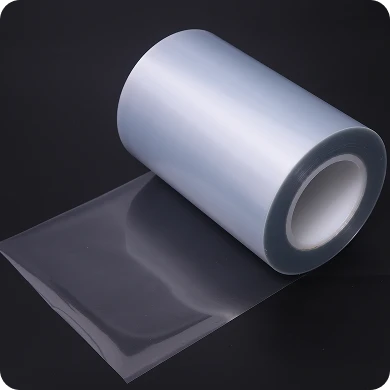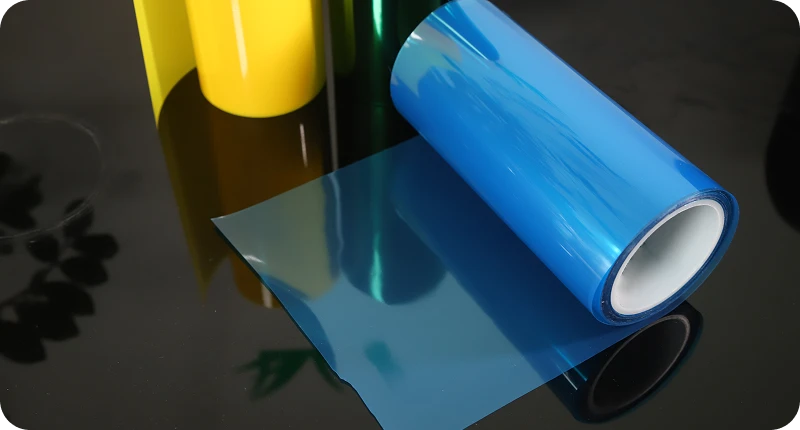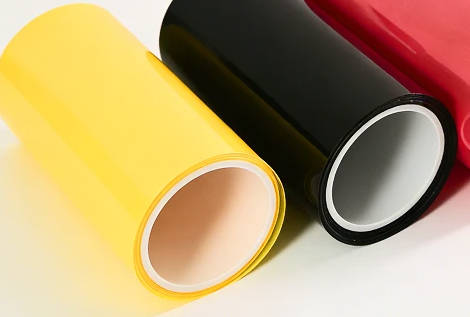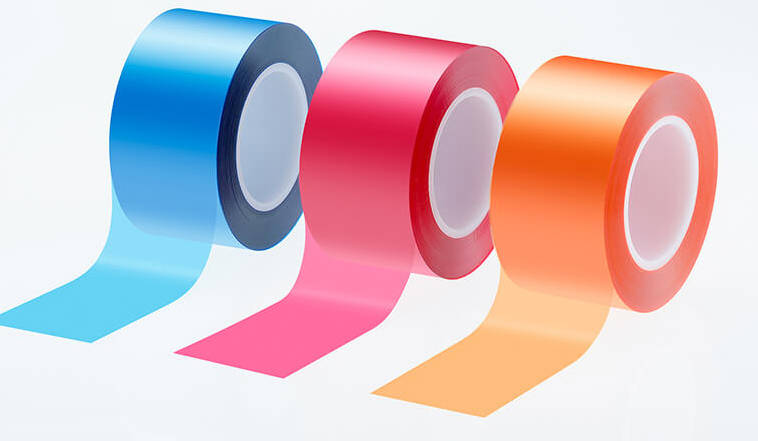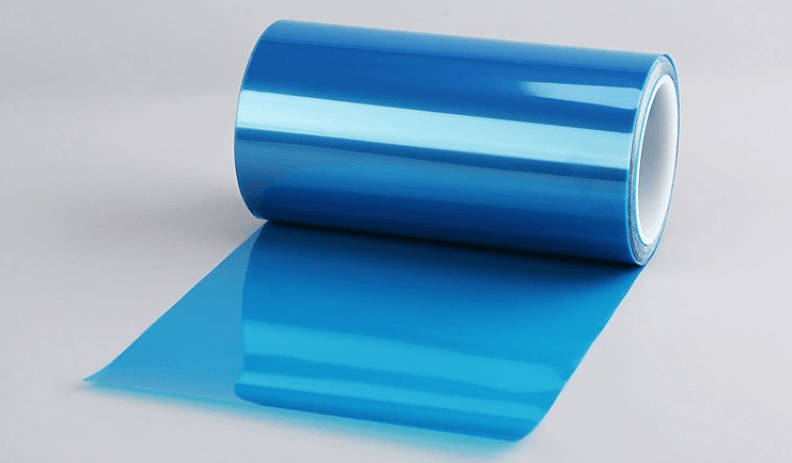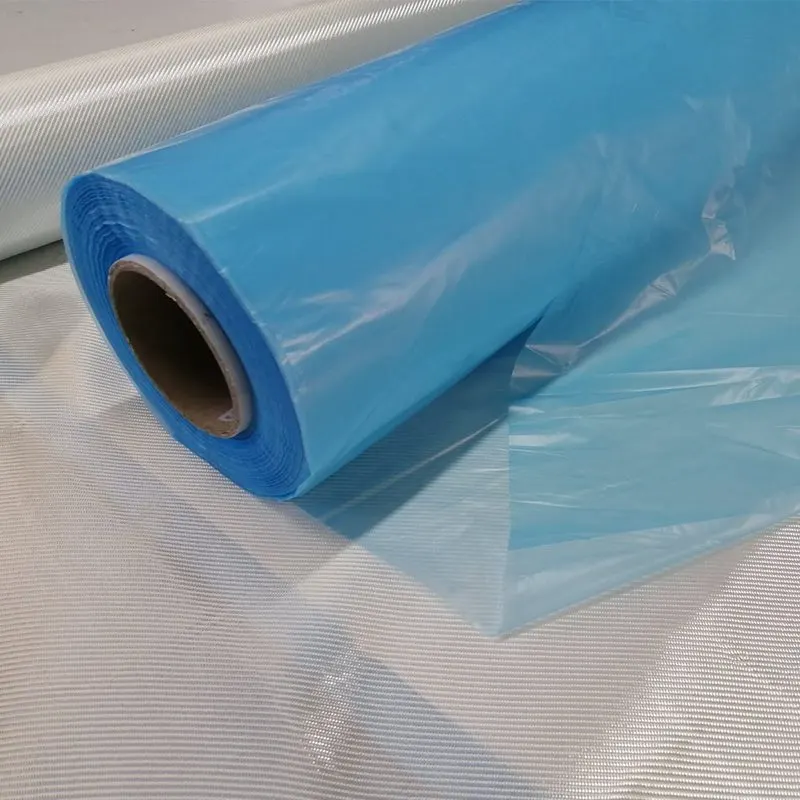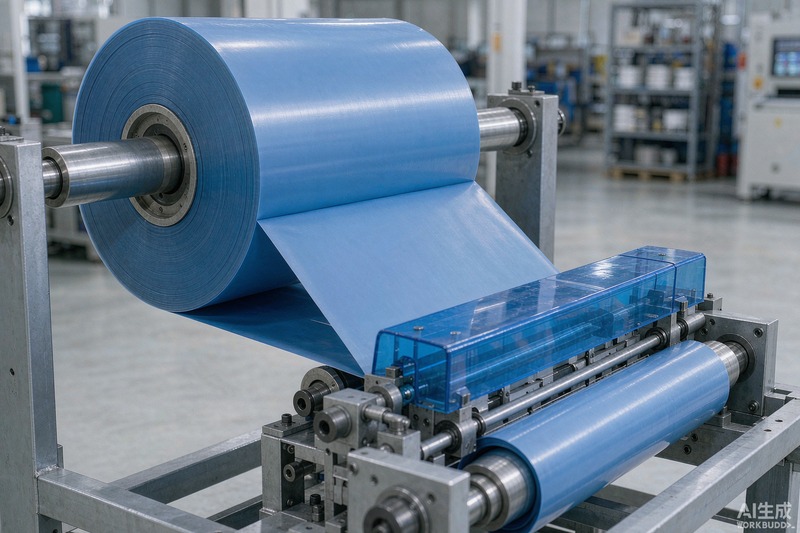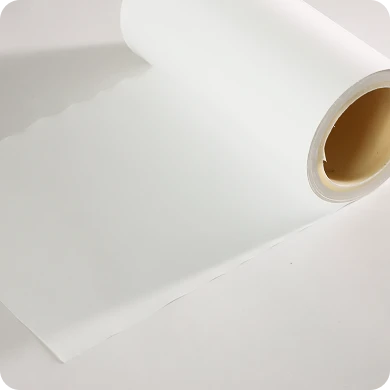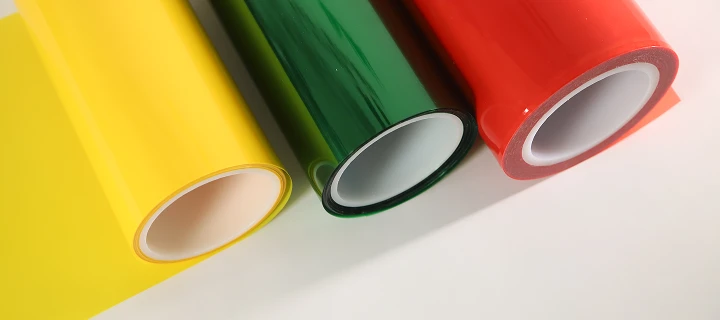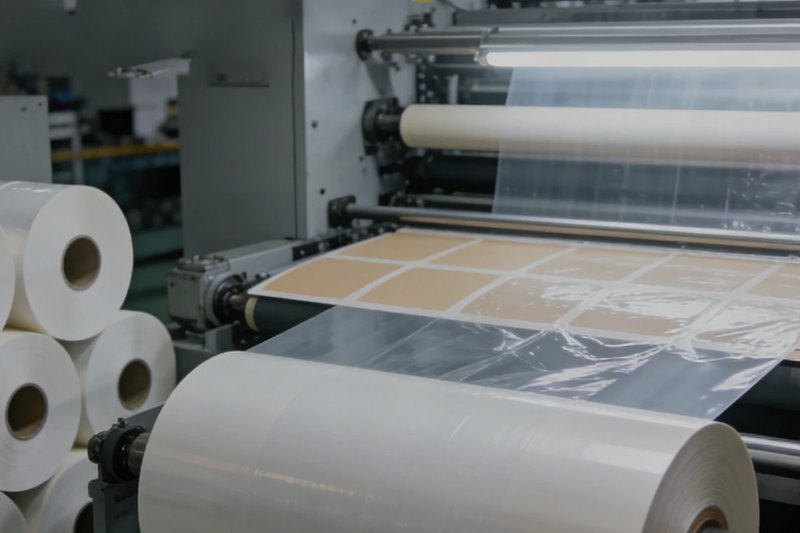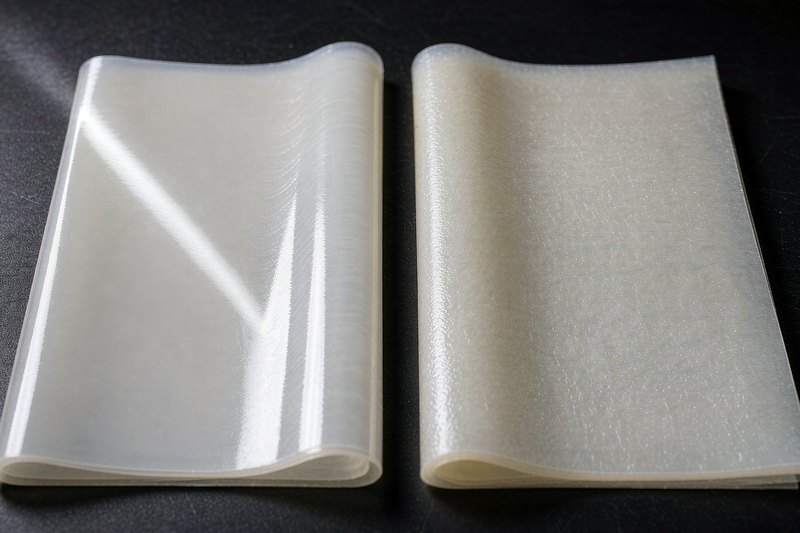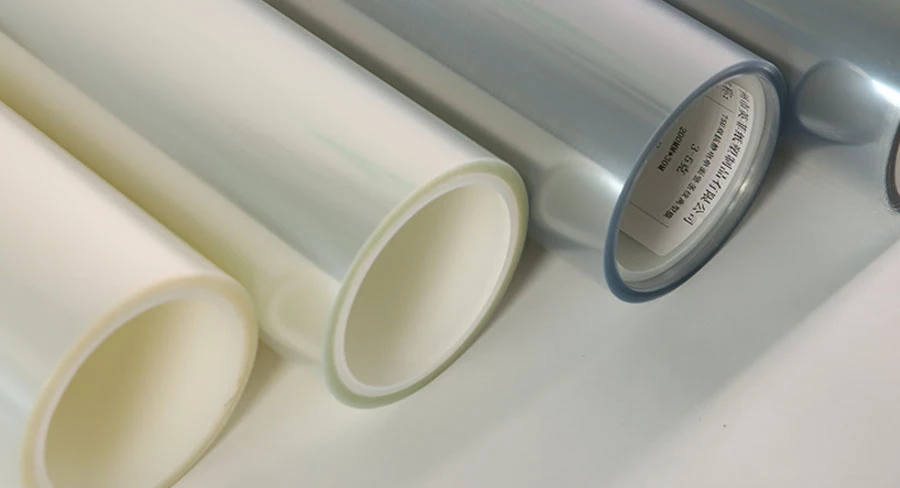
Release film sticks too much when the release force is too high, usually because the release coating does not match the adhesive, the silicone layer is unstable, the adhesive has aged, or processing conditions have changed. Release film releases too easily when the release force is too low, which may cause premature liner separation, label lifting, tape defects, or poor roll stability.
For adhesive product manufacturers, a release film release force problem can directly affect coating, laminating, slitting, die-cutting, storage, dispensing, and final application. If the liner sticks too tightly, operators may see difficult peeling, adhesive deformation, adhesive transfer, or product damage. If the liner releases too easily, the adhesive product may lift from the liner before use, causing waste and unstable production.
Release force control is especially important for pressure sensitive tapes, protective films, labels, medical adhesive products, foam tapes, double-sided tapes, electronics materials, and die-cut adhesive components. In these products, the release film is not just a temporary backing. It protects the adhesive and controls how the adhesive separates during processing and application.
This article explains why release film may stick too much or release too easily, how these problems affect adhesive product manufacturing, and how to select a more suitable release film for stable production.
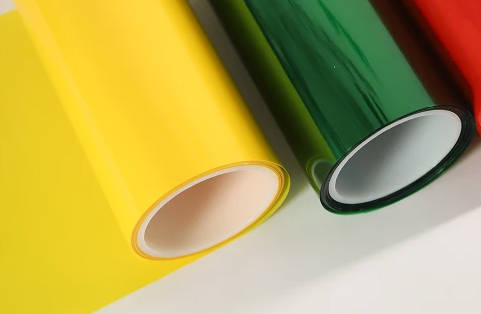
What Is Release Force in Release Film?
Release force refers to the force required to peel an adhesive material away from a release film or release liner. It is commonly measured under controlled conditions using a defined peel angle, peel speed, sample width, and test environment.
In simple terms:
| Release Force Level | Meaning | Typical Result |
| Low release force | Adhesive peels away easily | Smooth peeling, but may risk premature separation |
| Medium release force | Balanced peeling resistance | Common for many tapes, labels, and protective films |
| High release force | Adhesive is harder to peel | Better holding stability, but may cause difficult peeling |
| Unstable release force | Peel force changes over time or across the roll | Production inconsistency and quality complaints |
The goal is not always to choose the lowest release force. The right release force should match the adhesive type, product structure, converting process, storage condition, and final application.
For example, a light release liner may work well for a simple label but may fail in a double-sided tape roll if the adhesive lifts too early. A tight release liner may work for transport stability but may damage a soft adhesive during peeling.
Why Release Force Problems Matter in Adhesive Products
A release force issue can create visible and hidden defects. Some problems appear during production, while others appear after storage, shipment, or final customer use.
| Production Stage | Possible Release Force Problem | Result |
| Adhesive coating | Adhesive does not contact liner evenly | Coating defects or release inconsistency |
| Lamination | Liner wrinkles or adhesive shifts | Poor flatness and roll defects |
| Slitting | Liner lifts or adhesive transfers | Edge contamination and waste |
| Die-cutting | Adhesive moves or liner is hard to separate | Poor die-cut quality |
| Matrix stripping | Labels or adhesive parts lift too early | Low converting yield |
| Storage | Release force changes over time | Customer complaints after aging |
| Final application | Liner is too hard or too easy to remove | Poor user experience |
A release film that performs well on day one may not always perform the same after aging, pressure, temperature changes, or long-term storage. This is why release film selection should include sample testing and stability evaluation, not only initial peeling tests.
Release Force Too High: What Does It Mean?
Release force is too high when the adhesive material is difficult to peel from the release film. Operators may feel that the liner “sticks too much,” “locks to the adhesive,” or “cannot be removed smoothly.”
Common signs include:
- Difficult liner peeling
- Adhesive stretching or deformation
- Adhesive transfer to the liner
- Product tearing during removal
- Slow dispensing on automatic equipment
- Die-cut parts being pulled out of shape
- Increased operator force during manual application
- Poor user experience at final use
When release force is too high, the release film may protect the adhesive during storage, but it can damage processing efficiency and final application performance.
This problem is common in adhesive tapes, protective films, foam materials, medical patches, electronics die-cut parts, and labels with high-tack adhesives.
Common Causes of Release Force Too High
1. Release Coating Does Not Match the Adhesive
The most common cause is a mismatch between the release coating and the adhesive system. Acrylic adhesive, rubber adhesive, hot melt adhesive, silicone adhesive, and specialty adhesives interact differently with release coatings.
For example, a standard silicone release coating may work for many acrylic adhesives but may not be suitable for silicone adhesive systems. Some aggressive adhesives require specially designed release coatings.
| Adhesive Type | Possible Release Risk |
| Acrylic adhesive | May require stable silicone release coating |
| Rubber adhesive | May show higher tack and transfer risk |
| Hot melt adhesive | Heat and pressure can change release behavior |
| Silicone adhesive | May require fluorosilicone or specialty release system |
| Medical adhesive | Needs controlled, clean, and stable release |
2. Release Coating Is Too Light or Incomplete
If the release coating is not uniform, too thin, or insufficiently cured, the adhesive may contact the film substrate more strongly. This can increase release force and create local sticking points.
Signs may include uneven peeling, high release spots, adhesive transfer, or different peeling performance across the roll width.
3. Aging Changes the Adhesive-Liner Interaction
Some adhesives become more aggressive after aging. Pressure, time, temperature, and roll winding tension can increase contact between adhesive and liner. This may cause release force to rise after storage.
Buyers should test release force after realistic aging conditions, especially for products stored in rolls or shipped internationally.
4. Processing Temperature Is Too High
Heat can soften adhesive, increase wet-out, and strengthen contact with the release surface. If the release film is exposed to drying ovens, hot lamination, curing, or high-temperature storage, release behavior may change.
PET release film is often used in applications requiring better heat resistance and dimensional stability, but the release coating and adhesive compatibility still need testing.
5. Roll Pressure Is Too High
High winding tension or long-term roll pressure can force the adhesive into closer contact with the release surface. This may increase release force over time.
This is especially important for thick adhesive tapes, foam tapes, protective films, and large-diameter rolls.
6. Contamination or Surface Defects
Dust, oil, coating defects, scratches, or particles on the release surface may create local adhesion points. In precision adhesive products, even small surface defects may cause peeling inconsistency.
Release Force Too Low: What Does It Mean?
Release force is too low when the adhesive separates from the release film too easily. The liner may lift, shift, or separate before the product is ready to use.
Common signs include:
- Labels lifting during die-cutting
- Adhesive tape separating during unwinding
- Protective film liner peeling during transport
- Die-cut parts moving on the liner
- Matrix stripping instability
- Double-sided tape release imbalance
- Poor roll stability
- Product contamination due to premature adhesive exposure
When release force is too low, the adhesive product may become unstable during converting, storage, transportation, or automatic application.
This problem can be as serious as high release force. A liner that peels too easily may appear convenient at first, but it can cause production waste and customer complaints.
Common Causes of Release Force Too Low
1. Release Coating Is Too Strong
A very low-surface-energy release coating can make the adhesive peel too easily. This may be suitable for some applications, but not for products that need stable roll handling, die-cutting, or transport.
2. Adhesive Tack Is Too Low
Sometimes the problem is not the liner. If the adhesive has low tack, poor coating weight, contamination, or incorrect formulation, it may not hold properly on the release surface.
In this case, changing the release film alone may not solve the issue. The adhesive formulation and coating process should also be checked.
3. Wrong Differential Release Design
For double-sided tapes and transfer adhesives, two liner sides may need different release forces. If both sides are too easy-release, the adhesive may transfer to the wrong side or separate during unwinding.
Differential release design is important when one side must release before the other.
4. Poor Lamination Pressure
If the adhesive does not fully contact the release film during lamination, the liner may appear too easy to remove. Improper nip pressure, uneven lamination, or low adhesive wet-out can all reduce actual bonding contact.
5. Storage or Environmental Conditions
Low temperature, dry conditions, or adhesive aging may reduce tack in some systems. This can make release feel too easy, even if the liner itself is within specification.
6. Release Film Surface Is Too Smooth for the Adhesive System
Some adhesive systems need a specific surface interaction to remain stable during processing. If the release surface is too easy-release for the product structure, premature separation may occur.
High Release Force vs Low Release Force: Comparison Table
| Factor | Release Force Too High | Release Force Too Low |
| Main symptom | Liner sticks too much | Liner releases too easily |
| Peeling feel | Difficult, tight, uneven | Loose, unstable, premature |
| Production risk | Adhesive deformation, slow peeling, transfer | Lifting, shifting, poor roll stability |
| Common cause | Coating mismatch, aging, high pressure, heat | Excessive release, low adhesive tack, wrong liner |
| Impact on die-cutting | Parts may deform during removal | Parts may lift during cutting or stripping |
| Impact on storage | Liner may become harder to peel over time | Liner may separate during storage or transport |
| Main correction direction | Use easier release coating or improve compatibility | Use tighter release coating or check adhesive tack |
| Testing focus | Aged release force and adhesive transfer | Premature lifting and roll stability |
How Release Force Affects Different Adhesive Products
Pressure Sensitive Labels
For labels, release force affects die-cutting, matrix stripping, and automatic dispensing. If release force is too high, labels may not dispense smoothly. If it is too low, labels may lift during converting.
Adhesive Tapes
For tapes, release force affects unwinding, slitting, roll stability, and user handling. Double-sided tapes often require careful differential release control.
Protective Films
For protective films, the liner must protect the adhesive while allowing clean removal before application. Too-high release may stretch the film or adhesive. Too-low release may expose adhesive during transport.
Medical Adhesive Products
Medical adhesive products require stable and clean peeling. Release problems may affect usability, product hygiene, and patient comfort. The material should be tested under realistic storage and application conditions.
Electronics Die-Cut Materials
Electronics components often require high dimensional stability, cleanliness, and precise release. Release force instability can cause misalignment, contamination, and low assembly yield.
Troubleshooting Guide for Release Film Release Force Problems
When a release film problem appears, buyers and engineers should investigate systematically.
| Symptom | Possible Cause | Suggested Check |
| Liner is hard to peel | Release force too high | Test peel force before and after aging |
| Adhesive transfers to liner | Coating mismatch or high pressure | Check adhesive compatibility and roll tension |
| Liner lifts during die-cutting | Release force too low | Check release grade and adhesive tack |
| Release force changes after storage | Aging effect | Run accelerated or real-time aging tests |
| Peeling varies across roll width | Coating non-uniformity | Inspect coating uniformity and roll sampling |
| Difficult dispensing on machine | Release too high or liner stiffness mismatch | Test on actual equipment |
| Adhesive parts shift on liner | Release too low or poor lamination | Check lamination pressure and release force |
| Local sticking points | Surface contamination or coating defect | Inspect surface cleanliness and coating defects |
The most useful troubleshooting method is to test the release film with the actual adhesive, actual production process, and realistic storage condition.
A liner that works in one adhesive system may fail in another. Even the same liner may perform differently when adhesive coating weight, drying temperature, or winding tension changes.
How to Specify Release Film Correctly
To avoid release force problems, buyers should provide complete technical information when sourcing release film.
| Specification Item | Why It Matters |
| Film substrate | PET, PE, PP, BOPP, or other material affects strength and stability |
| Film thickness | Affects stiffness, handling, die-cutting, and cost |
| Release side | One-side or double-side release changes product structure |
| Release force target | Determines peeling performance |
| Adhesive type | Acrylic, rubber, hot melt, silicone, or specialty adhesive |
| Adhesive coating weight | Affects tack and release force |
| Processing temperature | Heat can change release behavior |
| Converting method | Slitting, die-cutting, laminating, or printing |
| Roll specification | Width, length, core size, and winding requirement |
| Storage condition | Temperature, humidity, time, and pressure affect aging |
| End-use application | Labels, tapes, protective films, medical, electronics, or industrial use |
A clear specification helps the supplier recommend the right release grade and avoid repeated trial-and-error.
How to Choose the Right Release Film Supplier
A reliable release film supplier should understand that release force is not a single fixed value in real production. It can be affected by adhesive chemistry, coating method, storage time, temperature, pressure, and converting conditions.
When evaluating a supplier, ask:
| Question | Why It Matters |
| Can you provide different release force levels? | Helps match easy, medium, or tight release needs |
| Do you support custom release coating? | Useful for special adhesive systems |
| Can you provide PET, PE, PP, or other release films? | Allows material comparison |
| Can samples be tested before bulk order? | Reduces purchasing risk |
| Can release force be tested after aging? | Helps evaluate storage stability |
| Can you support one-side and double-side release? | Important for tapes and laminated products |
| How do you control coating uniformity? | Affects release consistency |
| Can you slit rolls to required widths? | Supports converting efficiency |
If your current liner is sticking too much or releasing too easily, it may be necessary to compare different release film materials under the same adhesive and process conditions.
You can also visit Yingfei Liner to review release liner material options for adhesive products, protective films, labels, tapes, and industrial applications.
Practical Selection Checklist
Before confirming a release film order, use this checklist:
| Selection Question | What to Confirm |
| What adhesive is used? | Acrylic, rubber, silicone, hot melt, medical, or industrial adhesive |
| What is the desired release level? | Easy, medium, tight, or differential release |
| Is release force stable after aging? | Test after storage under realistic conditions |
| Does adhesive transfer occur? | Check liner surface and adhesive compatibility |
| Will the product be die-cut? | Confirm liner thickness and dimensional stability |
| Is the product used in rolls or sheets? | Roll pressure and winding tension affect release |
| Is heat involved? | Choose suitable substrate and coating stability |
| Is cleanliness important? | Consider PET release film or cleaner substrate options |
| Is double-side release needed? | Important for transfer tapes or multi-layer products |
| Has sample testing been done? | Verify before mass production |
FAQ
1. Why does release film stick too much to adhesive?
Release film may stick too much when the release force is too high. Common causes include release coating mismatch, insufficient release coating, adhesive aging, high roll pressure, high processing temperature, or surface contamination.
2. What causes release force too low in release film?
Release force may be too low when the release coating is too easy-release, the adhesive tack is too weak, lamination pressure is insufficient, or the liner structure does not match the adhesive product. This can cause premature lifting or liner separation.
3. How do you solve a release film release force problem?
First, identify whether the release force is too high, too low, or unstable. Then test the liner with the actual adhesive, processing temperature, winding tension, and storage condition. Adjust the release coating, film substrate, adhesive formulation, or process parameters as needed.
4. Why does release force change after storage?
Release force can change after storage because of adhesive aging, roll pressure, temperature, humidity, and increased adhesive wet-out on the release surface. This is why aged release testing is important for adhesive tapes, labels, and protective films.
5. What is the right release force for adhesive products?
There is no universal release force for all adhesive products. The right level depends on adhesive type, product structure, converting method, storage condition, and final application. Easy, medium, tight, or differential release may be needed.
6. Can PET release film reduce release force problems?
PET release film can help improve dimensional stability, surface smoothness, and heat resistance in many applications. However, release force problems still depend on release coating and adhesive compatibility, so testing is required.
7. Why does adhesive transfer to the release film?
Adhesive transfer may occur when release force is too high, the release coating is incompatible with the adhesive, the adhesive is too aggressive, or the product has been exposed to high pressure, heat, or long storage time.
Conclusion
A release film release force problem usually appears in two forms: the liner sticks too much, or it releases too easily. Both problems can affect adhesive product quality, converting efficiency, roll stability, and final user experience.
When release force is too high, manufacturers may face difficult peeling, adhesive deformation, adhesive transfer, and slow production. When release force is too low, products may suffer from premature liner separation, label lifting, unstable die-cutting, and transport defects.
The right solution is not simply choosing a lighter or tighter release liner. Buyers should evaluate adhesive type, film substrate, release coating, thickness, processing temperature, winding pressure, storage condition, and final application. Production testing with real materials is essential.
If you are looking for release film for tapes, labels, protective films, medical adhesives, electronics materials, or industrial adhesive products, Yingfei can help evaluate release film structures based on your release force target, adhesive system, and production process.