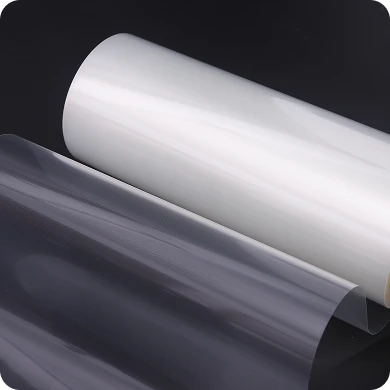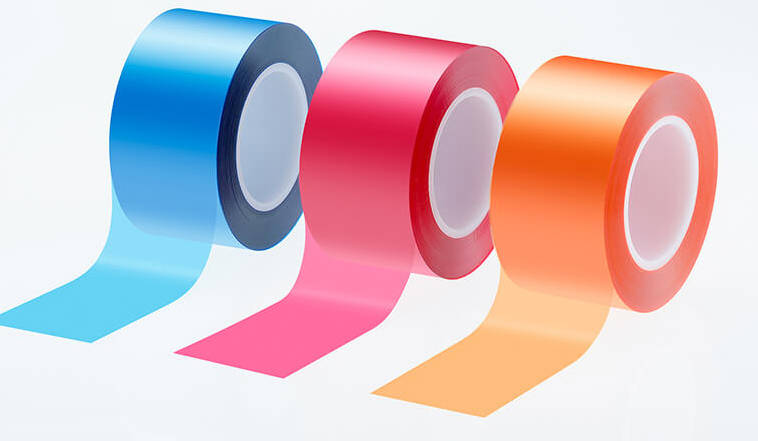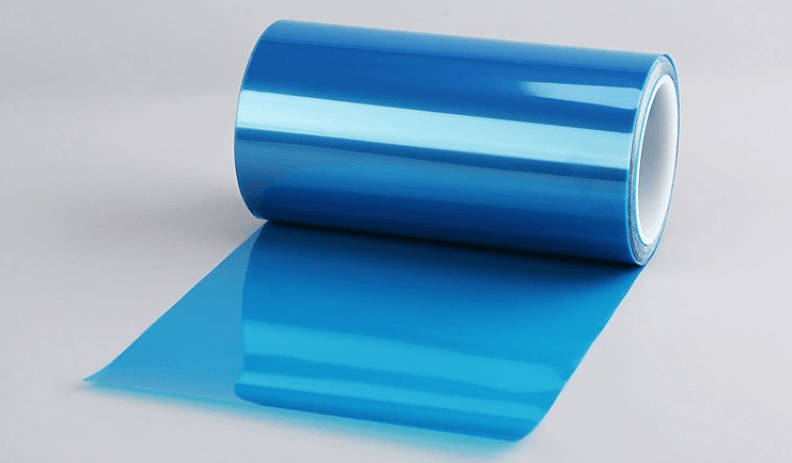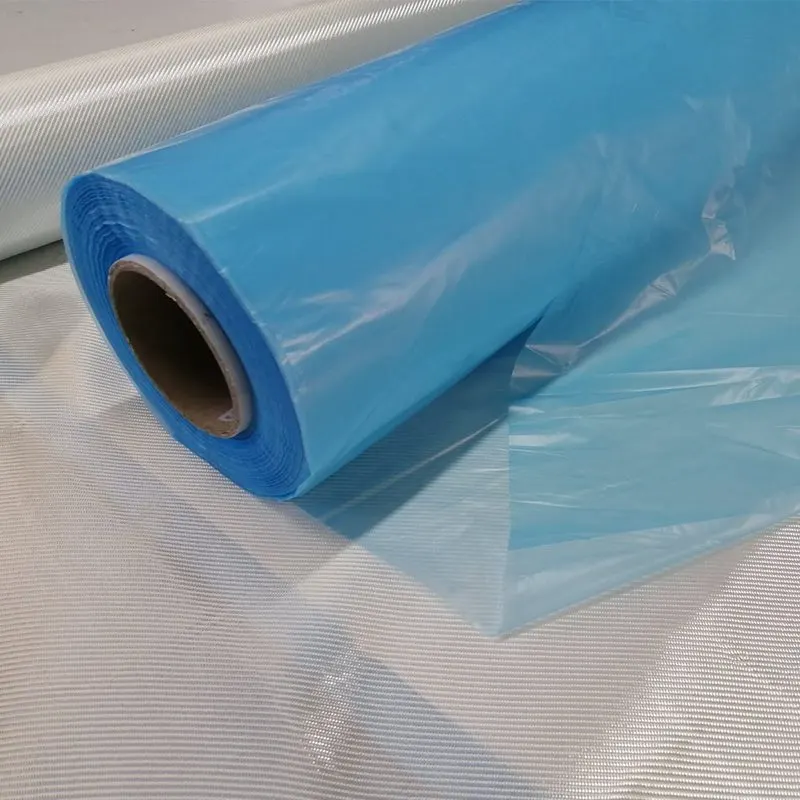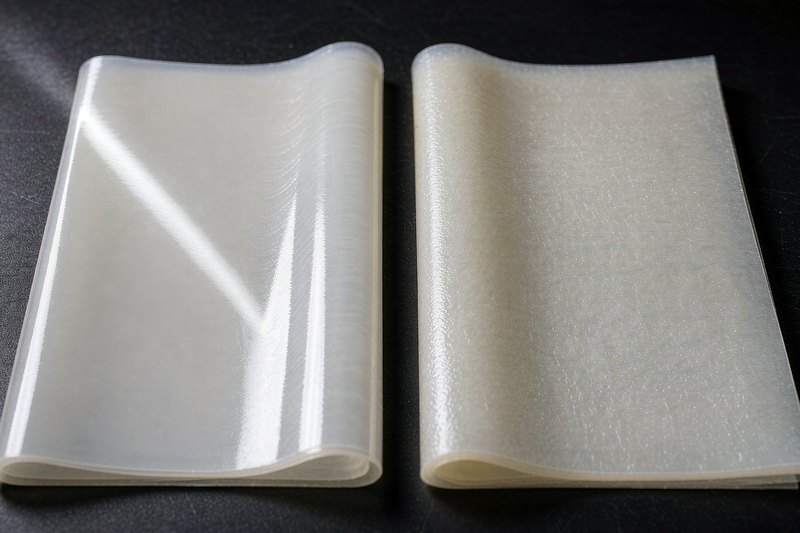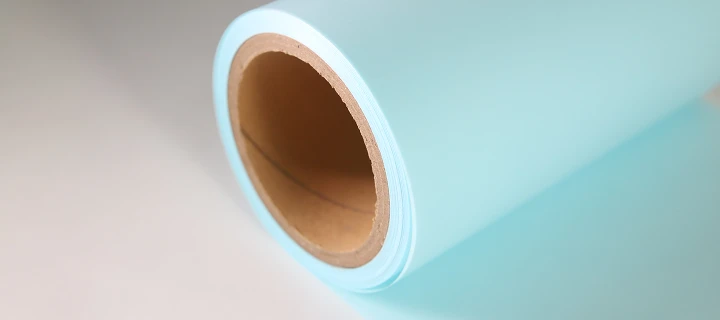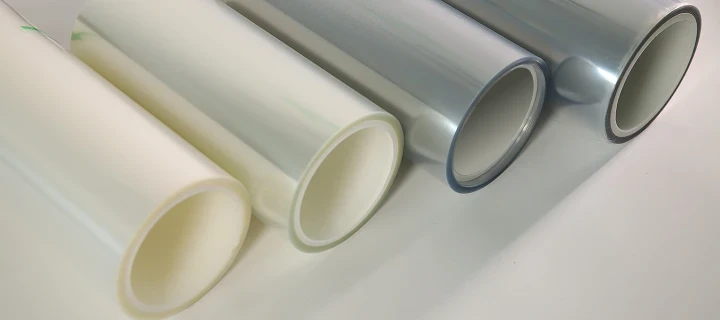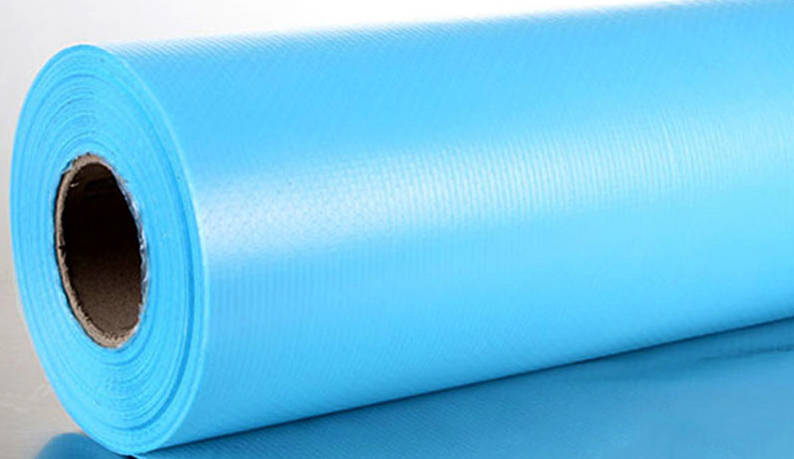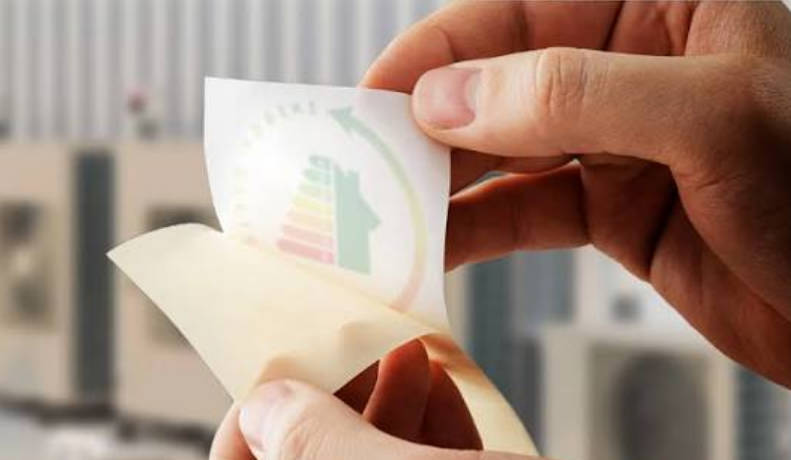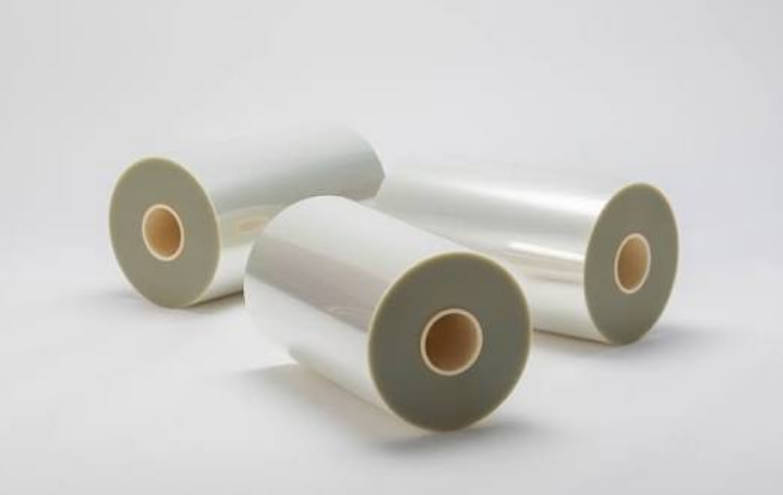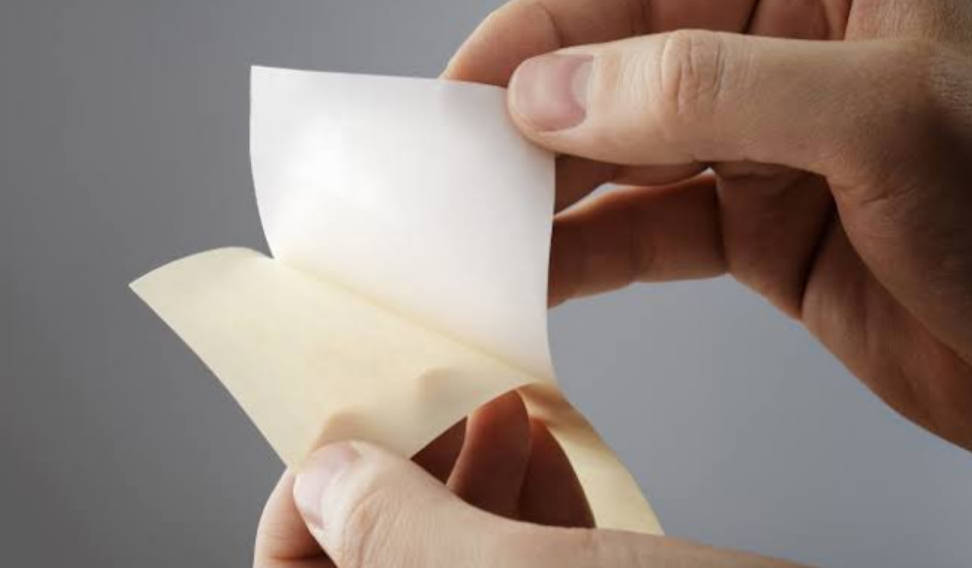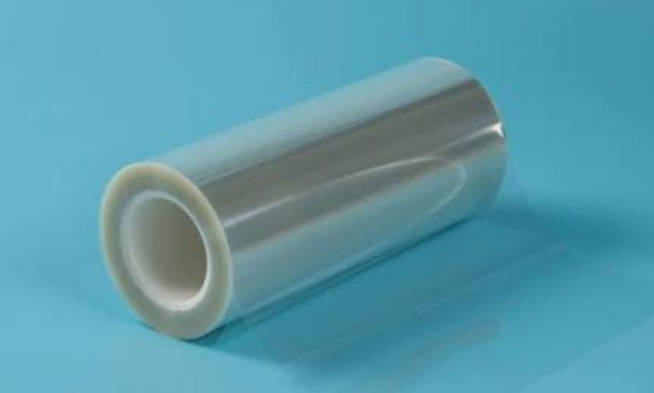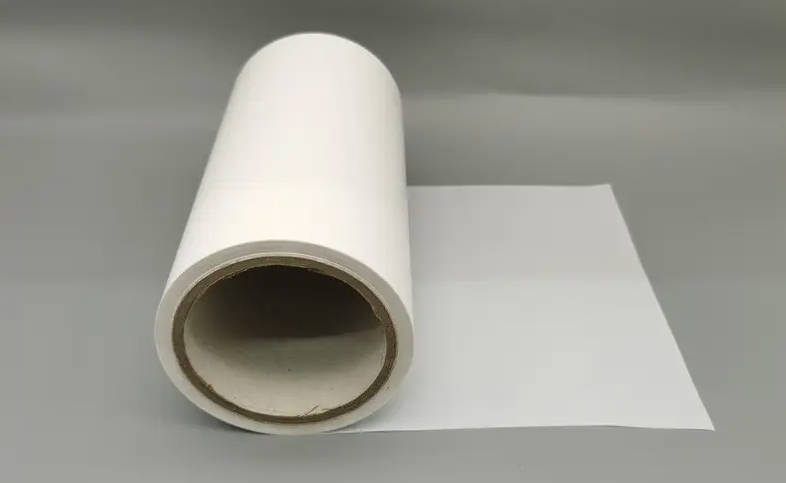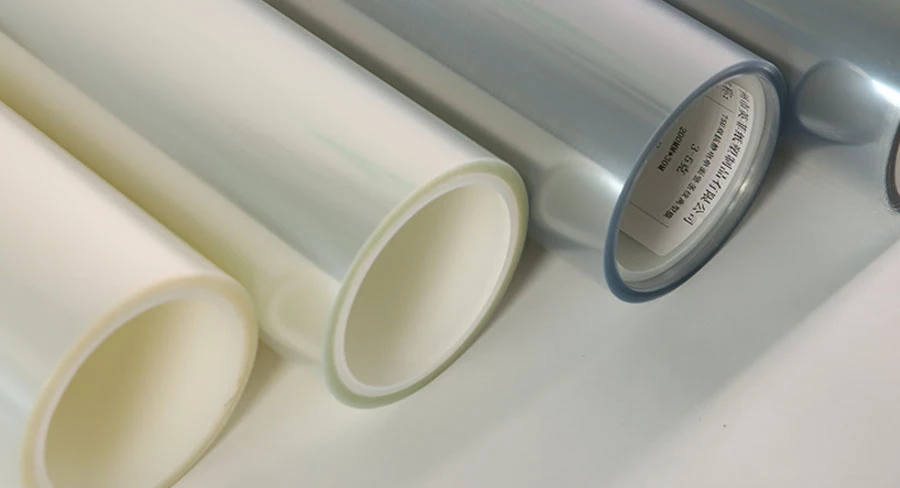
A release liner for medical tape is a temporary paper- or film-based carrier that protects the pressure-sensitive adhesive during coating, converting, storage and application. The liner must separate at the intended time without damaging the adhesive, leaving contamination or causing the medical product to lift prematurely.
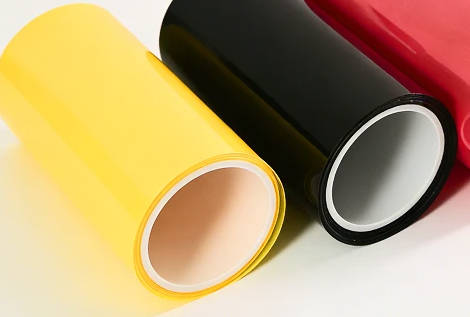
The correct medical release liner must provide controlled peeling while preserving the adhesive surface, dimensional accuracy and converting stability of the finished tape or dressing.
Medical adhesive products have more demanding liner requirements than many general-purpose tapes. A wound dressing may contain a soft acrylic adhesive, silicone gel, hydrocolloid layer or multilayer construction. These materials can respond differently to release coatings, temperature, pressure and aging.
As a result, selecting a wound dressing release liner involves more than choosing between paper and plastic film. Manufacturers must evaluate the complete construction, including adhesive chemistry, liner substrate, coating system, release force, die-cutting process, storage conditions and any sterilization exposure.
Release liners are widely used as temporary carriers for wound dressings, medical fixation tapes, electrodes, transdermal patches and adhesive bandages. They protect the adhesive and help the product move through coating, lamination, die-cutting and assembly processes. Does a Medical Release Liner Do?
A medical release liner performs several functions before the tape or dressing reaches the patient.
It protects the adhesive from:
- Dust and particles
- Accidental contact
- Premature bonding
- Mechanical damage
- Moisture and environmental exposure
- Deformation during roll storage
- Contamination during converting and packaging
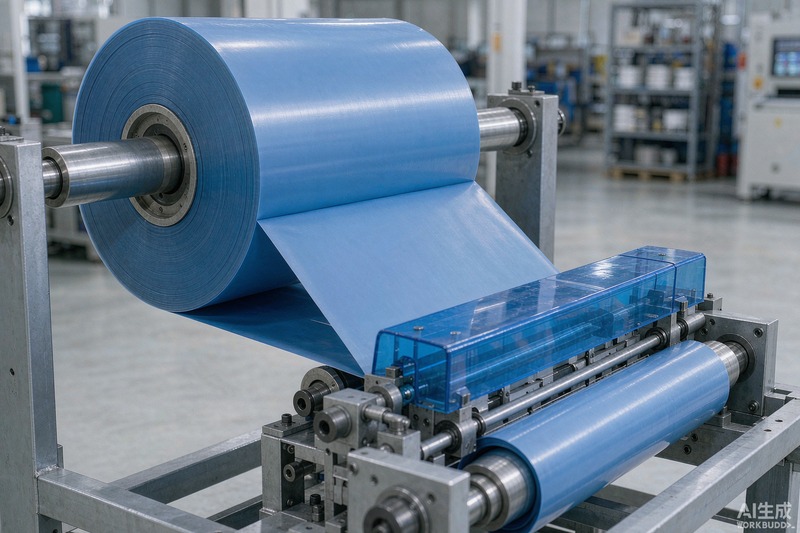
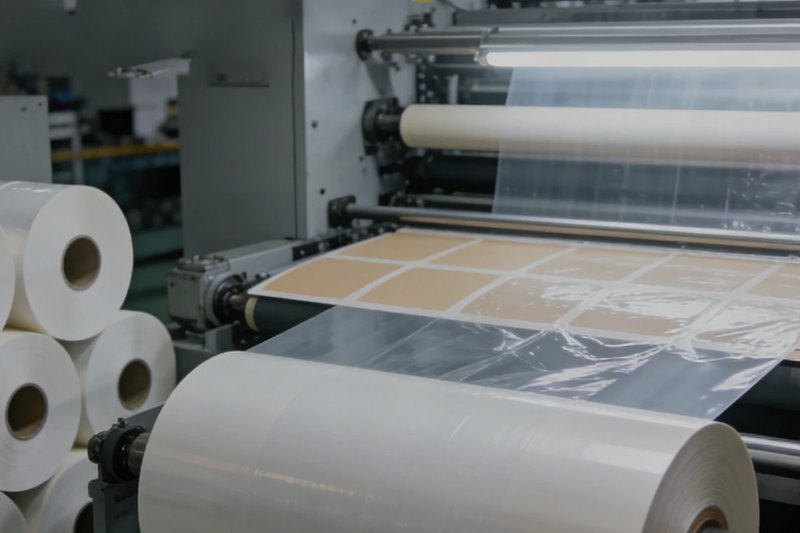
The liner may also act as a process carrier. It supports the adhesive construction while the material passes through coating, drying, lamination, printing, slitting, rotary die-cutting or flatbed die-cutting equipment.
At the final application stage, the liner must be easy enough for a clinician, caregiver or patient to remove. However, it cannot release so easily that it separates during production, packaging or transportation.
A medical liner must remain attached during manufacturing and storage but peel away cleanly when the product is applied.
This balance is controlled by the interaction between the adhesive and the release surface—not by the liner substrate alone.
Common Medical Tape and Wound Dressing Applications
Different medical products place different demands on their release liners.
| Medical application | Typical liner requirement | Main selection concern |
| Medical fixation tape | Stable release and high-speed converting | Roll stability and consistent peeling |
| Adhesive bandages | Easy removal and accurate die-cutting | Stiffness, printability and user handling |
| Transparent film dressings | Smooth, clean and dimensionally stable surface | Visual positioning and precision conversion |
| Hydrocolloid dressings | Compatibility with thick or soft adhesive mass | Liner distortion and adhesive transfer |
| Silicone wound dressings | Specially engineered release surface | Prevention of adhesive lock-up |
| Surgical tapes and drapes | Stable lamination and release after aging | Adhesive compatibility and large-area removal |
| Medical electrodes | Repositioning or repeated liner contact in some designs | Release repeatability and adhesive preservation |
| Transdermal patches | Controlled release and material compatibility | Purity, aging and formulation interaction |
The same liner specification should not automatically be used across all these products. For example, a liner that performs well with an acrylic medical tape may release poorly from a soft silicone adhesive.
Why Medical Release Liner Selection Is More Demanding
The Adhesive Must Remain Functional
The liner is in direct contact with the adhesive for days, months or potentially longer. During that period, the release surface must not significantly reduce tack, create visible marks or leave coating residues on the adhesive.
If the release coating transfers to the adhesive, the finished tape may show reduced bonding performance. If adhesive transfers to the liner, the product can develop uneven coating areas, damaged edges or incomplete skin contact.
Release Force Must Be Controlled
Release force describes the force required to separate the liner from the adhesive under defined test conditions.
A release level that is too high can cause:
- Adhesive lifting
- Stretching of thin film dressings
- Damage to soft silicone or hydrocolloid layers
- Difficult application
- Liner tearing
- Delamination within a multilayer product
A release level that is too low can cause:
- Premature liner separation
- Edge lifting during die-cutting
- Unstable roll winding
- Product movement inside packaging
- Misalignment during automatic assembly
Release force is affected by peel angle, peel speed, adhesive formulation, dwell time, temperature and aging. Therefore, a supplier’s description such as “light release” or “medium release” is not sufficient by itself.
Release force should be qualified with the actual medical adhesive, specified peel conditions and representative aging process.
The Liner Must Support Precision Converting
Medical tapes and wound dressings are frequently converted into small, accurately shaped components. The liner must remain flat and stable while passing through slitting, printing, lamination and die-cutting equipment.
Important converting characteristics include:
- Caliper consistency
- Tensile strength
- Tear resistance
- Dimensional stability
- Lay-flat performance
- Edge quality after slitting
- Resistance to curling
- Clean die-cutting behavior
- Reliable matrix stripping
A liner that stretches, curls or compresses unevenly can cause registration errors and inconsistent cut depth.
Cleanliness Matters
Particles, loose fibers, coating defects and surface contamination can create visible defects or interfere with the adhesive layer.
Film liners are often considered where low fiber generation, surface smoothness and dimensional stability are priorities. Paper liners may still be suitable when their stiffness, printability, converting performance or cost structure better matches the product.
Cleanliness requirements should be defined for the specific medical device and production environment rather than assumed from the phrase “medical grade.”
Paper vs Film Release Liner for Medical Tape
Both paper and film can be used as medical release liner substrates. The correct option depends on the adhesive construction, converting line and application method.
| Selection factor | Release paper | Release film |
| Stiffness | Generally higher at comparable practical constructions | Depends on polymer and thickness |
| Flexibility | Moderate | Can range from flexible to relatively rigid |
| Surface smoothness | Good to very good with suitable paper treatment | Generally very smooth and uniform |
| Dimensional stability | Can be affected by humidity | Typically more stable against humidity |
| Moisture resistance | Depends on coating or PE lamination | Generally good |
| Transparency | Limited or semi-transparent | Clear options are available |
| Printability | Often suitable for instructions, grids or branding | Possible with suitable surface treatment |
| Tear resistance | Depends on paper type and direction | Film commonly offers higher tear resistance |
| Die-cutting | Good with a properly selected grade | PET commonly supports precision kiss-cutting |
| Particle generation | Paper fibers must be controlled | Usually lower fiber generation |
| Cost considerations | Often economical for general tape constructions | May cost more depending on polymer and treatment |
| Typical use | Bandages, fixation tapes and general medical adhesive products | Precision dressings, patches, electrodes and automated converting |
When to Consider Release Paper
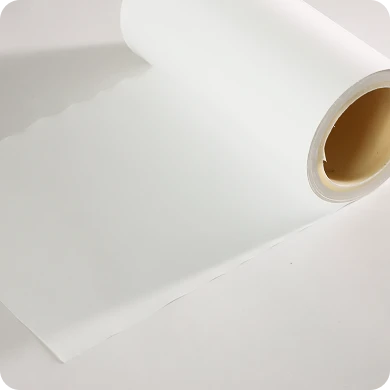
Release paper can be a practical choice for medical tapes, adhesive bandages and wound care products that require stiffness, easy handling or reverse-side printing.
Common options include:
- Glassine release paper
- Clay-coated kraft paper
- PE-coated paper
- Bleached kraft paper
- Single- or double-sided silicone-coated paper
Glassine provides a dense and relatively smooth surface, while PE-coated paper can offer improved moisture resistance. CCK paper is often selected where stiffness and lay-flat characteristics are important.
YINGFEI supplies silicone-coated release paper in glassine, CCK, PE-coated and other paper constructions, with customizable coating sides, widths and basis weights. The final grade should be validated against the medical adhesive and converting process. (yingfeiliner.com) to Consider Release Film
Film is commonly considered when the application requires:
- High surface smoothness
- Tight dimensional control
- Moisture resistance
- Low fiber generation
- Clear visual inspection
- Precise die-cutting
- High tensile strength
- Stable performance on automated lines
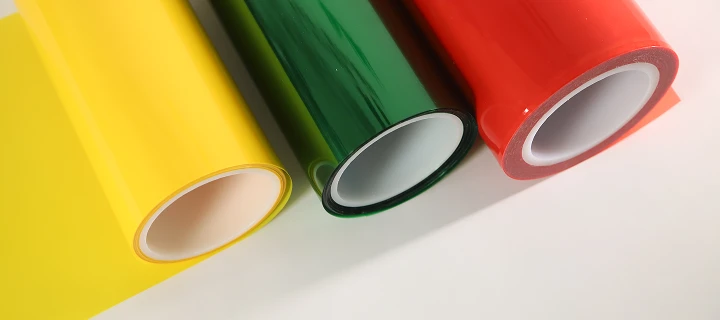
PET is widely used for precision converting because of its smooth surface and mechanical stability. PE film may be selected for flexibility and moisture resistance, while PP can be considered for specific stiffness, processing or cost requirements.
YINGFEI’s release film solutions include PET, PE and PP substrates with silicone, fluorosilicone and non-silicone coating options. Available constructions should be screened according to adhesive chemistry and end-use requirements. (yingfeiliner.com)ing the Release Coating to the Adhesive
The release coating is the functional interface between the liner substrate and the medical adhesive.
Standard Silicone Release Coatings
Silicone release coatings are commonly used with pressure-sensitive adhesives such as:
- Acrylic adhesives
- Synthetic rubber adhesives
- Polyisobutylene-based adhesives
- Other compatible nonsilicone PSA systems
The silicone formulation and coating process can be adjusted to provide different release levels.
Fluorosilicone Release Coatings
Silicone-based medical adhesives present a different challenge. A standard silicone-coated liner may interact too strongly with the silicone adhesive, resulting in difficult peeling or “lock-up.”
Silicone pressure-sensitive adhesives generally require a fluorosilicone or another specially engineered release surface.
Fluorosilicone release film is therefore commonly evaluated for soft silicone wound dressings, medical sensors and other products using silicone adhesive technology. Compatibility still needs to be confirmed through testing because silicone adhesive formulations can differ. (News-Medical)Silicone Release Systems
A non-silicone liner may be considered where silicone contamination must be minimized or where the adhesive system requires an alternative release chemistry.
However, “non-silicone” does not automatically make a liner suitable for a medical product. The release surface, extractables, processing behavior and adhesive compatibility must still be evaluated.
| Adhesive system | Common liner direction | Main qualification point |
| Acrylic PSA | Silicone-coated paper or film | Release stability after aging |
| Synthetic rubber PSA | Compatible silicone-coated liner | Adhesive transfer and release increase |
| Polyisobutylene adhesive | Qualified silicone or specialty liner | Long-term contact compatibility |
| Silicone PSA | Fluorosilicone or specialty release surface | Prevention of lock-up |
| Hydrocolloid adhesive | Film or coated paper selected by formulation | Deformation and adhesive residue |
| Drug-loaded adhesive | Application-specific qualified liner | Chemical interaction and purity |
Key Specifications to Define Before Purchasing
A useful request for quotation should describe the application rather than asking only for “medical release paper” or “medical release film.”
1. Adhesive Chemistry
Specify whether the product uses:
- Acrylic PSA
- Rubber-based PSA
- Silicone PSA
- Polyisobutylene adhesive
- Hydrocolloid adhesive
- Another:
- Acrylic PSA
- Rubber-based PSA
- Silicone PSA
- Polyisobutylene specialty formulation
Also indicate whether the adhesive is solvent-based, water-based, hot-melt or otherwise processed under conditions that may affect the liner.
2. Target Release Performance
Define:
- Desired release force
- Test tape or actual adhesive
- Peel angle
- Peel speed
- Dwell time
- Test temperature and humidity
- Initial and aged requirements
When possible, use a measurable range rather than only “easy release” or “medium release.”
3. Substrate and Caliper
Determine whether the product requires paper, PET, PE, PP or another substrate.
Caliper or basis weight influences:
- Stiffness
- User handling
- Die-cutting depth
- Roll diameter
- Tensile behavior
- Automatic dispensing
- Material yield
A thinner liner is not automatically more economical if it causes wrinkles, breakage or unstable conversion.
4. Coating Configuration
Confirm whether the liner requires:
- Single-sided release coating
- Double-sided release coating
- Differential release on two sides
- Silicone coating
- Fluorosilicone coating
- Non-silicone release treatment
Differential release may be useful in multilayer products where two adhesive surfaces must separate in a controlled sequence.
5. Converting Requirements
Provide details about:
- Rotary or flatbed die-cutting
- Kiss-cutting depth
- Slitting width
- Printing requirements
- Optical sensor detection
- Roll direction
- Liner side wound inside or outside
- Core diameter
- Maximum acceptable splices
- Roll length and outer diameter
These details help prevent a material from passing laboratory release tests but failing on the production line.
6. Aging and Process Exposure
The sample qualification plan should reproduce relevant production and storage conditions.
Consider:
- Elevated-temperature aging
- Humidity exposure
- Shelf-life simulation
- Lamination pressure
- Drying or curing temperature
- Packaging compression
- Transportation conditions
- EtO, gamma or other sterilization exposure, when applicable
Sterilization compatibility should never be assumed based only on the substrate name. It must be evaluated on the complete product construction.
A Practical Qualification Process
A structured qualification process reduces the risk of production failure.
Step 1: Define the Application
Document the finished medical product, adhesive chemistry, expected shelf life, converting method and target market.
Step 2: Screen Candidate Liners
Select several candidate combinations of:
- Paper or film substrate
- Thickness or basis weight
- Release coating chemistry
- Release level
- Surface treatment
Step 3: Test with the Actual Adhesive
Laboratory testing should use the production adhesive or a representative coated construction. Testing against a generic reference tape alone may not predict actual performance.
Step 4: Evaluate Initial and Aged Release
Measure release performance after representative dwell time, heat aging and humidity exposure.
Look for:
- Release-force increase
- Premature separation
- Adhesive transfer
- Coating transfer
- Surface marks
- Loss of tack
Step 5: Run Converting Trials
Test the liner on production-representative equipment. Evaluate web handling, die-cutting, matrix removal, slitting, curl and roll winding.
Step 6: Test Finished-Product Application
The liner should be evaluated by users under the intended application conditions. A liner that performs well on a machine may still be difficult to grasp or remove from a small dressing.
Step 7: Approve the Specification
The final specification should identify the substrate, thickness, release coating, release-force test method, roll construction, acceptance criteria and change-notification requirements.
Qualification should cover the real adhesive construction, production process, aging profile and finished-product application—not only an unused liner sample.
Common Release Liner Problems and Corrective Actions
| Problem | Possible cause | Recommended investigation |
| Liner is difficult to remove | Release force too high, incompatible coating or aging increase | Retest coating chemistry and aged release |
| Liner separates prematurely | Release force too low or poor roll tension | Review release level, winding and packaging |
| Adhesive remains on liner | Adhesive/coating incompatibility or insufficient adhesive cohesion | Examine transfer and adhesive formulation |
| Tape loses tack after liner removal | Release-coating transfer or surface contamination | Test residual adhesion and coating cure |
| Dressing stretches during peeling | Liner too tight or product carrier too flexible | Reduce release force or change removal design |
| Die-cut edges lift | Excessively low release or unsuitable cut depth | Adjust release level and die-cutting settings |
| Liner tears during conversion | Insufficient tensile or tear strength | Increase substrate strength or caliper |
| Roll curls or does not lay flat | Moisture imbalance, coating stress or unsuitable substrate | Review storage, coating and liner construction |
| Release varies between rolls | Coating inconsistency or uncontrolled test conditions | Compare lot data and standardize testing |
| Silicone adhesive locks to liner | Standard silicone release surface used | Evaluate fluorosilicone or specialty liner |
Mistakes to Avoid
Choosing Only by Price
A lower material price can be offset by web breaks, die-cutting waste, slower machine speed or rejected finished products.
Assuming Lower Release Force Is Always Better
Very easy release may improve manual removal but create instability during converting and packaging.
Testing Only at Room Temperature
Release behavior can change after heat, humidity or long dwell time.
Ignoring Peel Speed
Pressure-sensitive adhesives are viscoelastic. A liner may show different release behavior at slow manual removal and high-speed converting conditions.
Approving a Liner Based Only on Its Substrate
Two PET liners of the same thickness can perform differently because of coating chemistry, coating uniformity, surface treatment and curing conditions.
Treating “Medical Grade” as a Complete Specification
The phrase should not replace documented technical requirements, supplier controls, lot traceability and application-specific qualification.
How to Evaluate a Release Liner Supplier
A suitable supplier should be able to discuss the complete adhesive application rather than offer only a generic paper or film grade.
Evaluate the following areas:
Technical Capability
The supplier should understand:
- Adhesive compatibility
- Release coating selection
- Release-force testing
- Slitting and roll construction
- Die-cutting requirements
- Aging-related release changes
Quality Consistency
Ask how the supplier controls:
- Coating uniformity
- Thickness or basis weight
- Release-force variation
- Surface defects
- Roll width and winding tension
- Lot identification
- Raw material changes
Documentation and Change Control
Depending on the device and market, the buyer may require:
- Technical data sheet
- Certificate of analysis or conformity
- Lot traceability
- Material declarations
- Test method details
- Retained samples
- Change-notification agreement
- Quality-system information
Medical-device manufacturers remain responsible for defining purchasing requirements and applying supplier controls that are appropriate to the risk of the supplied component. ISO 13485 provides a medical-device quality-management framework, while the FDA’s Quality Management System Regulation incorporated (ISO)6. citeturn581408search1turn581408search5turn581408search16
Supplier certification alone does not prove that a specific liner is suitable for a specific tape or wound dressing. Final approval must be based on the medical product manufacturer’s qualification and regulatory process.
Information to Include in a Sample Request
To receive a relevant sample, provide:
- Finished-product application
- Adhesive type and formulation category
- Current liner construction, if available
- Preferred paper or film substrate
- Target thickness or basis weight
- Required release level and test method
- Single-, double- or differential-release requirement
- Coating or drying temperature
- Die-cutting and slitting process
- Roll width, length, core and winding direction
- Aging or sterilization exposure
- Required quality documentation
- Estimated trial and annual quantities
The more complete the application information, the easier it is to shortlist suitable release liner constructions.
Frequently Asked Questions
What is the best release liner for medical tape?
There is no universal liner for all medical tapes. The best option depends on the adhesive chemistry, required release force, tape structure, converting method, aging conditions and user-removal requirements.
Is release paper suitable for wound dressings?
Yes. Release paper can be suitable for adhesive bandages, fixation tapes and certain wound dressings, especially when stiffness, printability and economical conversion are important. Moisture resistance and fiber control should be evaluated.
When should PET release film be used for wound dressings?
PET release film is commonly considered when smoothness, dimensional stability, tensile strength, transparency or precision die-cutting is required. The release coating must still be matched to the adhesive.
Does silicone medical adhesive need a fluorosilicone release liner?
In many applications, yes. Silicone pressure-sensitive adhesives can bond too strongly to conventional silicone release surfaces. Fluorosilicone or another specially engineered release system is commonly evaluated to prevent lock-up.
How is release force tested for medical tape liners?
Release force is measured by peeling the adhesive construction from the liner under controlled conditions. The peel angle, speed, dwell time, temperature, adhesive and aging conditions should be stated with the result.
Can the same liner be used for acrylic and silicone adhesives?
It should not be assumed. A standard silicone-coated liner may work with an acrylic PSA but perform poorly with a silicone PSA. Each adhesive system should be tested with an appropriate release coating.
What causes a wound dressing liner to become harder to peel after storage?
Possible causes include adhesive aging, release-coating interaction, heat exposure, coating migration or an unsuitable release system. Initial and accelerated-aging tests can identify release-force increases before commercialization.
Should release liner sterilization compatibility be tested?
Yes, when the liner remains with the assembled product during sterilization. The complete construction should be tested under the intended sterilization process because adhesive, liner and coating performance may all change.
Conclusion
A release liner for medical tape or wound dressing must do more than cover an adhesive surface. It must support coating and converting, remain stable during storage and peel cleanly without reducing adhesive performance.
The most important selection factors are:
- Adhesive compatibility
- Release coating chemistry
- Initial and aged release force
- Paper or film substrate properties
- Die-cutting and web-handling performance
- Cleanliness and coating-transfer control
- Roll specifications and batch consistency
- Application-specific documentation
Paper liners can provide useful stiffness, printability and converting economics. Film liners can provide smoothness, moisture resistance, strength and dimensional stability. Silicone adhesive systems may require fluorosilicone or another specialty release surface.
YINGFEI is a release liner manufacturer offering customizable release films and silicone-coated papers for adhesive and converting applications. Available options include PET, PE and PP films as well as glassine, CCK and PE-coated release papers. Medical tape and wound dressing projects should begin with sample screeni(yingfeiliner.com)truction. citeturn472822view1turn472822view3turn472822view5