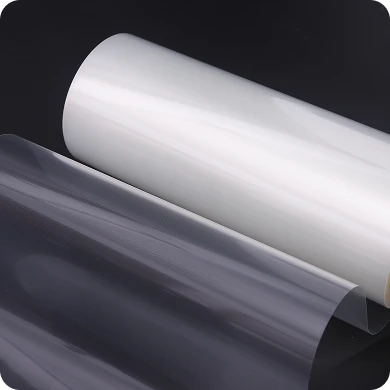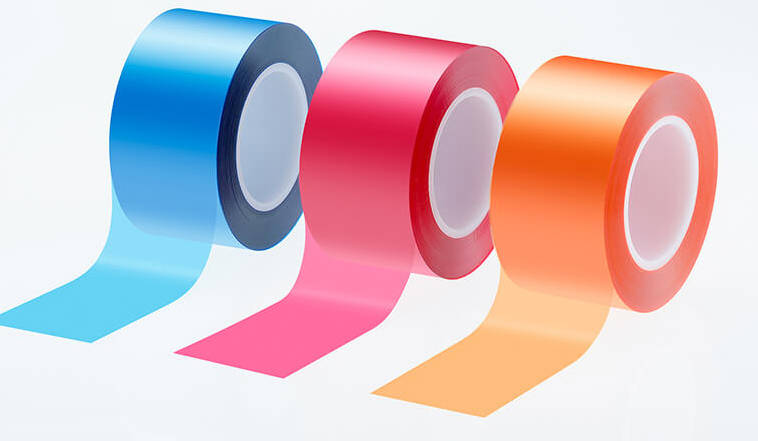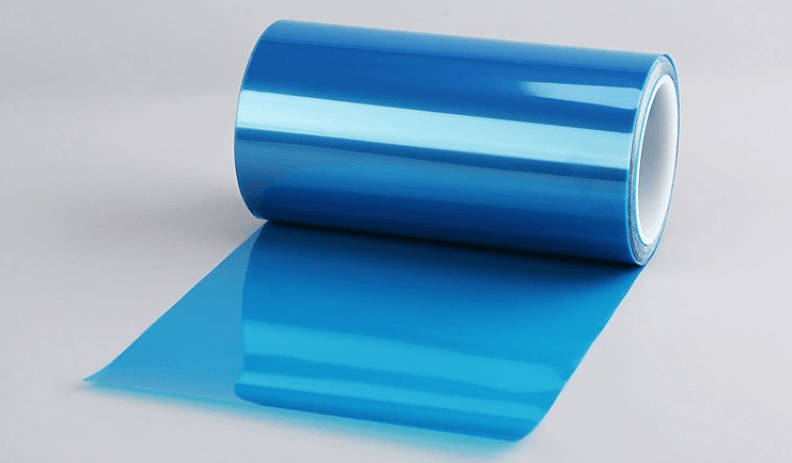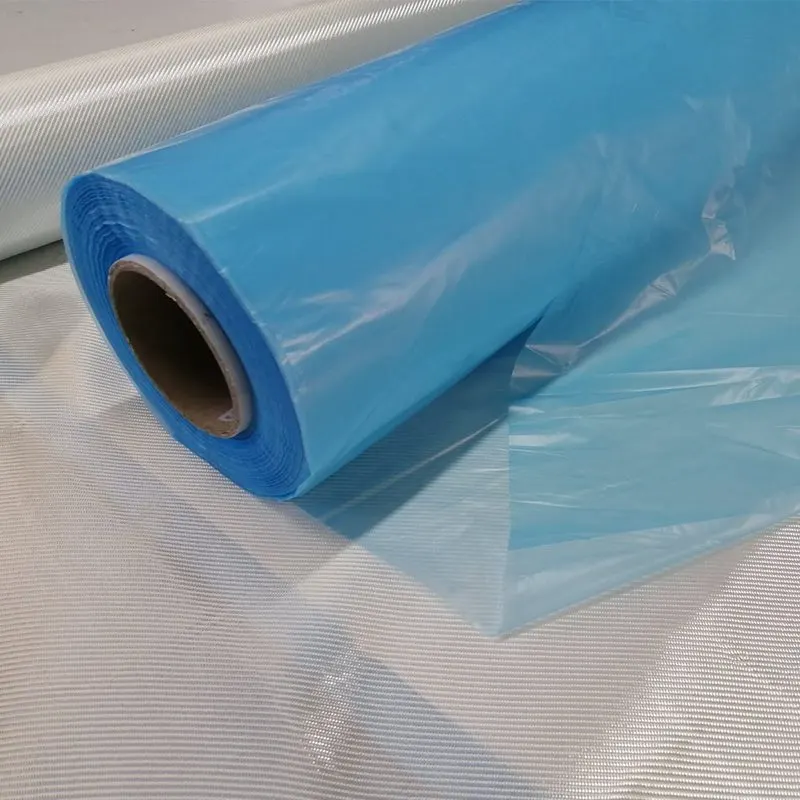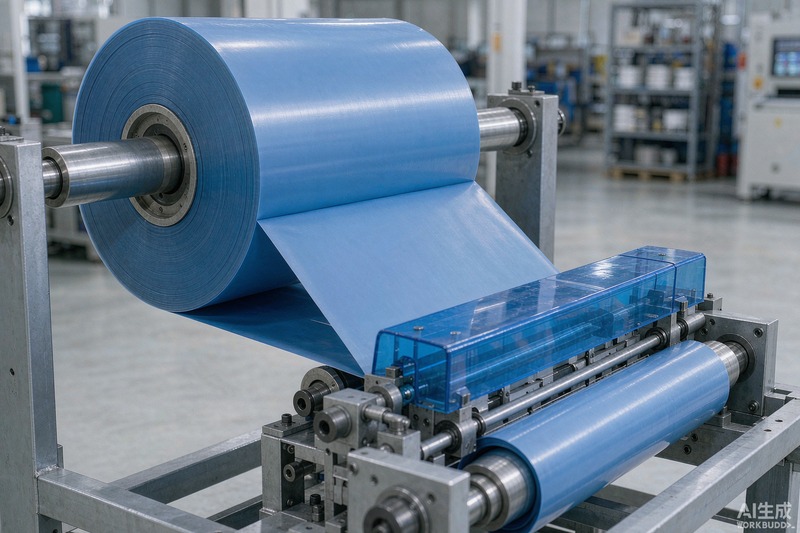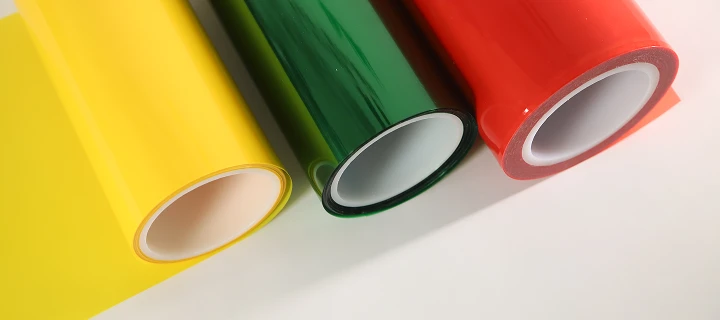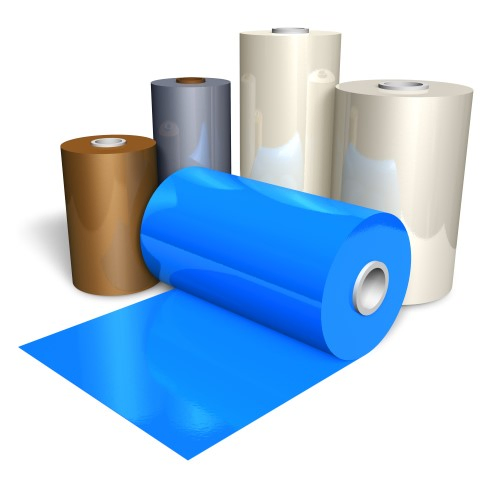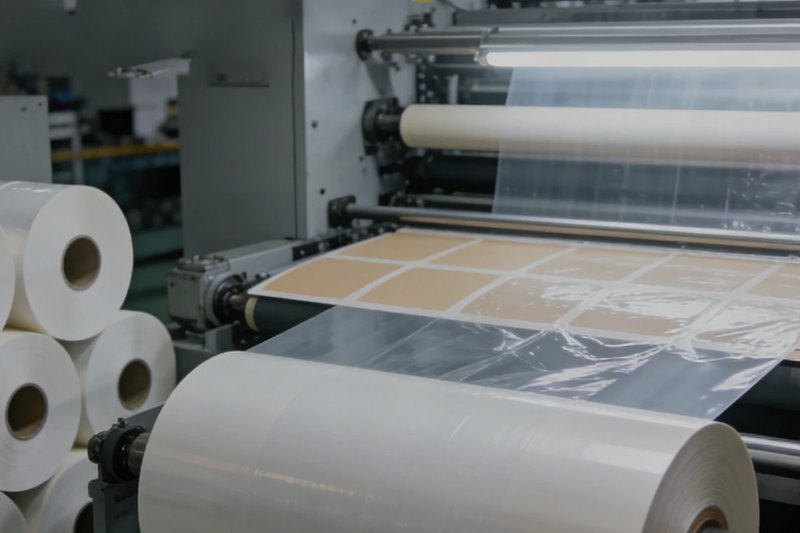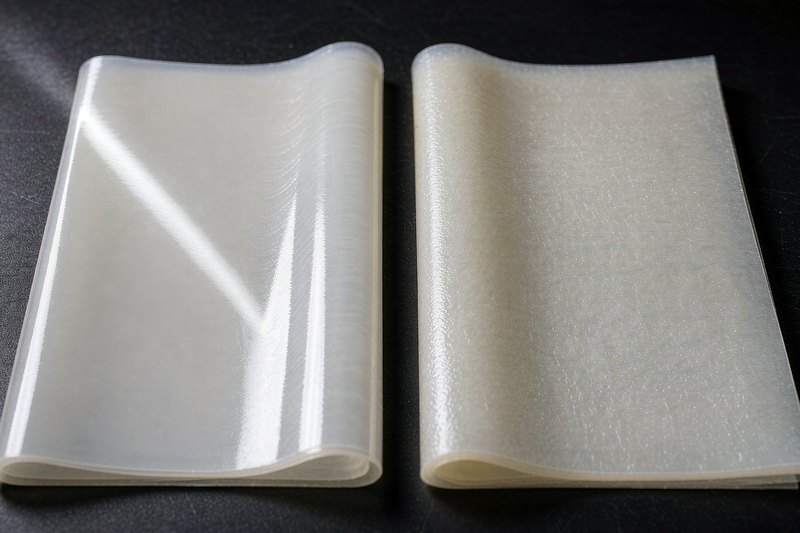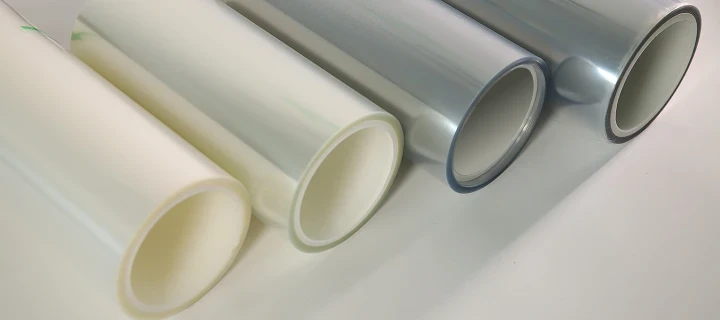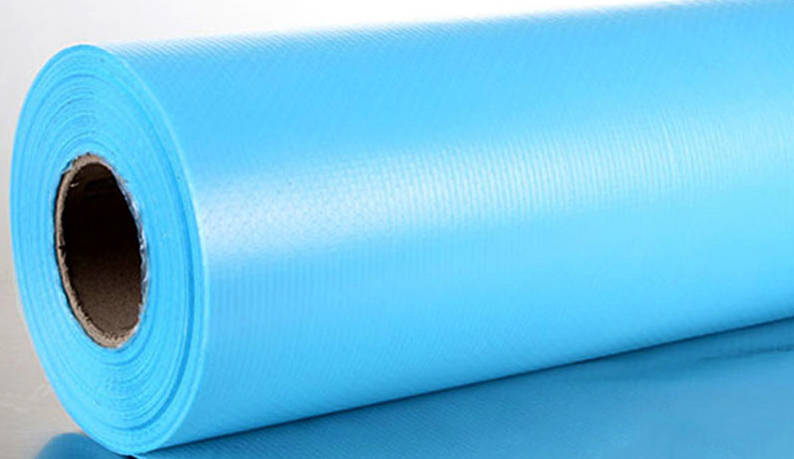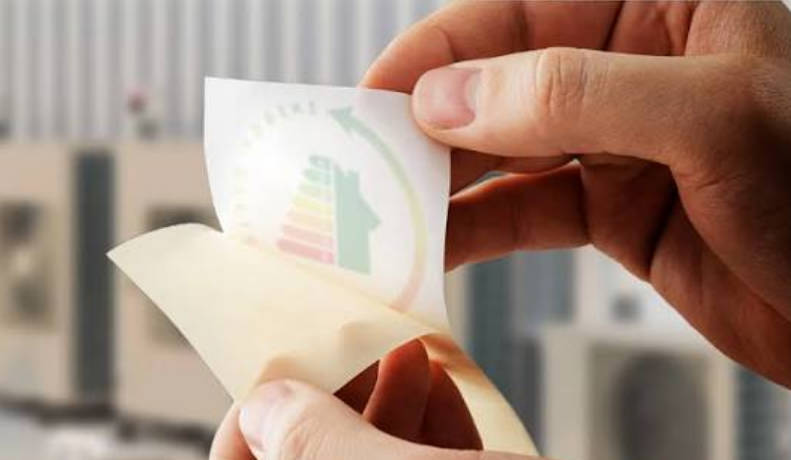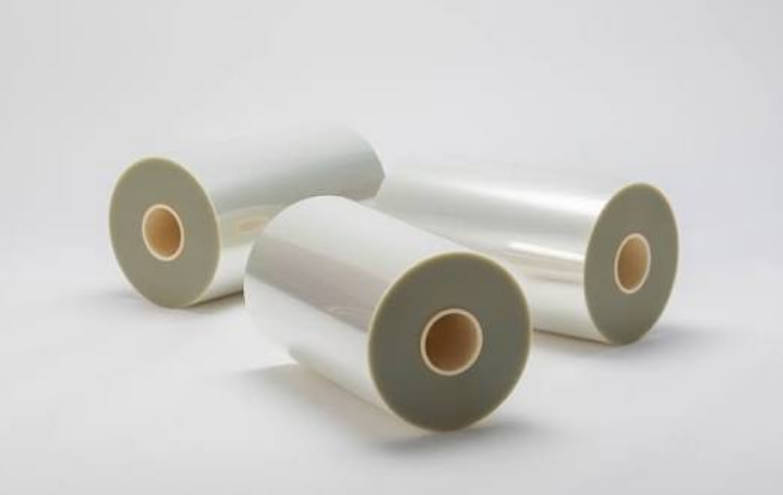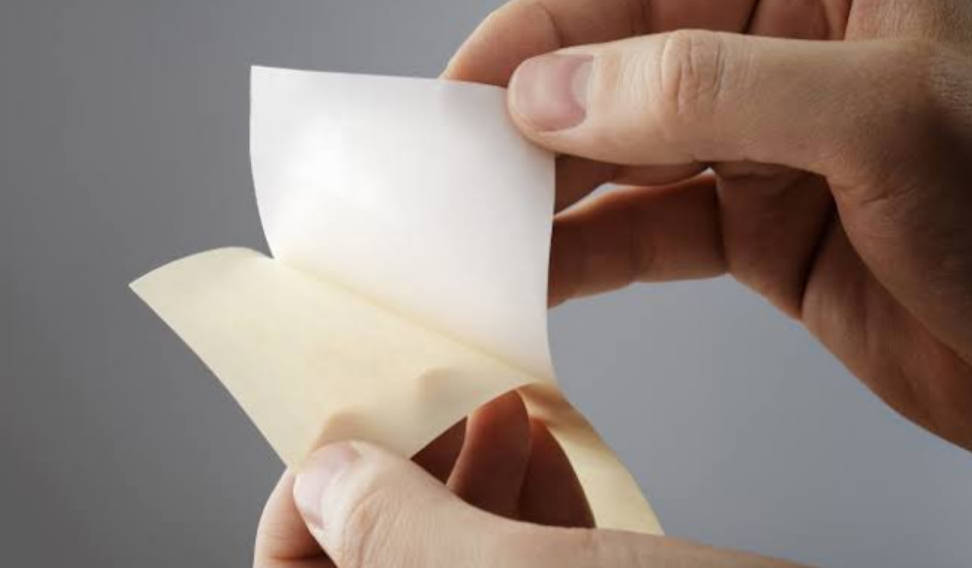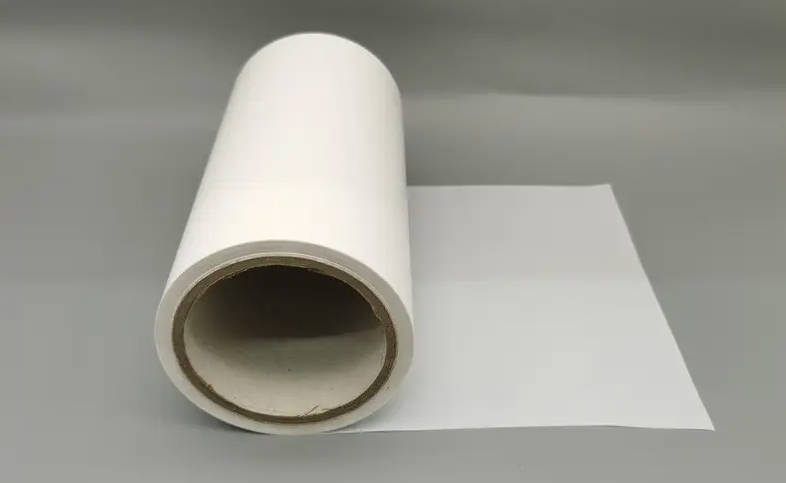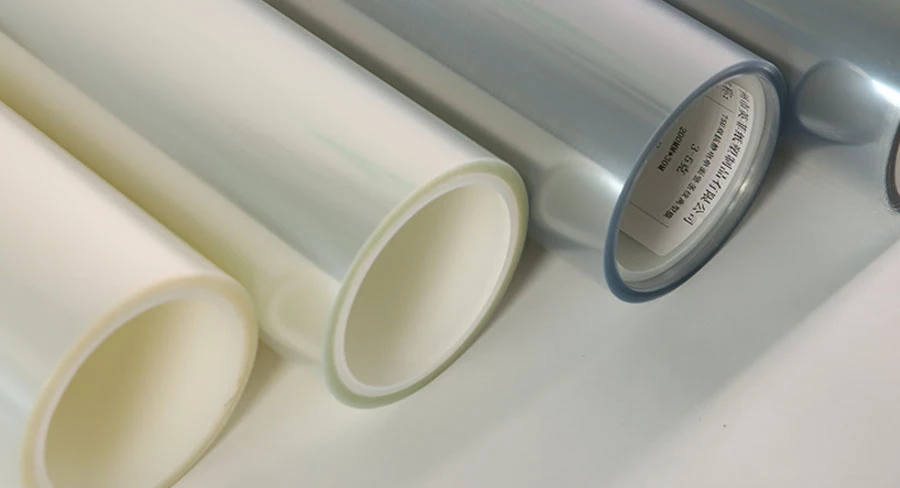
Release film for adhesive tape manufacturing is used to protect the adhesive layer, support coating and converting, control unwinding, and allow clean peeling during tape production or final application. The right release film can improve coating stability, slitting quality, die-cutting accuracy, roll handling, storage performance, and user experience.
In adhesive tape production, the release liner is not just a temporary backing material. It directly affects how the adhesive tape is coated, laminated, rewound, slit, die-cut, transported, stored, and applied. If the liner releases too easily, tape layers may shift, lift, or separate before use. If the liner releases too tightly, the tape may become difficult to unwind or peel, and the adhesive may deform or transfer.
Adhesive tapes include single-sided tapes, double-sided tapes, foam tapes, transfer tapes, protective tapes, medical tapes, masking-related tapes, electronics tapes, and industrial bonding tapes. Each product structure may require a different release film or release paper. For many high-precision or high-value tape applications, PET release film is commonly evaluated because it offers good dimensional stability, smoothness, tensile strength, and processing consistency.
This guide explains how to choose release film for adhesive tape manufacturing, including material options, release force, thickness, coating side, application types, converting requirements, and supplier selection.
What Is Release Film for Adhesive Tape?
Release film is a film-based liner coated with a release layer, commonly silicone or another release coating, to prevent adhesive from permanently bonding to the liner surface. In adhesive tape manufacturing, it protects the adhesive until the tape is applied or further converted.
A typical adhesive tape structure may include:
| Layer | Function |
| Tape backing or carrier | Provides strength, flexibility, thickness, or functional support |
| Adhesive layer | Provides bonding to the target surface |
| Release coating | Controls peeling between adhesive and liner |
| Release film or release paper | Protects the adhesive and supports production, storage, and application |
Depending on the tape type, the liner may be removed during use, during transfer, during die-cutting, or during final assembly. In double-sided tapes and transfer tapes, the liner may also control which adhesive side releases first.
The release liner must match the adhesive system, tape structure, converting method, storage condition, and final application.
That is why tape manufacturers should not choose release film only by material name or price. A suitable tape release liner must be specified according to real production needs.
Why Release Film Matters in Tape Production
Adhesive tape manufacturing involves coating, drying or curing, lamination, rewinding, aging, slitting, die-cutting, and packaging. The release film interacts with the adhesive across many of these steps.
| Manufacturing Stage | Release Film Requirement | Possible Issue If Mismatched |
| Adhesive coating | Smooth surface and coating compatibility | Uneven adhesive contact or coating defects |
| Drying or curing | Heat resistance and dimensional stability | Wrinkles, shrinkage, or release change |
| Lamination | Stable web tension and surface contact | Air bubbles, poor bonding, or liner shifting |
| Rewinding | Proper release level and roll stability | Blocking, telescoping, or premature separation |
| Slitting | Clean edge quality and liner strength | Edge burrs, adhesive contamination, web breaks |
| Die-cutting | Thickness consistency and dimensional control | Poor part accuracy or liner damage |
| Storage | Stable release after pressure and aging | Release force drift or adhesive transfer |
| Final application | Smooth peeling and user handling | Difficult peeling or early liner lifting |
A tape release film should keep the adhesive protected without making the tape difficult to process or apply.
This balance is especially important for high-tack tapes, foam tapes, electronics tapes, transfer tapes, and double-sided tapes.
Common Release Liner Options for Adhesive Tape
Adhesive tape manufacturers may use release film, release paper, or coated paper depending on the tape structure and performance target.
| Liner Type | Main Features | Typical Tape Applications |
| PET release film | High strength, good dimensional stability, smooth surface, better heat resistance | Electronics tape, precision die-cut tape, protective tape, double-sided tape |
| PE release film | Soft, flexible, good conformability | Flexible tapes, low-temperature processes, soft adhesive products |
| PP/BOPP release film | Balanced clarity, flexibility, and cost | General tape applications and packaging-related tapes |
| Glassine release paper | Smooth, dense, widely used | Labels, stickers, some adhesive tapes |
| CCK/SCK release paper | Good stiffness and cost balance | General tapes, industrial adhesive products |
| PE coated release paper | Better moisture resistance than ordinary paper | Tapes requiring paper feel plus barrier performance |
For standard tape products, release paper may be sufficient. For precision, high-cleanliness, transparent, or dimensionally stable applications, release film is often more suitable.
Release Film vs Release Paper for Adhesive Tape
Tape manufacturers often compare release film and release paper. Both can work, but they serve different production needs.
| Factor | Release Film | Release Paper |
| Dimensional stability | Better, especially PET film | Moderate; affected by humidity |
| Moisture resistance | Generally better | Depends on paper and coating |
| Surface cleanliness | Cleaner, no paper fiber dust | May generate paper dust |
| Transparency | Available | Usually opaque |
| Cost | Usually higher | Usually lower for standard applications |
| Stiffness | Depends on film type and thickness | Good paper-like stiffness |
| Die-cutting precision | Better for tight tolerance parts | Suitable for many standard products |
| Heat resistance | PET performs well in many processes | Depends on paper and coating |
| Common use | Electronics, precision, protective, high-value tapes | General tapes, labels, standard adhesive products |
Choose release film when the tape requires dimensional stability, cleanliness, transparency, heat resistance, or precision converting. Choose release paper when the tape is standard, cost-sensitive, and does not require high cleanliness or tight tolerance.
PET Release Film for Adhesive Tape Manufacturing
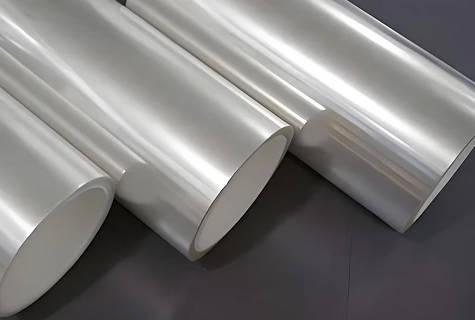
PET release film is one of the most common film liner choices for demanding adhesive tape applications. It is widely used because it provides good strength, thickness consistency, surface smoothness, and dimensional stability.
PET release liner is often suitable for:
- Double-sided tapes
- Foam tapes
- Electronics tapes
- Protective tapes
- Optical or display-related tapes
- Die-cut adhesive parts
- Transfer tapes
- Industrial bonding tapes
- High-temperature converting processes
Common advantages of PET release film include:
| Advantage | Why It Matters in Tape Manufacturing |
| Dimensional stability | Helps maintain tape width, die-cut accuracy, and roll flatness |
| Smooth surface | Supports consistent adhesive contact and release behavior |
| Tensile strength | Reduces web breaks under production tension |
| Heat resistance | Useful for drying, curing, or thermal processing |
| Transparency | Helps inspection in some tape applications |
| Clean surface | Reduces fiber contamination compared with paper liners |
PET release film is often preferred for adhesive tapes that require precision slitting, die-cutting, high-speed converting, or stable release performance.
However, PET is not always necessary. For general-purpose tapes, release paper or PP/PE release film may be more economical if performance requirements are moderate.
Release Force: The Most Critical Specification
Release force determines how easily the adhesive tape separates from the liner. It directly affects unwinding, slitting, die-cutting, storage, and final use.
| Release Force Level | Typical Tape Use | Risk If Incorrect |
| Easy release | Light adhesive tapes, simple manual peeling | Premature separation if too easy |
| Medium release | General adhesive tapes, protective tapes | Must be tested with actual adhesive |
| Tight release | High-tack tapes, stable roll storage | Difficult peeling if too tight |
| Differential release | Double-sided tapes and transfer tapes | Wrong transfer sequence if mismatched |
| Custom release | Medical, electronics, specialty tapes | Requires supplier testing and validation |
If release force is too high, the tape may be hard to unwind or peel. The adhesive may stretch, deform, or transfer to the liner. If release force is too low, the tape may lift from the liner during slitting, die-cutting, storage, or transport.
The correct release force should be tested with the actual adhesive, coating weight, roll pressure, aging condition, and peeling speed.
This is especially important for aggressive adhesives, thick adhesives, soft adhesives, and double-sided tape structures.
Single-Sided Tape, Double-Sided Tape, and Transfer Tape
Different tape structures require different release liner designs.
Single-Sided Adhesive Tape
Single-sided tape normally has adhesive on one side of the backing material. The release liner protects the adhesive side before use or before conversion.
Important liner requirements include:
- Stable release force
- Smooth unwinding
- Good slitting performance
- Proper thickness and stiffness
- Compatibility with adhesive type
- Stable performance after storage
For some single-sided tapes, release paper may be sufficient. For precision or clean applications, release film may be preferred.
Double-Sided Adhesive Tape
Double-sided tape has adhesive on both sides of a carrier such as film, tissue, foam, or nonwoven material. These tapes often require release liners that control which adhesive side releases first.
Important liner requirements include:
- Differential release
- Good roll stability
- Clean peeling
- Strong dimensional control
- Suitable liner thickness
- Stable aging performance
Differential release is often important because one side must stay attached while the other side is exposed during application or conversion.
Transfer Tape
Transfer tape is adhesive without a permanent carrier. Because the adhesive layer itself is the main product, liner control is critical.
Important requirements include:
- Tight control of release force
- Smooth liner surface
- Good thickness consistency
- Differential release design
- Stable adhesive transfer
- Low risk of adhesive deformation
For transfer tapes, a poorly selected liner can cause adhesive distortion, transfer failure, or liner confusion during application.
Foam Tape and High-Tack Tape Applications
Foam tapes and high-tack tapes often create additional release liner challenges. The adhesive may be thick, soft, aggressive, or pressure-sensitive to storage conditions.
Common issues include:
| Issue | Possible Cause |
| Difficult unwinding | Release force too high or roll pressure too high |
| Adhesive transfer | Release coating mismatch or aggressive adhesive |
| Liner lifting | Release force too low |
| Edge contamination | Poor slitting or adhesive squeeze-out |
| Roll blocking | Excessive pressure, heat, or wrong release coating |
| Die-cut deformation | Liner too soft or release force mismatch |
For these products, sample testing after aging is especially important.
Key Specifications to Confirm Before Ordering
When sourcing release film for adhesive tape, buyers should confirm several specifications.
| Specification | Why It Matters |
| Film substrate | PET, PE, PP, BOPP, or specialty film affects stability and cost |
| Thickness | Influences stiffness, handling, die-cutting, and roll size |
| Release force | Controls peeling and unwinding behavior |
| Coating side | One-side, double-side, or differential release |
| Adhesive compatibility | Prevents transfer, blocking, or release failure |
| Temperature resistance | Important for drying, curing, lamination, or storage |
| Roll width | Must match coating, slitting, or converting equipment |
| Roll length and diameter | Affects production efficiency and machine compatibility |
| Core size | Must fit production equipment |
| Surface cleanliness | Important for electronics, optical, and medical tapes |
| Edge quality | Affects slitting and web stability |
| Packaging | Protects liner from dust, moisture, and deformation |
A complete tape release liner specification should include both material requirements and production process conditions.
Release Film Selection by Tape Type
| Tape Type | Recommended Liner Direction | Reason |
| General-purpose adhesive tape | Release paper or PP release film | Cost and standard converting performance |
| Double-sided tape | Differential release film or release paper | Controlled peeling sequence |
| Foam tape | PET release film or coated release paper | Stability and thick adhesive support |
| Transfer tape | Differential release film | Adhesive transfer control |
| Protective tape | PET, PE, or PP release film | Depends on flexibility and surface quality |
| Electronics tape | PET release film | Dimensional stability and cleanliness |
| Medical tape | PET, PE, or specialty release liner | Cleanliness and controlled peeling |
| High-temperature tape | PET release film or specialty liner | Better thermal stability |
| Die-cut tape parts | PET release film | Precision and flatness |
| Packaging tape components | Paper or PP liner | Cost and general processability |
Common Problems in Tape Release Liner Selection
1. Tape Is Hard to Unwind
This may happen when release force is too high, roll pressure is excessive, adhesive has aged, or the release coating does not match the adhesive.
2. Liner Releases Too Easily
This may occur when release force is too low or the adhesive tack is not enough. It can cause tape lifting, poor roll stability, and adhesive contamination.
3. Adhesive Transfers to the Liner
Adhesive transfer may result from release coating incompatibility, high pressure, high temperature, aging, or aggressive adhesive chemistry.
4. Tape Edge Becomes Contaminated After Slitting
This may be caused by poor liner edge quality, adhesive squeeze-out, improper slitting conditions, or unsuitable liner stiffness.
5. Die-Cut Tape Parts Shift or Deform
This may happen when the liner is too soft, the release force is unstable, or dimensional stability is not sufficient.
How to Work With a Release Liner Supplier
A qualified supplier should understand tape structures, adhesive behavior, release force, converting requirements, and roll quality. When contacting a supplier, prepare the following information:
| Information to Provide | Why It Helps |
| Tape type | Single-sided, double-sided, foam, transfer, protective, medical, electronics |
| Adhesive type | Acrylic, rubber, hot melt, silicone, removable, or high-tack adhesive |
| Adhesive coating weight | Affects tack and release behavior |
| Liner material preference | PET film, PE film, PP film, release paper, or coated paper |
| Release force target | Easy, medium, tight, differential, or custom |
| Thickness requirement | Affects stiffness and converting |
| Process temperature | Determines thermal stability |
| Slitting or die-cutting method | Determines dimensional and edge requirements |
| Roll size | Width, length, core, roll diameter, winding direction |
| Storage condition | Temperature, humidity, pressure, aging time |
| End-use application | Helps determine performance priority |
Yingfei supplies release film materials and release liner options for adhesive tapes, labels, protective films, medical materials, electronics components, and industrial converting applications.
You can also visit Yingfei Liner to learn more about material structures and application-based release liner solutions.
Practical Buying Checklist
Before confirming a tape release liner order, check the following:
| Checklist Item | What to Confirm |
| Tape structure | Single-sided, double-sided, transfer, foam, or protective tape |
| Adhesive system | Acrylic, rubber, hot melt, silicone, or specialty adhesive |
| Liner substrate | PET, PE, PP, BOPP, release paper, or coated paper |
| Release coating | Silicone, non-silicone, fluorosilicone, or custom release |
| Release force | Easy, medium, tight, differential, or custom |
| Thickness | Nominal thickness and tolerance |
| Coating side | One-side, double-side, or differential |
| Temperature exposure | Coating, drying, lamination, curing, or storage |
| Converting process | Slitting, die-cutting, rewinding, laminating, sheeting |
| Roll specification | Width, length, core, diameter, winding direction |
| Cleanliness | Standard, clean, anti-static, or high-smoothness |
| Testing | Initial release, aged release, adhesive transfer, machine trial |
FAQ
1. What is release film used for in adhesive tape manufacturing?
Release film is used to protect the adhesive layer, support coating and converting, control unwinding, and allow clean peeling before tape application. It helps maintain adhesive cleanliness, roll stability, and converting efficiency.
2. What is the best release liner for adhesive tape?
There is no single best release liner for all adhesive tapes. PET release film is often used for precision, high-temperature, or clean applications. Release paper may be suitable for standard tapes. Double-sided tapes may require differential release liners.
3. Why is PET release liner used for adhesive tape?
PET release liner offers good dimensional stability, tensile strength, smoothness, and heat resistance. It is commonly used for double-sided tapes, electronics tapes, foam tapes, protective tapes, and die-cut adhesive components.
4. How do I choose release force for tape release film?
Release force should be selected based on adhesive type, tack level, tape structure, roll pressure, storage time, and application method. The release film should be tested with the actual adhesive under real production and aging conditions.
5. What is differential release liner for double-sided tape?
A differential release liner has different release forces on each side. It allows one side of the adhesive tape to release first while the other side remains attached until the next application or converting step.
6. Can release paper be used instead of release film for adhesive tape?
Yes, release paper can be used for many standard adhesive tapes. However, release film may be better when the tape requires higher dimensional stability, cleaner surface quality, transparency, moisture resistance, or precision die-cutting.
7. What causes adhesive transfer to the tape release liner?
Adhesive transfer can be caused by release coating mismatch, aggressive adhesive, high roll pressure, high temperature, long storage time, or unstable release force. Testing aged release performance can help identify the issue.
Conclusion
Release film plays an important role in adhesive tape manufacturing. It protects the adhesive, supports coating and converting, controls unwinding, and helps ensure clean peeling during use. The right release liner can reduce adhesive transfer, liner lifting, poor die-cutting, roll blocking, and customer complaints.
For precision tapes, electronics tapes, protective tapes, transfer tapes, foam tapes, and high-value adhesive products, PET release film is often a strong option because of its dimensional stability, smoothness, and processing consistency. For standard tape products, release paper or PP/PE release liners may also be suitable depending on cost and performance requirements.
The most reliable way to choose tape release film is to evaluate adhesive type, release force, thickness, coating side, substrate, temperature resistance, slitting quality, roll specifications, and real production testing. If you are sourcing release film for adhesive tape or comparing it with release paper, Yingfei can help recommend suitable liner structures based on your tape product and manufacturing process.