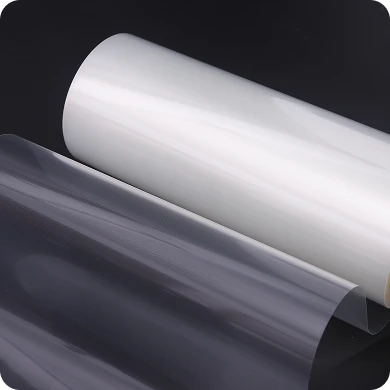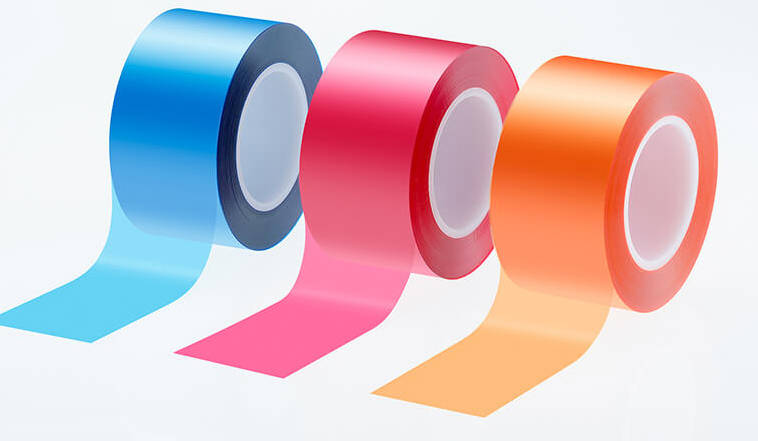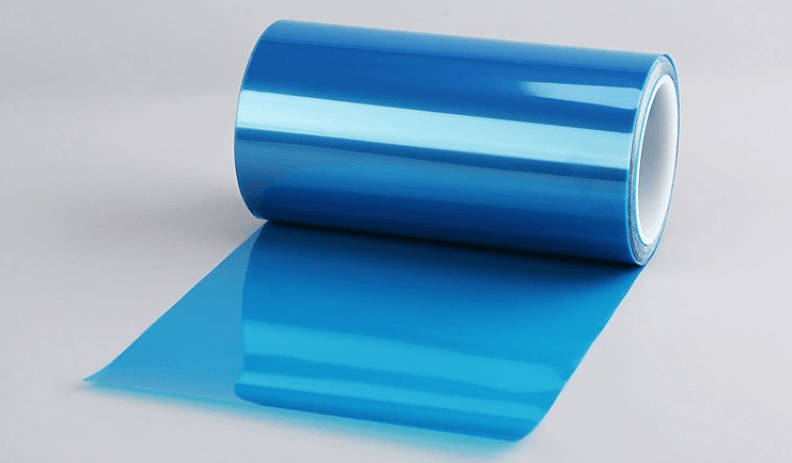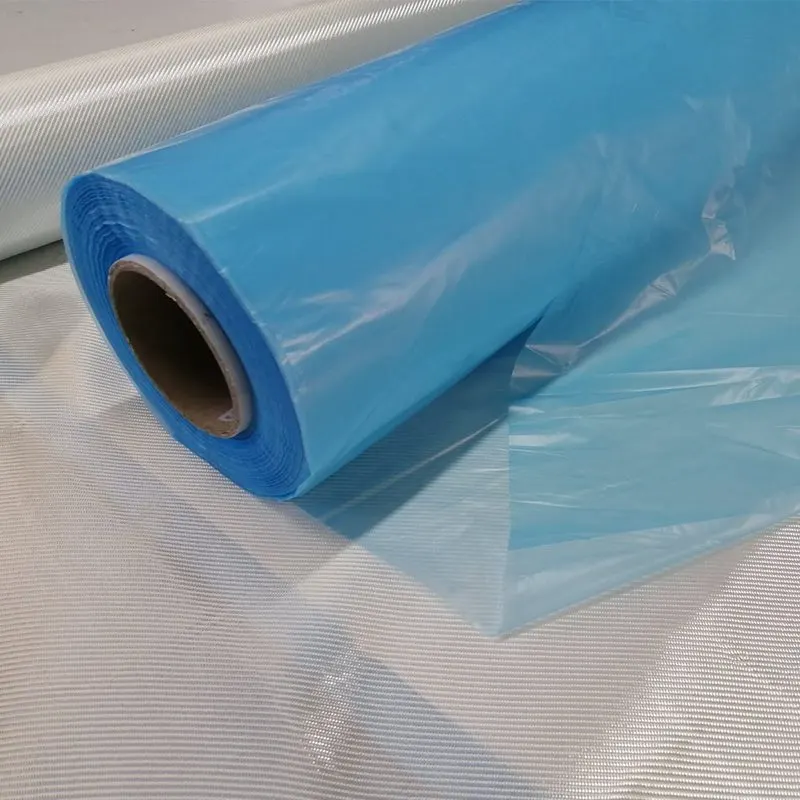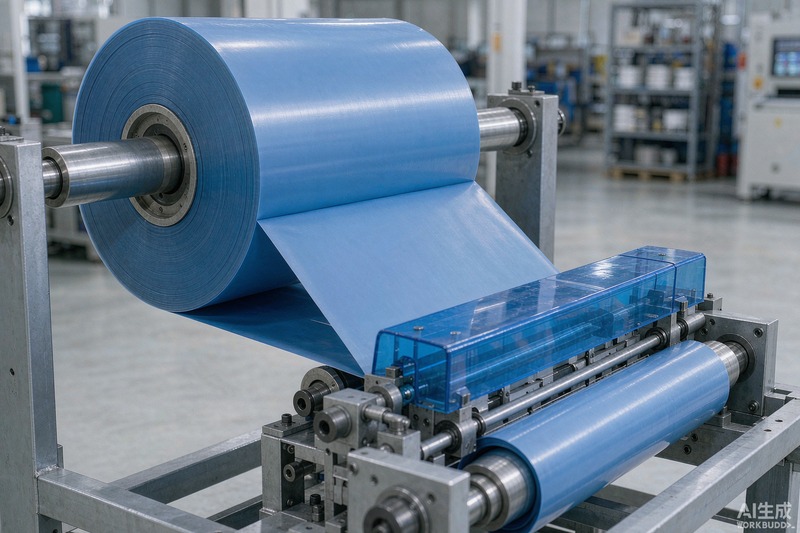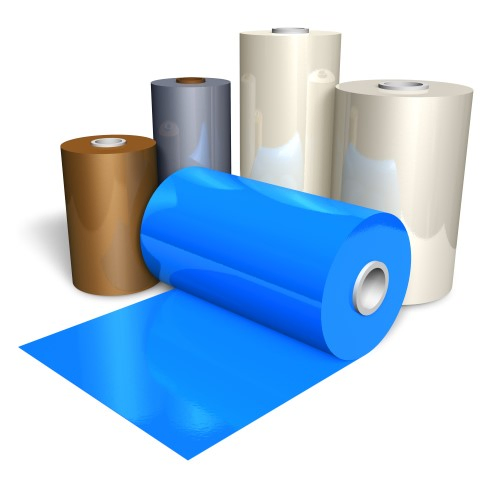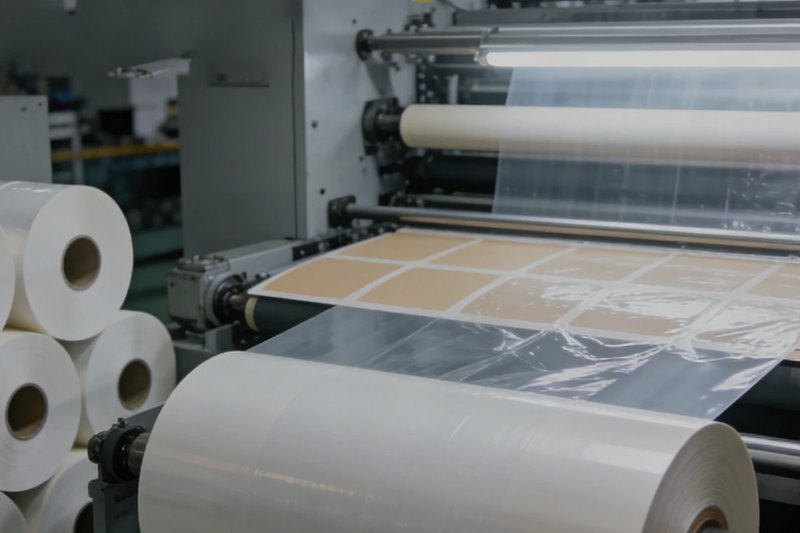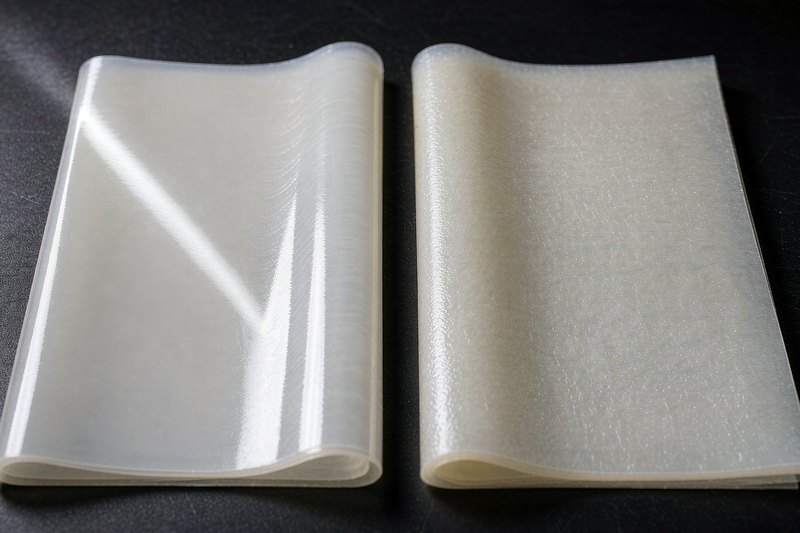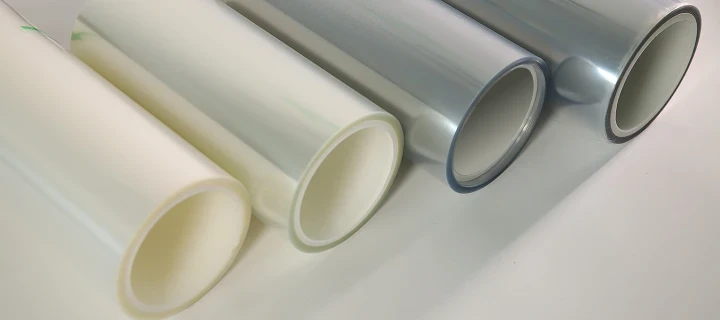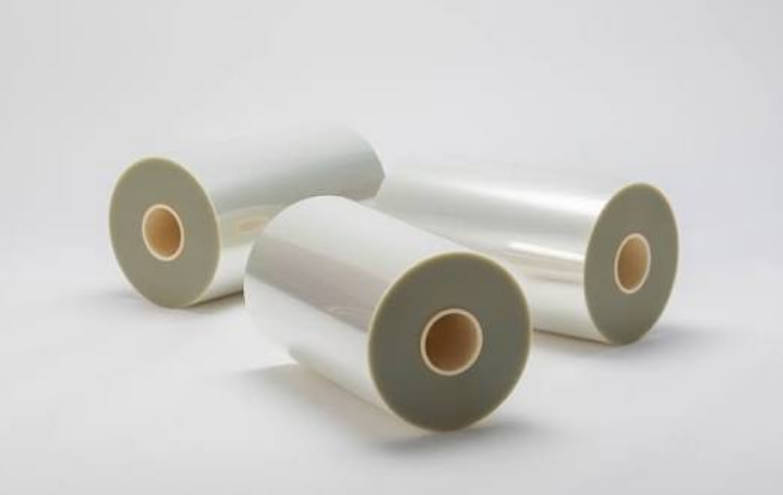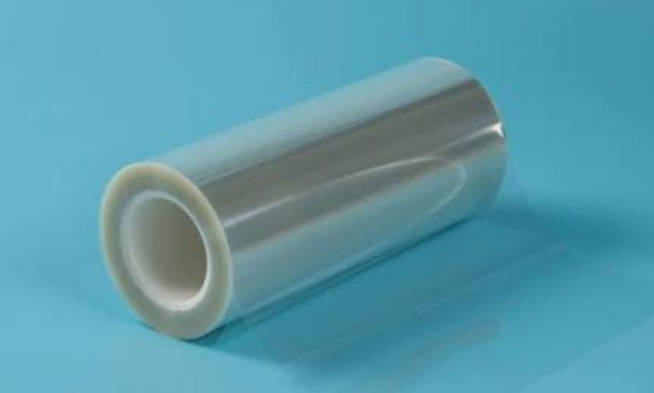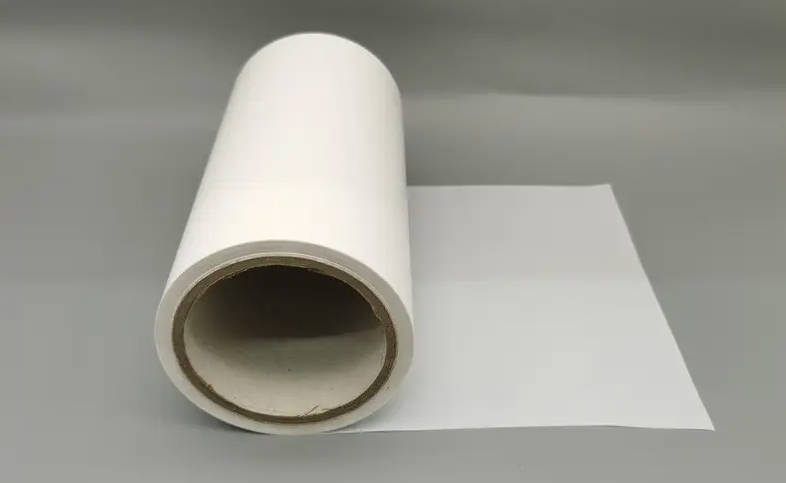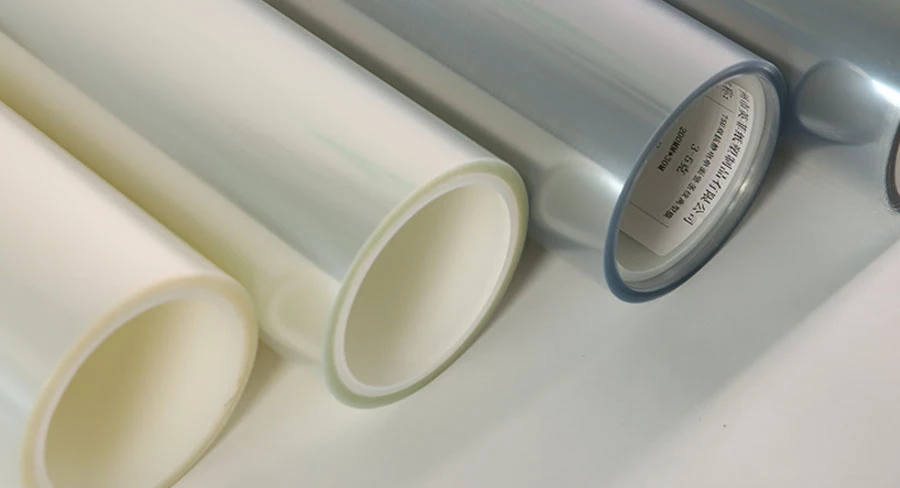
PET protective film is generally used for protecting transported products, protecting lenses and screens, material transfer, and waste disposal.
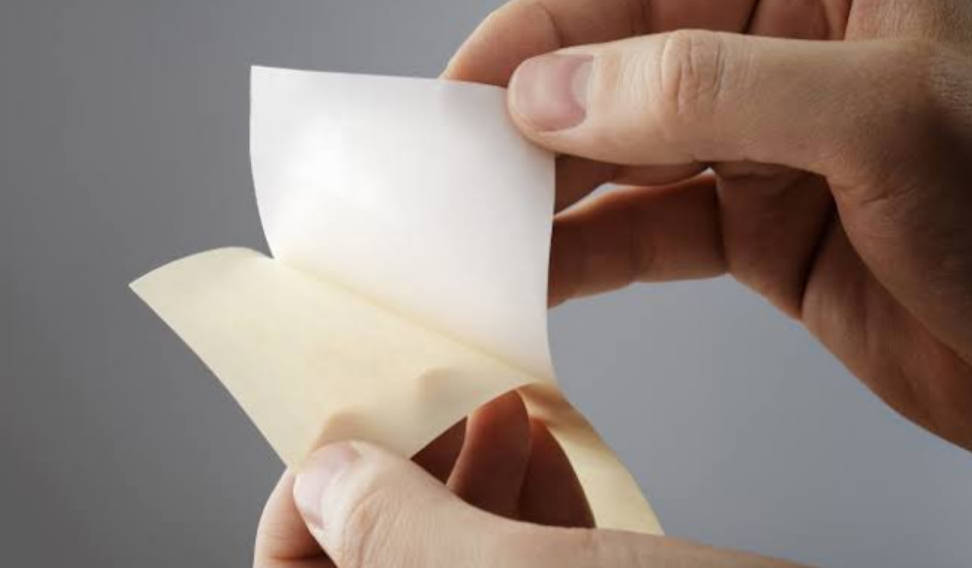
So what is PET release film used for? Those in the industry know that PET release film is generally used as a backing paper in adhesive products, automotive parts, electronic components, and die-cutting. Today, we will classify release films and explain their uses.
Silicone Release Film
The release film commonly referred to in the industry is also called silicone oil film. Silicone oil release film applications fall into two main categories: die-cutting industry applications and graphite industry applications. Silicone oil release films used in the graphite industry have uniform and stable release force and other characteristics. An antistatic layer can also be made according to customer requirements. It is mainly used for calendering bare graphite materials.
Fluoropolymer Release Film
Fluoropolymer release film is also known as fluoroplastic release film. This type of release film is made by coating the surface with fluorinated organosilicon and has high temperature resistance. It has excellent peel performance for silicone tapes. Fluorine release films are mainly used in high-temperature tapes and gold finger composite die-cutting processes.
Non-silicone release films
Non-silicone release films are mainly used for hot melt adhesives, HC transfer printing, micro-adhesives, and as release films for micro-adhesive protective films. Furthermore, due to their strong peel strength, they effectively prevent release film movement or detachment when processing very small parts.
Antistatic release films
In the information age, electromagnetic waves can interfere with unshielded sensitive electronic components, circuit boards, and communication equipment to varying degrees, causing data distortion and communication disruptions. Static electricity generated by electromagnetic induction and friction can also have destructive consequences for various sensitive components, instruments, and certain chemical products. For example, high-voltage discharge caused by static electricity accumulation in packaging films can have destructive consequences. Therefore, antistatic release films are also very important.