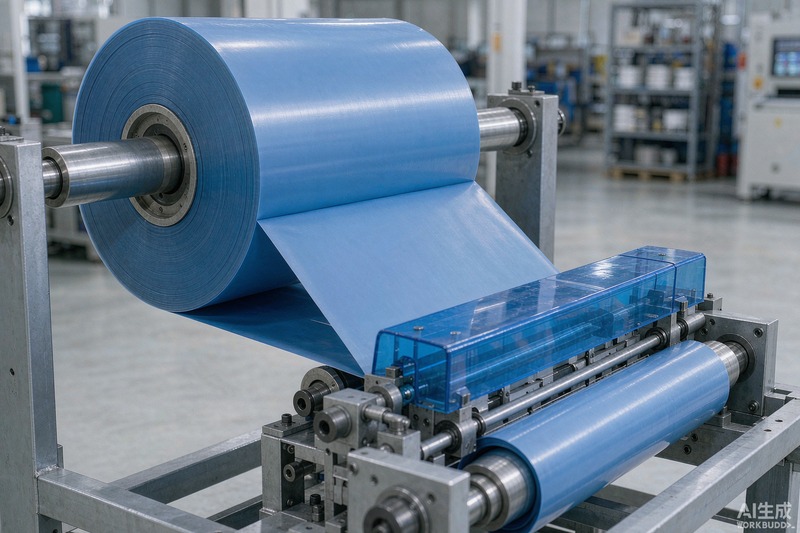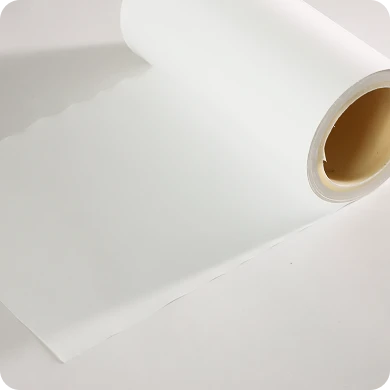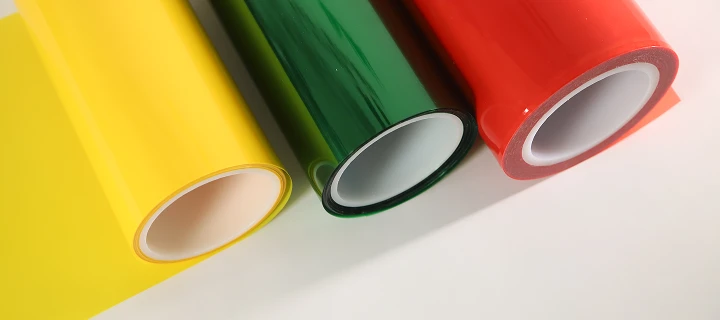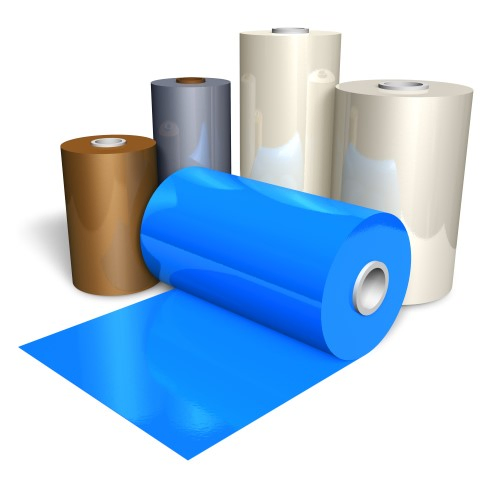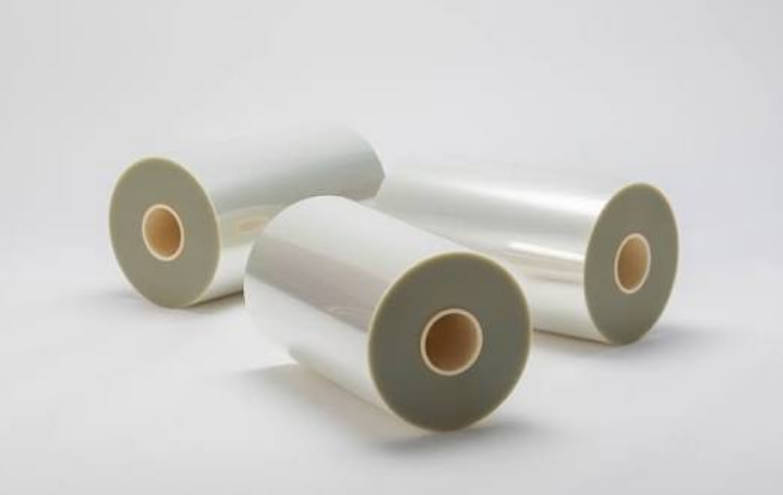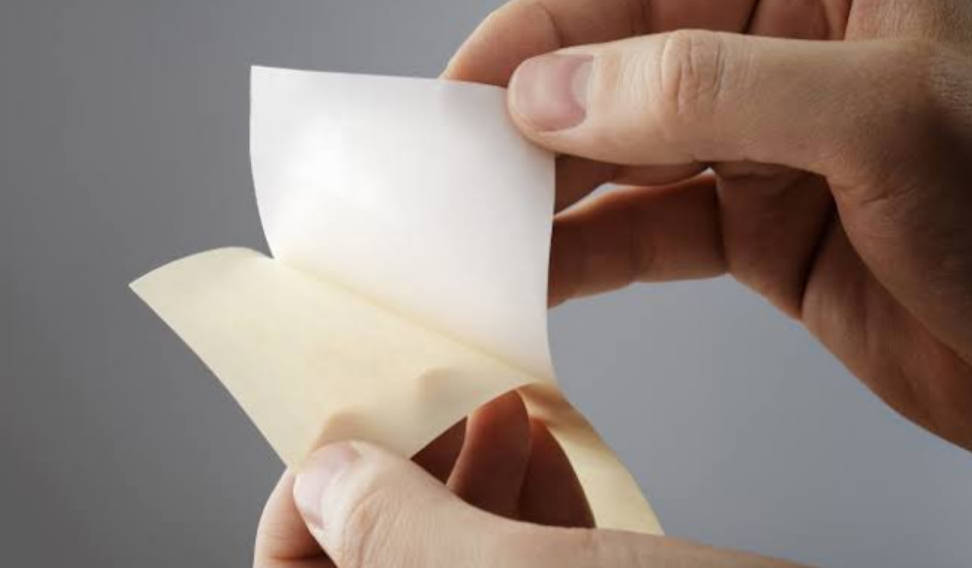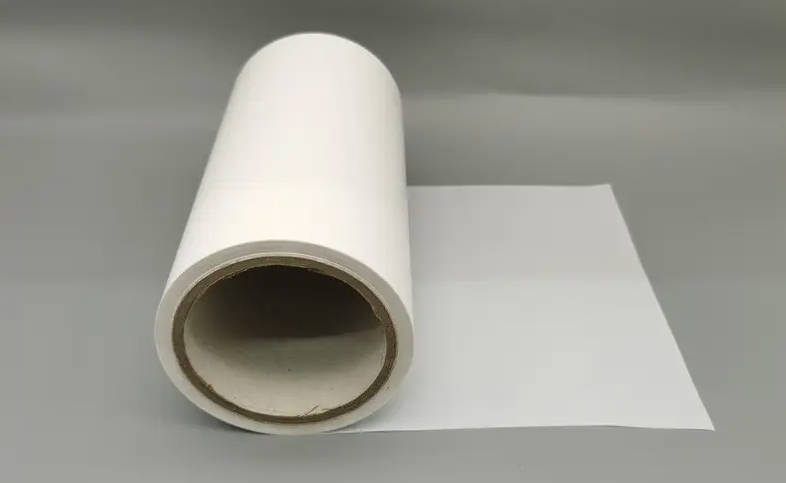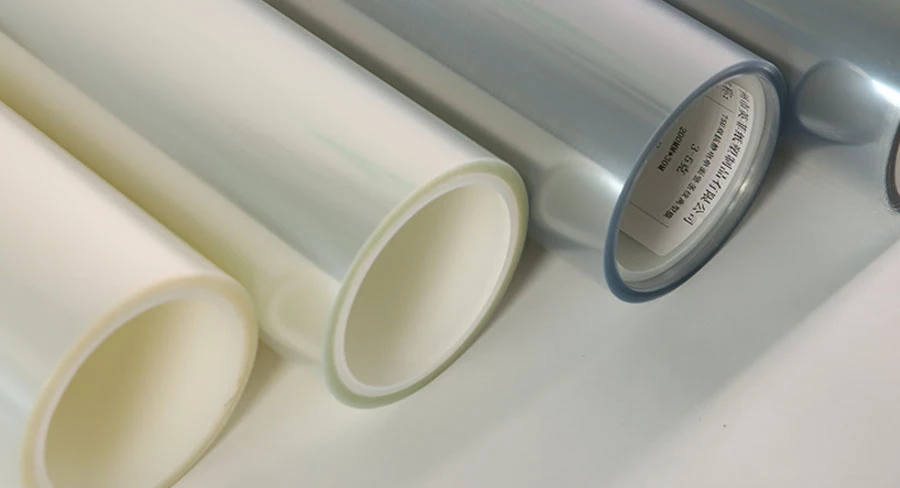
Choose one-side silicone release film when only one surface needs to contact and release an adhesive or sticky material. Choose two-side silicone release film when both surfaces may contact adhesive, resin, foam, rubber, or another tacky layer during production or use.
That sounds simple, but many release film purchasing mistakes happen because buyers decide only by product name.
A double-sided adhesive tape does not automatically require the same release force on both sides. A protective film may need silicone on only one side. A transfer adhesive may need both sides coated, but with different release levels. And a film that will later be printed or laminated on the backside may perform better with only one silicone-coated surface.
So the real question is not simply “one side or two sides?”
It is:
Which surfaces will contact sticky materials, in what sequence will they separate, and does the non-release side need another function?
This guide explains how to make that decision when choosing silicone release film for tapes, labels, protective films, die-cut components, transfer adhesives, foam materials, and industrial converting.
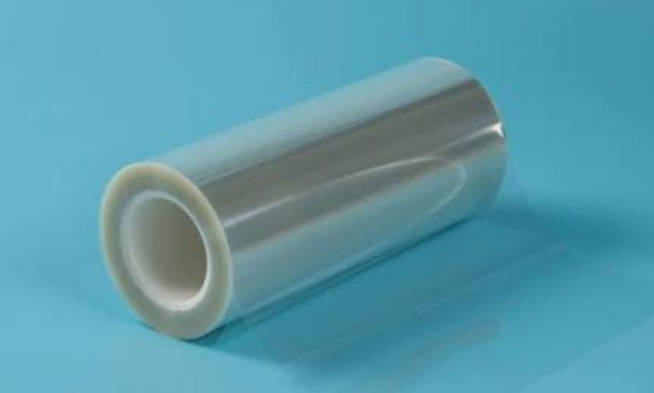
The 30-Second Selection Rule
Before comparing film thickness or release force, answer these three questions:
| Question | If Yes | If No |
|---|---|---|
| Will adhesive touch only one film surface? | One-side release is usually enough | Continue to Question 2 |
| Will both film surfaces contact sticky materials? | Consider two-side release | One-side release may still be sufficient |
| Must one side release before the other? | Consider differential release | Same-release two-side film may be suitable |
This simple decision process prevents a common purchasing mistake: specifying double-side silicone merely because the finished product itself has adhesive on two sides.
The liner structure should follow the actual contact and peeling sequence.
One-Side Silicone Release Film: What It Actually Means
One-side silicone release film has a release coating applied to one surface of the film substrate. The other side remains uncoated or may receive another treatment depending on the application.
A typical structure can be simplified as:
PET Film → Silicone Release Layer on Side A
Side A provides controlled release.
Side B may remain untreated or may be designed for handling, printing, lamination, corona treatment, anti-static performance, or another downstream process.
Where One-Side Release Film Makes Sense
One-side silicone release liner is commonly considered when:
- only one adhesive surface contacts the liner,
- the backside must not have release properties,
- the backside needs printing or lamination,
- the liner is removed only once,
- the material serves as a temporary carrier,
- or adding a second release coating provides no process benefit.
Typical application directions include:
- protective films,
- pressure-sensitive labels,
- single adhesive layers,
- adhesive coating processes,
- temporary process liners,
- die-cut adhesive components,
- certain tapes,
- and industrial laminates.
If only one side needs controlled release, coating both sides usually adds complexity without improving the functional release interface.
Advantages of One-Side Silicone Release Film
One-side coating can offer several practical advantages:
- Simpler product structure
Only the functional contact surface receives silicone. - Potentially lower material and processing cost
A second release coating is avoided when it provides no technical benefit. - More flexibility for backside treatment
The untreated side may be easier to print, laminate, coat, or modify. - Clearer process orientation
One functional surface is defined for adhesive contact. - Suitable for many conventional adhesive applications
Particularly where the liner protects only one tacky surface.
The main challenge is that winding direction becomes important.
If the release-coated side faces the wrong direction on the roll, the film may enter the production line incorrectly.
Two-Side Silicone Release Film: When Both Surfaces Need Release
Two-side silicone release film has release coating on both film surfaces.
A simplified structure is:
Silicone Layer → PET Film → Silicone Layer
Both sides can therefore contact adhesive or another sticky material and later separate from it.
This structure is useful when the liner must function as a release surface on both faces during manufacturing, winding, interleaving, transfer, or final application.
Common Reasons to Use Two-Side Release Film
Two-side coating may be suitable when:
- both surfaces can contact adhesive,
- the liner separates two tacky layers,
- the material is used for interleaving,
- the product is wound in a structure where both sides encounter adhesive,
- transfer adhesive must release through a controlled sequence,
- or both surfaces must provide low adhesion.
Applications may include:
- double-sided tapes,
- transfer tapes,
- foam tapes,
- adhesive transfer products,
- interleaving films,
- rubber or resin processing,
- and multi-layer converting.
However, there is an important distinction.
Two-side silicone coating does not automatically mean both sides should have the same release force.
That leads to the third option buyers often overlook: differential release.
The Important Third Option: Differential Release Film
For many double-sided adhesive products, the real choice is not simply one-side versus two-side coating.
It is:
one-side release vs equal two-side release vs differential two-side release.
Differential release film has release coating on both surfaces, but Side A and Side B are designed with different release levels.
For example:
- Side A: easier release
- Side B: tighter release
The exact release values depend on the adhesive system and process.
Why Differential Release Matters
Imagine a transfer tape or double-sided tape.
During application, one liner surface needs to release first. The adhesive must remain controlled on the other side until the next processing step.
If both sides release identically, the sequence may become unstable.
Possible problems include:
- adhesive transferring to the wrong side,
- premature liner separation,
- difficulty removing the intended first liner,
- product shifting,
- die-cut components lifting,
- and unstable automated assembly.
Differential release is used when the order of peeling matters, not simply because adhesive exists on two sides.
One-Side vs Two-Side Silicone Release Film at a Glance
| Factor | One-Side Silicone Film | Two-Side Silicone Film |
|---|---|---|
| Silicone coating | One surface | Both surfaces |
| Adhesive contact | Mainly one surface | Both surfaces possible |
| Backside release | No | Yes |
| Backside printing/lamination | Often easier to accommodate | May require special treatment |
| Winding direction importance | High | Still important |
| Structure complexity | Lower | Higher |
| Typical use | Labels, protective films, single adhesive layers | Double-sided tape, transfer tape, interleaving |
| Differential release option | Not applicable | Available where needed |
| Cost direction | Generally simpler | Usually more processing involved |
| Main selection question | Does only one side need release? | Do both sides need independent release behavior? |
Decision Scenario 1: Protective Film
Protective film usually has an adhesive layer that needs protection until application.
If the release film contacts adhesive only on one surface, a one-side silicone release film is often sufficient.
The buyer should focus on:
- release force,
- film thickness,
- surface smoothness,
- cleanliness,
- adhesive compatibility,
- roll width,
- winding direction,
- and storage stability.
There is normally little reason to coat the backside with silicone unless the production structure creates a second sticky contact or the converting process specifically requires it.
For this application, PET release film may also be evaluated when dimensional stability, smoothness, or precision converting is important.
Decision Scenario 2: Pressure-Sensitive Labels
For many label structures, the adhesive face contacts one release surface.
This again generally points toward one functional release side.
But buyers should also consider whether the backside of the liner needs:
- printing,
- identification marks,
- variable information,
- secondary coating,
- or other converting.
If so, adding unnecessary silicone to the backside may make later surface treatment more difficult.
The critical specifications usually include:
- release force,
- die-cutting support,
- liner thickness,
- matrix stripping behavior,
- dispensing performance,
- and roll quality.
Decision Scenario 3: Double-Sided Tape
Double-sided tape is where selection becomes more complicated.
A double-sided tape has adhesive on both sides of a carrier such as:
- PET film,
- tissue,
- foam,
- nonwoven material,
- or another substrate.
But the correct liner structure depends on how the tape is manufactured and supplied.
Possible configurations include:
- One release liner protecting one exposed adhesive side.
- Two separate release liners.
- A double-side release liner interacting with both adhesive surfaces during winding.
- Differential release film controlling the peeling sequence.
So “double-sided tape” is not enough information for a supplier.
The buyer should describe:
- tape carrier,
- adhesive on both sides,
- manufacturing sequence,
- final roll structure,
- which side is removed first,
- and whether the liner remains in the finished product.
For double-sided tape, release sequence is often more important than simply specifying “double-side silicone.”
Decision Scenario 4: Transfer Adhesive
Transfer adhesive contains adhesive without a permanent carrier layer.
That makes release control especially important because the liner helps support and transfer the adhesive itself.
A differential two-side release system may be appropriate when:
- the adhesive must remain on one side during processing,
- the opposite side needs to release first,
- or the liner is used to control adhesive transfer during application.
Important factors include:
- adhesive cohesive strength,
- release-force difference between Side A and Side B,
- adhesive thickness,
- temperature,
- storage pressure,
- die-cutting,
- and final transfer sequence.
A hand peel test alone may not be sufficient. The material should be tested under the real transfer process.
Decision Scenario 5: Foam Tape and Thick Adhesive Structures
Foam tapes often use thicker adhesive layers and may experience higher roll pressure.
This changes the adhesive-to-liner interaction.
A two-side or differential release system may be useful depending on the tape construction, but the liner must also have enough mechanical support.
Buyers should evaluate:
- film thickness,
- liner stiffness,
- release-force aging,
- roll pressure,
- adhesive squeeze-out,
- slitting,
- and storage stability.
A liner that works when freshly laminated may become much tighter after storage because the adhesive continues to wet the release surface under pressure.
The Backside Question Buyers Often Forget
One of the easiest ways to choose between one-side and two-side release film is to ask:
What must happen to the backside?
If the backside needs to be:
- printed,
- corona treated,
- laminated,
- coated,
- bonded,
- marked,
- or used as a functional surface,
then applying silicone to that side may not be desirable.
Silicone creates a low-surface-energy surface. That is useful for release, but it can make subsequent printing, coating, or bonding more difficult unless the surface has been specifically designed for that process.
This is one reason one-side silicone release film can be preferable even when two-side coating is technically possible.
Release Force Still Matters More Than the Number of Coated Sides
One-side versus two-side coating tells you where the release function exists.
Release force tells you how strongly the adhesive interacts with that surface.
These are separate specifications.
| Specification | What It Controls |
|---|---|
| Coated side | Which surface provides release |
| Release force | How easily the adhesive peels |
| Differential release | Which side releases first |
| Film thickness | Mechanical support and handling |
| Film substrate | Strength, heat resistance and dimensional behavior |
| Surface treatment | Printing, lamination or functional performance |
A buyer may correctly order double-side release film but still receive unsuitable material if both sides have the wrong release force.
Similarly, a one-side release film may work perfectly if the release level is correctly matched to the adhesive.
What Happens If You Choose the Wrong Coating Structure?
Using One-Side Film When Both Sides Need Release
Possible problems include:
- adhesive sticking permanently to the untreated side,
- roll blocking,
- difficult unwinding,
- adhesive contamination,
- transfer failure,
- and damaged product surfaces.
Using Two-Side Film When Only One Side Needs Release
The material may still function, but possible disadvantages include:
- unnecessary processing cost,
- loss of backside printability or bondability,
- greater specification complexity,
- potential confusion over surface orientation,
- and no practical improvement in the main release interface.
Using Equal Two-Side Release When Differential Release Is Needed
This can cause:
- incorrect peeling sequence,
- adhesive transfer to the wrong surface,
- product lifting,
- unstable die-cutting,
- and application difficulties.
A Better Way to Specify Silicone Release Film
Instead of sending a supplier only:
“Need double side silicone PET film.”
Send information such as:
| Specification | Information to Provide |
|---|---|
| Application | Double-sided tape, protective film, label, transfer adhesive, etc. |
| Adhesive type | Acrylic, rubber, hot melt, silicone, or other |
| Film substrate | PET or other required material |
| Thickness | Required nominal thickness |
| Silicone coating | One side / two sides |
| Side A release | Easy, medium, tight, or target value |
| Side B release | If applicable |
| Differential requirement | Which side should release first |
| Roll width | Finished width and tolerance |
| Roll length | Required length |
| Core | Required core size |
| Winding direction | Release side inward/outward |
| Temperature | Processing and storage conditions |
| Converting | Slitting, coating, laminating, die-cutting, rewinding |
| Backside requirement | Printing, lamination, coating, or none |
This allows a silicone release film supplier to evaluate the release structure based on the actual application rather than guessing from the product name.
Three Questions to Ask Before You Place an Order
1. Will Both Sides Actually Contact Adhesive?
If not, one-side coating may be enough.
2. Does the Backside Need Another Function?
If it must be printed, bonded, coated, or laminated, do not automatically add silicone.
3. If Both Sides Release, Which Side Must Release First?
If the sequence matters, specify differential release.
These three questions usually determine the coating-side structure before thickness, width, and roll dimensions are finalized.
Common Purchasing Mistakes
Mistake 1: Assuming Double-Sided Tape Always Requires Equal Double-Side Release
Double-sided tape structures vary. Differential release may be more important than equal coating.
Mistake 2: Ignoring the Backside Process
A silicone-coated backside may interfere with printing, coating, or bonding.
Mistake 3: Ordering “Double-Side Silicone” Without Side A / Side B Requirements
If the release forces differ, both sides must be clearly identified.
Mistake 4: Forgetting Winding Direction
One-side film can enter the machine incorrectly if the release surface faces the wrong direction.
Mistake 5: Choosing by Release Force Alone
Film thickness, adhesive chemistry, temperature, roll pressure, and converting process also affect performance.
Mistake 6: Testing Only Immediately After Lamination
Release behavior can change after storage, heat, or pressure. Aged testing is important for tapes and other roll products.
How to Compare Samples Before Bulk Purchasing
When comparing one-side and two-side silicone release films, do not evaluate only whether they peel.
Check:
- Initial release behavior
- Aged release
- Side A and Side B separately
- Adhesive residue
- Adhesive transfer
- Silicone transfer where relevant
- Die-cutting behavior
- Roll unwinding
- Heat exposure
- Final bonding performance
- Backside printability or lamination if required
- Winding-direction compatibility
For differential release film, the peeling sequence should remain stable after realistic storage.
FAQ
1. What is one-side silicone release film?
One-side silicone release film has a release coating on only one surface of the film. It is suitable when adhesive or another sticky material contacts only one side of the liner.
2. What is double-sided silicone release film?
Double-sided silicone release film has release coating on both film surfaces. It is used when both sides may contact adhesive, resin, rubber, foam, or other tacky materials.
3. When should I choose one-side vs two-side silicone release film?
Choose one-side film when only one surface needs release. Choose two-side film when both surfaces need controlled separation. If the two surfaces must release in a specific sequence, differential release may be required.
4. Does double-sided tape require double-side silicone release film?
Not always. The correct liner depends on the tape structure, manufacturing process, winding method, and peeling sequence. Some double-sided tapes use differential release or separate liners instead.
5. What is differential silicone release film?
Differential release film has release coatings on both sides with different release forces. It is designed so that one side releases before the other during converting or application.
6. Can the non-silicone side of one-side release film be printed?
It may be possible depending on the film substrate and surface treatment. If printing is required, tell the supplier before ordering so the backside can be evaluated for printability.
7. Is two-side silicone release film more expensive than one-side film?
Two-side coating generally involves additional coating and processing, so cost may be higher. The actual price depends on substrate, thickness, coating system, release force, width, quantity, and converting requirements.
8. How do I specify the two sides of differential release film?
Identify them clearly as Side A and Side B, specify the required release behavior for each side, state which side should release first, and confirm winding orientation on the finished roll.
Conclusion
Choosing between one-side and two-side silicone release film should begin with the product structure rather than the film specification.
If adhesive contacts only one surface, one-side silicone release film is often sufficient. If both surfaces must contact and separate from sticky materials, two-side release film may be required. When the order of peeling matters, differential release becomes an important third option.
The decision should also consider backside printing or lamination, adhesive chemistry, release force, thickness, storage conditions, temperature, winding direction, and converting method.
For buyers comparing one-side and double-side silicone release film, providing a clear description of adhesive contact, peeling sequence, Side A / Side B requirements, roll dimensions, and downstream processes allows a more suitable release structure to be evaluated.
More information about release liner materials and application options is available through Yingfei.