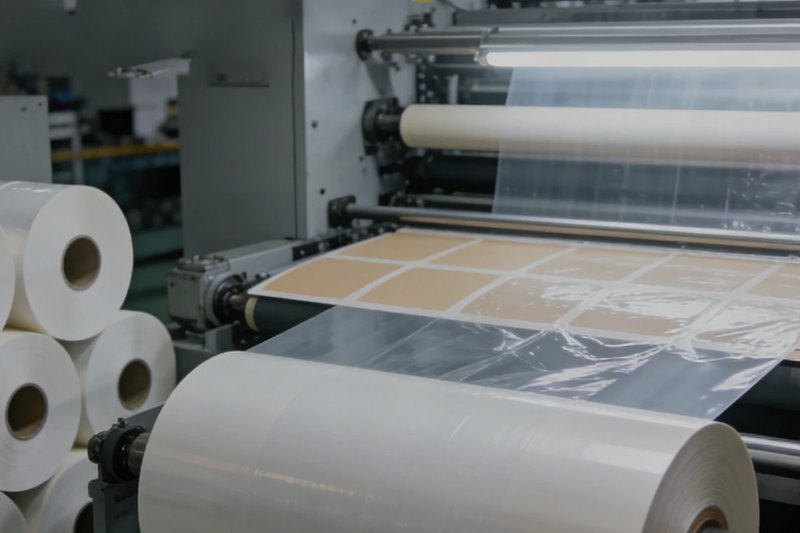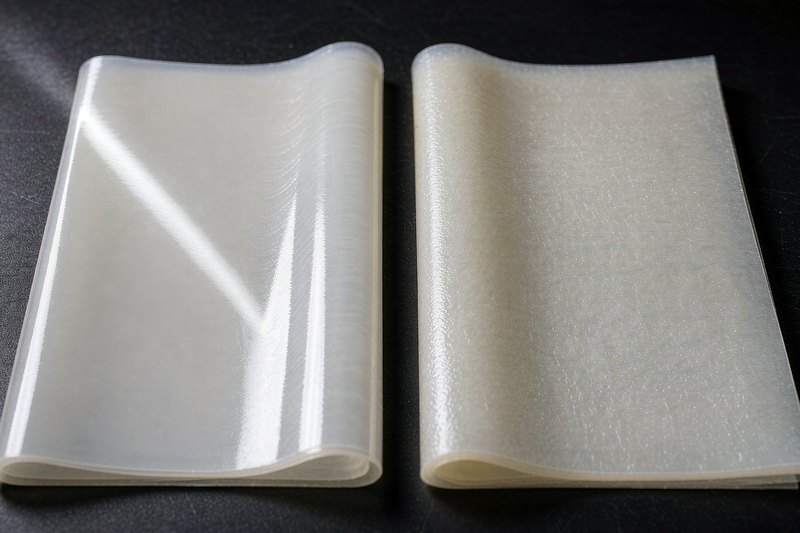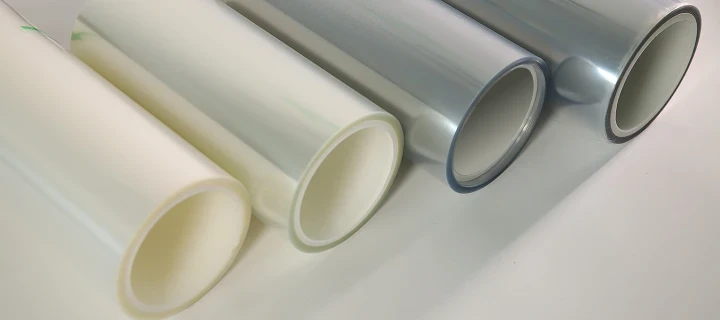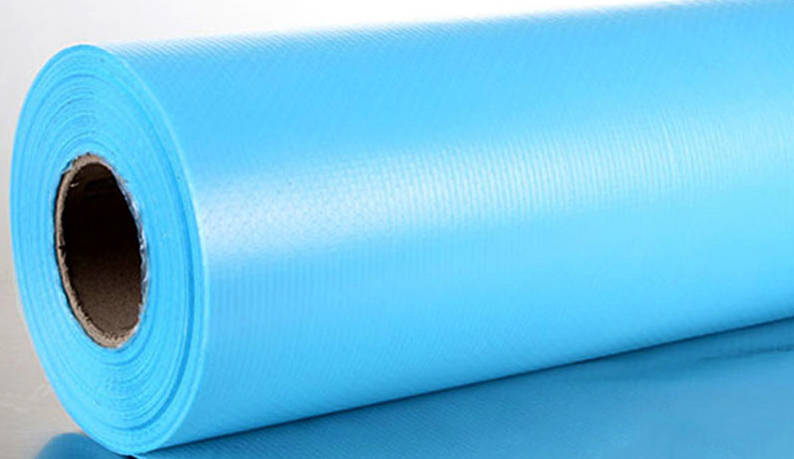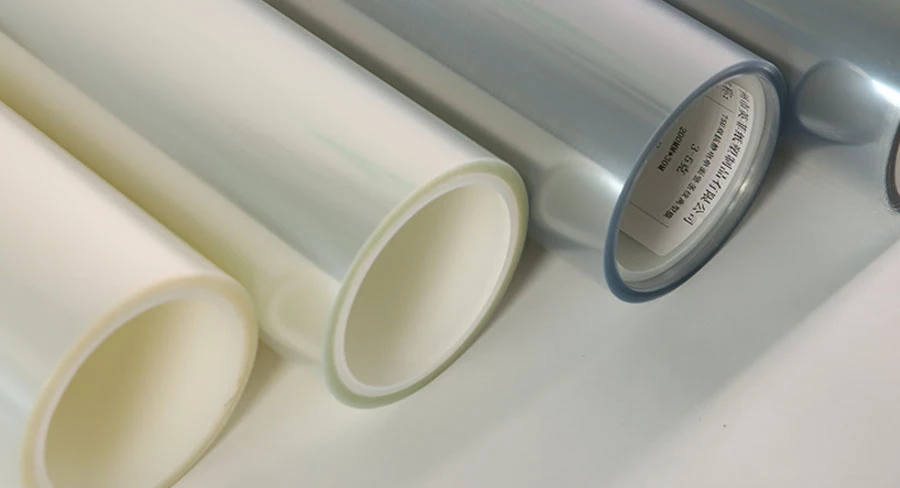
Choosing the right release liner is an important decision in double-sided tape manufacturing. The liner protects adhesive surfaces, controls release performance, supports converting processes, and affects the final application experience.
For double-sided tape production, release film is usually preferred when manufacturers need higher dimensional stability, smoother surfaces, cleaner processing, or better performance in precision applications. Release paper can be suitable for applications where cost efficiency and basic release protection are the main requirements.
However, the correct choice depends on more than simply selecting film or paper.
Factors such as adhesive type, coating process, storage conditions, converting method, thickness requirement, and final application should all be considered before purchasing a release liner.
This guide explains how to select the right release film or release paper for double-sided tape applications.
Why Release Liner Selection Matters in Double-Sided Tape Manufacturing
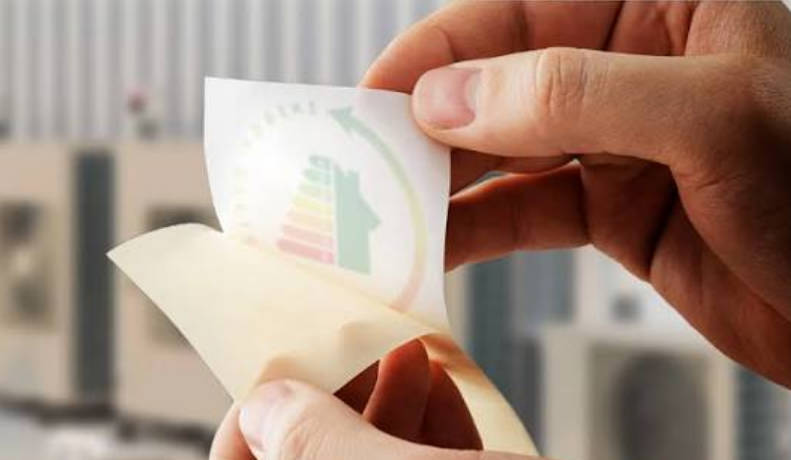
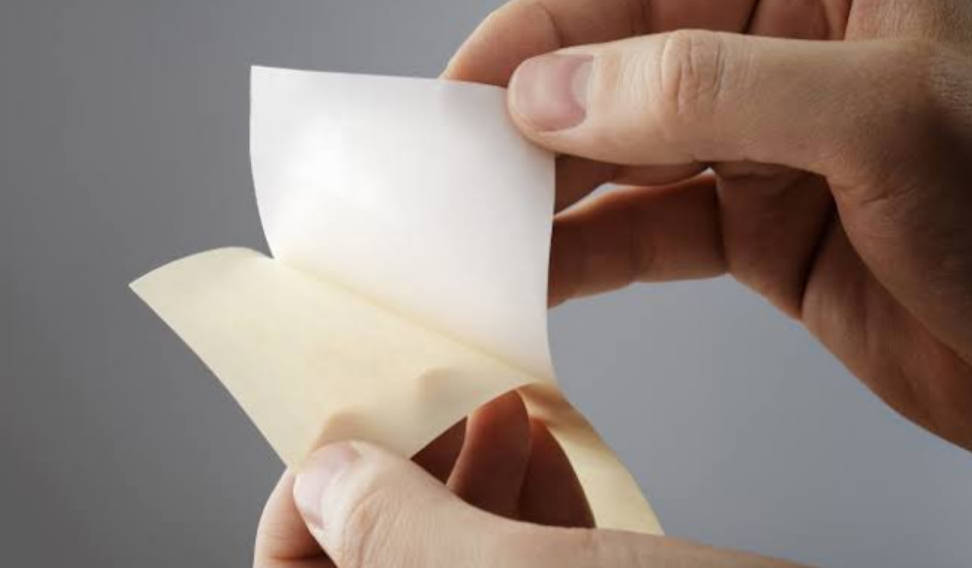
A release liner is a temporary carrier that protects adhesive before application.
In double-sided tape manufacturing, the liner performs several important functions:
- protects adhesive from contamination;
- maintains product stability during storage;
- supports coating and converting processes;
- controls peeling behavior;
- helps users remove the liner smoothly before application.
A poorly selected liner can create problems such as:
- adhesive transfer;
- difficult peeling;
- uneven release;
- liner deformation;
- wrinkles during converting;
- production interruptions.
The release liner does not simply protect adhesive; it directly influences manufacturing efficiency, product quality, and user experience.
Understanding Release Liner Structures for Double-Sided Tape
Before comparing film and paper, it is important to understand the basic structure.
A typical release liner consists of:
| Layer | Function |
| Base substrate | Provides mechanical support |
| Silicone release coating | Controls separation from adhesive |
| Surface treatment | Improves processing or compatibility |
The substrate is usually selected from two major categories:
- Film-based liners
- Paper-based liners
The silicone coating determines how easily the adhesive separates from the liner.
The substrate determines:
- strength;
- flexibility;
- dimensional stability;
- surface smoothness;
- processing performance.
Release Film vs Release Paper: Core Differences
The biggest difference between release film and release paper is the base material.
Release Film
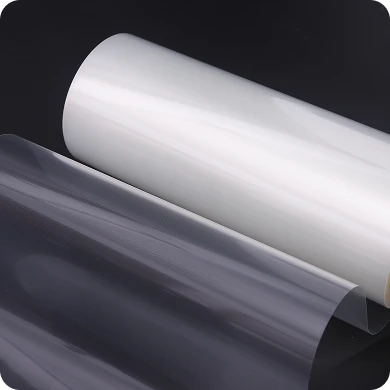
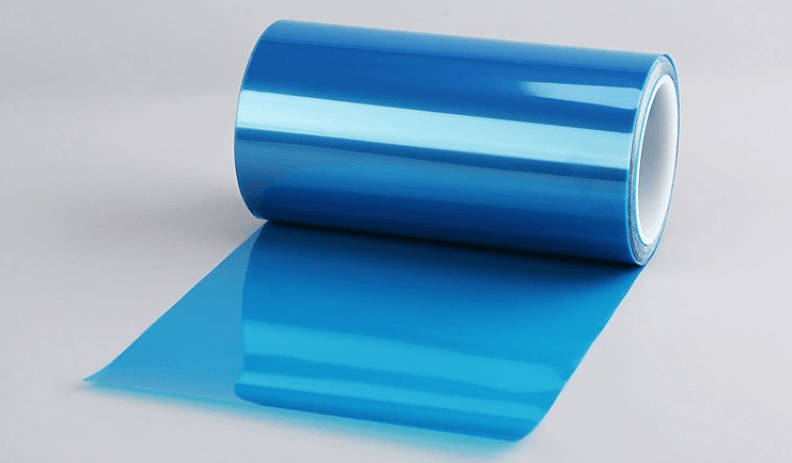
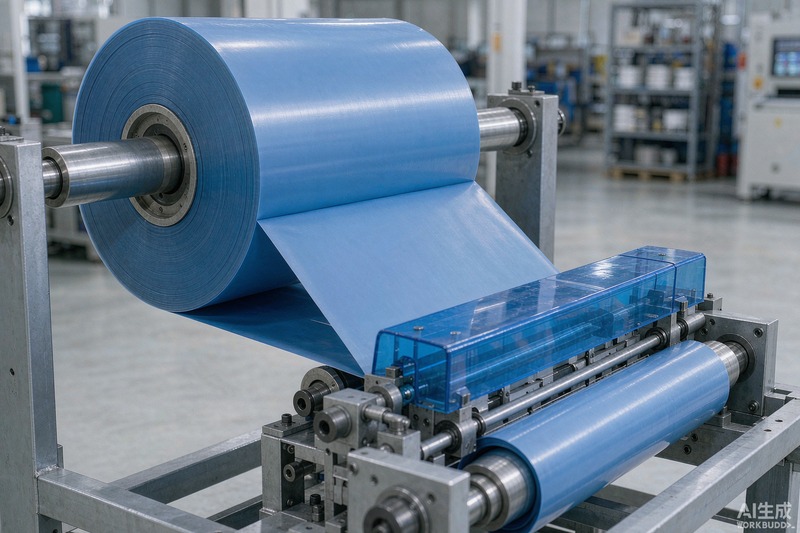
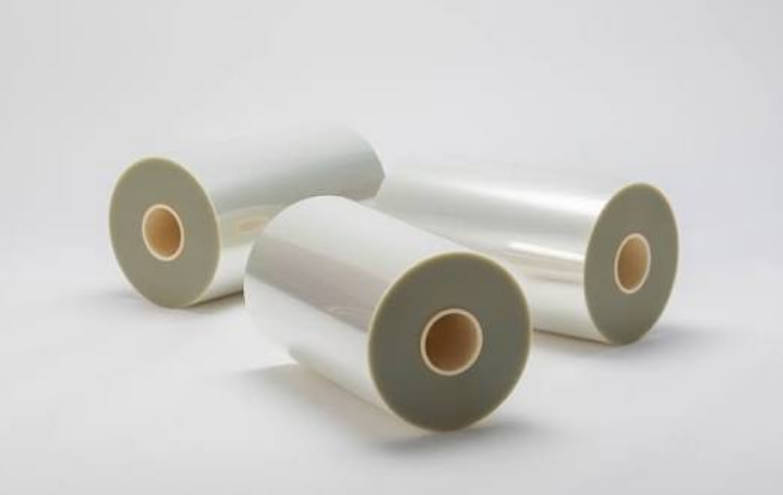
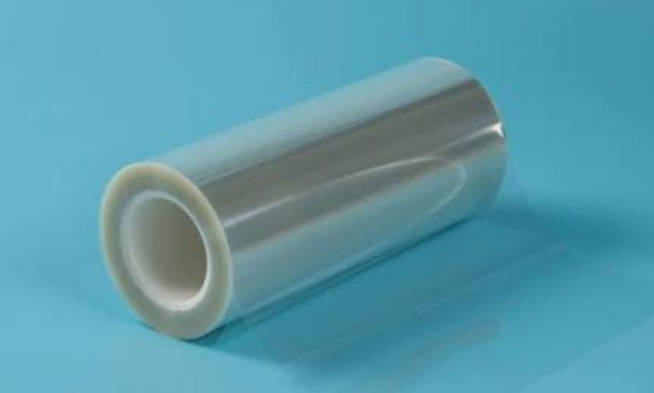
Release film usually uses plastic film substrates such as PET.
Advantages include:
- excellent dimensional stability;
- smooth surface;
- high tensile strength;
- good moisture resistance;
- better performance in precision converting.
For applications requiring consistent thickness, clean processing, and stable performance, film liners are often considered.
Release Paper
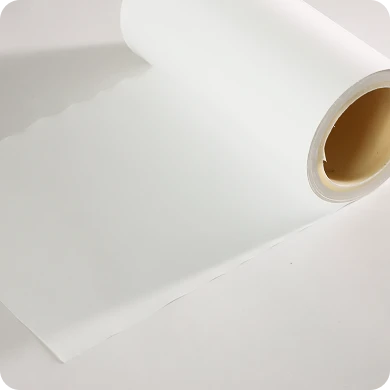
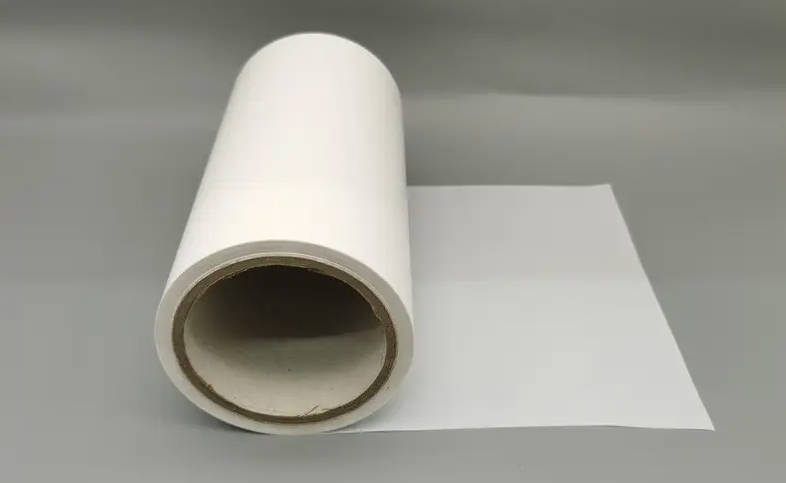
Release paper uses paper-based substrates with release coating.
Advantages include:
- lower material cost;
- easy handling;
- suitable for many general adhesive applications.
However, paper may have more sensitivity to:
- humidity changes;
- dimensional variation;
- mechanical stress.
Film or Paper? Quick Comparison Table
| Factor | Release Film | Release Paper |
| Base material | Plastic film substrate | Paper substrate |
| Surface smoothness | Higher | Depends on paper grade |
| Dimensional stability | Better | More affected by humidity |
| Moisture resistance | Higher | Lower |
| Tensile strength | Higher | Moderate |
| Precision converting | Excellent | Suitable for general applications |
| Cost | Usually higher | Usually lower |
| High-speed processing | Often preferred | Depends on process |
| Thin adhesive products | Suitable | Depends on requirements |
| Heavy industrial tapes | Suitable | Commonly used |
When Should You Choose Release Film for Double-Sided Tape?
Release film is often selected when production requirements demand higher consistency.
1. Precision Adhesive Applications
For products such as:
- electronics adhesive tapes;
- optical adhesive materials;
- thin double-sided tapes;
- precision die-cut parts;
surface smoothness and dimensional stability become important.
A PET-based release film can provide better support during processing.
2. High-Speed Converting Processes
Modern tape manufacturing often includes:
- coating;
- laminating;
- slitting;
- die cutting;
- rewinding.
During these processes, liner deformation can affect:
- alignment;
- cutting accuracy;
- production speed.
Film liners generally provide stronger mechanical support.
3. Applications Requiring Moisture Stability
Environmental changes can influence liner dimensions.
Film substrates generally have better moisture resistance, making them suitable for applications where storage conditions vary.
When Can Release Paper Be a Better Choice?
Release paper remains suitable for many double-sided tape applications.
It may be preferred when:
- cost control is important;
- the product does not require extreme dimensional accuracy;
- the adhesive structure is less sensitive;
- standard converting processes are used.
Examples may include:
- general industrial tapes;
- packaging-related adhesive products;
- construction adhesive materials.
The correct choice depends on product requirements rather than simply choosing the more advanced material.
Key Factors When Selecting Release Liner for Double-Sided Tape
1. Adhesive Type
Different adhesives interact differently with release surfaces.
Common considerations include:
- acrylic adhesive;
- rubber adhesive;
- silicone adhesive;
- hot melt adhesive.
A liner that works well with one adhesive system may not perform the same with another.
2. Release Force
Release force determines how easily the liner separates from the adhesive.
Too high:
- difficult peeling;
- adhesive lifting;
- application problems.
Too low:
- unstable handling;
- premature separation;
- liner movement during processing.
The ideal release force is not the lowest possible value; it is the value that provides stable processing and controlled separation.
3. Film Thickness
Thickness affects:
- stiffness;
- handling;
- roll performance;
- converting stability.
Typical considerations:
| Thickness Direction | Application Consideration |
| Thin liner | Flexible products, weight-sensitive applications |
| Medium thickness | General tape converting |
| Thick liner | Better mechanical support |
The final thickness should match the tape structure and production process.
4. Single-Side or Double-Side Release Coating
Some double-sided tape structures require release on both surfaces.
Possible configurations include:
| Structure | Suitable Situation |
| One-side release liner | One adhesive surface requires protection |
| Two-side release liner | Both surfaces require controlled release |
| Differential release liner | One side needs to release before the other |
For complex adhesive products, differential release performance can be more important than simply choosing two-side coating.
Choosing Release Liner Based on Double-Sided Tape Type
Foam Tape
Foam tapes often use thicker adhesive layers.
Important liner requirements:
- good mechanical strength;
- stable release;
- resistance to deformation.
Film liners can be useful when dimensional stability is important.
Transfer Tape
Transfer tapes contain adhesive without a permanent carrier.
The liner controls:
- adhesive handling;
- transfer process;
- peeling sequence.
Release performance must be carefully matched.
Thin Double-Sided Tape
Thin tapes require accurate processing.
Important factors:
- liner flatness;
- surface quality;
- thickness consistency.
PET release film is commonly considered for precision applications.
Electronics and Precision Adhesive Tape
These applications often require:
- clean surface;
- stable dimensions;
- controlled release;
- reliable converting.
The release liner should be evaluated together with the complete adhesive system.
Common Mistakes When Buying Double-Sided Tape Release Liners
Mistake 1: Choosing Only Based on Price
A cheaper liner may increase production issues if it causes:
- unstable release;
- wrinkles;
- processing problems.
Mistake 2: Ignoring the Adhesive Formula
The liner should be tested with the actual adhesive.
Mistake 3: Not Defining Release Side Clearly
For two-side release structures, manufacturers should confirm:
- Side A release;
- Side B release;
- peeling sequence.
Mistake 4: Testing Only New Material
Release performance may change after:
- storage;
- pressure;
- temperature exposure.
How to Specify a Release Liner Supplier
When requesting a quotation, provide:
| Specification | Information |
| Application | Double-sided tape type |
| Adhesive type | Acrylic, rubber, silicone, etc. |
| Base material | Film or paper preference |
| Thickness | Required thickness |
| Width | Roll width |
| Length | Roll length |
| Release side | One-side or two-side |
| Release force | Required performance |
| Processing method | Coating, laminating, die cutting |
| Storage condition | Temperature and humidity requirements |
Providing detailed application information helps suppliers recommend a suitable release liner structure.
Final Selection Guide: Film or Paper?
Use this simple decision process:
| Requirement | Recommended Direction |
| Need higher dimensional stability | Release film |
| Need smoother surface | Release film |
| Need lower cost | Release paper |
| General adhesive protection | Either depending on process |
| Precision converting | Release film |
| High moisture resistance | Release film |
| Cost-sensitive applications | Release paper |
For double-sided tape manufacturers, the best release liner is the one that matches adhesive behavior, production requirements, and final application needs—not simply the one with the lowest cost or highest specification.
FAQ
1. What is the best release liner for double-sided tape?
The best release liner depends on adhesive type, production process, and application requirements. Film liners are often selected for precision and stability, while paper liners may suit general applications.
2. Should I choose release film or release paper for double-sided tape?
Choose release film when you need better dimensional stability, smoother surfaces, and cleaner converting. Choose release paper when cost efficiency is the main consideration.
3. Why is PET release film used for adhesive tape manufacturing?
PET release film provides good strength, surface smoothness, and dimensional stability, making it suitable for many precision adhesive applications.
4. How do I choose release liner thickness for double-sided tape?
Thickness selection depends on tape structure, converting method, handling requirements, and storage conditions.
5. What release force is suitable for double-sided tape liners?
The suitable release force depends on adhesive chemistry and peeling requirements. Testing with the actual adhesive system is recommended.
6. Can one release liner work for all adhesive tapes?
No. Different adhesives and production processes require different liner structures and release properties.
Conclusion
Selecting a release liner for double-sided tape requires balancing material performance, adhesive compatibility, and manufacturing requirements.
Release film is often preferred when manufacturers need:
- higher dimensional stability;
- smoother surfaces;
- cleaner converting;
- better moisture resistance.
Release paper can still be an effective option for applications where cost and basic release protection are the priority.
By evaluating adhesive type, release force, thickness, coating structure, and production conditions, manufacturers can choose a liner that improves both processing efficiency and final product performance.
For more information about YingFei release liner solutions, visit: