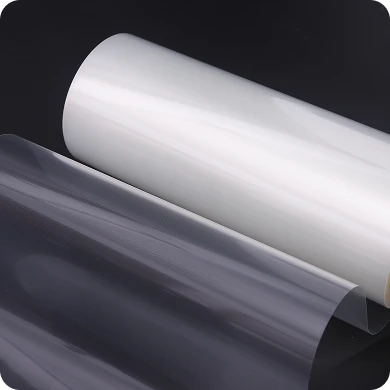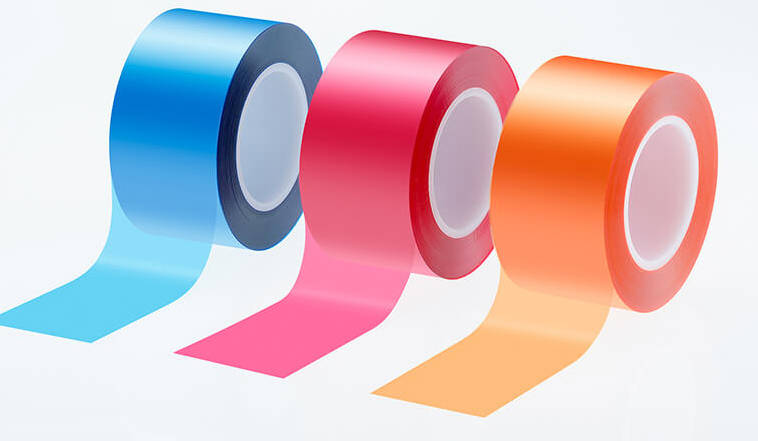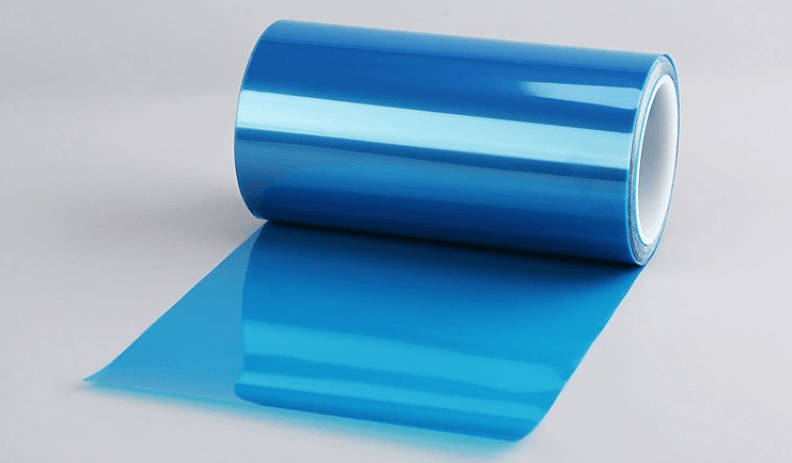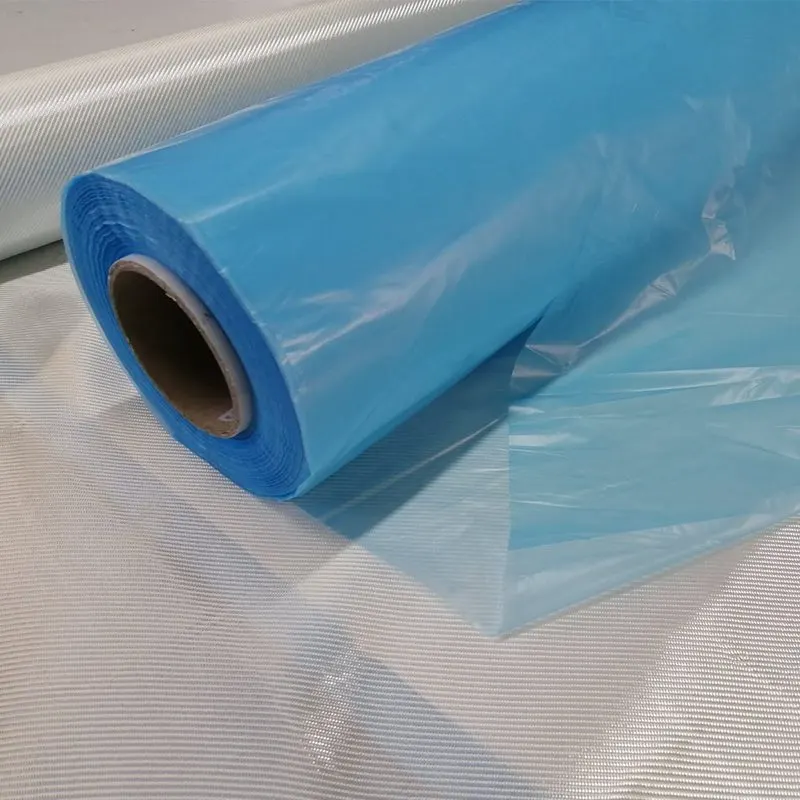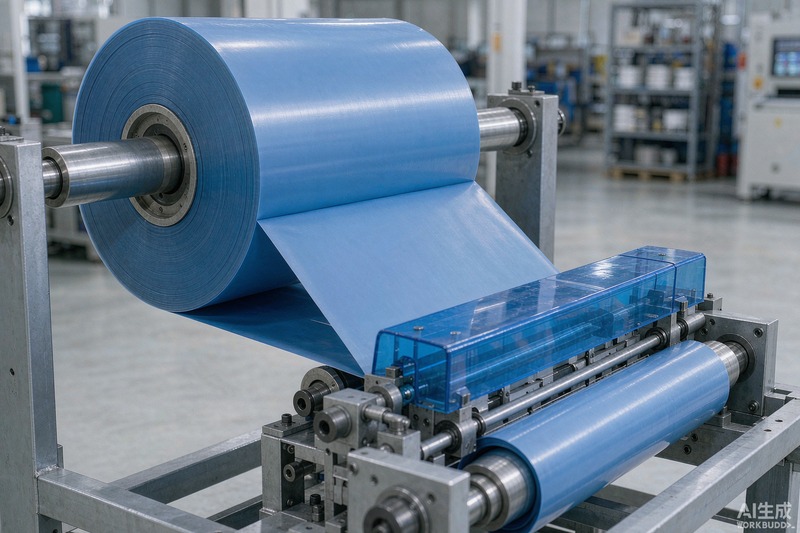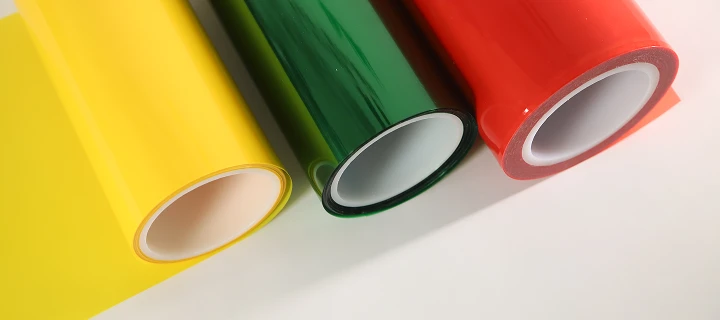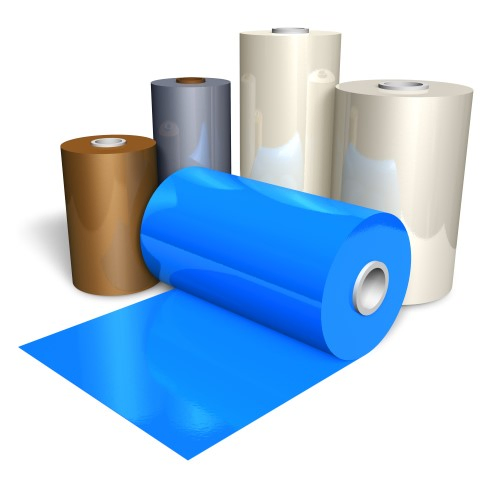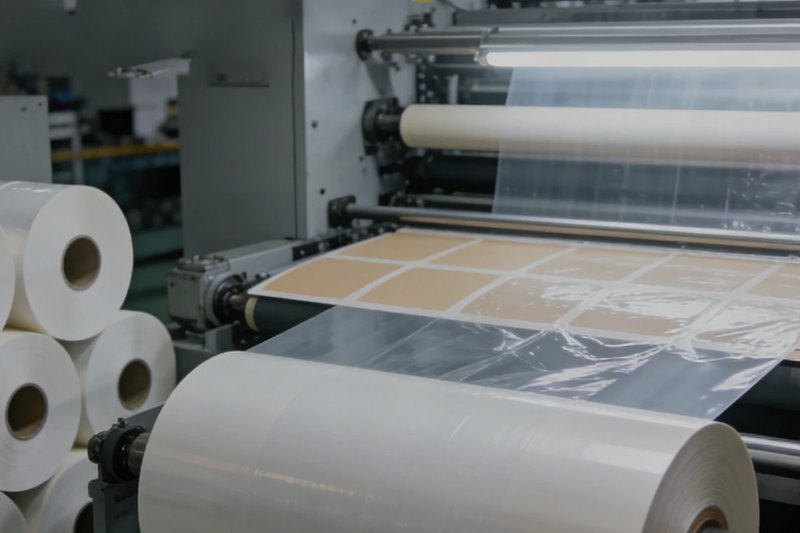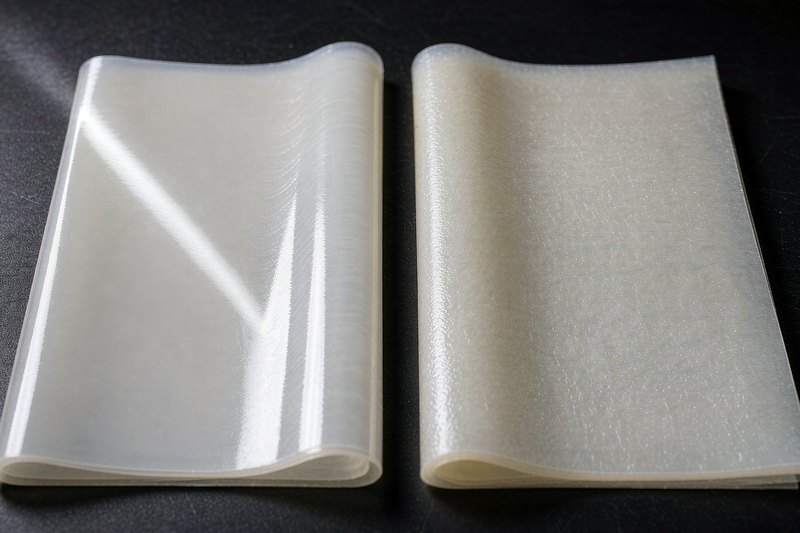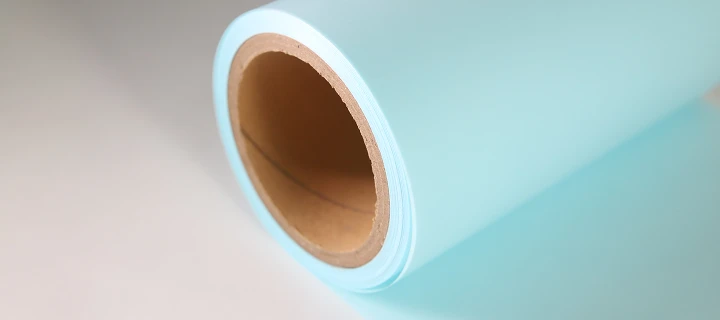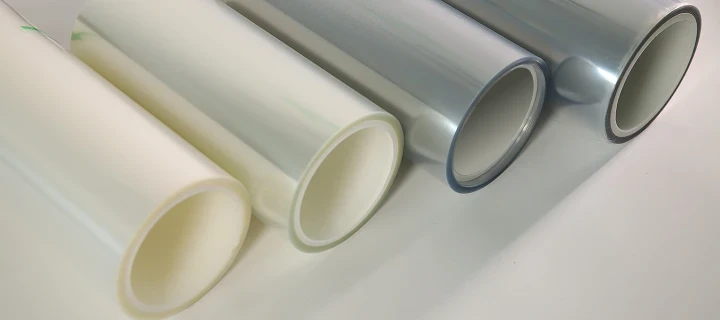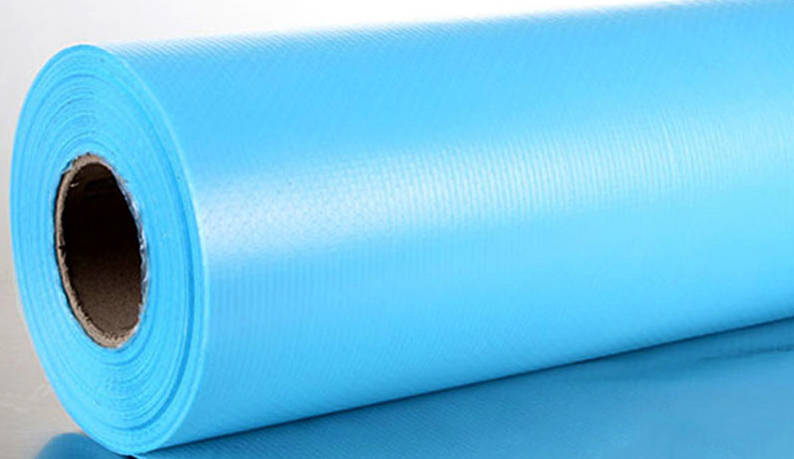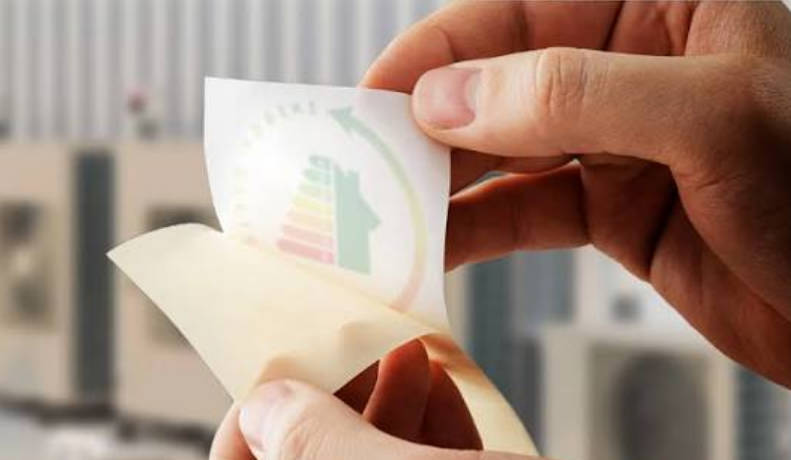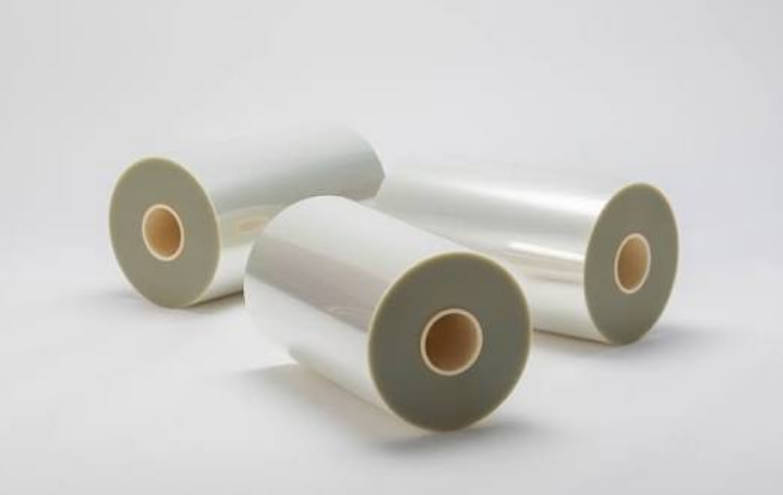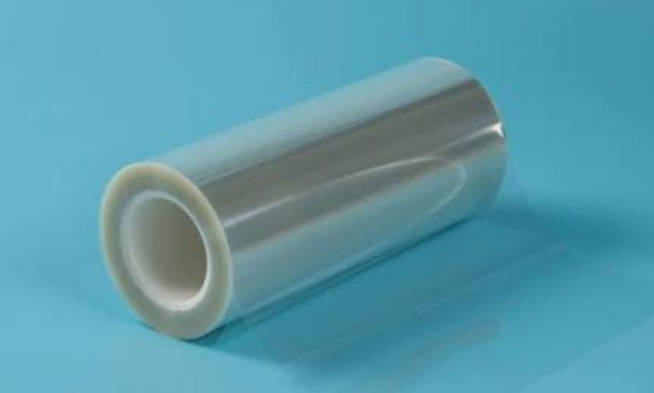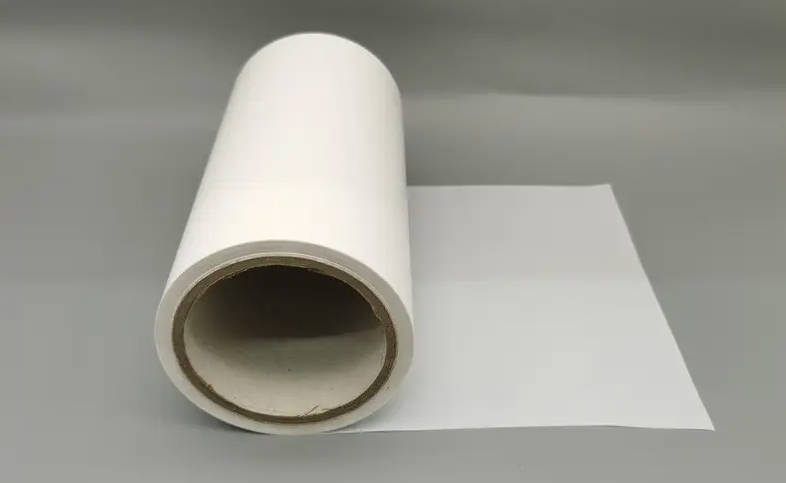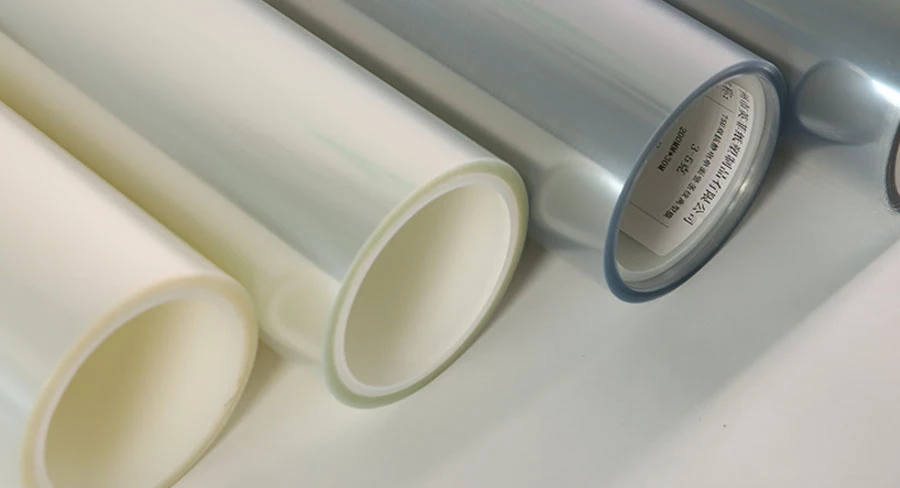
PET release film is commonly used in electronics manufacturing because it offers stable dimensions, good heat resistance, a clean film surface, and controlled release performance for adhesives, optical films, die-cut parts, and precision components. In electronics production, a release liner is not just a temporary backing material. It can affect adhesive coating quality, die-cutting accuracy, lamination stability, component cleanliness, and final assembly efficiency.
For many electronic applications, such as FPC die-cutting, OCA bonding, protective films, thermal interface materials, insulation tapes, and precision adhesive parts, manufacturers need a release film that can remain flat, peel consistently, and support clean converting. This is why PET release film for electronics is widely selected instead of paper-based liners or softer plastic films in many precision processes.
YingFei provides release film solutions for industrial converting, adhesive, die-cutting, and electronics-related applications where release stability and material consistency matter. This guide explains how release film works, why PET is commonly used, what specifications buyers should review, and how to select the right electronic release liner for your production process.
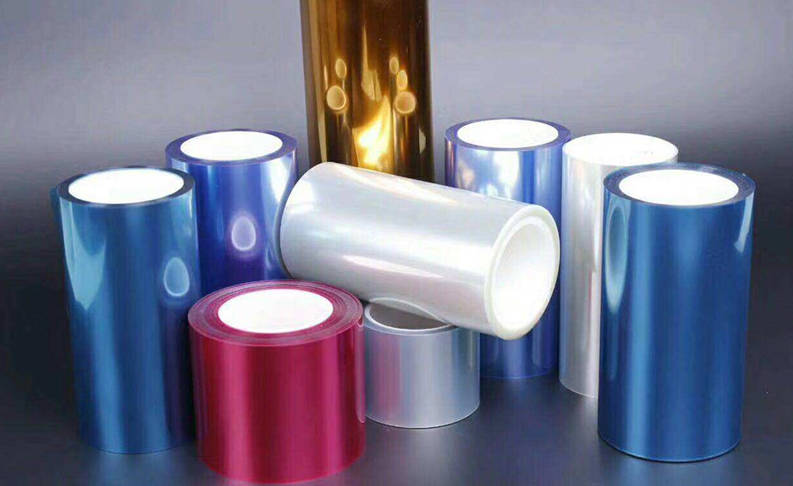
What Is Release Film for Electronics?
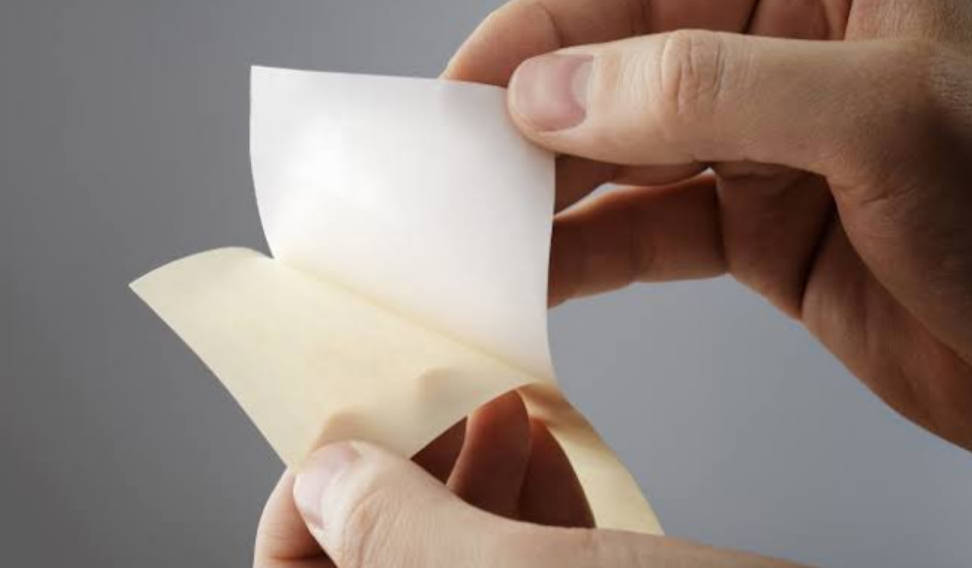
Release film for electronics is a film-based liner used to protect, carry, separate, or process adhesive materials and precision components during manufacturing. It usually consists of a plastic film substrate and a release coating, commonly silicone-based, that allows controlled peeling from adhesive or sticky surfaces.
In electronics manufacturing, release film may be used with:
- Optical clear adhesive films
- FPC and PCB die-cut components
- Protective films for screens or displays
- Double-sided adhesive tapes
- Thermal conductive pads
- Foam tapes and insulation materials
- Electronic labels and precision converted parts
- Cleanroom adhesive components
The core function of electronic release liner is to provide controlled separation without damaging the adhesive layer, contaminating the component, or disrupting the converting process.
Unlike general packaging liners, electronics release films must often meet stricter requirements for cleanliness, flatness, thickness consistency, and release force stability. A small problem such as film curl, silicone transfer, dust contamination, or uneven peeling may lead to production loss, poor lamination, or defective finished parts.
Why Release Film Matters in Electronics Manufacturing
Electronics manufacturing often involves thin materials, tight tolerances, and multi-step converting processes. Release film may be removed only at the final assembly stage, but it influences every step before that.
For example, when an adhesive layer is coated onto a PET release liner, the liner must stay dimensionally stable during drying, winding, slitting, storage, and die-cutting. If the film stretches or wrinkles, the adhesive layer may shift. If release force is unstable, the adhesive may lift during processing or become difficult to peel during assembly.
In precision die-cutting, the release film also acts as a carrier. It supports the adhesive material while allowing clean cutting, waste removal, and part transfer. A stable liner can help maintain part geometry, reduce deformation, and improve handling efficiency.
For buyers, release film quality directly affects:
| Manufacturing Issue | Possible Release Film Cause | Production Impact |
| Adhesive residue | Incorrect release coating or poor compatibility | Contamination, rework, poor bonding |
| Difficult peeling | Release force too high | Slower assembly, adhesive deformation |
| Liner lifting | Release force too low | Waste during slitting or die-cutting |
| Wrinkling or curl | Poor dimensional stability or moisture sensitivity | Poor flatness, misalignment |
| Dust or particles | Low cleanliness control | Defects in optical or electronic parts |
| Inaccurate die-cutting | Film stretch or thickness variation | Poor part tolerance |
| Silicone transfer | Improper coating or insufficient curing | Reduced adhesive performance |
For electronic components, the right release film should support both material protection and process stability.
Why PET Film Is Commonly Used for Electronic Release Liners
PET, also known as polyester film, is one of the most commonly used substrates for release film in electronics manufacturing. It is selected because it provides a balanced combination of mechanical strength, heat resistance, flatness, and dimensional stability.
1. Good Dimensional Stability
Electronic adhesive parts are often processed through coating, laminating, slitting, die-cutting, and assembly. During these steps, the liner may face tension, heat, winding pressure, and machine movement.
PET film usually maintains better dimensional stability than softer films such as PE in many precision applications. This helps reduce stretching, shrinkage, and deformation. For die-cut parts, dimensional stability is especially important because even small movement can affect part size and alignment.
2. Better Heat Resistance Than Many Soft Films
Some electronic materials need heat exposure during coating, drying, lamination, or assembly. PET release film is commonly selected when the process requires better temperature resistance than PE or other low-melting plastic films.
This does not mean all PET release films can handle every high-temperature process. Actual performance depends on film thickness, coating type, adhesive chemistry, process temperature, and exposure time. However, PET is often a practical choice for applications where moderate heat resistance is required.
3. Smooth and Clean Film Surface
Electronics manufacturing often requires cleaner surfaces than general industrial packaging. PET film has a relatively smooth surface, which can support uniform silicone coating and stable adhesive contact.
For optical films, display components, precision tapes, and thin adhesive layers, surface cleanliness and smoothness are important. A rough or dusty liner may cause bubbles, impressions, coating defects, or adhesive irregularity.
4. High Mechanical Strength
PET film has good tensile strength compared with many flexible liner materials. This makes it suitable for high-speed converting, slitting, rewinding, and die-cutting processes. Stronger film can help reduce tearing and web breakage under machine tension.
For factories producing narrow rolls, thin adhesive parts, or high-volume die-cut components, film strength is an important factor for production efficiency.
5. Controlled Release Performance
PET release film is commonly coated with silicone or other release coatings to achieve specific release force levels. Depending on the adhesive system and application, buyers may choose light release, medium release, or heavy release.
The release force should match the adhesive type, converting process, and final peeling requirement, not simply be “as low as possible.”
If the release is too easy, the liner may lift during die-cutting or transport. If the release is too tight, the operator or machine may damage the adhesive during peeling.
PET Release Film vs Other Release Liner Materials
PET is not the only material used for release liners. PE film, PP film, BOPP film, and release paper may also be used depending on the application. However, for electronics manufacturing, PET often has advantages when precision, flatness, and heat resistance are required.
| Material | Common Advantages | Possible Limitations | Typical Fit for Electronics |
| PET Release Film | Good dimensional stability, heat resistance, strength, smooth surface | Usually higher cost than some basic liners | Precision die-cutting, optical adhesive, FPC parts, electronics tapes |
| PE Release Film | Flexible, soft, moisture resistant | Lower heat resistance and dimensional stability in many cases | Some protective films or flexible adhesive applications |
| PP/BOPP Release Film | Lightweight, good clarity, suitable for some labels and tapes | May not match PET stability in precision converting | Selected tape and label applications |
| Release Paper | Cost-effective, good stiffness, widely used in labels and tapes | Moisture sensitivity, fiber dust risk, less suitable for some clean applications | General adhesive products, less demanding electronics uses |
| PE Coated Release Paper | Improved moisture barrier compared with uncoated paper | Still paper-based, may not suit high-cleanliness requirements | Industrial adhesive backing, packaging, selected converting |
For many electronics buyers, the decision is not simply PET vs paper. The real question is whether the liner can meet the process requirements for cleanliness, release force, heat exposure, flatness, and converting accuracy.
Common Electronics Applications of PET Release Film
OCA and Optical Adhesive Processing
Optical clear adhesive materials require clean, smooth, and stable liners. PET release film may be used as a carrier or protective liner during coating, laminating, storage, and assembly. In these applications, particles, haze, bubbles, or surface defects can affect final optical performance.
FPC and PCB Die-Cutting
Flexible printed circuit components and related adhesive parts often require precise die-cutting. PET release film can support dimensional control and stable waste removal during converting. It is also useful when adhesive parts need to maintain shape before transfer.
Electronic Adhesive Tapes
Double-sided tapes, insulation tapes, shielding tapes, and thermal interface adhesive materials often require liners with controlled release force. PET release film can help maintain adhesive layer integrity and improve handling during slitting and assembly.
Protective Films for Electronic Products
Screen protectors, display protection films, and surface protection materials may use PET release liner as a temporary backing. The liner helps protect the adhesive surface before application and allows controlled peeling during use.
Precision Converted Components
Many electronic products include small adhesive gaskets, foam pads, insulation parts, and bonding components. PET release film supports die-cutting, kiss-cutting, lamination, and part transfer in these precision converting processes.
For buyers looking for a film-based liner for these applications, YingFei’s PET release film and release liner options can be considered based on adhesive type, release force, thickness, and converting process.
Key Specifications Buyers Should Confirm
When sourcing release film for electronics, buyers should not only ask for material name and price. A more reliable purchase starts with technical specifications.
| Specification | Why It Matters | What to Confirm |
| Film substrate | Determines strength, heat resistance, and stability | PET, PE, PP, BOPP, or other film |
| Film thickness | Affects stiffness, flatness, handling, and die-cutting | Commonly requested thickness based on application |
| Release side | Determines coating structure | Single-sided or double-sided release |
| Release force | Controls peeling behavior | Light, medium, or heavy release based on adhesive |
| Coating type | Affects release stability and compatibility | Silicone coating or other release coating |
| Surface cleanliness | Important for optical and electronic parts | Dust, particles, surface defects, cleanroom requirement |
| Width and roll length | Affects production efficiency | Slitting width, roll diameter, core size |
| Heat resistance | Needed for coating, drying, or lamination | Process temperature and exposure time |
| Residual adhesion | Helps evaluate silicone transfer risk | Compatibility testing with adhesive system |
| Static control | Important in some electronic processes | Anti-static requirement if needed |
Before bulk ordering, buyers should test the release film with the actual adhesive, process temperature, machine tension, and die-cutting conditions.
How to Choose PET Release Film for Electronics Manufacturing
Step 1: Define the Application
The supplier should understand whether the film will be used for adhesive coating, die-cutting, lamination, protection, transfer, or final assembly. Different applications need different release force and film thickness.
For example, an OCA adhesive process may require high cleanliness and optical surface quality, while a foam tape die-cutting process may focus more on release stability and easy waste removal.
Step 2: Match Release Force to the Adhesive
Release force must be matched with the adhesive system. Acrylic adhesive, rubber adhesive, silicone adhesive, and high-tack adhesive may behave differently on the same release film.
If the release force is too low, the adhesive may separate during processing. If it is too high, peeling may damage the adhesive layer. The best approach is to request samples and test them under actual production conditions.
Step 3: Consider Film Thickness and Stiffness
Thicker PET film may provide better stiffness and handling, while thinner PET film may reduce material cost and improve flexibility. However, thinner film may be more sensitive to tension, wrinkles, or handling issues.
The right thickness depends on die-cutting accuracy, roll handling, lamination process, and final product structure.
Step 4: Review Cleanliness Requirements
Electronics applications often require cleaner materials than general labels or packaging. Buyers should confirm whether the release film is suitable for applications where particles, scratches, gels, or coating defects need to be controlled.
For optical or high-precision electronic components, cleanliness should be discussed early with the supplier rather than treated as a secondary requirement.
Step 5: Test Converting Performance
A release film may look acceptable in a sample sheet but behave differently on a high-speed line. Buyers should evaluate:
- Web tension stability
- Slitting performance
- Die-cutting edge quality
- Waste matrix removal
- Adhesive transfer
- Peeling smoothness
- Roll flatness after storage
- Static behavior during unwinding
For electronic converters, choosing a release film is a process decision, not only a material purchase.
Common Mistakes When Buying Release Film for Electronics
Mistake 1: Choosing Only by Price
Low-cost liners may increase hidden production costs if they cause wrinkles, poor die-cutting, residue, or unstable peeling. For electronics, material consistency is often more important than the lowest unit price.
Mistake 2: Ignoring Adhesive Compatibility
The same PET release film may perform differently with different adhesives. Buyers should not assume one liner works for all adhesive systems.
Mistake 3: Not Testing Release Force After Aging
Some adhesives change behavior after storage, temperature exposure, or lamination. Testing only initial peel performance may not be enough for long-term production stability.
Mistake 4: Using Paper Liners in Clean Applications
Release paper can be suitable for many general adhesive products. However, in applications where dust, fibers, moisture, or surface smoothness are concerns, PET release film may be more appropriate.
Mistake 5: Not Communicating Machine Conditions
Line speed, tension, temperature, die type, roll width, and storage conditions can all affect release film performance. Suppliers need this information to recommend suitable options.
How to Select a Reliable Release Film Supplier
A reliable release film supplier should understand both material structure and converting requirements. For electronics manufacturing, buyers should look beyond basic product lists and evaluate whether the supplier can support technical matching.
Important supplier capabilities include:
- Ability to provide PET release film with different release force levels
- Stable coating quality and roll-to-roll consistency
- Slitting options for custom widths
- Understanding of adhesive and die-cutting applications
- Sample support for compatibility testing
- Clear communication about thickness, coating side, roll size, and packaging
- Experience with electronics, adhesive tapes, labels, and industrial converting
YingFei focuses on industrial release film materials for adhesive, die-cutting, and converting applications. Buyers can discuss release force, film thickness, roll format, and application requirements before confirming bulk orders.
For general company information and other release material categories, you can also visit the YingFei release liner factory website.
Practical Buying Checklist for Electronic Release Film
Before requesting a quote, prepare the following information:
| Buyer Information | Why Supplier Needs It |
| Application type | Helps determine film substrate and release level |
| Adhesive type | Affects release coating compatibility |
| Required thickness | Impacts stiffness, handling, and die-cutting |
| Single-side or double-side release | Determines coating structure |
| Target release force | Controls peeling performance |
| Process temperature | Ensures film and coating suitability |
| Roll width and length | Needed for slitting and production planning |
| Cleanliness requirement | Important for electronic and optical parts |
| Die-cutting or lamination process | Helps evaluate converting performance |
| Sample testing plan | Reduces risk before bulk purchase |
A clear technical request helps the supplier recommend a more suitable release liner and reduces the chance of mismatched materials.
FAQ
1. What is release film for electronics used for?
Release film for electronics is used as a protective liner, carrier film, or process film for adhesive layers, die-cut parts, optical films, protective films, and electronic components. It helps control peeling, protect adhesive surfaces, and support precision converting.
2. Why is PET release film commonly used in electronics manufacturing?
PET release film is commonly used because it offers good dimensional stability, heat resistance, mechanical strength, and surface smoothness. These properties are useful for electronic adhesive tapes, FPC die-cutting, OCA bonding, and precision converted parts.
3. Is PET release film better than release paper for electronic applications?
PET release film is often preferred for cleaner and more dimensionally stable electronic applications. Release paper may be suitable for general adhesive products, but it can be less suitable when fiber dust, moisture sensitivity, or surface roughness are concerns.
4. How do I choose the right PET release film for electronic adhesive parts?
You should confirm the adhesive type, release force, film thickness, coating side, cleanliness requirement, process temperature, and die-cutting conditions. Sample testing under actual production conditions is recommended before bulk ordering.
5. What release force is suitable for electronic release liner?
The suitable release force depends on the adhesive system and converting process. Light release may be useful for easy peeling, while medium or heavy release may be needed to prevent liner lifting during die-cutting, slitting, or transportation.
6. Can PET release film be used for FPC die-cutting?
Yes, PET release film is commonly used for FPC die-cutting and other precision electronic components because it can provide stable support, good flatness, and controlled peeling during converting.
7. What problems can occur if the wrong release film is used?
Common problems include adhesive residue, difficult peeling, liner lifting, wrinkles, poor die-cutting accuracy, static issues, silicone transfer, and contamination of electronic parts.
Conclusion
Release film for electronics manufacturing plays an important role in adhesive protection, precision converting, lamination, die-cutting, and final assembly. PET release film is commonly used because it provides a practical balance of dimensional stability, heat resistance, surface cleanliness, mechanical strength, and controlled release performance.
For buyers, the key is not only choosing PET film, but choosing the right PET release film for the actual adhesive system, production process, and quality requirement. Film thickness, release force, coating side, cleanliness, heat exposure, and converting performance should all be confirmed before bulk purchasing.
If you are sourcing release film for electronic adhesive tapes, FPC die-cutting, optical adhesive materials, or precision converted components, YingFei can help you review your application requirements and recommend suitable release film solutions for testing and production.