PE Coated Release Paper: Structure, Features and Applications
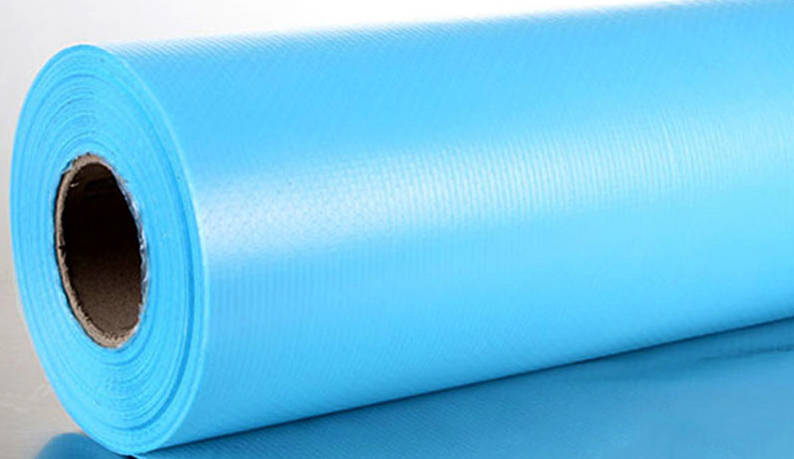
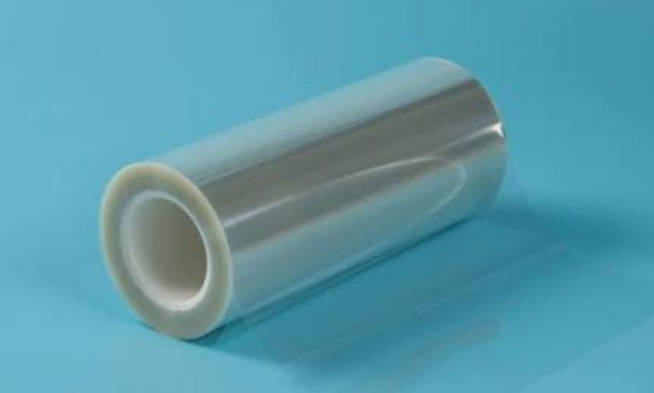
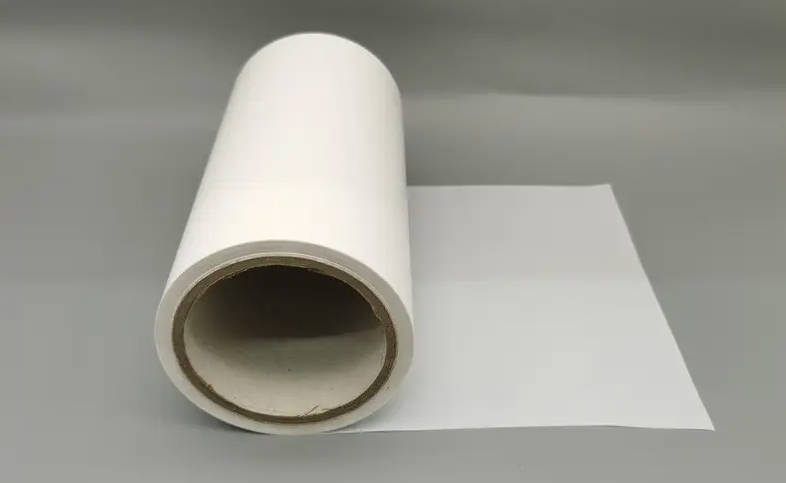
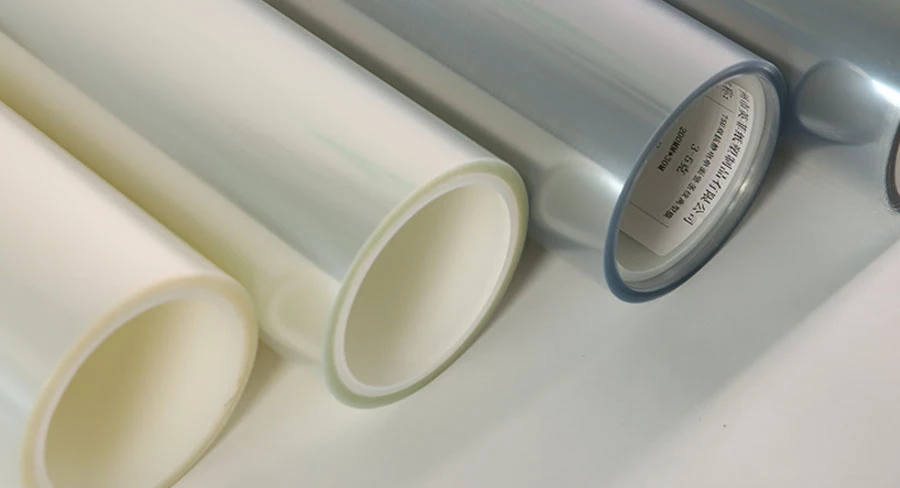
PE coated release paper is a functional paper material made by applying a polyethylene coating onto paper and, when required, adding a release coating such as silicone to create a controlled peeling surface. It combines the printability and stiffness of paper with the moisture resistance, barrier protection, and surface smoothness of PE coating.
For B2B buyers, PE coated release paper is not just a packaging or backing material. It can affect product protection, adhesive handling, converting efficiency, moisture resistance, storage stability, and end-user experience. It is widely used in labels, adhesive tapes, medical products, food packaging, hygiene materials, industrial liners, and protective packaging applications.
The main reason companies choose PE coated release paper is its balanced performance. Compared with uncoated paper, PE coated paper provides better water resistance, oil resistance, surface sealing, and dimensional stability in humid environments. Compared with plastic film liners, it can offer a more paper-like feel, better stiffness, easier printing, and potentially better handling in some converting processes.
This article explains the structure, features, manufacturing principles, selection factors, and common applications of PE coated release paper. It also provides practical guidance for buyers who need to choose a suitable PE coated paper for adhesive, packaging, or industrial applications.
What Is PE Coated Release Paper?
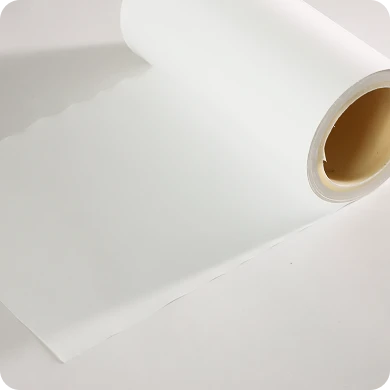
PE coated release paper is a composite paper material made by coating or laminating polyethylene onto a paper substrate. Depending on the application, the PE-coated surface may be used directly as a barrier layer, or it may be further coated with a release agent to provide controlled release performance.
In many applications, PE coated release paper includes three main layers:
| Layer | Function |
|---|---|
| Base paper | Provides stiffness, thickness, strength, printability, and dimensional support |
| PE coating layer | Provides moisture barrier, surface sealing, oil resistance, and improved smoothness |
| Release coating | Provides controlled peeling from adhesives, rubber, resin, or sticky materials |
The term “PE coated paper” often refers to paper coated with polyethylene for moisture and barrier protection. The term “PE coated release paper” usually means the material is designed to work as a release liner or protective backing, especially for adhesive or sticky products.
The PE layer acts as a barrier between the paper and external moisture, oil, adhesive, or coating materials, helping improve the stability and cleanliness of the paper surface.
This structure makes PE coated release paper useful in applications where ordinary paper would absorb moisture, deform, or interact with adhesives.
How PE Coated Release Paper Is Made
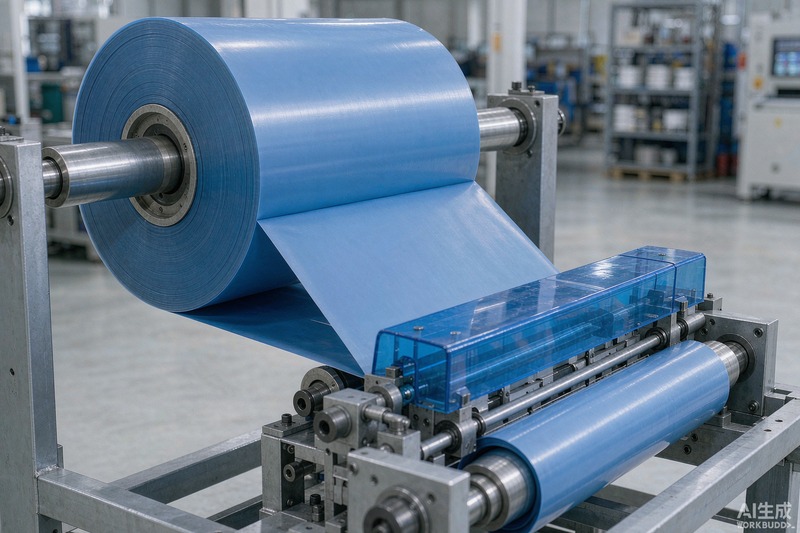
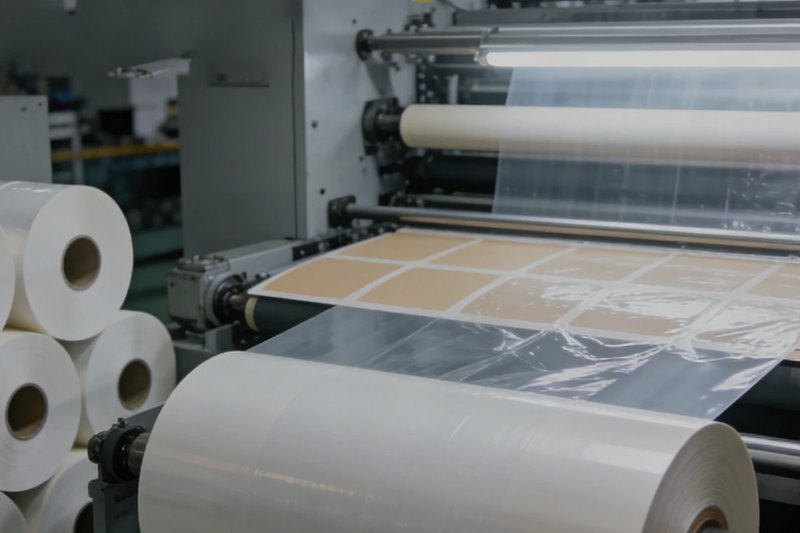
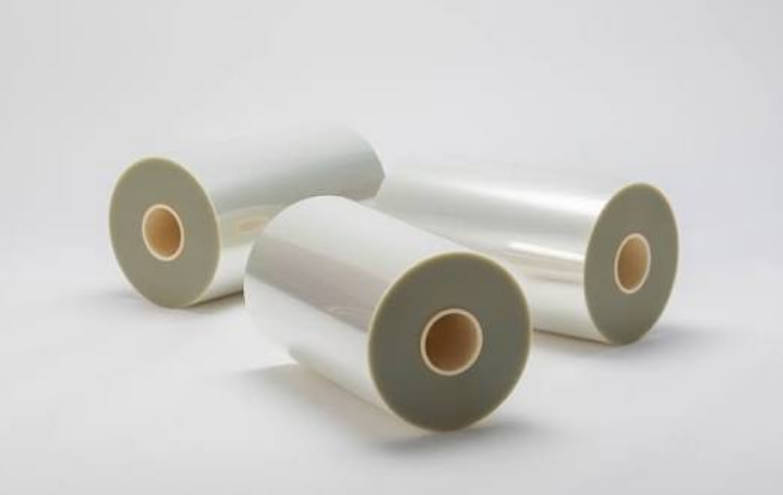
PE coated release paper is typically produced by extrusion coating or lamination. In an extrusion coating process, polyethylene resin is heated, melted, and applied onto the moving paper substrate through a die. The molten PE layer is then pressed and cooled to form a smooth, continuous coating.
The basic process can be summarized as follows:
| Step | Description |
|---|---|
| Paper selection | Choose kraft paper, glassine paper, CCK paper, or other base paper depending on application |
| Surface preparation | Adjust surface cleanliness, moisture, and tension for coating stability |
| PE extrusion coating | Melted polyethylene is coated onto one or both sides of the paper |
| Cooling and bonding | The PE layer bonds to the paper and forms a sealed surface |
| Release coating | Silicone or another release agent may be applied if controlled release is required |
| Slitting and rewinding | Jumbo rolls are converted into required roll widths and lengths |
| Inspection | Check coating uniformity, surface quality, thickness, and release performance |
The final performance depends on base paper type, PE coating weight, coating uniformity, release coating formula, surface smoothness, and converting accuracy.
Different applications may require single-side PE coating, double-side PE coating, single-side release, double-side release, or differential release. This is why buyers should not only ask for “PE coated paper,” but also clarify the actual structure needed for their production process.
Structure of PE Coated Release Paper
The structure of PE coated release paper can vary by industry and product design. Below are common structures.
| Structure Type | Description | Typical Use |
|---|---|---|
| Paper + PE coating | Basic PE coated paper without release coating | Packaging, wrapping, moisture barrier |
| Paper + PE + silicone release | PE coated paper with one release surface | Labels, tapes, adhesive products |
| PE + paper + PE | Double-side PE coated paper | Better moisture resistance and surface protection |
| Silicone + PE + paper + PE | One-side release with back-side PE protection | Adhesive liners, industrial backing paper |
| Differential release structure | Different release forces on two sides | Double-sided tapes, transfer adhesives |
For adhesive products, the release side must be carefully controlled. If the release force is too low, the adhesive may separate too easily during converting or storage. If the release force is too high, peeling may become difficult and the adhesive layer may be damaged.
A good PE coated release paper must balance paper strength, PE barrier performance, release force, flatness, and converting stability.
Key Features of PE Coated Release Paper
1. Moisture Resistance
One of the most important benefits of PE coated release paper is moisture resistance. Ordinary paper can absorb water from the environment, which may cause curling, swelling, strength loss, or dimensional changes. PE coating helps reduce moisture penetration and improves stability in humid conditions.
This is especially useful for packaging, labels, medical materials, hygiene products, and industrial adhesive applications where moisture may affect adhesive performance or product appearance.
However, PE coated paper should not be treated as completely waterproof in every condition. The actual water resistance depends on coating weight, coating coverage, edge exposure, paper type, and converting process.
2. Barrier Protection
The PE layer provides a physical barrier between the base paper and the product. This barrier can help resist water, grease, oil, and certain liquid contact in many applications.
Common barrier-related applications include:
| Barrier Need | How PE Coated Paper Helps |
|---|---|
| Moisture protection | Reduces water absorption into paper |
| Oil and grease resistance | Helps prevent penetration in packaging use |
| Adhesive isolation | Prevents adhesive from penetrating paper fibers |
| Surface sealing | Creates a smoother and more closed surface |
| Product cleanliness | Reduces fiber contamination from paper surface |
For food packaging or hygiene-related applications, buyers should confirm whether the material meets relevant regulatory and safety requirements for the target market.
3. Smooth Surface for Release Coating
PE coating can improve the surface smoothness of paper and create a more suitable base for release coating. This is important because release performance depends not only on silicone or release chemistry, but also on the uniformity of the coated surface.
A smoother PE surface can help improve:
- Release coating uniformity
- Adhesive contact consistency
- Peeling stability
- Surface cleanliness
- Reduced adhesive penetration
- Better converting performance
For labels, tapes, medical adhesives, and protective materials, stable release behavior can improve production efficiency and reduce defects.
4. Good Stiffness and Handling
Compared with thin plastic film liners, PE coated release paper can provide better stiffness and a paper-like feel. This is useful in applications where easy manual handling, sheet cutting, stacking, printing, or packaging rigidity is required.
The stiffness can be adjusted by selecting different base paper weights and coating structures. For example, heavier base paper may be used when the liner needs better flatness and support, while lighter paper may be selected for cost-sensitive flexible packaging applications.
5. Printability and Converting Compatibility
Because the substrate is paper-based, PE coated paper can offer good printability on the paper side or specially treated surfaces. It can also be converted by slitting, sheeting, die-cutting, laminating, folding, and rewinding.
For release paper applications, converting quality is important. Poor coating adhesion, uneven moisture content, or unstable paper quality can lead to curling, cracking, delamination, dust, or poor roll formation.
6. Cost-Effective Material Structure
PE coated release paper is often used when buyers need a balance between performance and cost. It provides better barrier performance than uncoated paper while maintaining many advantages of paper-based materials.
Compared with some specialty plastic liners, PE coated release paper may be more economical in applications where extreme heat resistance, high transparency, or very thin film structures are not required.
PE Coated Release Paper vs Uncoated Paper
The following table shows the practical differences between PE coated release paper and ordinary uncoated paper.
| Factor | PE Coated Release Paper | Uncoated Paper |
|---|---|---|
| Moisture resistance | Better due to PE barrier layer | Lower; absorbs moisture more easily |
| Surface smoothness | Better sealed surface | More porous and fibrous |
| Adhesive penetration | Lower risk | Higher risk |
| Oil resistance | Better in many applications | Limited |
| Release coating compatibility | More suitable after PE coating | May require special treatment |
| Dimensional stability | Better in humid conditions | More likely to curl or swell |
| Cost | Higher than uncoated paper | Lower |
| Application range | Adhesives, packaging, liners, industrial use | Printing, wrapping, general paper use |
Compared with uncoated paper, PE coated release paper is more suitable for applications requiring moisture barrier, adhesive protection, and cleaner surface performance.
PE Coated Release Paper vs Film Release Liner
Some buyers also compare PE coated release paper with PET, PE, or PP film release liners. The right choice depends on performance needs.
| Factor | PE Coated Release Paper | Film Release Liner |
|---|---|---|
| Material feel | Paper-like, stiff, easy to handle | Plastic-like, flexible or dimensionally stable depending on film |
| Moisture resistance | Good, depending on coating | Usually strong moisture resistance |
| Transparency | Usually opaque | Can be transparent |
| Heat resistance | Depends on paper and PE coating | PET film usually better for heat resistance |
| Cost | Often cost-effective | Varies by film type |
| Printability | Good on paper side | Requires surface treatment |
| Dimensional stability | Good for many uses, but paper still reacts to environment | Film can be more stable in certain processes |
| Main advantage | Balance of stiffness, barrier, and cost | Cleanliness, transparency, or high-performance film properties |
PE coated release paper is often preferred when stiffness, printability, paper feel, and cost balance matter. Film liners may be preferred when transparency, high heat resistance, or very clean surface performance is required.
Common Applications of PE Coated Release Paper
1. Labels and Stickers
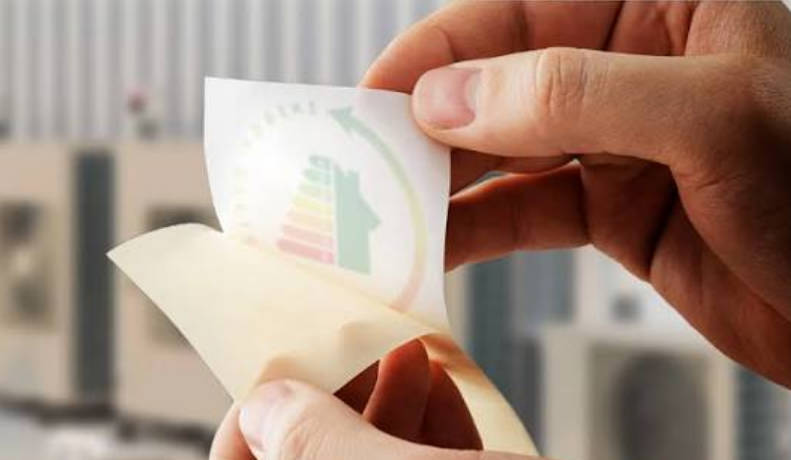
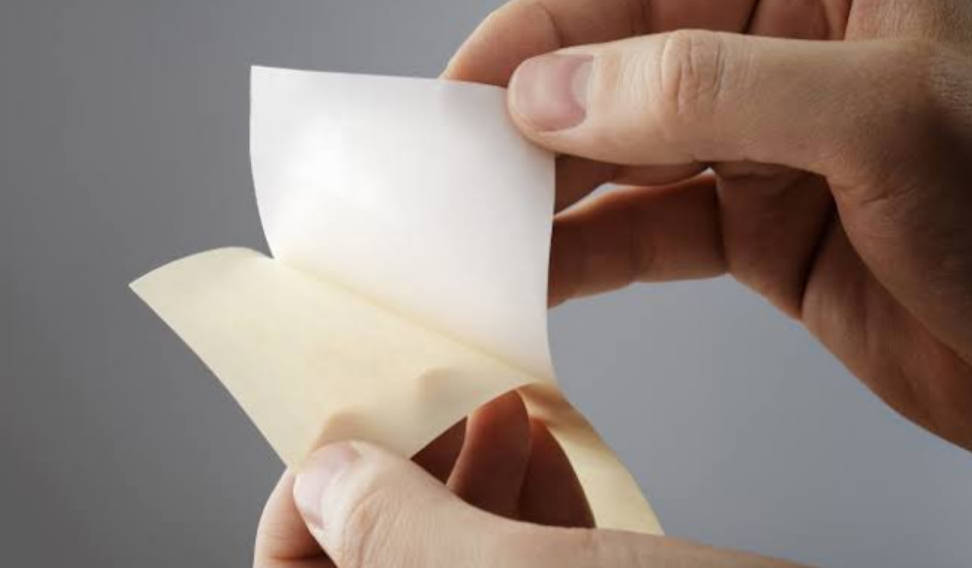
PE coated release paper is widely used as backing paper for labels and stickers. The PE layer helps seal the paper surface, while the release coating allows adhesive labels to be peeled away cleanly.
Common label-related uses include:
- Product labels
- Logistics labels
- Barcode labels
- Promotional stickers
- Industrial identification labels
- Waterproof or moisture-resistant labels
For label applications, important factors include release force, paper stiffness, die-cutting performance, roll flatness, and printing compatibility.
2. Adhesive Tapes and Protective Films
In adhesive tape production, PE coated release paper can act as a liner to protect the adhesive surface before use. It can be used for certain double-sided tapes, foam tapes, masking-related materials, and protective adhesive products.
The release paper must maintain stable peeling performance during coating, drying, slitting, storage, and final application. If the release force is unstable, tape handling and user experience may be affected.
3. Medical and Hygiene Products
PE coated release paper is commonly used in medical and hygiene-related products where moisture resistance, cleanliness, and stable peeling are important.
Possible applications include:
- Medical adhesive patches
- Wound care products
- Disposable hygiene products
- Protective liners for skin-contact adhesives
- Healthcare packaging components
For medical or hygiene applications, buyers should pay close attention to cleanliness, odor, extractables, release stability, and regulatory requirements.
4. Food Packaging and Wrapping
PE coated paper is widely used in packaging where moisture and grease resistance are needed. Depending on specification and compliance requirements, it may be used for food wrapping, bakery packaging, takeaway packaging, and other packaging formats.
For food-contact applications, the material must be evaluated according to applicable food safety regulations in the destination market. Buyers should confirm compliance documentation before purchase.
5. Industrial Packaging and Protection
PE coated paper can be used to protect materials during storage, transportation, or manufacturing. It can provide a barrier against moisture and contamination while maintaining paper stiffness and easy handling.
Industrial uses may include:
- Metal protection
- Rubber sheet separation
- Composite material interleaving
- Surface protection packaging
- Moisture-resistant wrapping
- Temporary protective liners
In these applications, strength, moisture barrier, roll quality, and surface cleanliness are usually more important than appearance.
6. Construction and Building Materials
Some construction-related materials use PE coated paper as an intermediate layer, protective sheet, or release liner. It can help separate sticky surfaces, protect coatings, or support moisture-resistant packaging.
For building material applications, buyers should evaluate coating adhesion, tensile strength, tear resistance, temperature exposure, and storage environment.
Important Selection Factors for Buyers
Choosing the right PE coated release paper requires more than selecting a paper weight. Buyers should define the full product structure and working conditions.
Base Paper Type
Different base papers provide different strength, smoothness, density, stiffness, and surface behavior.
| Base Paper Type | Common Characteristics | Typical Consideration |
|---|---|---|
| Kraft paper | Strong, durable, good tear resistance | Industrial packaging and heavy-duty liners |
| Glassine paper | Smooth, dense, good for labels | Label and adhesive applications |
| CCK paper | Clay-coated kraft, smooth surface | Release liner and adhesive products |
| Woodfree paper | Good printability | Packaging and printed applications |
PE Coating Weight
The PE coating weight affects barrier performance, surface smoothness, stiffness, and cost. A heavier PE layer may improve barrier protection but can also increase material cost and affect flexibility.
Buyers should consider:
- Required moisture resistance
- Product thickness target
- Flexibility requirement
- Heat sealing requirement
- Coating uniformity
- Converting process
- Final cost target
Release Force
For PE coated release paper used with adhesives, release force is a critical specification. It determines how easily the adhesive material separates from the liner.
Release force should be selected according to adhesive type, coating thickness, storage time, application method, and converting speed. Both too-low and too-high release force can create production problems.
Single-Side or Double-Side Coating
Single-side PE coated paper may be enough for many applications. Double-side PE coating can provide better moisture protection and reduce paper curling in certain environments.
For release applications, buyers should clarify whether they need:
- One-side PE coating
- Double-side PE coating
- One-side silicone release
- Double-side silicone release
- Differential release on two sides
Roll Width and Slitting Accuracy
For automatic production lines, roll quality is important. Poor slitting, uneven winding, dust, or telescoping rolls can cause downtime.
Buyers should confirm roll width, roll diameter, core size, joint requirements, and edge quality before ordering.
Common Mistakes When Buying PE Coated Release Paper
Mistake 1: Focusing Only on Paper Weight
Paper weight is important, but it does not define the full performance. PE coating weight, release coating, surface smoothness, and roll quality are equally important.
Mistake 2: Ignoring the Adhesive System
The release coating must match the adhesive. A liner that works well with acrylic adhesive may not perform the same with rubber, hot melt, or silicone adhesive.
Mistake 3: Not Considering Humidity and Storage
Paper-based materials can still react to environmental changes. Even with PE coating, storage temperature, humidity, roll pressure, and aging time should be considered.
Mistake 4: Using Packaging-Grade PE Coated Paper as Release Paper
Not all PE coated paper is release paper. If the product requires controlled peeling, the material must have a suitable release coating and tested release force.
Mistake 5: Skipping Production Testing
Sample testing under real production conditions is essential. Buyers should test coating, die-cutting, peeling, storage, and final application before bulk orders.
How to Choose a PE Coated Release Paper Supplier
A good supplier should be able to recommend material structure based on application requirements instead of only offering a standard roll.
When evaluating a supplier, ask:
| Question | Why It Matters |
|---|---|
| What base paper options are available? | Determines strength, stiffness, smoothness, and cost |
| Can you supply different PE coating weights? | Helps match barrier and cost requirements |
| Do you offer release coating options? | Important for adhesive applications |
| Can release force be customized? | Needed for different adhesive systems |
| Can you slit rolls to custom width? | Supports converting and production efficiency |
| Can samples be provided for testing? | Reduces purchasing risk |
| What applications do you commonly support? | Shows supplier experience |
| What quality checks are performed? | Helps ensure consistency |
For buyers looking for a reliable PE coated release paper supplier, it is helpful to share your application, adhesive type, paper weight requirement, coating side, roll size, release force target, and end-use environment.
You can also visit Yingfei Liner to learn more about release liner and coated paper solutions for industrial and packaging applications.
Practical Buying Checklist
Before ordering PE coated release paper, prepare the following information:
| Item | What to Confirm |
|---|---|
| Application | Label, tape, packaging, medical, hygiene, industrial protection, etc. |
| Base paper | Kraft, glassine, CCK, woodfree paper, or custom paper |
| Paper weight | Required GSM or thickness |
| PE coating | Single-side or double-side coating |
| PE coating weight | Barrier and cost requirement |
| Release coating | Silicone, non-silicone, one-side, or double-side release |
| Release force | Easy, medium, tight, or custom release |
| Roll size | Width, length, diameter, and core size |
| Processing method | Printing, die-cutting, laminating, slitting, sheeting |
| Storage condition | Temperature, humidity, and aging time |
| Compliance | Food-contact, medical, or other regulatory requirements if applicable |
This checklist helps the supplier recommend a more suitable structure and reduces the risk of wrong material selection.
FAQ
1. What is PE coated release paper used for?
PE coated release paper is used as a protective liner, backing paper, or barrier paper for labels, adhesive tapes, medical products, hygiene materials, packaging, rubber products, and industrial applications. It helps provide moisture resistance, surface sealing, and controlled release when combined with release coating.
2. What is the difference between PE coated paper and PE coated release paper?
PE coated paper usually refers to paper coated with polyethylene for moisture or barrier protection. PE coated release paper includes a release function, usually through a silicone or other release coating, allowing adhesives or sticky materials to peel away cleanly.
3. Is PE coated release paper waterproof?
PE coated release paper provides good moisture resistance, but it should not always be considered fully waterproof in all conditions. Water resistance depends on PE coating weight, coating coverage, edge exposure, paper type, and application environment.
4. Can PE coated release paper be used for food packaging?
PE coated paper can be used in many food packaging applications, but food-contact use requires suitable material selection and compliance with applicable regulations in the target market. Buyers should request relevant documentation from the supplier.
5. Why is PE coating used on release paper?
PE coating helps seal the paper surface, reduce moisture absorption, improve barrier performance, prevent adhesive penetration, and create a smoother base for release coating. This improves stability in adhesive, packaging, and industrial applications.
6. How do I choose the right PE coated release paper?
Choose based on application, base paper type, PE coating weight, release coating, release force, roll size, moisture resistance, converting process, and storage condition. Production testing is recommended before bulk ordering.
7. Is poly coated release paper the same as PE coated release paper?
In many industrial contexts, poly coated release paper often refers to polyethylene coated release paper. However, “poly coated” can sometimes describe other polymer coatings, so buyers should confirm the exact coating material and structure.
Conclusion
PE coated release paper is a practical material for applications that require moisture resistance, surface sealing, barrier protection, and controlled release performance. Its structure typically combines base paper, PE coating, and release coating to support adhesive products, packaging, medical materials, hygiene products, labels, tapes, and industrial protection.
The right material depends on base paper type, PE coating weight, release force, coating side, roll quality, and application requirements. For simple packaging, a basic PE coated paper may be enough. For adhesive or industrial converting applications, buyers should choose a properly designed PE coated release paper with stable release performance.
If you are sourcing PE coated paper for labels, tapes, packaging, medical products, or industrial use, Yingfei can help evaluate suitable structures based on your production process and performance requirements.