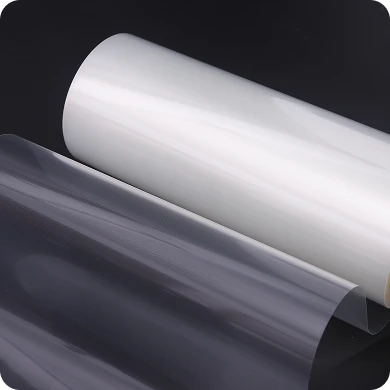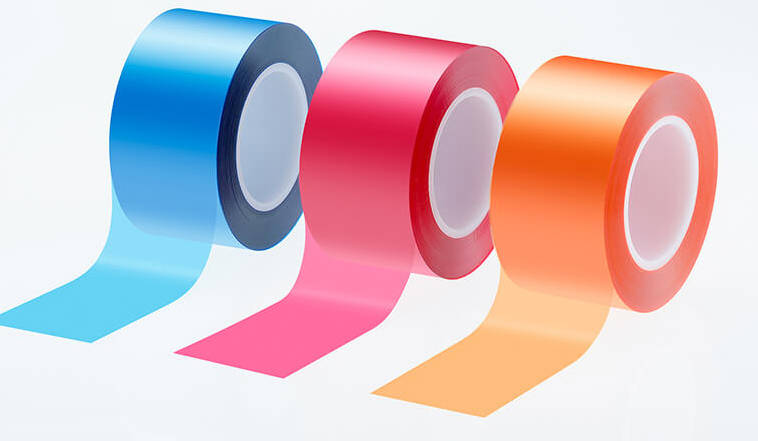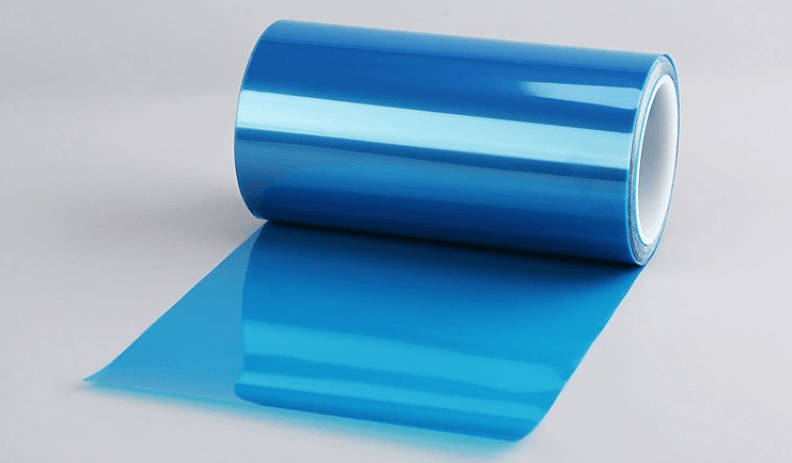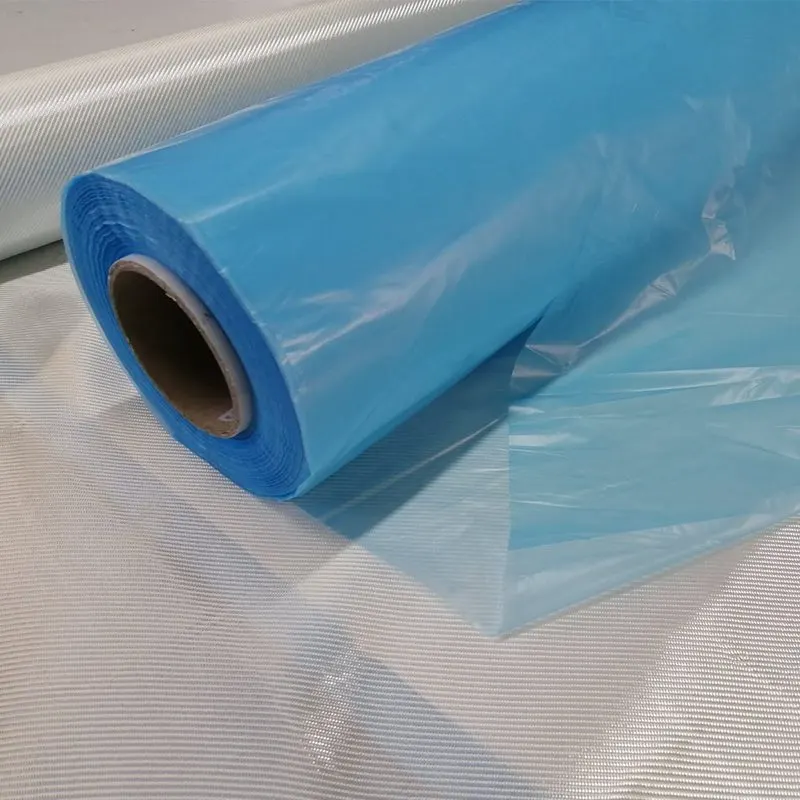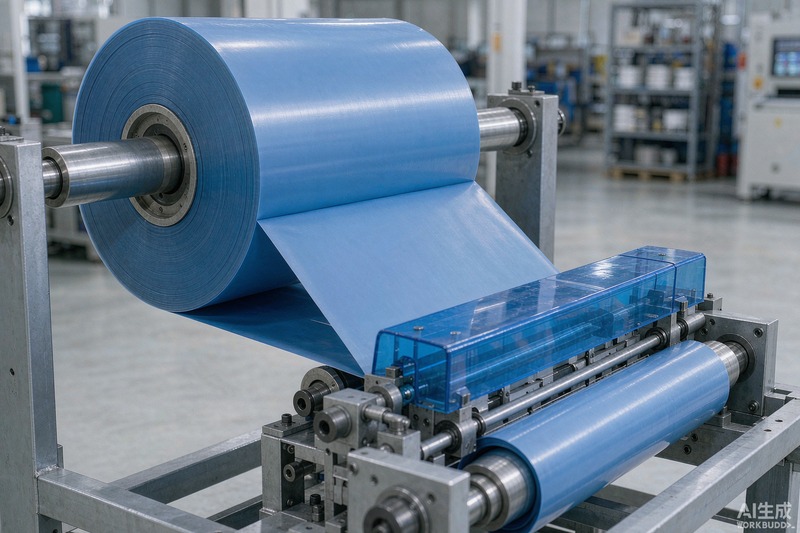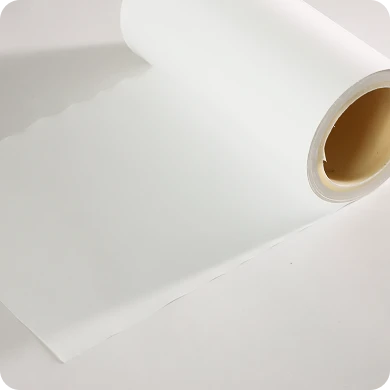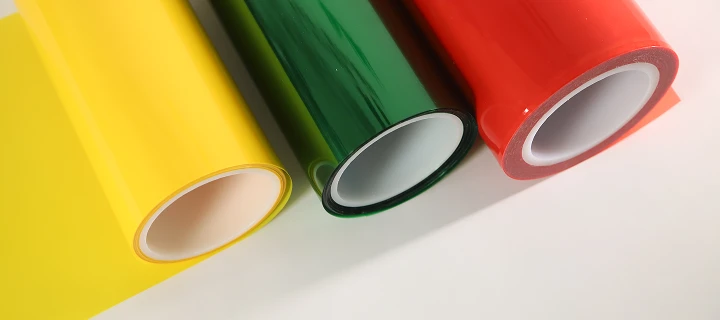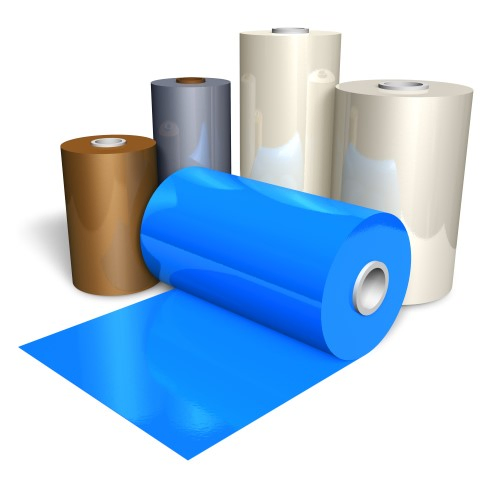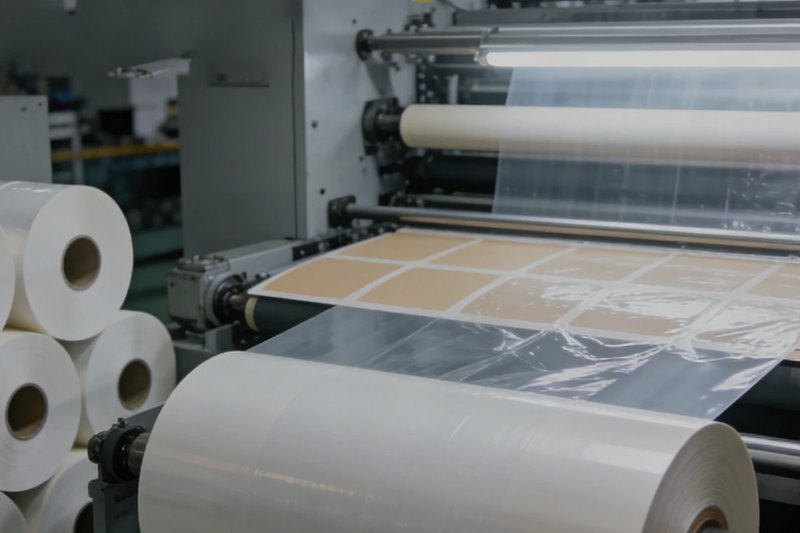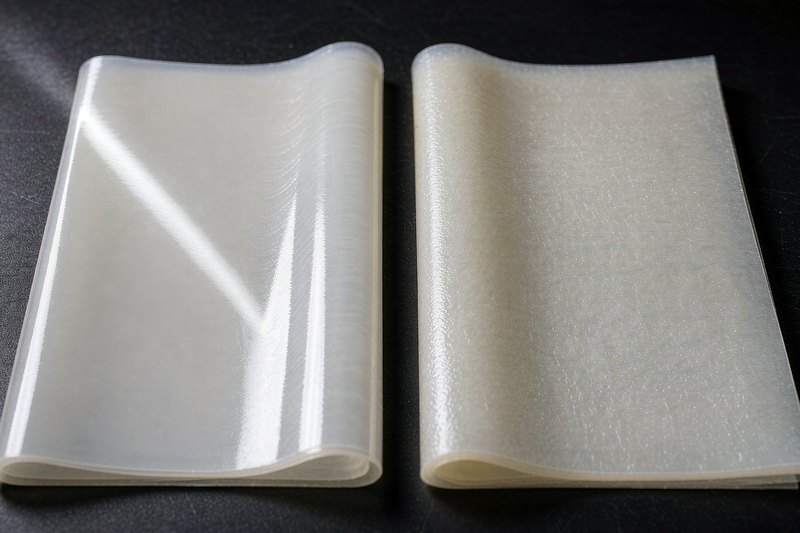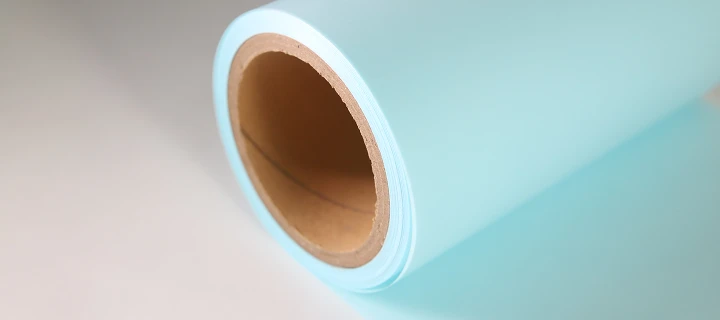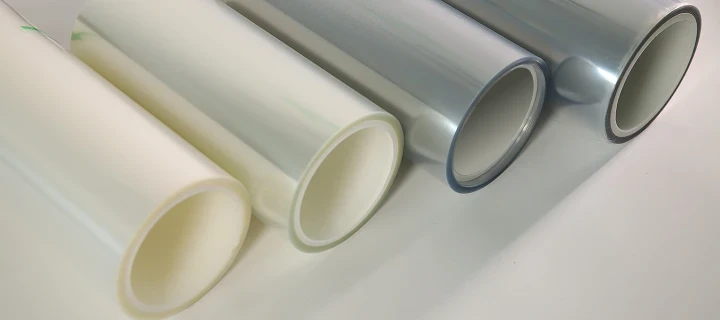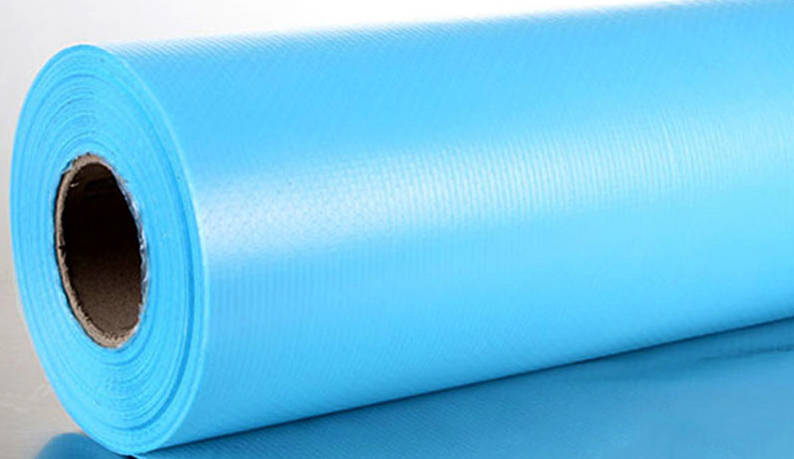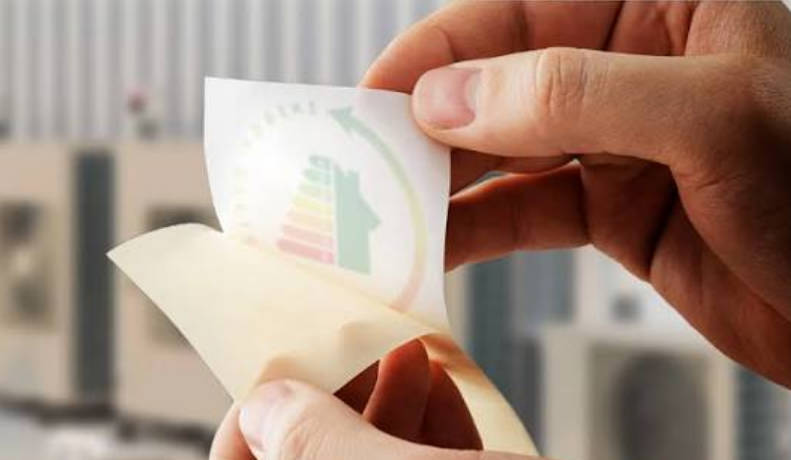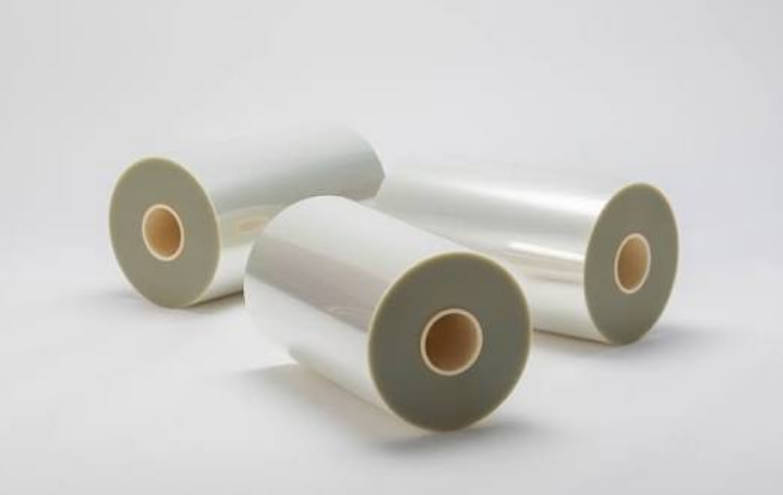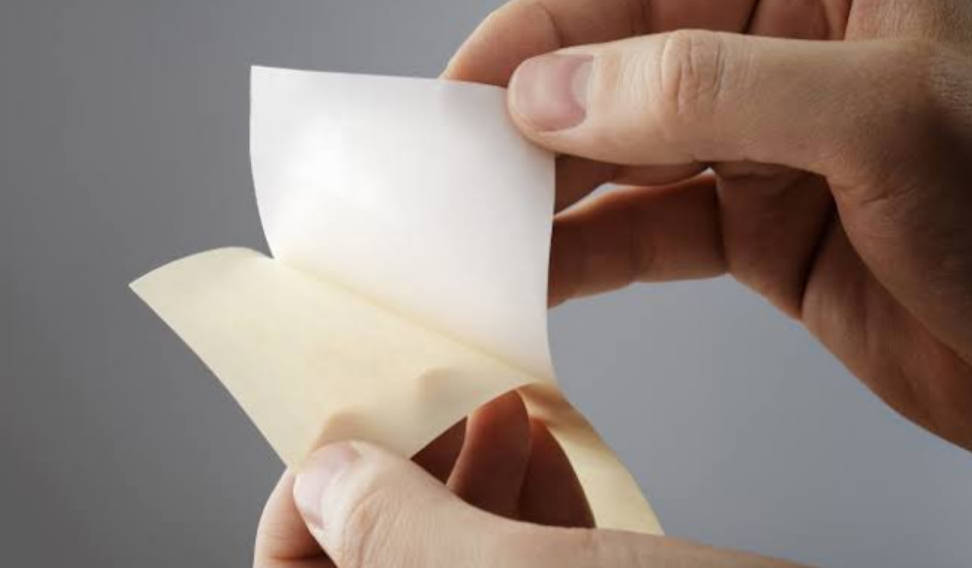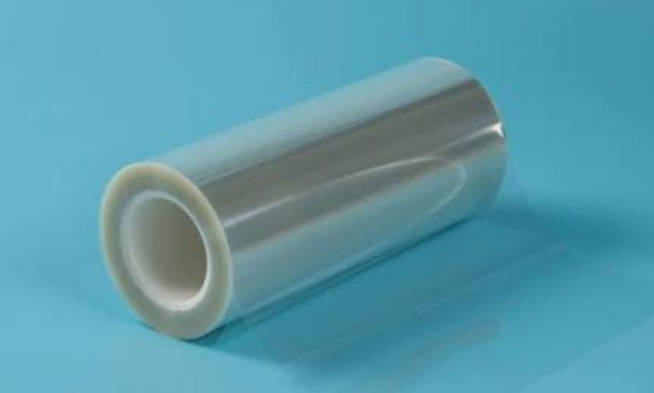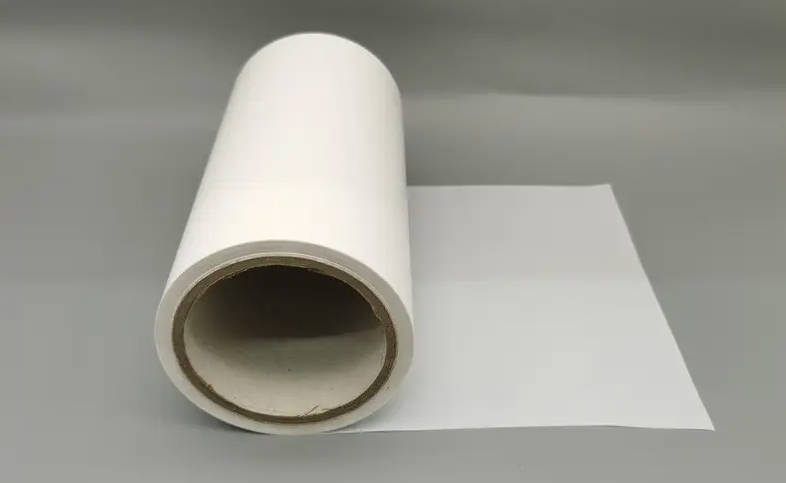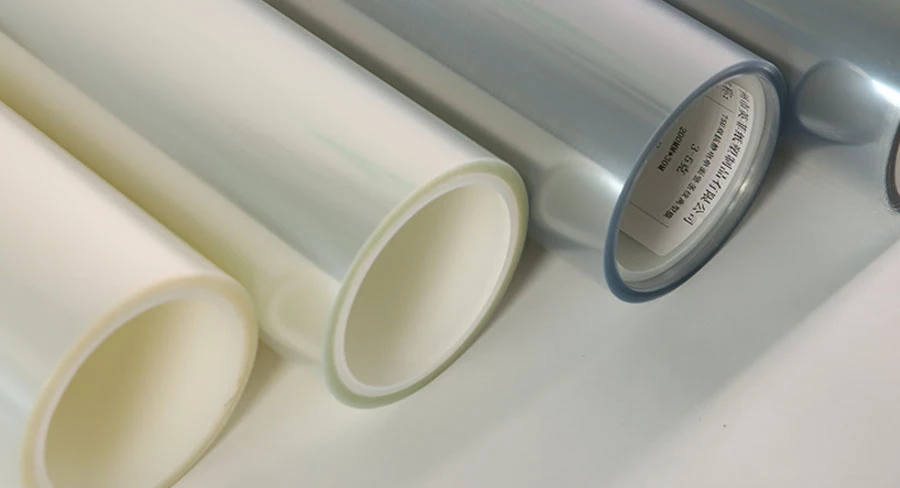
A silicone release liner is a paper or film substrate coated with silicone to create a controlled non-stick surface. It protects adhesives, sticky materials, rubber compounds, labels, tapes, films, and die-cut parts before they are applied or processed. In industrial applications, the main purpose of a silicone release liner is not only to “release” easily, but to release at the right force, at the right time, without damaging the adhesive or finished product.
Silicone release liners are widely used in pressure-sensitive labels, double-sided tapes, protective films, medical dressings, electronics materials, automotive foam tapes, graphic films, and composite processing. Depending on the application, buyers may choose silicone release paper, silicone release film, single-side silicone liner, double-side silicone liner, PET release film, PE-coated paper, or other customized release materials.
For manufacturers that need stable peeling, clean unwinding, die-cutting accuracy, and consistent production performance, selecting the right release film is a technical decision rather than a simple packaging choice.
What Is a Silicone Release Liner?
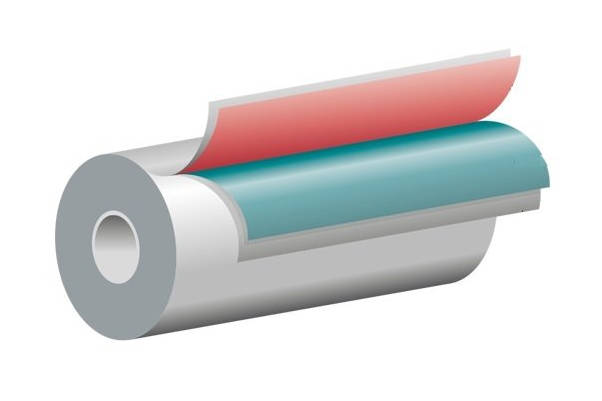
A silicone release liner is a temporary carrier or protective layer used to prevent adhesive-coated materials from sticking to unwanted surfaces. It is usually made from paper or plastic film and coated with a silicone release agent on one or both sides.
The basic structure usually includes:
| Layer | Function |
|---|---|
| Base substrate | Provides strength, thickness, dimensional stability, and processing support |
| Primer or barrier layer | Improves silicone anchorage or prevents coating penetration in some structures |
| Silicone release coating | Provides controlled release from adhesive or tacky material |
| Optional back coating | Improves antistatic behavior, printing, friction, or backside performance |
A release liner is not part of the final adhesive product in many applications, but it strongly affects how that product is manufactured, stored, converted, and applied.
For example, in pressure-sensitive adhesive labels, the liner supports the adhesive label during coating, die-cutting, waste matrix removal, slitting, printing, shipping, and final label dispensing. A poor liner can cause adhesive transfer, label lifting, web breaks, poor die-cutting, blocking, or unstable peeling.
Silicone Release Liner vs Silicone Release Film vs Silicone Release Paper
The terms are often used together, but they are not exactly the same.
| Term | Meaning | Common Base Material | Typical Applications |
|---|---|---|---|
| Silicone release liner | General term for silicone-coated paper or film liner | Paper or film | Labels, tapes, medical, electronics, packaging |
| Silicone release paper | Paper-based liner coated with silicone | Glassine, kraft, CCK, SCK, PE-coated paper | Labels, adhesive sheets, tapes, envelopes |
| Silicone release film | Film-based liner coated with silicone | PET, PE, PP, BOPP, MOPP | Electronics, optical films, high-precision die-cutting, protective films |
| Release film | Broader film-based release material, may use silicone or other release systems | PET, PE, PP, etc. | Industrial adhesive films, composites, lamination, die-cutting |
Silicone release paper is commonly selected when cost efficiency, printability, and paper handling are important. Silicone release film is often preferred when the application needs better transparency, dimensional stability, heat resistance, moisture resistance, or precision die-cutting.
If your application involves tight dimensional tolerance, clean-room processing, high-speed slitting, optical components, electronics assembly, or thin adhesive films, a film-based silicone release film may be more suitable than standard release paper.
Why Silicone Is Used for Release Liners
Silicone is widely used because it can form a low-surface-energy coating. This allows adhesive materials to remain protected while still being removable when needed. In industrial production, the release coating must balance several requirements:
- It should allow clean peeling.
- It should not transfer excessive silicone to the adhesive.
- It should remain anchored to the substrate.
- It should perform consistently after storage.
- It should match the adhesive chemistry and converting process.
The quality of a silicone release liner depends on the balance between release force, silicone anchorage, coating uniformity, substrate stability, and compatibility with the adhesive system.
Release performance is not universal. A liner that works well with acrylic adhesive may not perform the same way with rubber adhesive, silicone adhesive, hot melt adhesive, or medical pressure-sensitive adhesive. That is why industrial buyers usually need sample testing before bulk production.
How Silicone Release Liners Work
The working principle is simple but technically important. The silicone coating creates a surface that reduces adhesion between the liner and the adhesive layer. When peeling occurs, the adhesive should separate cleanly from the liner while remaining functional on the face material or target substrate.
In practice, release behavior is affected by:
| Factor | How It Affects Performance |
|---|---|
| Silicone chemistry | Determines easy, medium, or tight release behavior |
| Coating weight | Affects release consistency and coverage |
| Curing condition | Influences anchorage, migration, and residual reactivity |
| Base substrate | Affects flatness, strength, temperature resistance, and die-cutting |
| Adhesive type | Different adhesives interact differently with silicone surfaces |
| Aging time | Release force may change after storage or heat exposure |
| Peeling speed and angle | Test results can vary depending on test method |
| Coating side | Single-side or double-side silicone affects winding and processing |
For high-volume industrial production, the buyer should not only ask whether the liner “releases.” The better question is: does it release within the required force range under actual machine speed, storage condition, and adhesive formulation?
Common Industrial Applications of Silicone Release Liners
Silicone release liners are used across many industrial sectors because many products involve pressure-sensitive adhesive layers or tacky materials. Industry examples include tapes, labels, medical products, graphics, hygiene products, electronics, and composite-related applications.
1. Pressure-Sensitive Labels
Labels require release liners for coating, converting, kiss-cutting, matrix stripping, printing, and automatic dispensing. Paper-based liners such as glassine or kraft paper are commonly used, while PET liners may be selected for higher dimensional stability or special labeling processes.
Key requirements include:
- Stable release force
- Good die-cutting support
- Smooth surface
- Low curling
- Clean label dispensing
- Compatibility with label adhesive
2. Adhesive Tapes and Double-Sided Tapes
Double-sided tapes often require one or two release surfaces. A double-side silicone release liner can prevent blocking when the tape is wound into rolls. For foam tapes, transfer tapes, and bonding tapes, the release liner must support coating, lamination, slitting, and end-use application.
For tape manufacturers, release force consistency is especially important. If the liner is too easy to release, the tape may lift or shift during converting. If it is too tight, the user may experience tearing, stretching, or adhesive deformation.
3. Electronics and Optical Materials
Electronics applications often need film-based release liners because PET release film provides better flatness, transparency, dimensional stability, and heat resistance than many paper liners. These properties are useful for display films, optical adhesives, insulation materials, protective films, thermal interface materials, and precision die-cut components.
A suitable industrial release film can help reduce defects in lamination, punching, slitting, and assembly.
4. Medical and Healthcare Products
Medical dressings, wound care products, hydrogel patches, transdermal patches, and surgical adhesive components often use release liners to protect skin-contact adhesives. The liner should peel cleanly without contaminating the adhesive or damaging the product structure.
Medical applications may require stricter control over cleanliness, silicone transfer, odor, extractables, and regulatory documentation. Supplier capability and traceability become especially important in these applications.
5. Automotive and Industrial Bonding
Automotive foam tapes, sealing materials, insulation pads, anti-vibration materials, and interior adhesive parts often use release liners during die-cutting and assembly. The liner must withstand storage, transportation, and installation conditions.
In some cases, the liner also needs good tear resistance so operators can remove it smoothly during manual or automated assembly.
6. Packaging, Envelopes, and Graphic Films
Silicone release paper is often used for envelopes, sealing strips, self-adhesive packaging, graphic films, and protective laminates. These applications may focus on cost, printability, appearance, and smooth user experience.
Single-Side vs Double-Side Silicone Release Liner
One important purchasing decision is whether to choose single-side or double-side silicone coating.
| Type | Structure | Advantages | Common Uses |
|---|---|---|---|
| Single-side silicone liner | Silicone coated on one side only | Cost-effective, suitable when only one adhesive surface needs release | Labels, adhesive sheets, single-sided tapes |
| Double-side silicone liner | Silicone coated on both sides | Prevents blocking, supports roll winding, allows release from both sides | Double-sided tapes, transfer tapes, foam tapes, composite materials |
| Differential release liner | Both sides coated but with different release forces | Allows controlled release sequence | Double-sided tape, transfer adhesive, multilayer lamination |
For double-sided adhesive products, differential release is often more important than simply coating both sides with silicone. One side may need easy release while the other side needs tight release, so the adhesive stays on the correct side during unwinding, lamination, or application.
Paper-Based vs Film-Based Silicone Release Liners
Choosing between silicone release paper and silicone release film depends on your product structure, converting process, budget, and performance requirements.
| Comparison Item | Silicone Release Paper | Silicone Release Film |
|---|---|---|
| Common materials | Glassine, kraft, CCK, SCK, PE-coated paper | PET, PE, PP, BOPP, MOPP |
| Surface smoothness | Good, varies by paper type | Very smooth and uniform |
| Transparency | Usually opaque | Can be transparent |
| Dimensional stability | Moderate to good | Usually higher, especially PET |
| Moisture resistance | Depends on paper and coating | Generally better |
| Heat resistance | Depends on paper and structure | PET film usually performs better |
| Die-cutting precision | Good for many label/tape uses | Better for precision parts |
| Cost | Often lower | Often higher |
| Typical applications | Labels, general tapes, packaging | Electronics, optical films, medical, high-precision die-cutting |
For general label and packaging applications, silicone release paper may be sufficient. For electronics, optical adhesives, medical components, and high-precision converting, silicone release film is often a more reliable choice.
Key Technical Parameters Buyers Should Confirm
Before sourcing silicone release liners, buyers should confirm technical parameters instead of only asking for thickness and price.
1. Release Force
Release force refers to the force required to peel the adhesive from the liner. It may be described as easy release, medium release, tight release, or by measured values under specific test conditions.
Important details include:
- Test adhesive type
- Peeling speed
- Peeling angle
- Aging condition
- Test temperature and humidity
- Initial and aged release values
2. Substrate Type and Thickness
Common substrates include PET film, PE film, PP film, glassine paper, kraft paper, CCK paper, SCK paper, and PE-coated paper. Thickness affects strength, stiffness, flatness, roll diameter, and die-cutting performance.
3. Silicone Coating Side
Clarify whether you need:
- One-side silicone coating
- Two-side silicone coating
- Differential release coating
- Anti-static or backside treatment
- Printable backside surface
4. Adhesive Compatibility
The release liner must match the adhesive system. Acrylic, rubber, hot melt, silicone, hydrogel, and UV adhesive systems may require different release coatings.
5. Converting Performance
For slitting, die-cutting, punching, lamination, or automatic dispensing, the liner should have stable thickness, low curling, good tensile strength, and predictable release.
6. Cleanliness and Defect Control
For electronics, optical, and medical applications, buyers may need to control particles, gels, fish eyes, coating streaks, silicone transfer, and roll-end contamination.
How to Choose the Right Silicone Release Liner
A practical selection process can reduce trial-and-error costs.
| Step | What to Check | Why It Matters |
|---|---|---|
| 1 | Identify adhesive type | Different adhesives need different release systems |
| 2 | Define application process | Coating, laminating, die-cutting, slitting, or final application may require different liners |
| 3 | Choose paper or film substrate | Affects cost, stability, strength, and surface quality |
| 4 | Select release level | Easy, medium, tight, or differential release |
| 5 | Confirm single-side or double-side silicone | Prevents blocking and controls release sequence |
| 6 | Test under real conditions | Lab release may differ from production release |
| 7 | Verify supplier consistency | Batch stability matters for industrial production |
When buyers are unsure, it is better to provide the supplier with adhesive type, coating weight, product structure, roll size, converting method, and application environment. This allows the supplier to recommend a more suitable release film material instead of offering only a standard grade.
Common Mistakes When Buying Silicone Release Liners
Mistake 1: Choosing Only by Price
A lower-cost liner may create higher hidden costs if it causes web breaks, die-cutting defects, adhesive contamination, unstable peeling, or customer complaints.
Mistake 2: Ignoring Adhesive Compatibility
Release performance depends heavily on adhesive chemistry. A liner that works for one adhesive may fail with another.
Mistake 3: Using Paper Liner for Precision Film Applications
Paper liners may not provide enough dimensional stability or surface cleanliness for certain optical, electronics, or thin-film adhesive products.
Mistake 4: Not Testing Aged Release
Some liners perform well initially but change after heat aging, storage, or pressure. Aged release testing is important for products with long shelf life.
Mistake 5: Confusing Double-Side Silicone with Differential Release
Double-side silicone means both sides are coated. Differential release means the two sides have different release forces. For double-sided tapes, this difference can be critical.
Mistake 6: Overlooking Roll Quality
Wrinkles, telescoping, blocking, uneven winding, and roll contamination can affect production efficiency even if the material itself meets basic specifications.
How to Evaluate a Silicone Release Liner Supplier
A good supplier should understand both material production and downstream converting. Buyers should evaluate more than price and delivery time.
| Supplier Capability | What to Ask |
|---|---|
| Material options | Can they provide PET, PE, PP, paper-based, and customized release materials? |
| Silicone coating control | Can they offer easy, medium, tight, or differential release? |
| Customization | Can they adjust thickness, width, release force, and coating side? |
| Quality consistency | Do they control coating uniformity, roll quality, and batch stability? |
| Technical support | Can they recommend materials based on adhesive and process? |
| Sample testing | Can they provide samples for trial production? |
| Industrial experience | Do they understand label, tape, electronics, medical, or packaging applications? |
For B2B buyers, the ideal supplier is not only a material seller but also a technical partner. If your project involves adhesive films, protective films, die-cutting materials, or lamination processes, reviewing release film options early can help avoid material mismatch later.
FAQ
1. What is a silicone release liner used for?
A silicone release liner is used to protect adhesive or tacky surfaces before application. It allows labels, tapes, films, medical dressings, and die-cut parts to be stored, processed, and peeled cleanly when needed.
2. What is the difference between silicone release film and silicone release paper?
Silicone release paper uses a paper substrate, while silicone release film uses a plastic film substrate such as PET, PE, or PP. Release film usually offers better dimensional stability, transparency, moisture resistance, and precision converting performance.
3. How do I choose the right silicone release liner for adhesive products?
Start with adhesive type, release force requirement, substrate preference, coating side, converting process, thickness, and end-use environment. Sample testing under actual production conditions is recommended before bulk ordering.
4. What does release force mean in silicone release liners?
Release force is the force needed to peel the adhesive layer away from the liner. It can be easy, medium, or tight depending on the adhesive system and application process.
5. When should I use double-side silicone release liner?
Double-side silicone release liner is useful when adhesive or tacky materials may contact both sides of the liner, especially in double-sided tapes, transfer adhesives, foam tapes, and roll-wound materials.
6. Is PET silicone release film better than release paper?
PET silicone release film is not always “better,” but it is often more suitable for precision applications that require flatness, transparency, strength, moisture resistance, and dimensional stability. Release paper may still be more economical for labels and general packaging.
7. Can silicone release liners be customized?
Yes. Silicone release liners can commonly be customized by substrate type, thickness, width, release force, single-side or double-side coating, color, transparency, and roll format depending on supplier capability.
Conclusion
Silicone release liners are essential materials in adhesive-related manufacturing. They protect adhesive surfaces, support converting processes, and control how products peel, laminate, dispense, and perform in final use.
The right silicone release liner should match the adhesive, substrate, release force, coating side, converting process, and end-use environment. For industrial buyers, this means selection should be based on technical compatibility, not only material name or price.
If your application requires stable peeling, clean converting, and reliable roll-to-roll processing, choosing the right release film can improve production consistency and reduce downstream material issues.