
Release Film for EV Battery Assembly Requirements
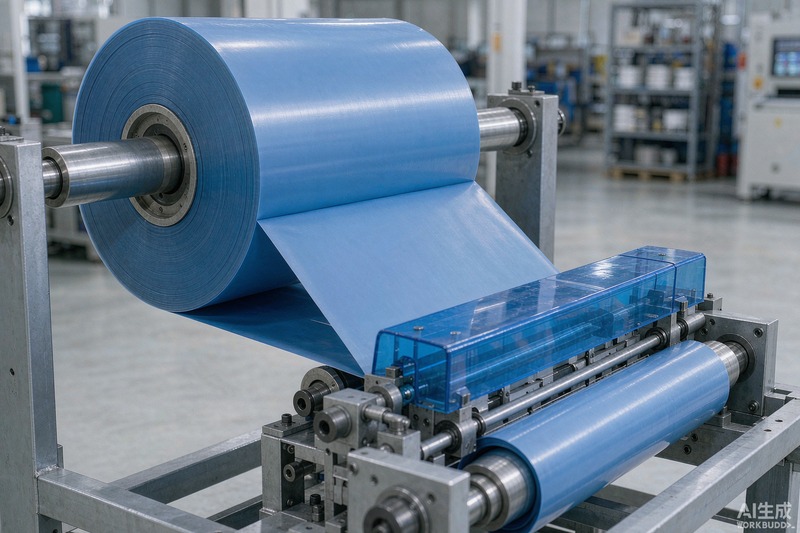
Learn what converters should specify when choosing release film for EV battery assembly, from release force and heat resistance to slitting, dimensional stability, and surface cleanliness.
Antistatic Release Film for Electronics Converting
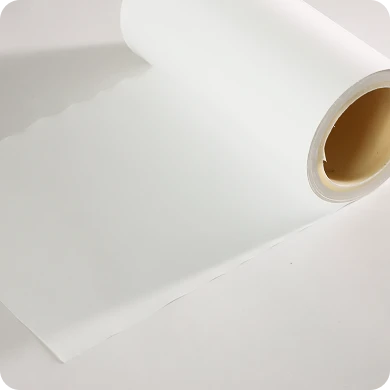
Where static damages components and disrupts cleanroom converting, how antistatic release film manages charge, and what to specify on the datasheet.
Colored and Opaque PET Release Films: Blue Liners Explained
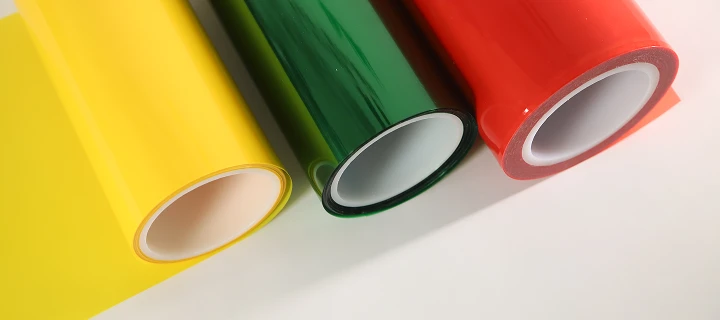
Why blue and opaque PET release films are used on optical and display lines, how colour helps defect detection, and how to specify liner colour.
Double-Sided Release Film with Differential Release Force
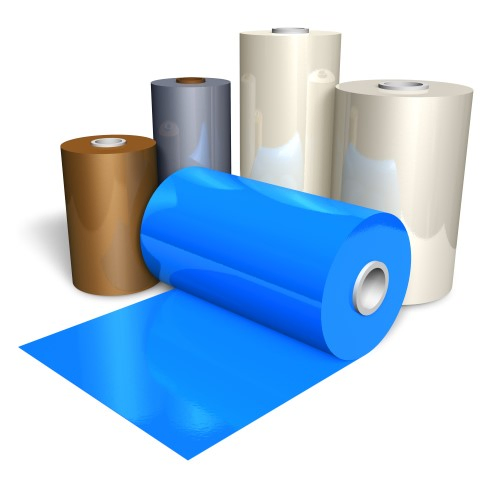
How differential release force works on double-sided release films, which side should be tighter, and how converters specify and verify both sides.
BOPP vs PET Release Film: Properties and Selection Guide
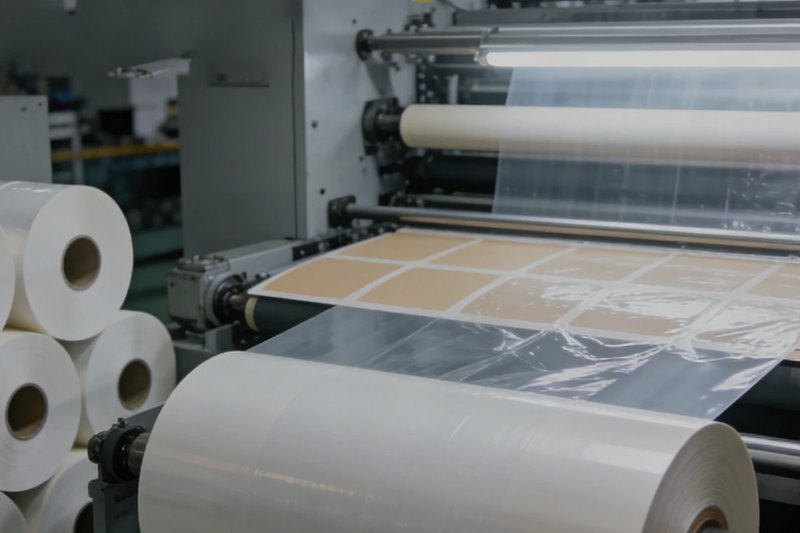
Compare BOPP and PET release film on heat resistance, stiffness, clarity and cost per square metre, then pick the right substrate for your line.
Release Film Surface Finish: Glossy vs Matte Explained
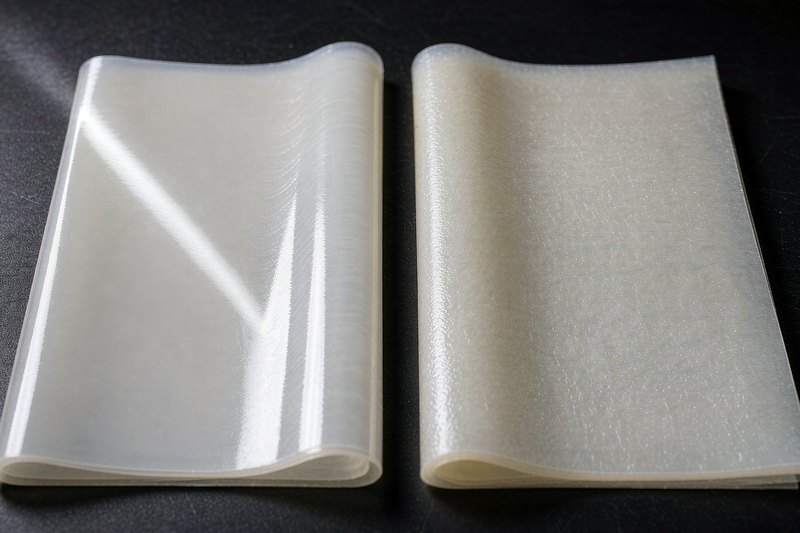
Glossy and matte release film finishes transfer differently to adhesives and change appearance and inspection. Learn how to specify the right finish.
Glassine Release Paper: Characteristics, Manufacturing, and Top Applications

Glassine release paper is an ultra-dense, semi-transluc […]
PET Release Film vs. Release Paper: Engineering & Selection Guide for Industrial Converters
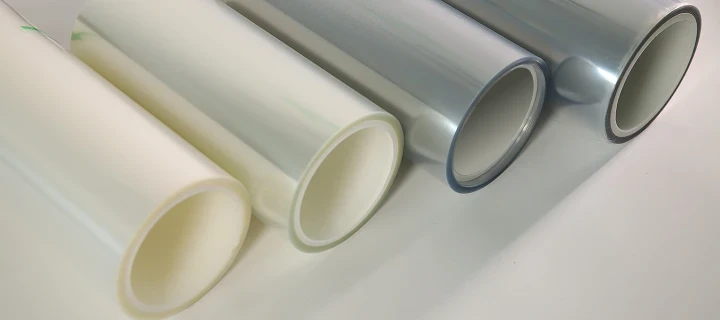
Choosing between polyester (PET) release film and relea […]
How to Store Release Film and Release Paper Properly
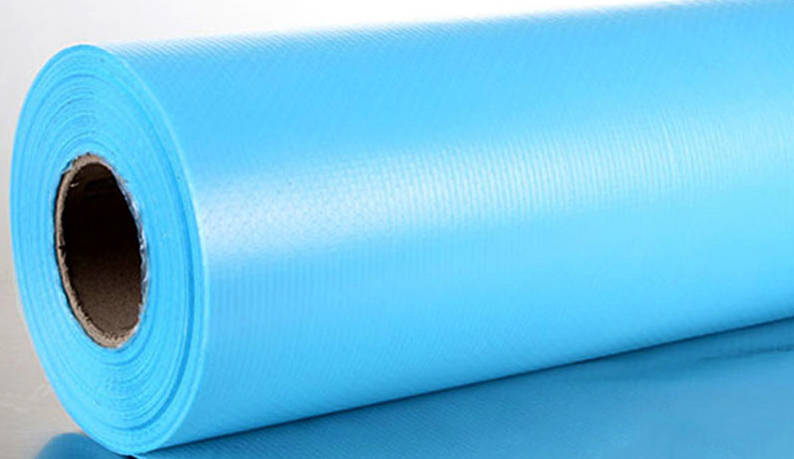
Release film and release paper should be stored in a cl […]
Why Consistent Release Force Matters for Converting and Die Cutting
A release liner may account for only one layer of an ad […]