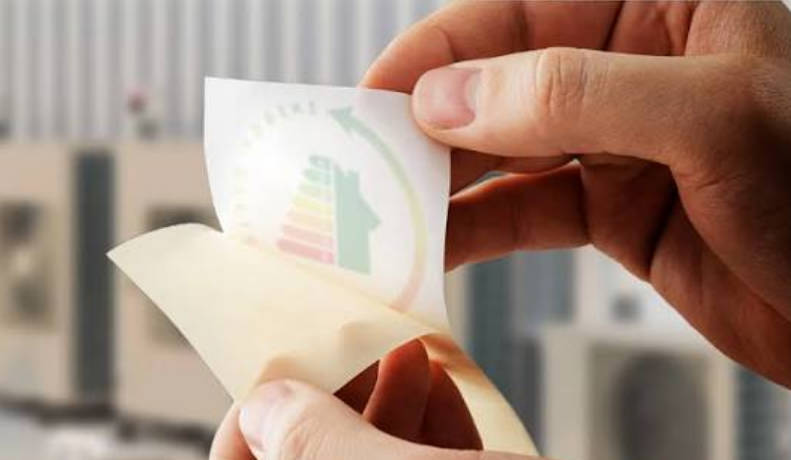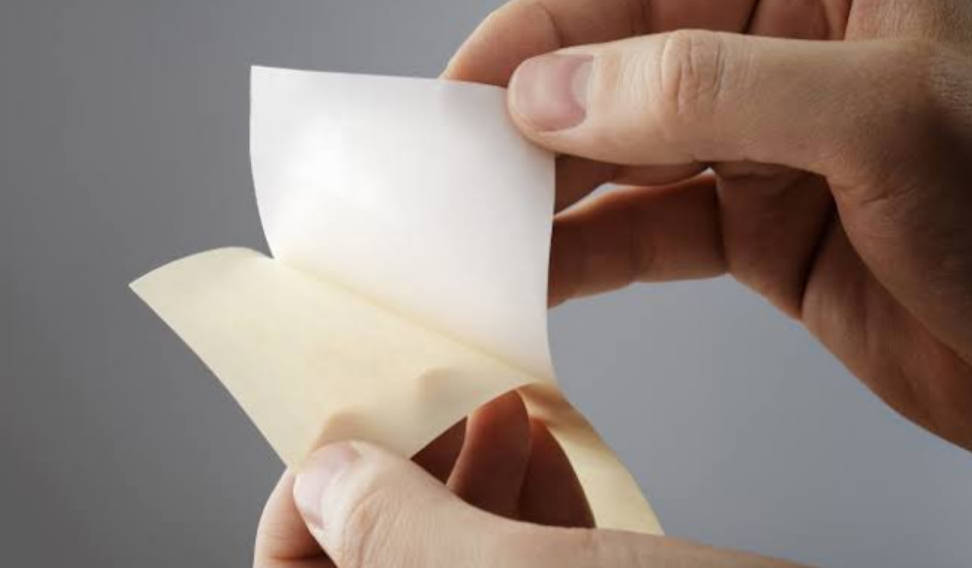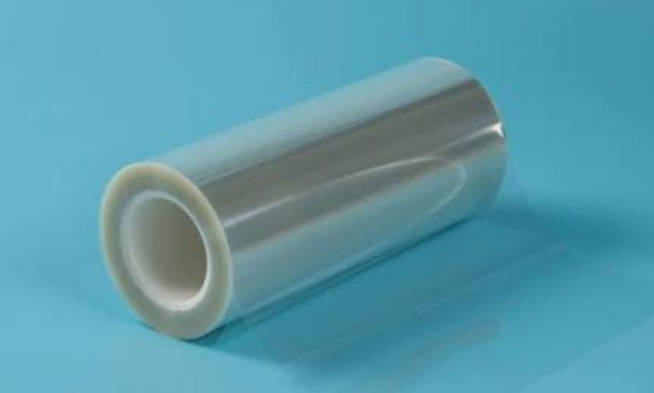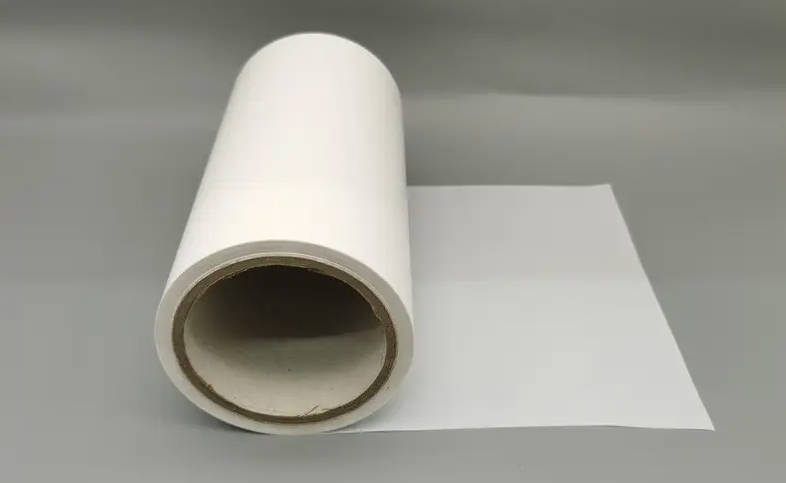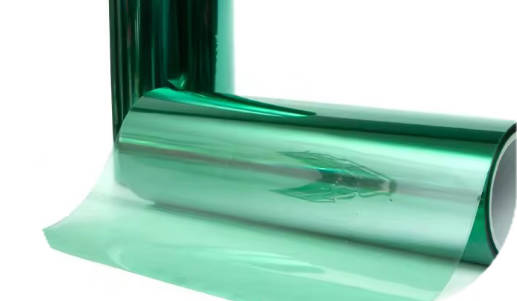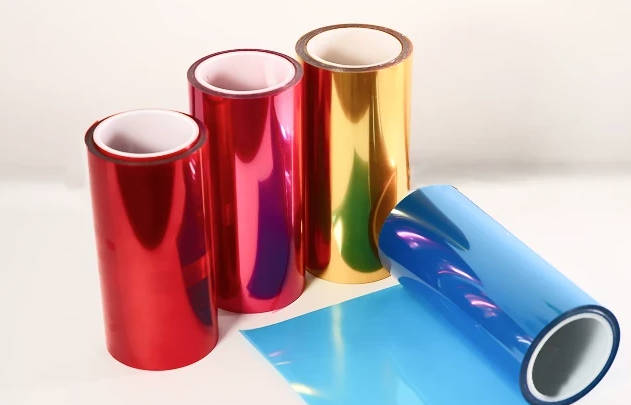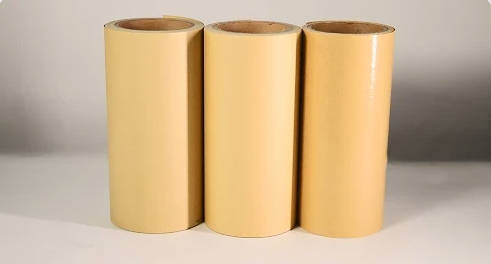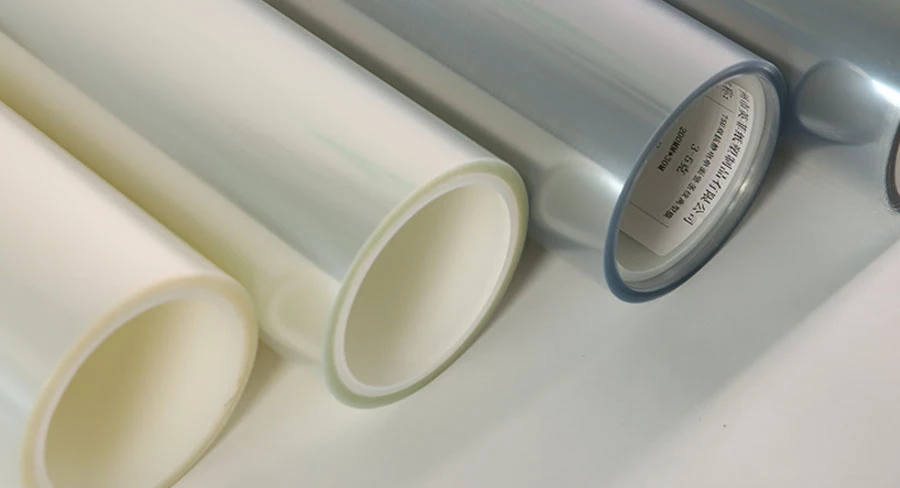
Electric vehicle battery packs rely on adhesive bonding, thermal interface pads, and die-cut components that must be easy to handle during assembly. A release film for EV battery assembly carries the adhesive or pre-applied material through slitting, die cutting, and laminating, then peels away cleanly without leaving residue or altering electrical properties. This article explains the converting requirements that matter most when specifying a battery-grade release film.
What Release Film Does in EV Battery Assembly
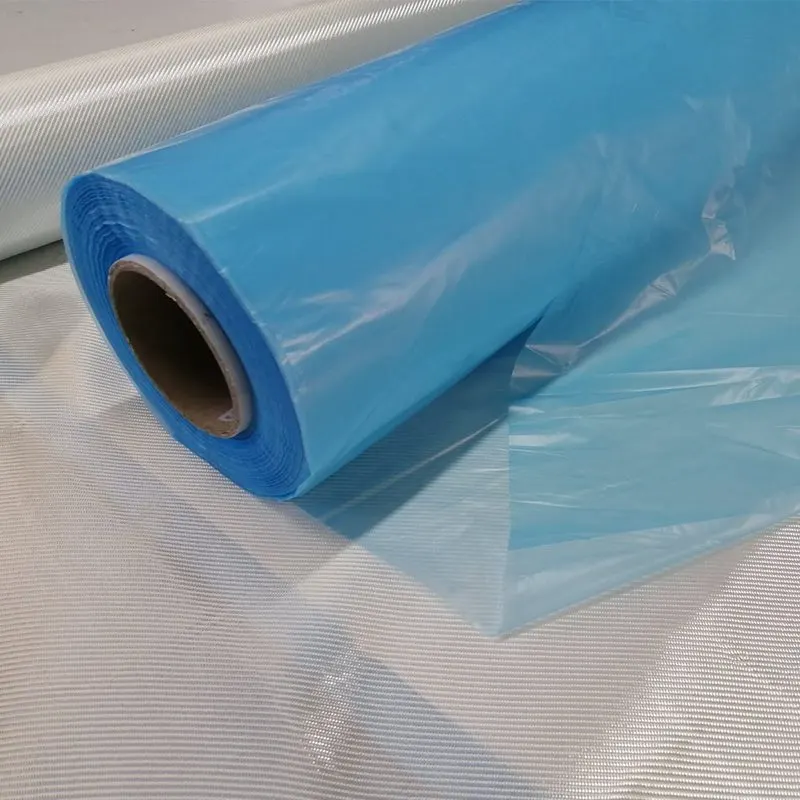
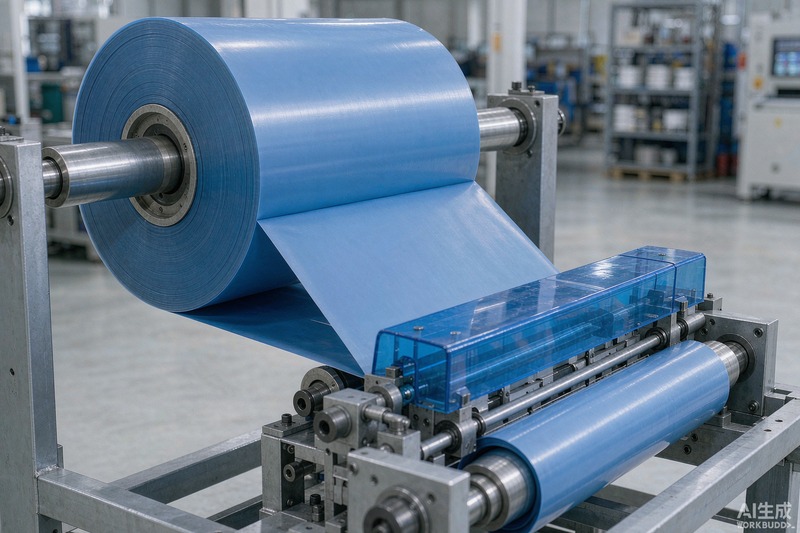
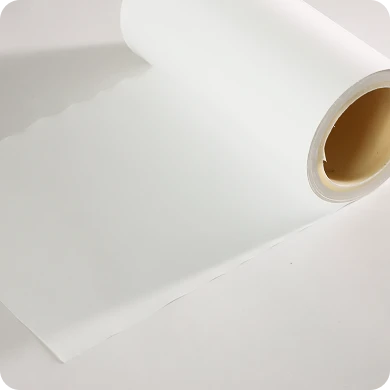
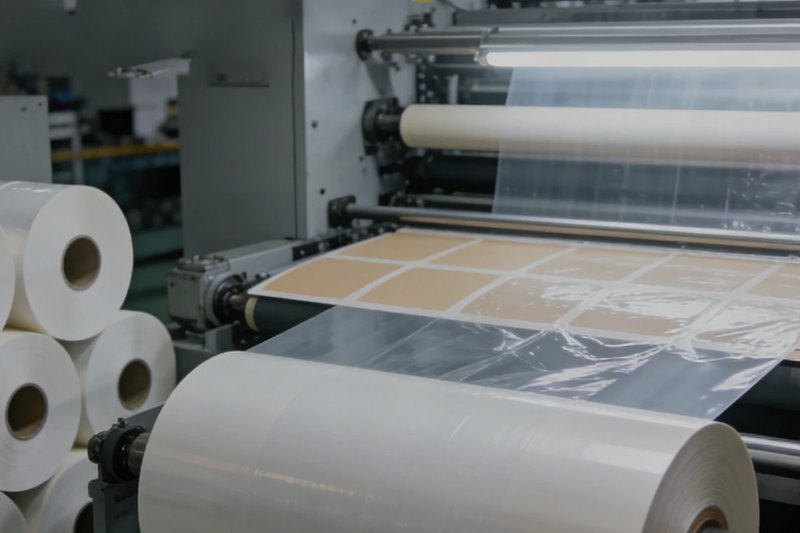
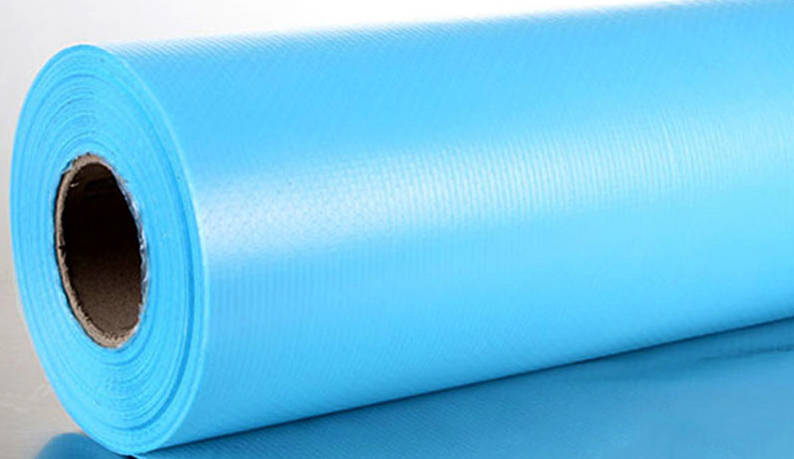
In battery-pack manufacturing, many components arrive as rolls of silicone release film laminated to pressure-sensitive adhesive, foam, or thermal-interface material. The film acts as a temporary backing or carrier. It supports the material through high-speed unwinding, tension-controlled slitting, and rotary die cutting, then releases at the point of assembly so the adhesive can be laminated into place.
Because the same film must release predictably on a production line and remain stable inside a battery module, converters treat it as part of the material stack rather than a simple disposable layer. An engineered release liner can be specified with substrate thickness, release level, and winding format matched to the downstream process.
Key Performance Requirements for Battery-Grade Release Films
Release Force and Die-Cutting Cleanliness
Release force determines how easily the liner separates from the adhesive. If release is too tight, automated pick-and-place stations struggle; if it is too easy, the adhesive may lift prematurely during die cutting. The right range depends on adhesive chemistry, die-cutting speed, and whether the liner stays with the part until final lamination. Low silicone transfer is also important, because residue on the adhesive surface can weaken battery-cell bonding or interfere with electrical isolation testing.
Dimensional Stability and Heat Resistance
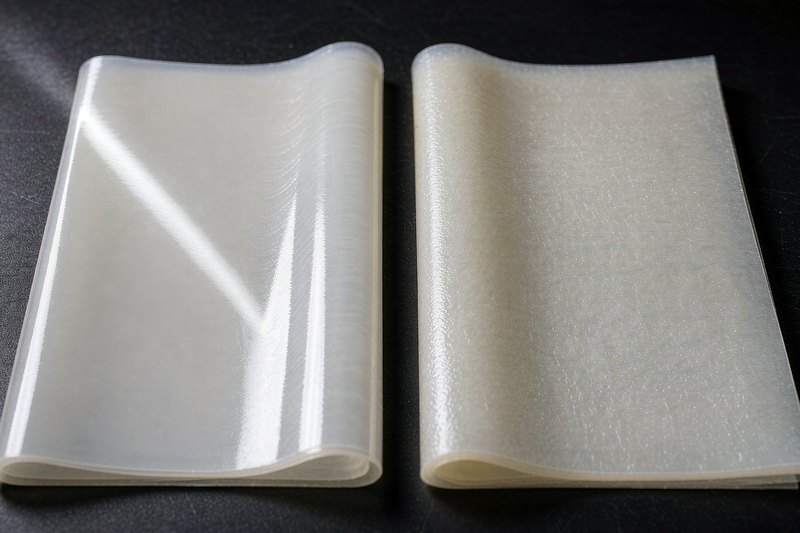
Battery assembly involves elevated temperatures from adhesive curing, module welding, and pack thermal cycling. A release film that stretches or shrinks during processing misaligns die-cut parts and creates waste. PET-based films generally offer higher dimensional stability and heat resistance than PE-based alternatives, but the final choice should be confirmed against the actual temperature profile and lamination conditions of the line.
Electrical Insulation and Surface Purity
Battery modules sit close to high-voltage bus bars and cells, so surface purity matters. Films used near live circuitry should not introduce conductive contamination. Some converters request anti-static or dust-controlled surface treatment, especially when small die-cut parts must remain clean before lamination. The exact specification should be confirmed with the supplier and matched to the application requirements.
PET vs PE Release Film: Which Substrate Fits Battery Applications?
Substrate selection is one of the first decisions converters and battery-component suppliers must make. The table below compares the two common options in practical terms, without fixed specifications that vary by product grade.
| Factor | PET Release Film | PE Release Film |
|---|---|---|
| Dimensional stability | High; resists stretching during tension | Lower; more flexible |
| Heat resistance | Generally higher | Moderate; confirm against process temperature |
| Tensile strength | Higher; supports thin gauges | Lower; more forgiving in conformal applications |
| Typical battery uses | Cell-to-cell adhesive pads, thermal interface materials, die-cut carriers | Lightweight spacers, low-temp lamination aids |
| Cost trend | Higher substrate cost | Lower substrate cost; depends on thickness |
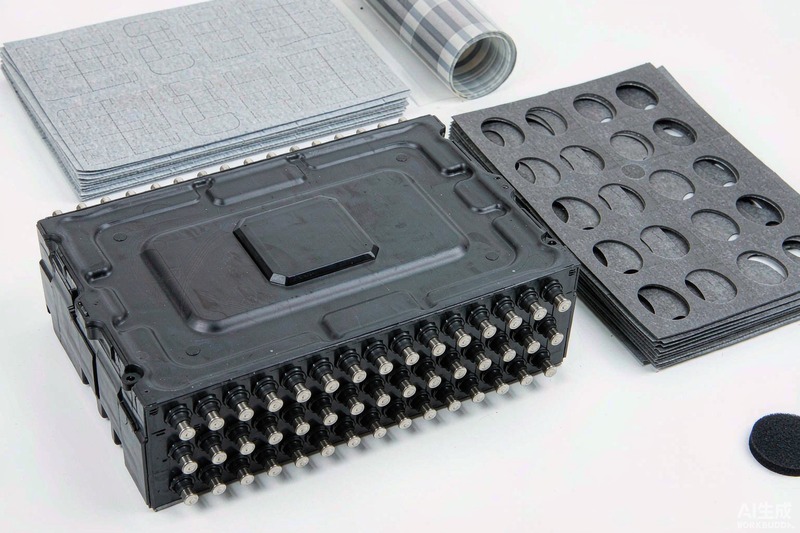
The best substrate is the one that satisfies the converting process first and the end-use environment second. A film that die-cuts cleanly but fails in the battery pack is no better than a film that survives the pack but jams the converting line.
Converting Specifications Converters Should Confirm
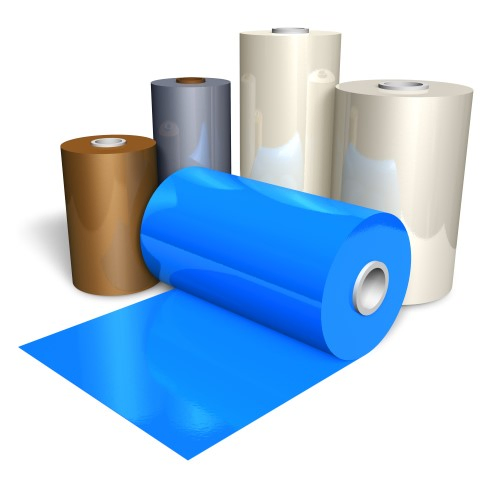
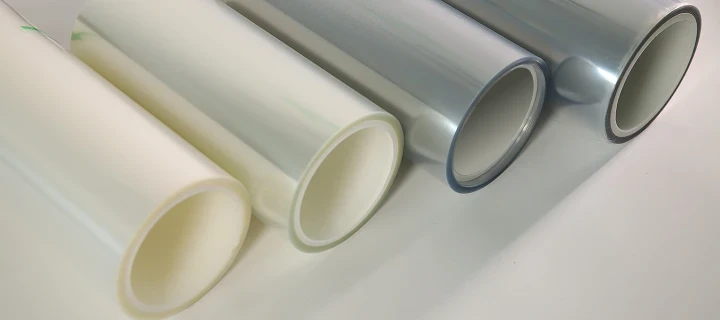
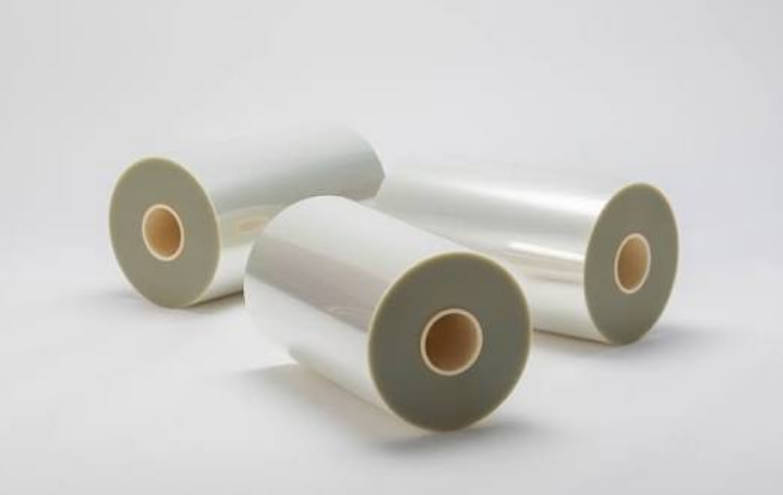
Battery-grade release films are often supplied as slit rolls. The converting specification should cover:
- Slitting width tolerance and edge quality
- Core size and winding direction
- Maximum splices per roll and splice marking method
- Layflat stability to prevent telescoping
- Packaging cleanliness for clean-room or dust-sensitive lines
- Certificate of conformance or release-force test data, if required
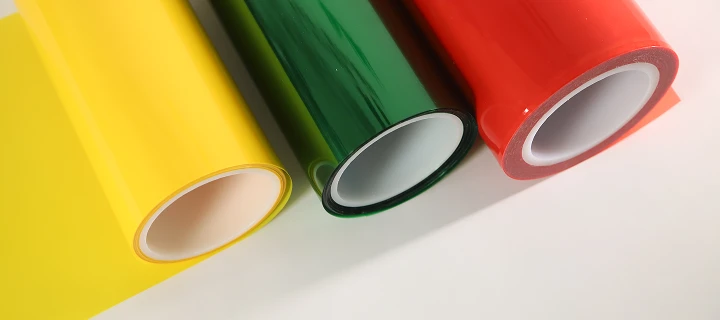
Custom coating & slitting services can match roll width, release level, and surface treatment to the exact converting line. For high-volume battery programs, agreeing on a quality plan and inspection method up front reduces rework and line stoppages.
Converters moving from general adhesive tapes or composite materials into battery applications often find that tighter tolerances and cleaner surfaces make the difference between a stable process and a recurring defect.
FAQ
What release force range is typical for EV battery adhesive films?
There is no universal range. Light, medium, and heavy release levels are chosen based on adhesive tack, die-cutting speed, and whether the liner must stay in place until final assembly. The exact value should be confirmed with the release-film supplier.
Can standard release film be used for battery thermal interface pads?
It depends on the process. Thermal interface pads often require a film with good heat resistance and dimensional stability. PET-based release films are commonly evaluated first, but the final choice depends on pad thickness, lamination temperature, and release force requirements.
Why is low silicone transfer important in battery assembly?
Silicone residue can reduce adhesive bond strength and may interfere with electrical isolation or cleanliness testing. Battery converters usually specify low-migration or controlled-release coatings and confirm transfer through internal testing.
What roll format should converters request?
Request slitting width, core size, winding direction, maximum outer diameter, and splice tolerance that match the laminating or die-cutting line. A roll that runs poorly on the target equipment creates more downtime than material cost savings justify.
How does substrate thickness affect die cutting?
Thinner substrates reduce bulk and waste but need higher tensile strength to avoid web breaks. Thicker substrates add stiffness for handling but may interfere with tight die-cut tolerances. The right thickness balances process stability and part geometry.
Conclusion
Specifying release film for EV battery assembly means balancing release behavior, dimensional stability, heat resistance, and converting cleanliness. The release force must match the adhesive and equipment, the substrate must survive the process temperature and tension, and the surface must stay clean enough for battery-grade assembly. PET and PE substrates each offer practical trade-offs, so the choice should be driven by the actual process conditions rather than cost alone. Finally, converters should confirm slitting tolerances, roll format, and quality documentation before committing to volume supply. A supplier that can provide quality control data and adjust coating or slitting parameters is usually better positioned to support a ramping battery program.
If you are sourcing release film for EV battery assembly, share your adhesive type, die-cutting format, and operating temperature so we can recommend a suitable substrate, release level, and slitting plan.