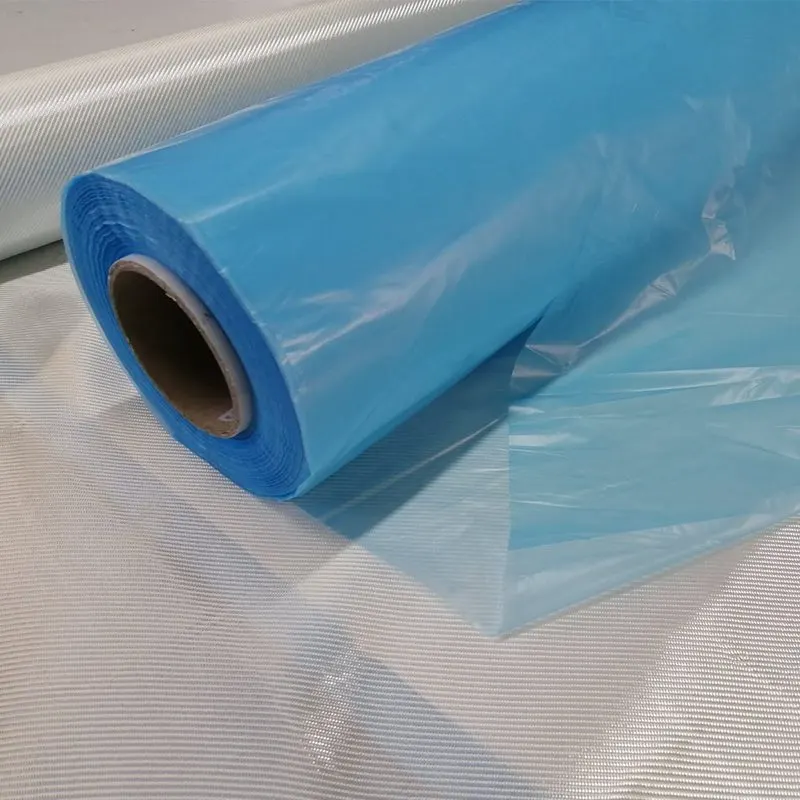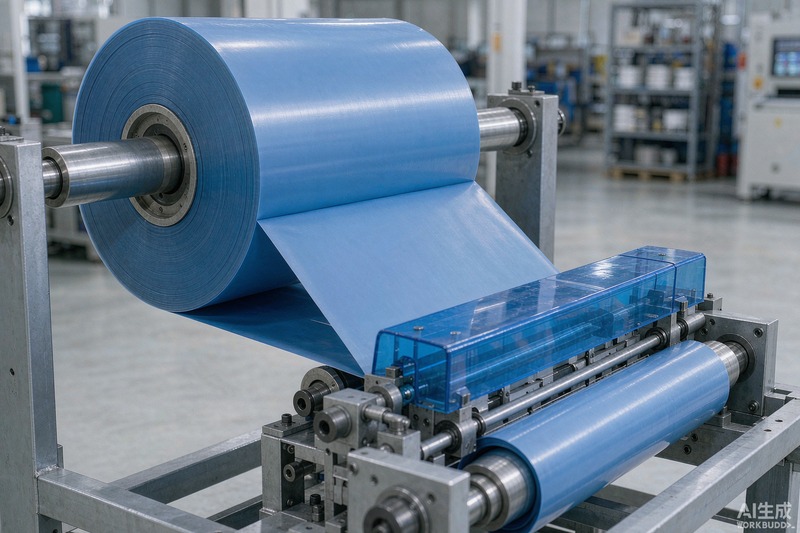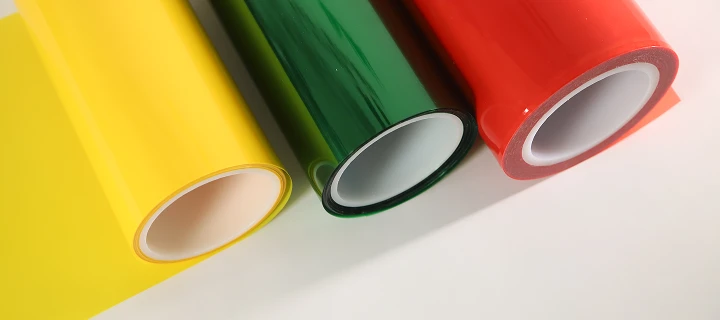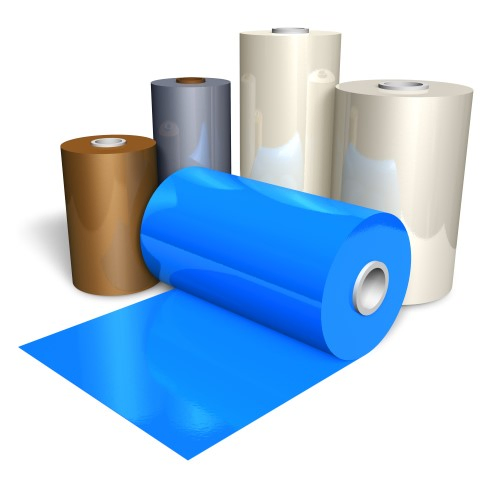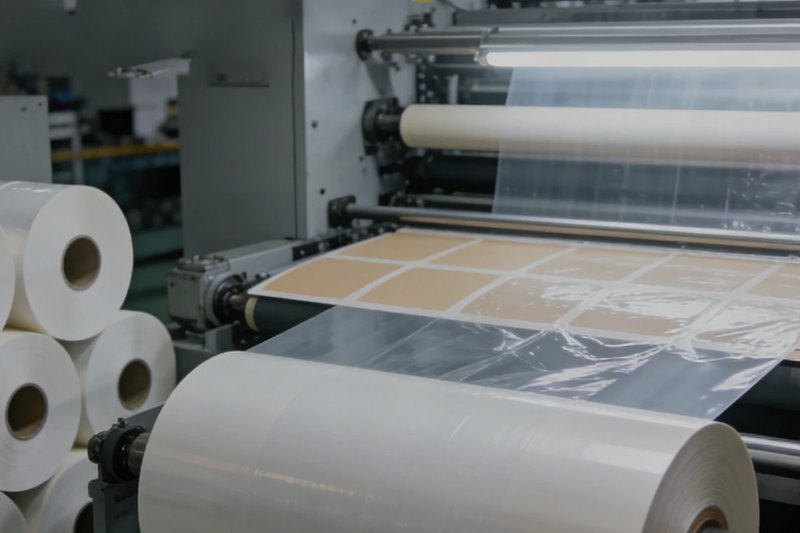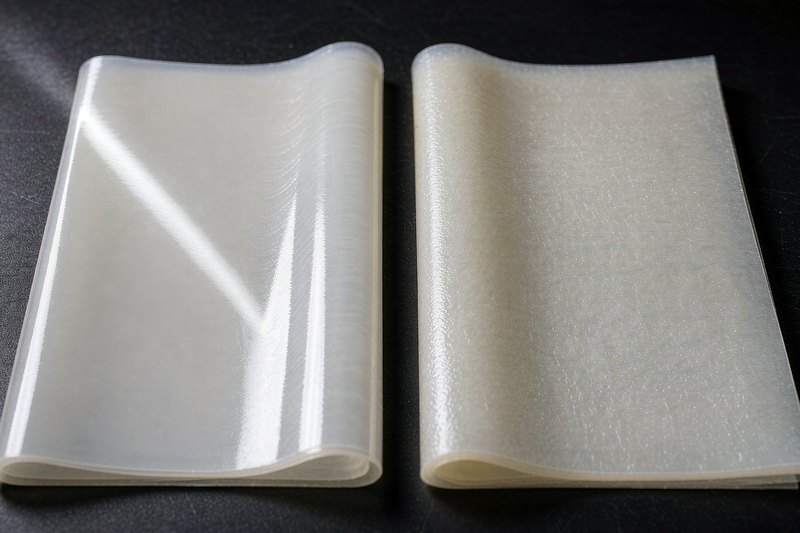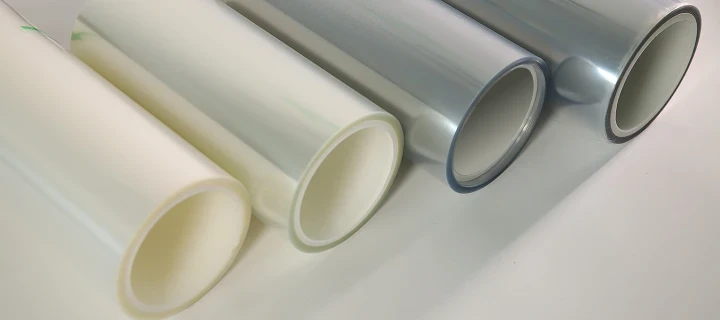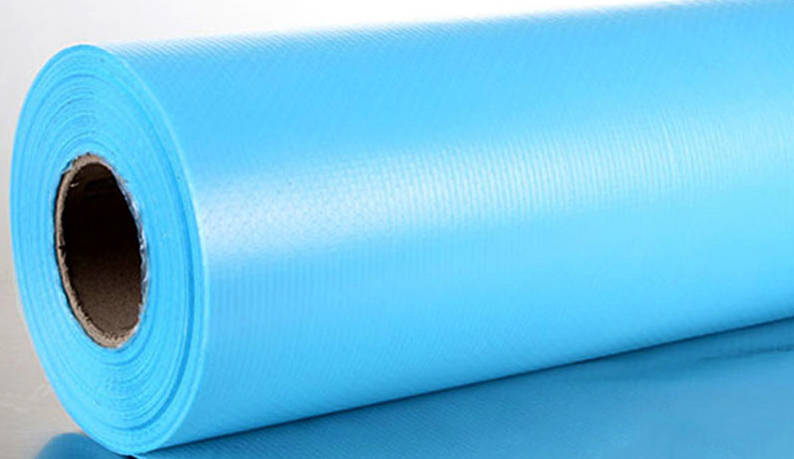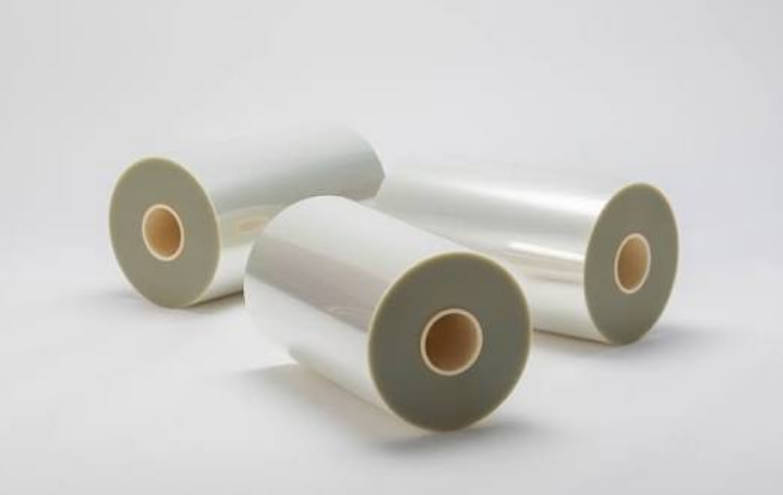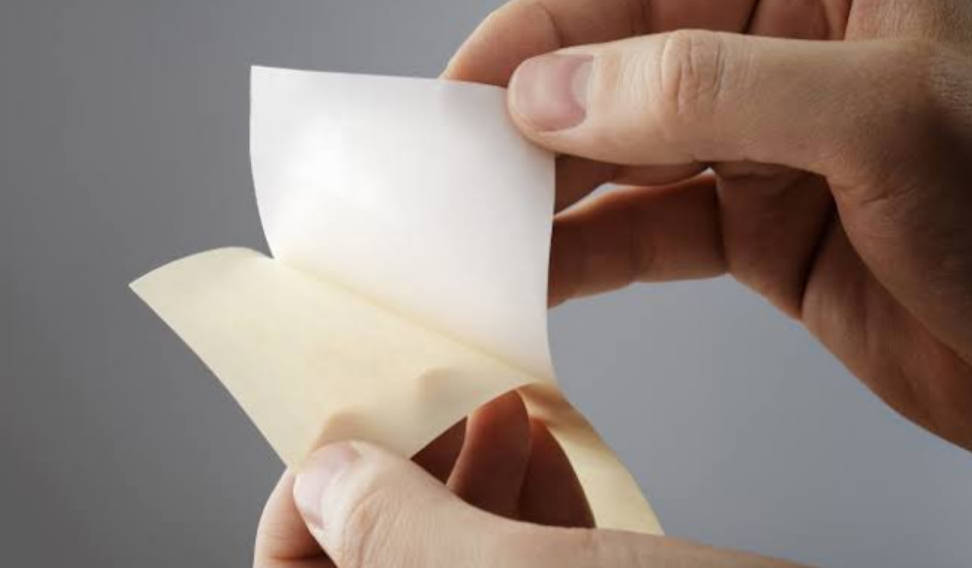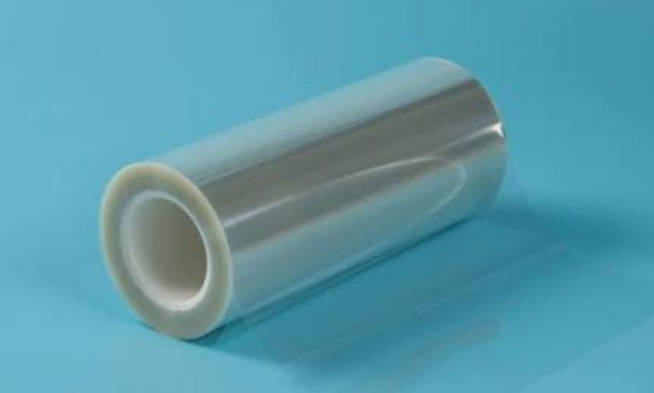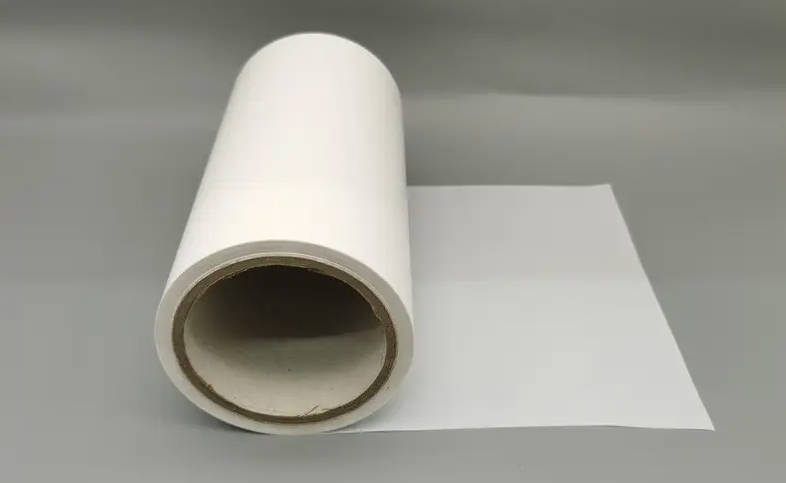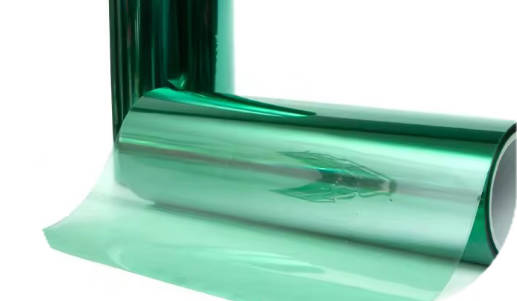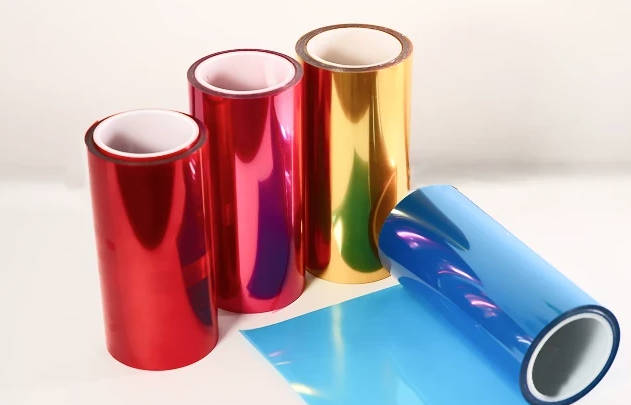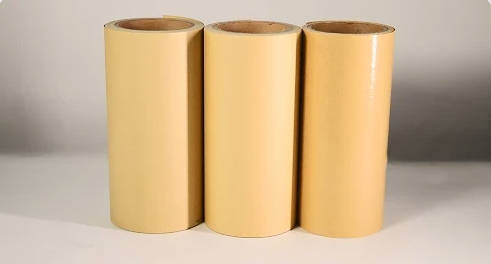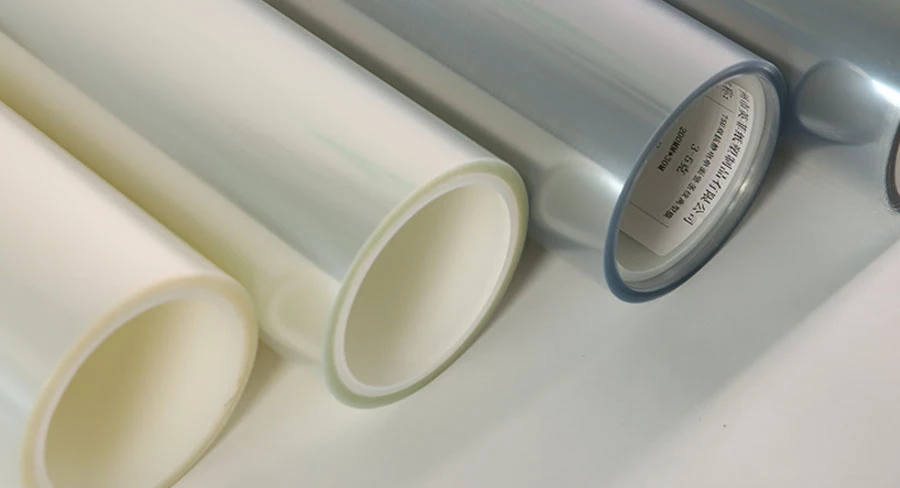
Two rolls of release film can carry the same silicone coating weight and still come off the adhesive differently. The variable is the finish of the release surface. A glossy surface mirrors itself onto the adhesive and reflects inspection light sharply; a matte surface carries a controlled micro-roughness that scatters light and leaves the adhesive with a low-gloss look.
Neither finish releases better than the other in any absolute sense. Glossy is the right choice when the finished tape, label or laminate has to stay optically clear and defects have to be easy to find. Matte is the right choice when the end product has to look non-reflective, when a textured adhesive surface helps air escape during application, or when a high-gloss surface would show handling marks too readily.
This article explains where each finish comes from, what it changes in coating and converting, and how to write the specification so that the finish you order is the finish you receive.
What Surface Finish Means on a Release Film
The finish is the topography of the silicone-coated side of the liner: how smooth or how finely textured that surface is at a microscopic scale. Three things set it — the surface of the base film, the silicone coating weight, and the curing conditions on the coating line. A glossy finish usually starts from a smooth base film, while a matte finish typically comes from a matted base film or from fine matting particles built into the coating; the exact route depends on the supplier’s process.
Finish is a separate specification from release force. Release force is governed by the silicone formulation and the coating weight, and the two values have to be ordered independently. Surface roughness does influence the number that a release force test reads, because it changes the contact area between adhesive and coating, but it is not what makes a liner release easily or with resistance.
Glossy Finish: Characteristics and Where It Fits
A glossy surface reflects light in a tight beam and adds almost no haze. Silicone sits on a smooth base, so the adhesive that is cast against it comes away smooth as well, which is what transparent applications depend on.
- Clear film labels and transparent laminates, where any optical disturbance in the adhesive layer would be visible.
- Optical and display components, where the liner transfers surface quality to the adhesive rather than merely protecting it.
- Protective films, where the finished product has to remain visually clean.
- Inspection-heavy operations, because pinholes, coating streaks and uncoated spots show up clearly when the web is lit at a raking angle.
The trade-off runs the other way too: a smooth, high-gloss surface shows every handling mark, dust particle and small coating defect, so the inspection standard for a glossy liner is effectively stricter than for the same liner in a matte finish.
Matte Finish: Characteristics and Where It Fits
A matte surface breaks up reflected light into a soft, even sheen. Casting an adhesive against it transfers a fine texture to the adhesive surface, so the finished product appears low-gloss or matte rather than shiny.
- Matte tapes and matte laminates, where a reflective finish is a visual defect rather than a feature.
- Applications where a micro-textured adhesive surface helps trapped air escape when the product is applied by hand.
- Products where a gloss surface would show fingerprints, scuffs and marks too readily in use.
- Die-cut items and stacked products, where a slightly different surface texture changes how parts behave during handling and dispensing.
The clear limitation is optical: a matte surface scatters light by design, so it cannot be used where the finished adhesive layer has to stay transparent. For clear film labels and transparent over-laminates on pressure sensitive labels, a glossy liner is normally the correct specification.
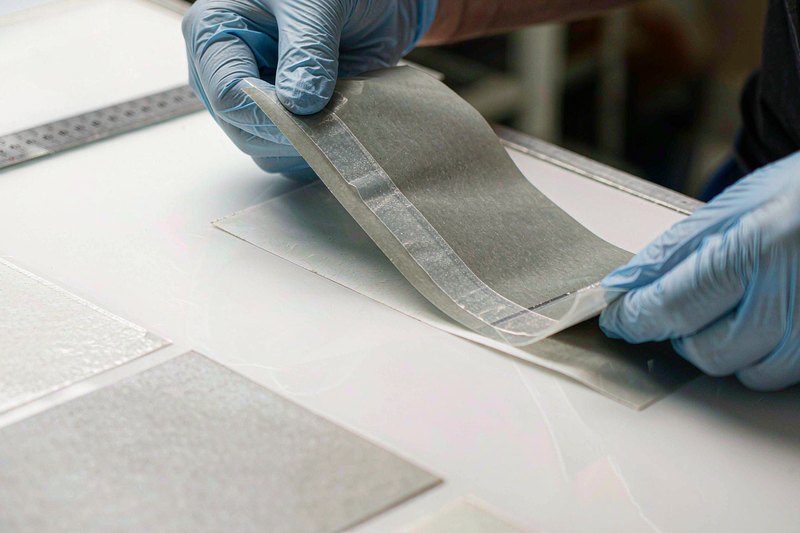
How Finish Changes Converting and Inspection
Finish is not only an appearance decision. It moves through the process in a few specific places.
Adhesive appearance transfer
The adhesive takes the negative of whatever surface it cures or is aged against. Run the same adhesive on a glossy and a matte liner and the two finished tapes will not look alike, even if release force, thickness and coating weight are identical. If the end product has a gloss specification, the liner finish is part of meeting it.
Air entrapment and wet-out
A textured adhesive surface gives trapped air somewhere to travel during hand application, which is why matte finishes appear in products that are applied manually over larger areas. Smooth adhesive surfaces produced on glossy liners hold air more stubbornly, and application technique matters more.
Defect detection
Inspection lighting interacts with the finish. On a glossy web, a raking light makes pinholes, streaks and uncoated spots easy to see; on a matte web, the same defects are diffused into the general sheen and can be missed at a glance. This is a real cost consideration, because it changes both the inspection method and the acceptance criteria written into your quality control plan.
Release force measurement
Because roughness alters the contact area between adhesive and coating, the same silicone formulation can produce slightly different test readings on a glossy and a matte base film. Measure release force on the finish you actually intend to run, and treat finish and release force as two separate lines on the specification sheet rather than one combined requirement.
Friction, stacking and dispensing
A matte surface changes friction between the liner and the adhesive, which shows up in how die-cut parts sit in a stack and how they feed in a dispensing head. The effect is small, but on high-speed lines it is worth a trial run rather than an assumption.
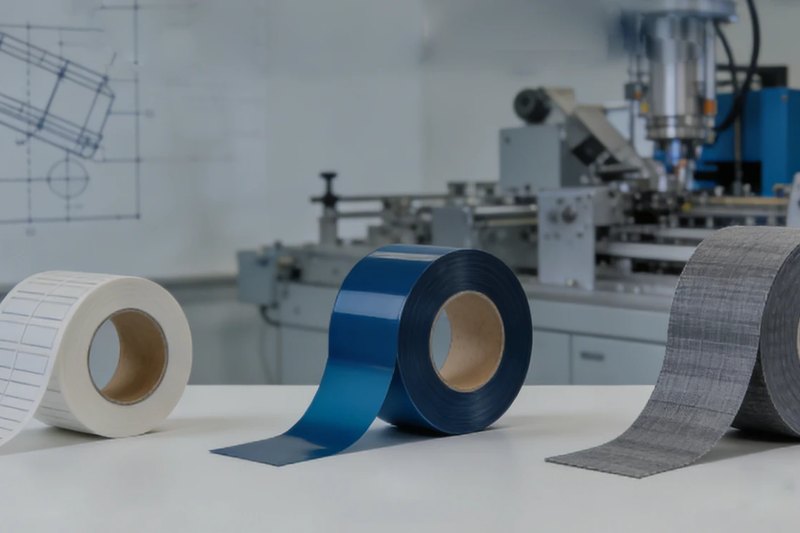
How to Specify the Finish You Need
- Start from the end product: glossy, matte or a specific gloss level on the finished tape, label or laminate.
- State the adhesive system, because the finish effect is visible through the adhesive and varies with acrylic, rubber and hot-melt types.
- Decide how the web will be inspected, and whether the finish helps or hinders that method.
- Keep finish and release force as two separate specifications, each with its own target and tolerance.
- Confirm base film and thickness first, since finish is selected on top of the substrate decision.
- If the finish is not available as a stock item, custom coating is the route to a matted or smooth surface built around your adhesive.
- Run samples of both finishes through the same production run before committing an order.
FAQ
Does a matte finish reduce release force?
No. Release force is set by the silicone formulation and coating weight. Roughness can shift the value a test reads, so release force should be measured on the finish you plan to use rather than on a glossy reference sample.
Can matte release film be used for clear film labels?
Generally not. A matte surface scatters light by design and transfers a fine texture to the adhesive, so the finished product will not be optically clear. Clear film labels normally require a glossy liner.
Is a glossy finish better for inspection?
Yes for defect detection. Raking light on a glossy surface reveals pinholes, streaks and uncoated spots that a matte surface would diffuse. If a matte finish is required by the end product, the inspection method has to be adjusted to match.
Does the finish affect how tape is applied by hand?
It can. A micro-textured adhesive surface gives trapped air a path to escape during hand application, while a smooth adhesive surface holds air more persistently and depends more on application technique.
Can glossy and matte be ordered as one specification?
They are normally separate products. The finish has to be decided before the coating run, so it should be stated as its own line on the purchase specification.
Conclusion
Surface finish on a silicone release film is determined by the base film surface, the coating weight and the curing conditions, and it travels downstream in a predictable way. The adhesive takes the negative of the release surface, so a glossy liner produces a smooth, transparent adhesive layer and a matte liner produces a low-gloss, finely textured one.
That difference decides four practical things: whether the finished product meets its appearance specification, whether trapped air escapes during hand application, how easily defects can be found under inspection light, and how the liner behaves in stacking and dispensing. Release force is not one of them — it is governed by the coating, although roughness can shift the measured value slightly, which is why it should be tested on the intended finish.
Tell us the appearance requirement, the adhesive system and your inspection method, and we will propose a release film specification — base film, thickness, coating and finish — that matches the product you are building.