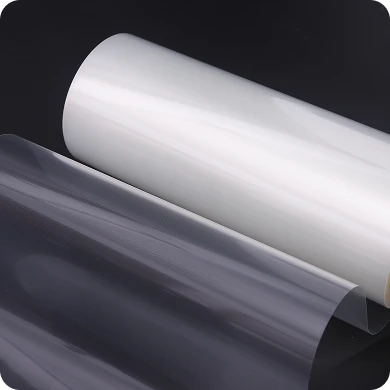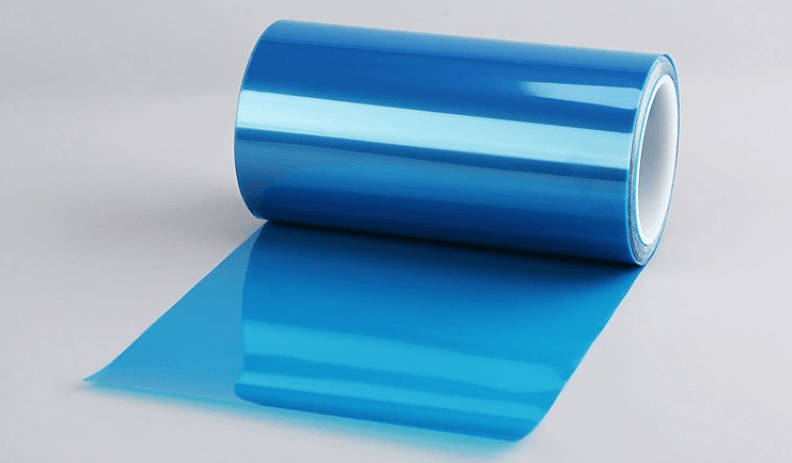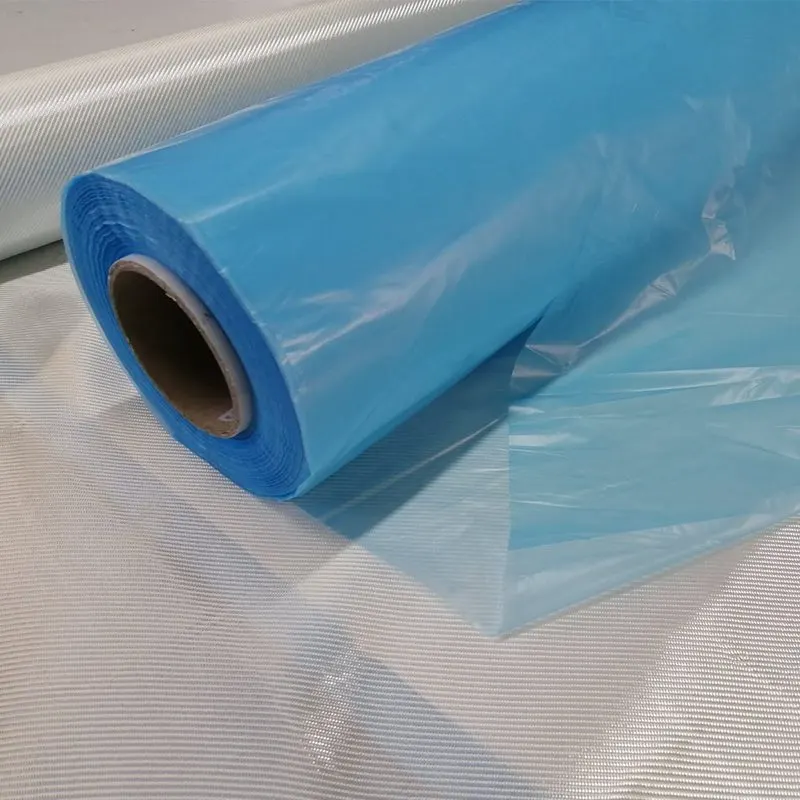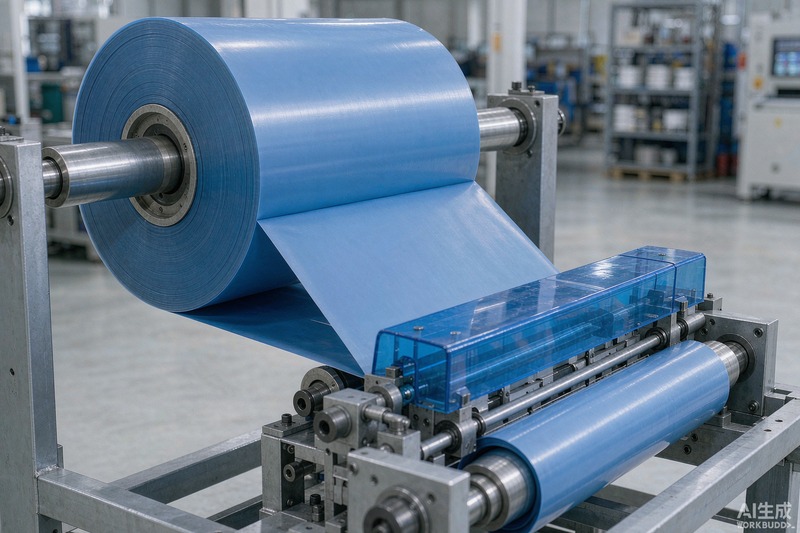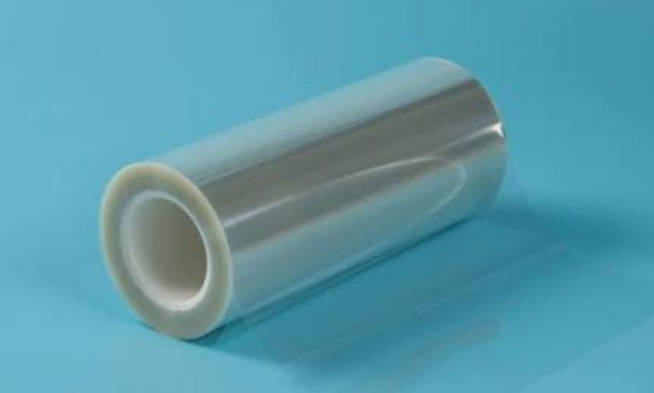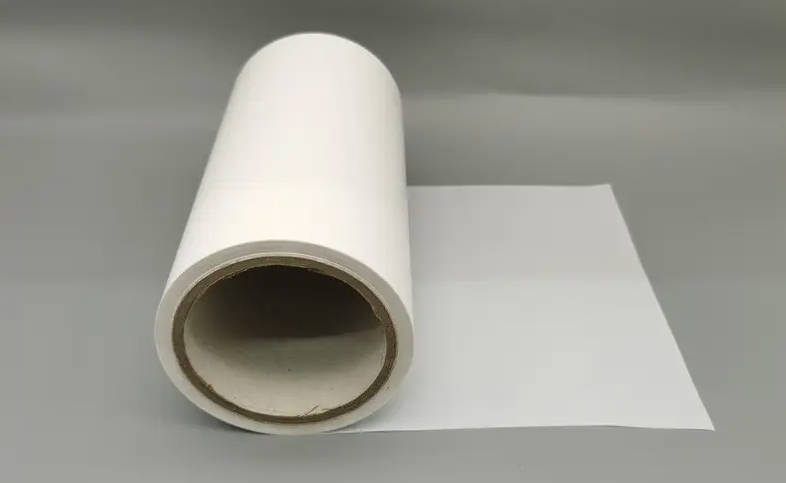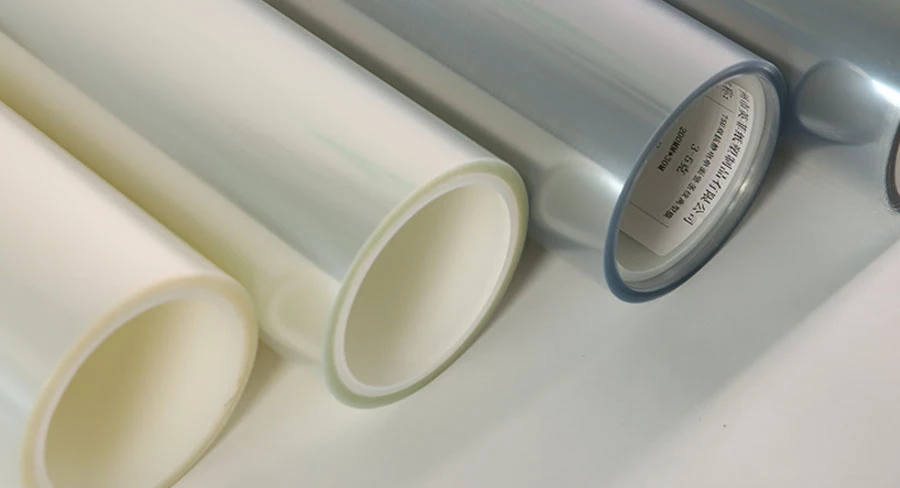
Composite materials are widely used in industries that require lightweight structures, high strength, surface quality, and controlled manufacturing processes. During composite manufacturing, a release film plays an important role in protecting surfaces, controlling separation, and improving production efficiency.
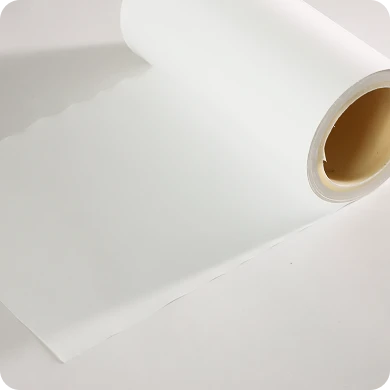
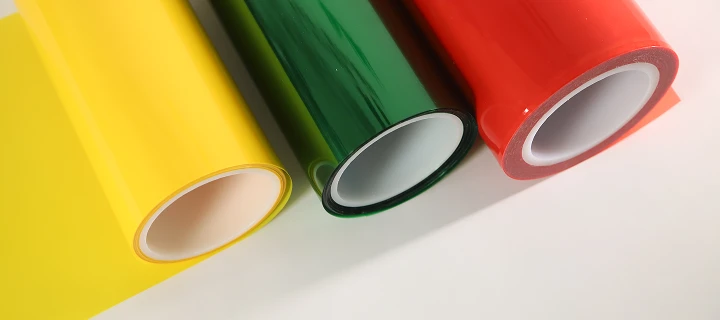
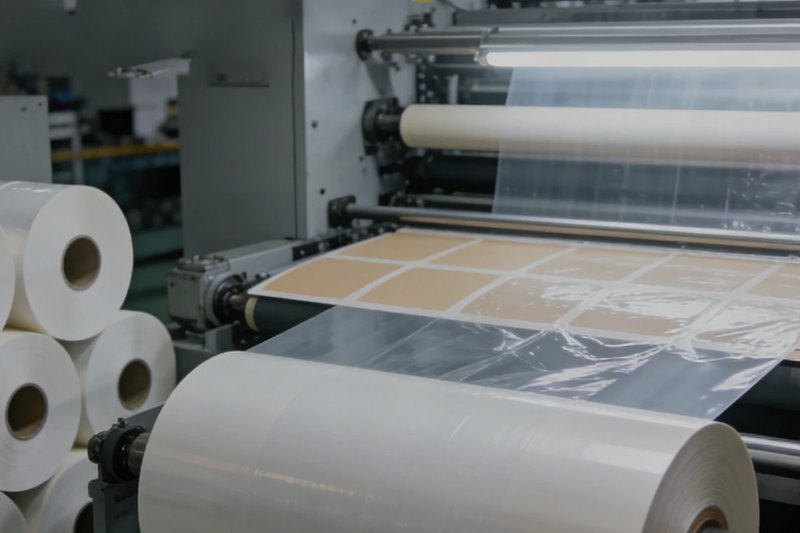
Release film for composites is mainly used as a separation layer between composite materials, molds, tooling surfaces, or processing equipment. It helps prevent unwanted bonding while maintaining surface quality during molding and curing processes.
However, choosing the correct release film is not simply about selecting a film with low adhesion.
The suitable release film depends on:
- composite material type;
- molding process;
- processing temperature;
- resin system;
- required surface finish;
- thickness requirement;
- production method.
A properly selected release film can reduce processing issues, improve demolding efficiency, and help maintain consistent composite product quality.
This guide explains how release film works in composite applications and what factors should be considered before purchasing.
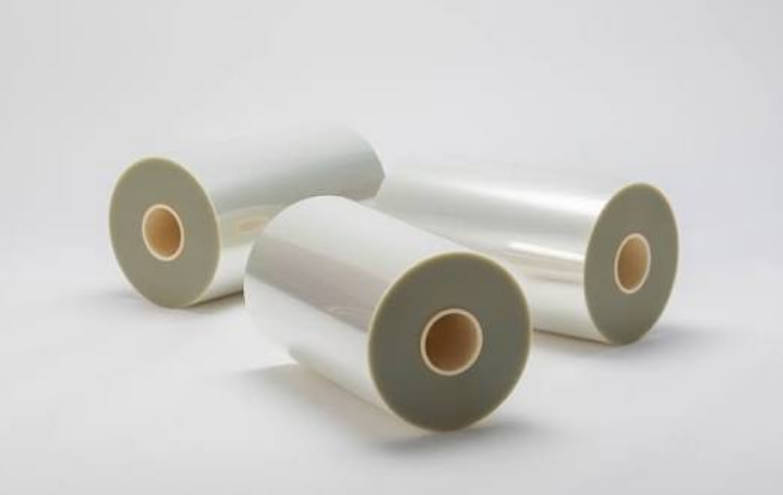
Why Release Film Is Important in Composite Manufacturing
Composite manufacturing often involves combining reinforcing materials with resin systems under controlled pressure and temperature.
During processing, materials may become highly adhesive because of:
- resin flow;
- heat exposure;
- pressure application;
- curing reactions.
Without a suitable release layer, composite materials may stick to:
- molds;
- processing plates;
- tooling surfaces;
- protective layers;
- other composite components.
This can lead to:
- difficult demolding;
- surface damage;
- production delays;
- additional cleaning work;
- inconsistent product appearance.
The primary function of release film is to create a controlled separation interface while allowing composite materials to achieve the required surface quality.
What Is Release Film for Composite Materials?
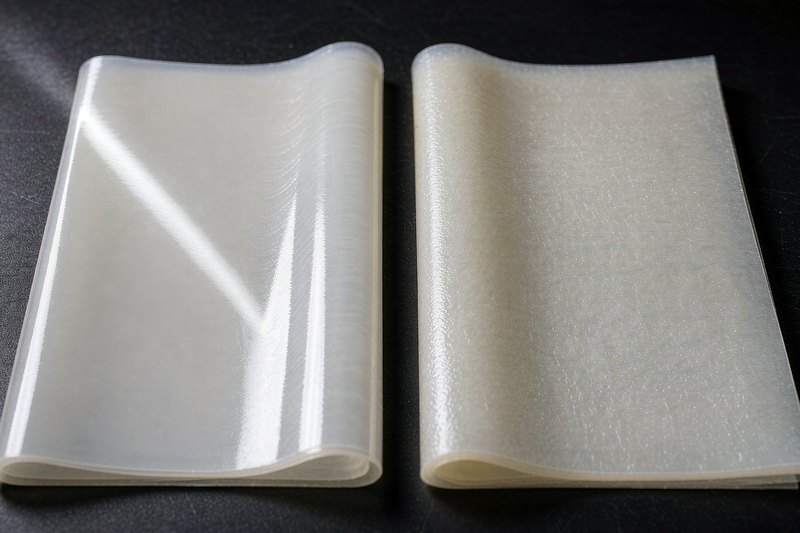
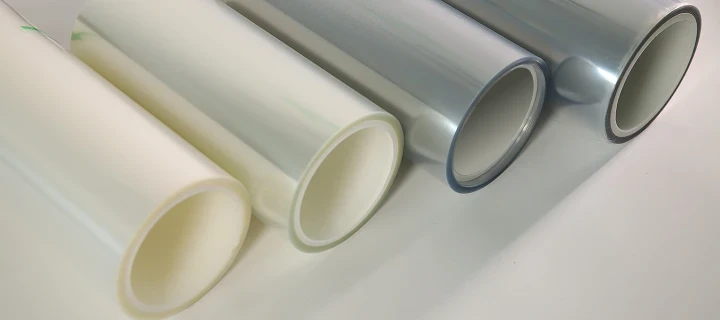
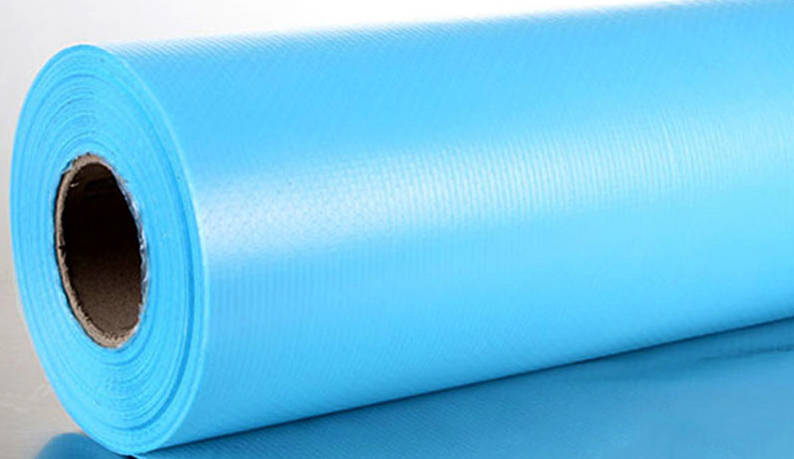
Release film is a functional film material with a specially designed surface that provides controlled release performance.
A typical structure includes:
| Layer | Function |
| Film substrate | Provides mechanical support and dimensional stability |
| Release coating | Controls separation from resin or composite surface |
| Surface treatment | Improves processing compatibility when required |
The substrate is usually selected based on application requirements.
Common considerations include:
- temperature resistance;
- tensile strength;
- flexibility;
- transparency;
- surface smoothness;
- dimensional stability.
For many composite applications, PET-based release film is considered because it provides balanced mechanical and surface performance.
More information about YingFei’s release film solutions can help manufacturers evaluate suitable film structures for different applications.
How Release Film Works During Composite Processing
The working principle of release film is based on controlled surface interaction.
During composite processing:
- Composite materials are placed together with the release film.
- Heat and pressure are applied during molding or lamination.
- Resin may flow and contact the film surface.
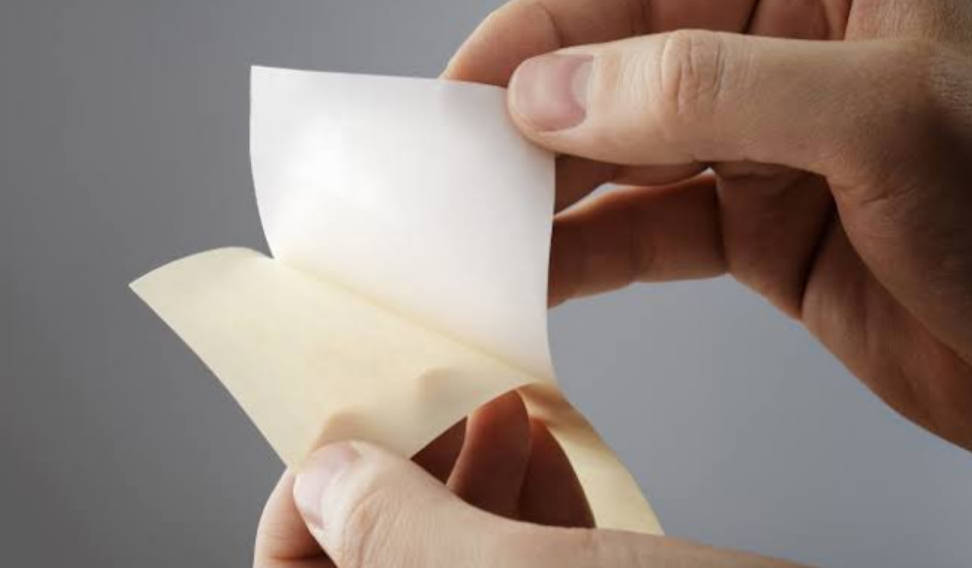
- After curing or processing, the film separates from the composite surface.
The release performance must be balanced.
If release is too strong:
- separation becomes difficult;
- the composite surface may be damaged;
- production efficiency decreases.
If release is too weak:
- premature separation may occur;
- the film may move during processing;
- surface defects may appear.
Therefore, release film selection requires matching the film surface with the specific composite process.
Main Applications of Release Film in Composite Materials
Release film is used in different composite manufacturing processes depending on the material structure and production method.
Composite Lamination
During lamination, multiple layers are combined under heat and pressure.
Release film helps:
- prevent unwanted bonding;
- maintain surface quality;
- simplify separation after processing.
Important requirements include:
- stable release performance;
- smooth surface;
- suitable temperature resistance.
Resin Composite Processing
When resin systems are involved, release performance becomes especially important.
The film should provide:
- controlled resin contact;
- easy separation;
- low contamination risk.
Different resin systems may interact differently with the release surface, so testing is recommended before mass production.
Mold and Tool Protection
Release film can also act as a temporary protection layer between composite materials and processing equipment.
Benefits include:
- reducing cleaning frequency;
- protecting tooling surfaces;
- improving workflow efficiency.
Prepreg and Advanced Composite Processing
Some composite structures require precise handling and surface control.
In these applications, manufacturers often focus on:
- thickness consistency;
- surface uniformity;
- dimensional stability;
- reliable release behavior.
Key Factors When Selecting Release Film for Composites
1. Film Substrate Material
The substrate determines the basic mechanical characteristics.
Common evaluation factors:
| Property | Importance |
| Tensile strength | Prevents tearing during handling |
| Dimensional stability | Maintains shape during processing |
| Temperature resistance | Supports high-temperature processes |
| Surface smoothness | Influences final composite surface quality |
| Flexibility | Helps with different processing methods |
A PET-based release film is often considered when stable dimensions and smooth surfaces are required.
2. Release Force
Release force is one of the most important specifications.
The goal is not to achieve the lowest possible release force.
Instead, manufacturers need:
- stable separation;
- no unwanted sticking;
- no surface damage;
- reliable processing.
Release force selection depends on:
- resin type;
- curing conditions;
- temperature;
- pressure;
- processing time.
3. Temperature Resistance
Composite processing may involve elevated temperatures.
The release film must maintain:
- mechanical strength;
- surface performance;
- dimensional stability.
When selecting a film, consider:
- processing temperature;
- heating duration;
- cooling conditions;
- repeated processing cycles.
4. Thickness Selection
Film thickness affects handling and processing performance.
| Thickness Consideration | Impact |
| Thin film | Better flexibility and lower material usage |
| Medium thickness | Balanced handling and performance |
| Thick film | Higher mechanical support |
The correct thickness depends on:
- processing equipment;
- composite structure;
- handling requirements;
- production speed.
5. Surface Quality
The release film surface can influence the final composite appearance.
Important factors include:
- smoothness;
- cleanliness;
- uniform coating;
- surface consistency.
For applications requiring high-quality surfaces, film uniformity becomes especially important.
Release Film Selection by Composite Processing Requirement
| Requirement | Recommended Consideration |
| High surface quality | Smooth release film surface |
| High-temperature processing | Temperature-resistant substrate |
| Precision molding | Stable thickness and dimensions |
| Large-area composites | Good handling strength |
| Complex shapes | Flexible film structure |
| Long production cycles | Stable release performance |
Common Problems Caused by Incorrect Release Film Selection
Problem 1: Film Sticks to Composite Surface
Possible causes:
- release force too high;
- incompatible release coating;
- unsuitable resin compatibility.
Solutions:
- evaluate different release levels;
- test with actual resin system;
- confirm processing temperature.
Problem 2: Poor Surface Finish
Possible causes:
- uneven film surface;
- unsuitable texture;
- inconsistent contact.
Solutions:
- select film with better surface uniformity;
- confirm required surface appearance.
Problem 3: Film Wrinkles During Processing
Possible causes:
- insufficient film strength;
- incorrect thickness;
- unsuitable handling method.
Solutions:
- review film mechanical properties;
- choose a more suitable thickness.
Problem 4: Residue or Contamination
Possible causes:
- unsuitable coating system;
- excessive processing conditions;
- poor material compatibility.
Solutions:
- verify release coating performance;
- perform application testing before production.
Release Film vs Other Temporary Protection Materials
When selecting materials for composite processing, buyers may compare different options.
| Factor | Release Film | General Protective Film |
| Main purpose | Controlled release | Surface protection |
| Release performance | Designed for separation | Not always controlled |
| Resin compatibility | Considered during design | May vary |
| Composite processing | Suitable | Usually limited |
| Temperature performance | Application dependent | Often lower |
A protective film is not automatically suitable as a release film because the surface interaction requirements are different.
How to Choose the Right Release Film Supplier
Before purchasing release film for composites, prepare detailed application information.
A supplier should understand:
| Information | Why It Matters |
| Composite material type | Determines compatibility |
| Resin system | Affects release behavior |
| Processing temperature | Determines material requirements |
| Processing method | Influences film structure |
| Required surface finish | Defines surface requirements |
| Film thickness | Affects handling |
| Roll width and length | Supports production planning |
A complete specification helps avoid selecting a film based only on general product descriptions.
Practical Purchasing Checklist
Before ordering release film, confirm:
- Composite application type
- Resin compatibility
- Processing temperature
- Required release performance
- Film thickness
- Roll width
- Roll length
- Surface requirement
- Storage condition
- Converting method
Providing these details allows a more accurate recommendation.
FAQ
1. What is release film used for in composite materials?
Release film is used as a separation layer during composite manufacturing. It helps prevent unwanted bonding between composite materials and processing surfaces while maintaining surface quality.
2. How do I choose release film for composite molding?
Selection should consider resin type, processing temperature, release force, film thickness, surface quality, and manufacturing method.
3. Why is PET release film commonly used for composite applications?
PET release film provides good dimensional stability, mechanical strength, and surface smoothness, making it suitable for many composite processing requirements.
4. What happens if release film has the wrong release force?
Incorrect release force can cause problems such as difficult separation, sticking, surface damage, or unstable processing.
5. Can the same release film be used for all composite materials?
No. Different composite materials, resin systems, and processing conditions may require different release film structures.
6. What specifications should I provide when buying composite release film?
Buyers should provide application type, resin system, temperature conditions, thickness, width, release requirements, and processing method.
Conclusion
Release film is an important supporting material in composite manufacturing. It helps control separation, protect surfaces, and improve production efficiency.
The right release film should be selected according to the complete processing environment rather than a single specification.
Key factors include:
- substrate material;
- release performance;
- temperature resistance;
- thickness;
- surface quality;
- resin compatibility.
For manufacturers evaluating release film for composite applications, providing detailed process information is the best way to achieve stable and reliable performance.
YingFei provides release film solutions designed for different industrial applications.
Learn more: