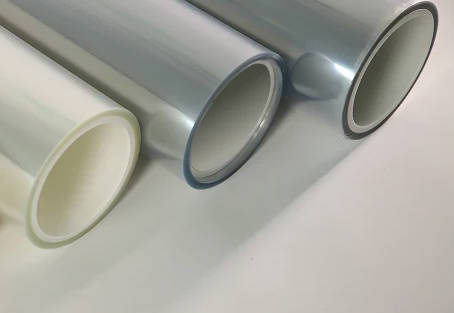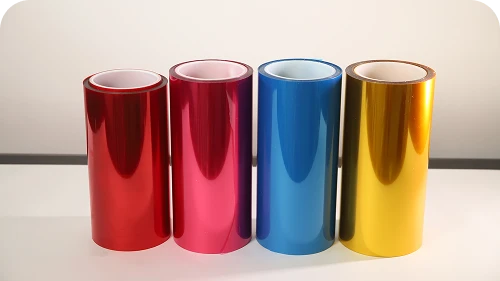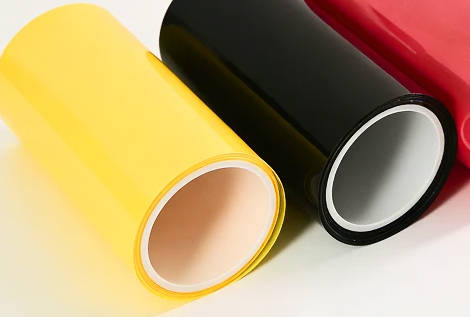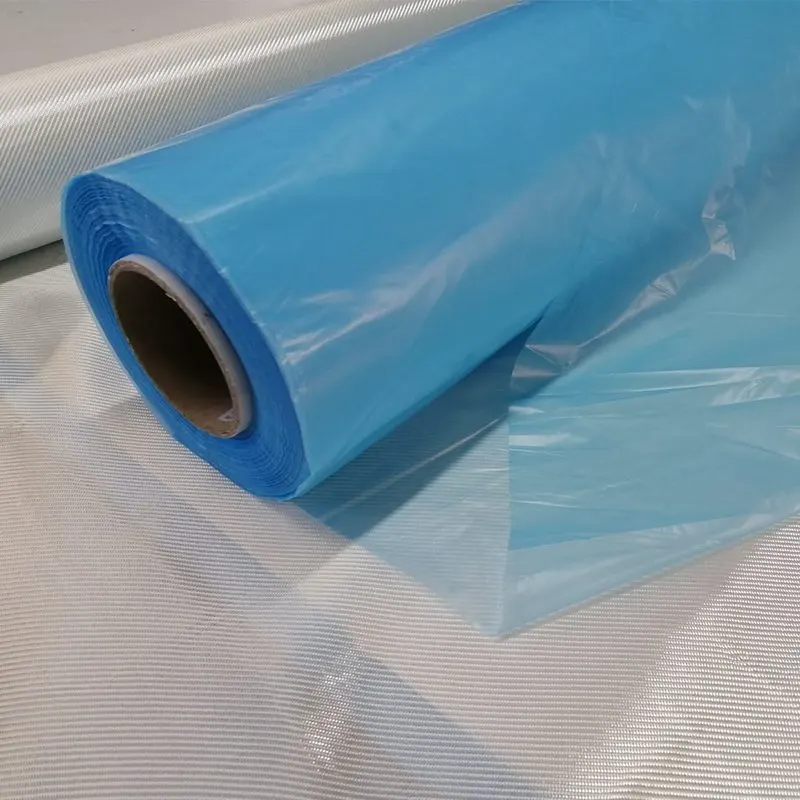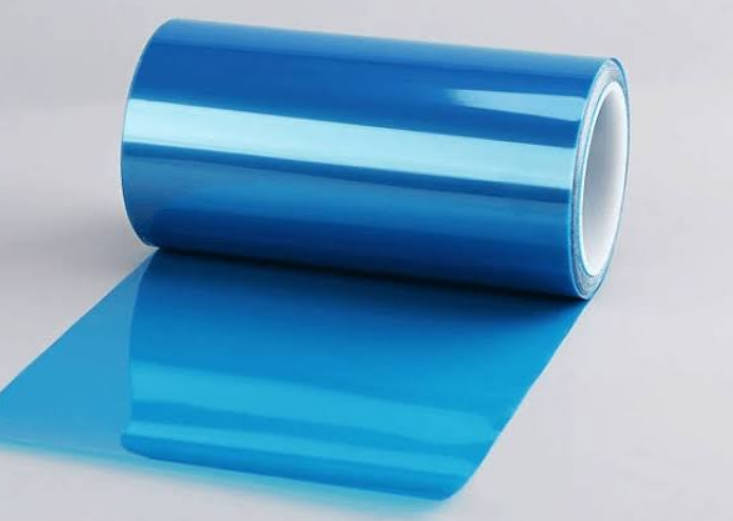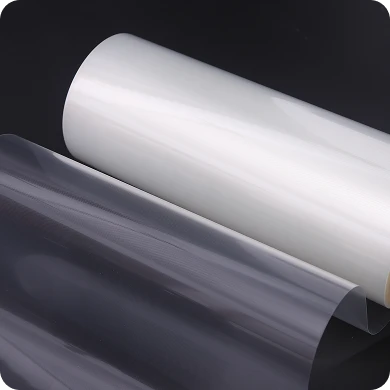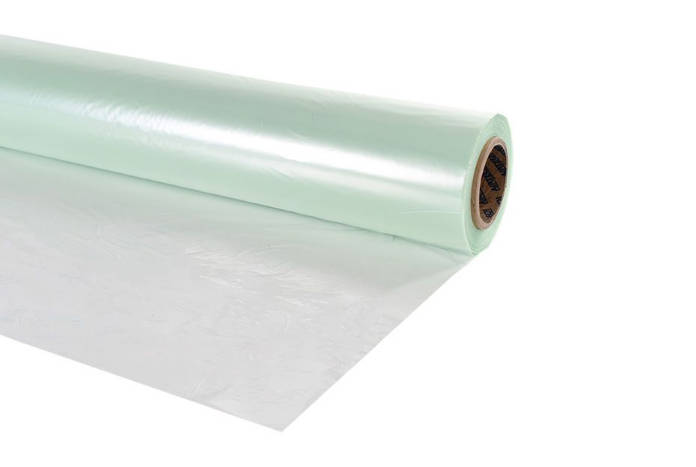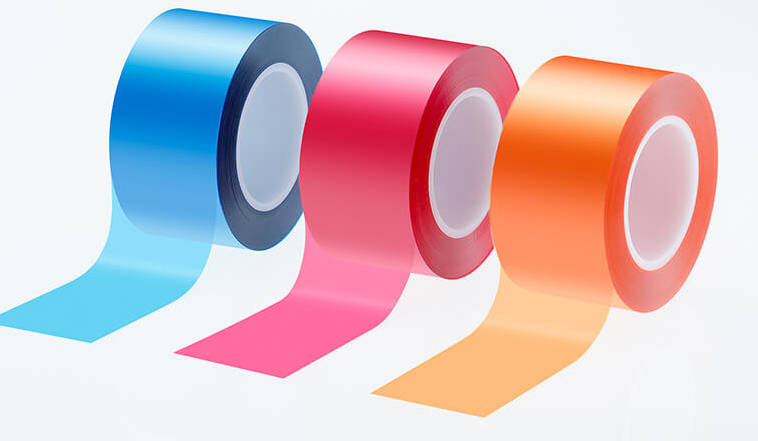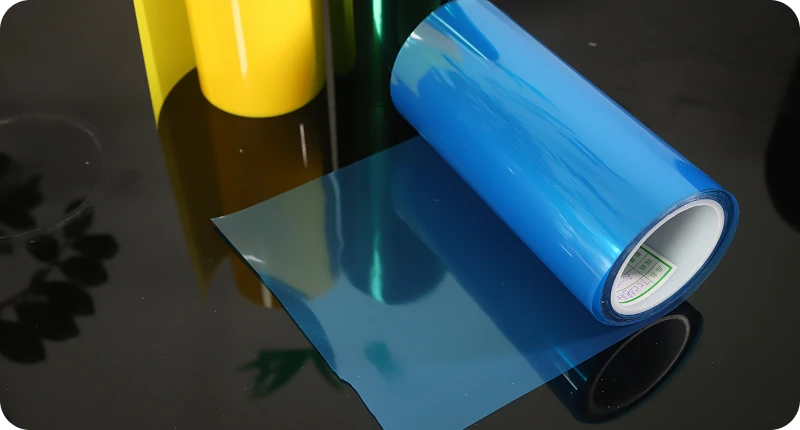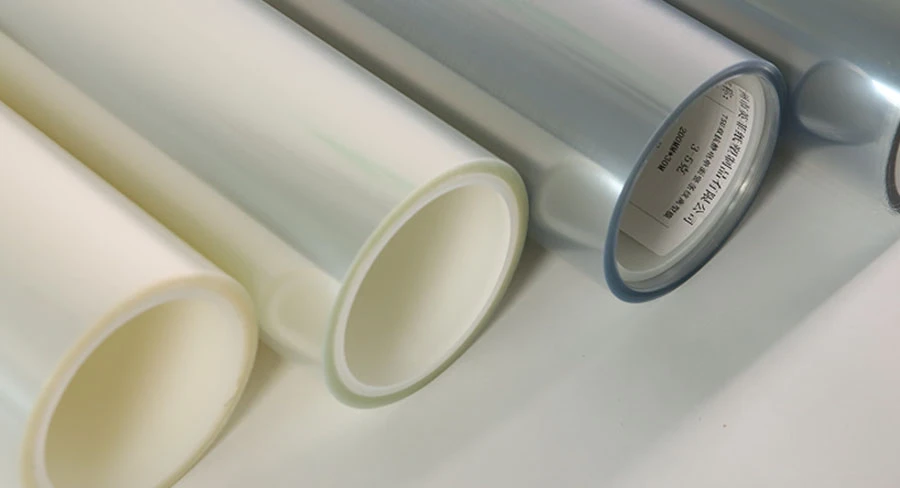
Particulate contamination in precision converting typically originates from two sources: incomplete silicone crosslinking or mechanical abrasion on the Release Film itself, and airborne fibers shed by paper cores, dull slitting blades, or unshielded ambient environments. Controlling these defects requires isolating whether particles stem from incoming liner stock or converting line friction, matching ambient cleanroom classifications to surface particle tolerances, and applying non-contact cleaning methods that remove debris without stripping the silicone coating. This guide breaks down the root causes of silicone dust and fiber lint, outlines cleanroom environmental benchmarks, details safe web-cleaning protocols, and provides a procurement checklist for specifying low-dust liners.

Why Particulate Contamination Fails Precision Converting
In optical, electronic, and medical converting, even microscopic debris trapped between a Release Film and a pressure-sensitive adhesive (PSA) transfers directly onto the functional layer during lamination or die-cutting. Because modern optically clear adhesives (OCAs) and thin medical hydrocolloids conform tightly to surface irregularities, a single sub-50-micron particle can ruin an entire converted part.
When silicone dust or fiber lint enters the nip roller or die station, it triggers specific downstream failure modes:
- Optical Distortion and Dimples (Fish-Eyes): Hardened silicone flakes or trapped fibers indent soft adhesive layers, creating visible bumps, light refraction points, or localized delamination in display assemblies.
- Adhesive Wet-Out Failure: Fine silicone dust migrating onto an adhesive surface lowers surface energy locally, preventing uniform wetting when the end user applies the component.
- Electrical Shorting or Insulation Gaps: Conductive or non-conductive lint trapped inside die-cut battery insulators, flexible printed circuits (FPCs), or EMI shielding gaskets compromises dielectric integrity and physical tolerances.
- Die Blade Premature Wear: Abrasive particulate buildup along the web edge accelerates wear on rotary and flatbed steel-rule dies, leading to incomplete kiss-cuts and further edge-shredding.
Root Causes: Where Silicone Dust and Lint Come From
Effective troubleshooting begins by separating incoming material defects from secondary debris generated on the slitter-rewinder or die-cutting press. Silicone dust and fiber lint behave differently under inspection and require distinct corrective actions.
Material vs. Process Contamination Matrix
| Contamination Type | Incoming Liner Causes (Material Side) | Converting Line Causes (Process Side) | Visual & Inspection Characteristics |
|---|---|---|---|
| Silicone Dust (Rub-Off & Flaking) | Incomplete thermal or UV silicone curing; poor anchorage between the silicone layer and base substrate; high extractable silicone content. | High web tension combined with stationary guide bars; misaligned or non-rotating idler rollers; aggressive nip pressure during rewinding. | Translucent, waxy, or white powdery smears; smears further when touched; tends to cluster near high-friction roller contact zones. |
| Substrate Edge Dust | Poor edge-trimming at the master roll mill; brittle base film formulations. | Dull rotary shear blades or crush-cut knives; improper blade overlap/cant angle; excessive slitting speed on thick polyester webs. | Fine, uniform polymer shavings concentrated strictly along the outer slit edges of the roll. |
| Fiber Lint & Cellulose Debris | Unsealed cardboard or paper winding cores; non-cleanroom packaging materials; paper-based release liners. | Friction against cardboard core ends during unwinding; operator wipes, standard shop towels, or non-cleanroom garments near the open web. | Elongated, thread-like strands visible under oblique light or magnification; randomly distributed across the web width. |
The Role of Electrostatic Attraction
Polyester and polyolefin webs naturally generate high static charges as they unwind and pass over rollers. Once charged, a PET Release Film acts as a magnet, pulling airborne lint, skin flakes, and slit dust out of the surrounding air from several feet away. Without active static neutralization, particles lock onto the silicone surface and survive standard vacuum extraction.
Choosing a smooth, non-fibrous polymer base over traditional paper liners eliminates cellulose shedding from the substrate itself. For lines handling sensitive adhesives, switching to a cleanroom-grade PET release film wound on non-shedding cores removes the primary structural sources of fiber lint before the roll is even mounted on the unwind stand.
Cleanroom Classification Limits for Release Film Converting
In controlled manufacturing environments, air cleanliness is governed by ISO 14644-1 standards, which define maximum allowable airborne particle concentrations per cubic meter across specific particle sizes (such as 0.5 µm and 5.0 µm). However, ambient room ratings and surface cleanliness on a moving Release Film web are related but distinct metrics.
Typical Cleanroom Benchmarks by Converting Application
| Converting Sector | Typical Ambient Cleanroom Range | Primary Particulate Risk | Key Control Focus |
|---|---|---|---|
| Optical Films & Display Components (OCA, Polarizers) | ISO Class 5 to ISO Class 6 | Sub-micron silicone dust, gels, and fine lint causing optical defects. | Enclosed web paths, HEPA-filtered laminar flow over unwind/rewind zones, strict surface particle limits. |
| Precision Electronics & Semiconductor Tapes | ISO Class 6 to ISO Class 7 | Conductive fibers, slitting edge shavings, and static-attracted dust. | Active ionization bars, rotary shear slitting maintenance, plastic cores, cleanroom-compatible packaging. |
| Medical Dressings & Wearable Devices | ISO Class 7 to ISO Class 8 | Cellulose lint, bioburden carriers, and visible foreign matter. | Non-shedding facility apparel, sealed roll bagging, controlled air exchanges. |
Note: Ambient ISO class limits regulate airborne particles in the room, not the exact number of particles per square meter on the liner surface. Exact surface particle tolerances and defect size limits depend on end-customer engineering drawings and quality agreements.
Why HEPA Filtration Alone Cannot Solve Converting Dust
Upgrading facility HVAC filtration removes airborne contaminants entering the room, but it cannot stop particulate generation occurring directly at the web surface. When a dull slitter knife shears a polymer film or an uncured silicone layer rubs across a stationary roller, particles are generated directly at the point of contact and immediately trapped inside the wound roll. Controlling surface contamination requires localized web cleaning and clean incoming raw materials alongside room air filtration.
Safe Cleaning Methods and Contamination Prevention on the Line
Cleaning a Silicone Release Film requires extreme caution. Unlike bare polyester or metal foils, the functional release coating is a microscopic, delicate layer—often less than a micron thick—that is easily damaged by mechanical abrasion or chemical solvents.
Step-by-Step Web Cleaning and Dust Prevention Protocol
- Neutralize Static Before Cleaning: Install active AC or pulsed-DC ionizing bars immediately after the unwind stand and upstream of any web-cleaning head. Removing surface static breaks the electrostatic bond holding dust and lint to the film.
- Apply Non-Contact Web Cleaning: For sensitive optical or ultra-thin silicone coatings, use ultrasonic or high-velocity ionized air-knife systems paired with balanced vacuum extraction. These systems lift loose lint and slit dust without touching the release surface.
- Use Contact Cleaning Rollers Selectively: Where contact cleaning is necessary, use dedicated elastomer cleaning rollers with ultra-low tack formulations specifically rated for silicone liners, paired with adhesive transfer rolls that continuously strip collected debris off the elastomer roller.
- Maintain Slitting Tool Geometry: Inspect rotary shear blades on a scheduled cycle. Replace or regrind blades at the first sign of edge burr or polymer dusting, and verify proper side-loading pressure and blade overlap.
- Isolate the Unwind and Rewind Zones: Enclose exposed web spans with localized HEPA fan filter units (FFUs) to maintain positive air pressure directly over the open film path.
Cleaning Do’s and Don’ts for Silicone Liners
- DO clean idle guide rollers and nip rollers regularly using lint-free cleanroom wipes dampened with isopropyl alcohol (IPA)—and allow rollers to dry completely before threading the web.
- DO verify that all idler rollers rotate freely with minimal bearing drag so the web never slides across a stalled roller surface.
- DO NOT wipe the silicone-coated side of a Release Film directly with solvents, alcohols, or cleanroom cloths. Solvents can swell or extract uncrosslinked silicone, while wiping creates micro-scratches and leaves behind cloth fibers.
- DO NOT use high-tack adhesive roller cleaners directly on the release face, as they can strip the silicone coating and cause localized high-release spots or adhesive transfer failures.
Specifying Low-Dust Release Film: A Procurement Checklist
When internal line adjustments fail to eliminate silicone dust or lint, the root cause often lies in how the incoming liner is manufactured, slit, and packaged. Purchasing managers and process engineers should incorporate specific cleanliness criteria into their technical specifications rather than ordering by release force and thickness alone.
Low-Dust Release Film Procurement Checklist
| Specification Area | Recommended Technical Requirement | Verification & Quality Purpose |
|---|---|---|
| Base Substrate | Optical- or cleanroom-grade polyester (PET Release Film) rather than kraft or glassine paper. | Eliminates internal cellulose fibers and prevents edge linting during high-speed die-cutting. |
| Silicone Cure & Anchorage | High-crosslink thermal or UV-cured silicone with verified anchorage treatment. | Prevents silicone rub-off, flaking, and silicone migration onto sensitive adhesives. |
| Core Material | Virgin plastic cores (ABS, HDPE, or PP) with smooth, sealed inner and outer walls. | Eliminates cardboard core dust and fiber shedding during handling and unwinding. |
| Slitting & Finishing | Precision rotary shear slitting performed inside a controlled cleanroom environment. | Minimizes edge shavings and prevents airborne room dust from winding into the roll. |
| Anti-Static Properties | Built-in or top-coated anti-static treatment (surface resistivity confirmed per application). | Reduces static charge buildup during unwinding and inhibits dust attraction on the press. |
| Packaging & Labeling | Double-bagged in cleanroom polyethylene bags; plastic end-caps; synthetic non-shedding labels. | Prevents external warehouse dust from contaminating roll edges during transit and storage. |
Note: Exact cleanroom class certifications, surface resistivity ranges, and core dimensions should be confirmed directly with the supplier based on your press configuration and end-product tolerances.
Practical Incoming Quality Control (IQC) Checks
Before releasing new liner lots to the converting floor, QC teams can run rapid bench checks:
- Rub-Off Test: Rub a clean, dark-colored nitrile glove or black velvet cloth firmly across the silicone surface under controlled pressure, then inspect under oblique LED light for white powdery residue.
- Edge Dust Inspection: Wipe the flat side (cut edge) of a newly unwrapped roll with a dark lint-free swab to check for loose slitting debris or cardboard core dust.
- Subsequent Adhesion (Readhesion) Test: Apply a standard test tape to the liner, peel it off, and measure its peel adhesion on a stainless steel plate compared to a control tape strip. A sharp drop in readhesion indicates excessive free silicone transfer.
To align your converting requirements with suitable base films, core types, and cleanroom finishing standards, you can review YINGFEI release film options when preparing technical inquiries.
Key Takeaways
- Separate Material vs. Machine Causes: Silicone dust generally points to incomplete silicone curing, poor coating anchorage, or stationary roller friction, whereas fiber lint originates from cardboard cores, paper liners, dull slitter knives, or unshielded ambient air.
- Control Static to Stop Particle Lock-In: High-speed unwinding generates static charges that attract airborne lint; active ionization must precede any vacuum or air-knife cleaning station.
- Never Wipe the Silicone Face: Direct solvent wiping or high-tack contact rollers damage the microscopic silicone layer. Rely on static neutralization, non-contact ionized air/vacuum heads, and clean idler rollers.
- Specify Cleanliness at the Roll Level: Moving from paper liners and cardboard cores to cleanroom-slit PET release films on plastic cores removes the largest sources of converting lint before production begins.
Frequently Asked Questions
How do I tell the difference between silicone rub-off and adhesive gel particles?
Silicone rub-off appears as a fine, powdery, or waxy haze on the liner surface that smears easily when touched and often aligns with roller contact paths. Adhesive gel particles are localized, rubbery, three-dimensional lumps embedded within the adhesive layer itself, typically caused by incomplete adhesive mixing or shear degradation during adhesive coating rather than liner abrasion.
Can standard PET release film be used in an ISO Class 6 (Class 1000) cleanroom?
Standard industrial PET Release Film slit in a conventional factory environment can introduce trapped warehouse dust, slitting shavings, and cardboard core fibers into an ISO Class 6 cleanroom as soon as the roll unwinds. Cleanroom converting lines typically require liners that are coated, slit, wound on plastic cores, and double-bagged under controlled cleanroom conditions.
Why does switching from paper cores to plastic cores significantly reduce lint?
Cardboard cores are made of compressed paper fibers that shed microscopic cellulose lint whenever the core is cut to width, slid onto an unwind shaft, or subjected to chuck torque. Virgin plastic cores (such as ABS or HDPE) feature non-porous, smooth surfaces that do not shed fibers or absorb moisture, eliminating core-generated lint in cleanroom environments.
Does anti-static treatment affect the silicone release force of a release film?
Depending on the coating chemistry, anti-static agents applied either beneath the silicone layer (as a primer) or on the reverse side of the PET film are formulated to dissipate static without interfering with silicone crosslinking. However, topical anti-static coatings applied directly over the silicone face can alter release force and readhesion, so release stability should always be verified through supplier test data and trial rolls.