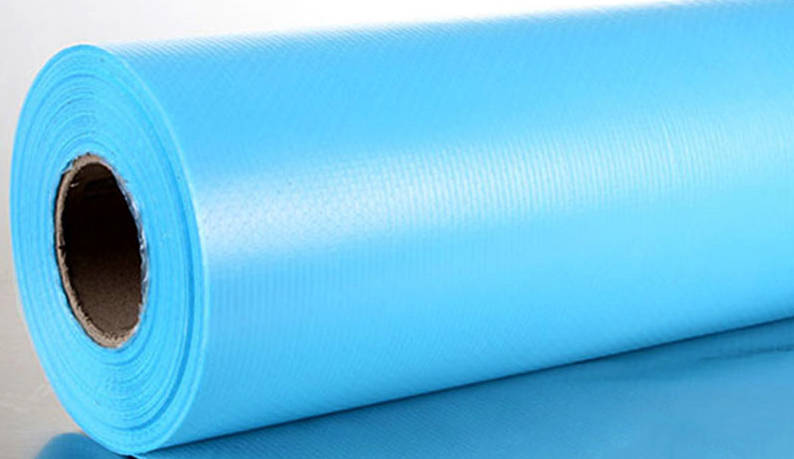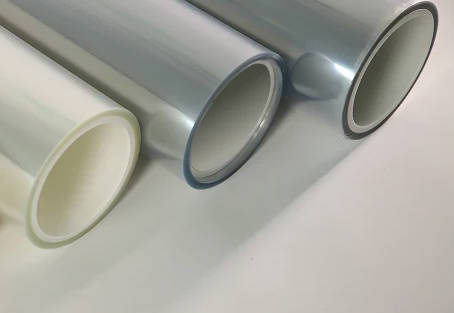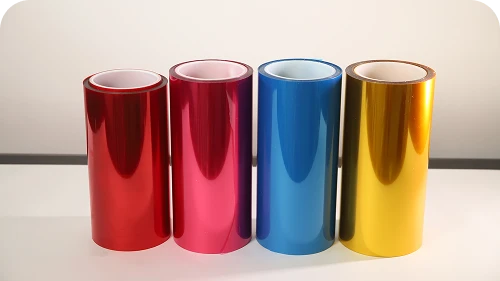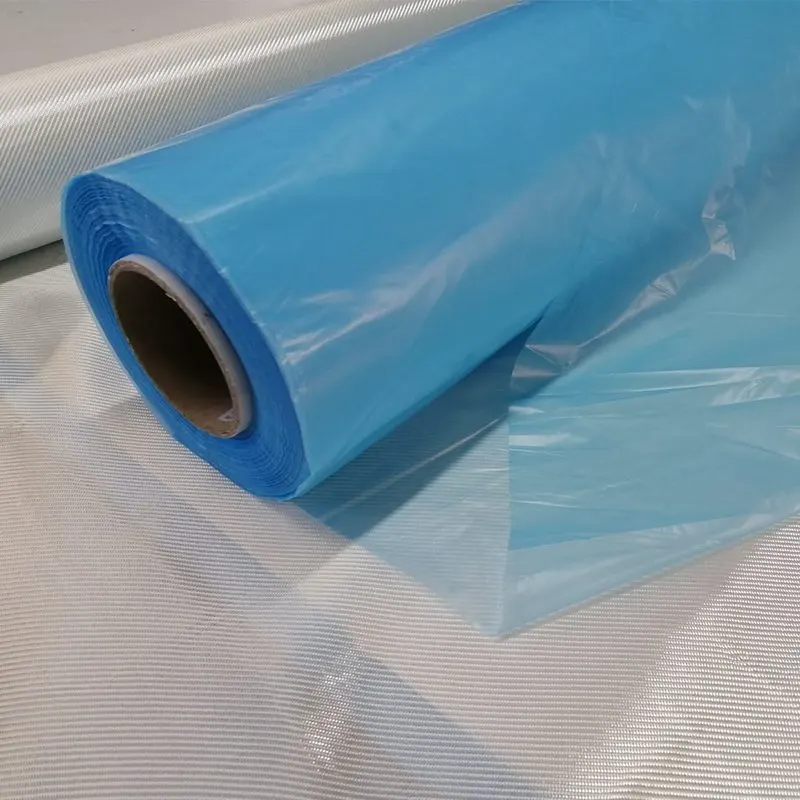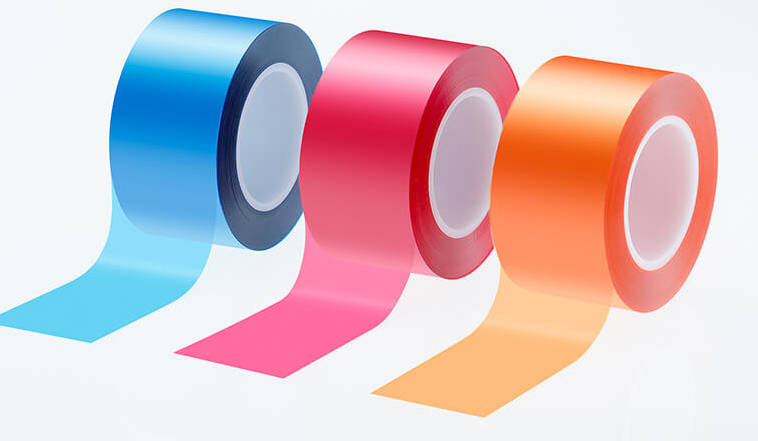
Selecting the right release film for powder coating masking depends on two non-negotiable technical boundaries: eliminating silicone transfer to the coated metal surface and matching the film substrate’s temperature class to the curing oven profile. If a release liner migrates silicone onto the masking adhesive or shrinks under oven heat, the result is surface defects such as fisheyes, edge lifting, or liner lock-up during removal.
For die-cutters, masking tape converters, and industrial coating engineers, choosing an industrial release film requires evaluating the release coating chemistry, continuous bake temperature, dwell time, and adhesive compatibility together. This guide establishes clear silicone-free selection rules, breaks down temperature classes for powder coating ovens, and provides a practical troubleshooting and sample-testing framework for B2B procurement.
Why Silicone-Free Rules Matter in Powder Coating Masking
Conventional release liners use cured polydimethylsiloxane (silicone) coatings to achieve low, predictable peel forces. In general labeling or packaging, trace silicone transfer rarely causes visible issues. In powder coating, however, even microscopic silicone residue acts as a severe surface contaminant.
Silicone contamination typically occurs through two mechanisms during masking and curing:
- Contact transfer during converting and lamination: Uncured or loosely bound silicone molecules migrate from the release liner onto the pressure-sensitive adhesive (PSA) of the masking tape or die-cut dot. When the mask is applied to the metal part, trace silicone can transfer to adjacent exposed metal surfaces during handling or die-cutting.
- Thermal volatilization in the curing oven: If a silicone-coated liner remains in the oven—or if silicone-contaminated adhesive is heated during the cure cycle—volatile low-molecular-weight siloxanes can outgas and settle across nearby uncoated metal surfaces.
Because silicone has extremely low surface tension, molten powder coating pulls away from contaminated spots during the flow-out phase of curing. This causes distinct coating defects:
- Fisheyes and craters: Circular depressions where the powder coating recedes from a microscopic silicone droplet, exposing the bare substrate or primer beneath.
- Pinholes and orange peel: Localized surface tension imbalances that prevent smooth leveling of the cured finish.
- Inter-coat adhesion failure: Weakened bonding between the metal substrate and the powder layer, especially in multi-coat systems or e-coat-plus-powder workflows.
Preventing silicone contamination in powder coating masking is far less expensive than stripping and recoating rejected metal parts, which is why many automotive, aerospace, and architectural coating specifications enforce strict silicone-free rules.
Silicone-Free vs. Low-Migration Release Films: When Is Non-Silicone Mandatory?
Not every masking workflow carries the same contamination risk, but converters and coating lines need clear boundaries to decide when a silicone-free release film is mandatory versus when a tightly cross-linked, low-migration liner may be evaluated.
| Evaluation Criterion | Non-Silicone Release Film | Fluorosilicone Release Film | Standard Silicone Release Film |
|---|---|---|---|
| Release Coating Chemistry | Organic non-silicone release agents (e.g., long-chain alkyl, wax-free, or specialized polymers) | Fluorinated silicone chemistry designed to resist interaction with silicone adhesives | Standard polydimethylsiloxane (PDMS) coating |
| Silicone Migration Risk | Zero silicone content; eliminates silicone-based cratering risk | Contains fluorinated silicone; requires testing for coating sensitivity | Moderate to high depending on cure completeness and oven exposure |
| Compatible Masking Adhesives | Acrylic PSAs and selected rubber/silicone systems (subject to testing) | Primarily silicone PSAs used in high-temp masking tapes | Acrylic and rubber PSAs (incompatible with silicone PSAs) |
| Typical Release Force | Medium to tight release; varies by coating formulation | Light to medium release against silicone adhesives | Wide range from ultra-light to tight release |
| Best Fit in Powder Coating | Strict silicone-free coating lines, automotive/medical parts, acrylic masking die-cuts | Die-cut silicone-adhesive masking tapes (liner removed before oven entry) | Non-critical industrial masking where silicone-free certification is not required |
Decision Rules for Specifying Non-Silicone Liners
A silicone-free release film for powder coating should be treated as mandatory under the following conditions:
- Zero-silicone plant policies: Automotive OEMs, aerospace subcontractors, and high-gloss architectural coaters often prohibit any silicone-bearing materials on the shop floor to protect paint kitchens and curing ovens.
- In-oven liner exposure: If the release film remains attached to a part or masking assembly inside the curing oven, a non-silicone formulation prevents volatile siloxane outgassing.
- Silicone-adhesive masking tapes: Standard silicone release films cannot be paired with high-temperature silicone PSA masking tapes because the two silicone chemistries bond together over time (lock-up). Converters must use either a non-silicone release liner or a dedicated fluorosilicone release film, depending on whether the end user permits fluorinated compounds in their facility.
Temperature Classes for Powder Coating Release Films
Powder coating curing schedules vary widely depending on the resin chemistry (such as epoxy, polyester, polyurethane, or hybrid systems) and the thermal mass of the metal part. Selecting a high temperature release film requires matching the base film substrate to the actual thermal load of the process.
| Temperature Class | Typical Process Exposure | Common Film Substrate | Thermal Shrinkage Risk | Typical Masking Role |
|---|---|---|---|---|
| Class 1: Ambient / Pre-Oven Converting Only | Liner is removed before the part enters the curing oven; room-temperature die-cutting and storage only | Standard PET or polyolefin films (depending on die-cut rigidity needs) | Not applicable in oven; must remain flat during converting and storage | Carrier liner for die-cut masking dots, discs, and custom shapes applied before coating |
| Class 2: Standard Thermoset Powder Cure | Moderate-to-high curing temperatures typical of standard polyester, epoxy, or hybrid powder coatings | Heat-stabilized PET release film for powder coating | Low to moderate; requires verified MD/TD shrinkage limits for the specific oven profile | Temporary protective masking films or multi-stage masking assemblies exposed to standard bake cycles |
| Class 3: High-Temperature / Extended-Cycle Cure | Elevated curing temperatures, heavy-gauge metal parts with long dwell times, or repeated bake cycles | High-heat specialty films (e.g., polyimide / PI or specialty heat-resistant engineered films) | Very low when properly specified for the peak temperature | Demanding multi-coat cycles, high-temperature functional coatings, and heavy industrial components |
Note: Exact continuous and peak temperature limits vary by resin grade, film thickness, and coating formulation. The specific thermal rating of any release film should always be confirmed with the supplier’s technical data sheet (TDS) and validated in the actual curing oven.
Continuous Bake Temperature vs. Peak Exposure Time
A common procurement mistake is evaluating a release film solely by its short-term peak temperature rating. In powder coating ovens, dwell time (the duration the part spends at cure temperature) is just as critical as peak air temperature.
- Thermal shrinkage (MD and TD): Polyester (PET) films are biaxially oriented during manufacturing. Under sustained oven heat, the film naturally relaxes and shrinks in both the machine direction (MD) and transverse direction (TD). If shrinkage exceeds the holding power of the masking adhesive, the film edges curl and lift, allowing powder to bleed onto masked threads or grounding points.
- Thermal cross-linking and lock-up: Extended heat exposure can accelerate chemical interaction between the release coating and the adhesive. A film that peels cleanly after a short test may tear or leave residue after a full production dwell cycle.
Critical Performance Specs Beyond Temperature and Silicone Content
Even when a film meets silicone-free and temperature-class requirements, converting efficiency and clean removal depend on four additional specifications:
- Release Force Stability: The peel force must be balanced for the application. If release force is too low, die-cut masking shapes may pre-dispense or fall off the liner during rewinding. If it is too high, operators struggle to peel small masks on the coating line, slowing down masking throughput.
- Subsequent Adhesion Rate (SAR): This metric measures how much original tack an adhesive retains after being laminated to and peeled from the release film. A high SAR indicates minimal release-coating transfer. For powder coating masking, a drop in SAR is an early warning sign of coating migration that could compromise both tape hold and paint quality.
- Thickness Uniformity and Stiffness: Kiss-cutting precision on rotary or flatbed die-cutters depends on consistent liner gauge. Excessive thickness variation causes the die blade to either under-cut the masking tape (making matrix weeding difficult) or score too deeply into the liner (causing web breaks and tearing during dispensing).
- Adhesive System Compatibility: Acrylic PSAs and silicone PSAs interact differently with non-silicone coatings. Always specify the exact adhesive chemistry and coat weight when requesting a high-temperature PET release film or non-silicone liner so the supplier can match the release coating formulation.
Troubleshooting Common Masking Failures Linked to Release Film
When defects appear on the coating line or during die-cutting, engineers can use the following matrix to isolate whether the release film is the root cause.
| Observed Defect | Likely Release Film Root Cause | Verification Method | Corrective Action |
|---|---|---|---|
| Fisheyes or craters near masked edges | Silicone migration from a standard silicone liner onto the masking tape adhesive | Run a surface tension / dyne test or wipe-test on the adhesive surface; compare against a verified non-silicone control roll | Switch to a verified silicone-free release film and audit handling gloves/tooling for secondary silicone sources |
| Liner lock-up or tearing during removal | Incompatible pairing (e.g., silicone liner with silicone PSA) or thermal degradation of the release coating | Check peel force before and after simulated oven aging at production dwell time | Match adhesive chemistry to a compatible non-silicone or fluorosilicone liner; upgrade film temperature class |
| Mask edge lifting and powder bleed | Excessive MD/TD thermal shrinkage of the film substrate during the cure cycle | Measure dimensional change of an unlaminated film sample after one full oven pass | Move to a heat-stabilized PET grade or higher temperature-class substrate confirmed for the oven dwell time |
| Die-cut matrix breaks or adhesive ooze | Liner gauge too thin/inconsistent for kiss-cutting, or release force too tight for small shapes | Inspect die-cut liner backing for blade score marks; verify caliper tolerance across the web width | Increase liner thickness for better die-cutting anvil support and adjust release force specification |
Procurement and Sample Testing Checklist for B2B Buyers
Clear technical communication prevents mismatched sample rolls and repeated line trials. Before requesting quotes or test rolls from a release film manufacturer such as YINGFEI, prepare the following six process parameters:
- Oven Cure Profile: Provide both the target cure temperature and total dwell time, plus whether the part undergoes multiple bake cycles.
- Liner Oven Exposure: Clarify whether the release film is removed prior to curing (converting carrier only) or enters the curing oven.
- Silicone-Free Requirement: State whether the end-use coating facility enforces a strict zero-silicone rule or requires specific contamination test documentation.
- Adhesive Chemistry: Identify the masking tape adhesive (acrylic, silicone, or rubber) and whether it is a single-coated or double-coated construction.
- Converting Method: Specify rotary die-cutting, flatbed die-cutting, or slitting, along with preferred film thickness, roll width, and core size.
- Target Release Force: Indicate whether the application requires light, medium, or tight release based on mask size and dispensing method (manual vs. automatic).
4-Step Sample Validation Workflow
Once sample rolls arrive, follow a structured validation sequence before approving bulk production:
- Baseline Peel & SAR Check: Laminate the sample liner to your production masking adhesive, age it under controlled pressure, and verify both initial release force and subsequent adhesion rate.
- Die-Cutting & Weeding Trial: Run the laminate on your actual converting press to confirm clean kiss-cutting without liner scoring, web breaks, or premature mask pop-off.
- Simulated Oven Aging: If the film enters the oven—or if you are testing for adhesive-side contamination—subject masked test panels to a full production cure cycle.
- Coating & Surface Inspection: Powder coat the test panels, cure them, remove the masks, and inspect the coated borders under raking light for craters, fisheyes, edge bleed, or adhesive residue.
Conclusion
Choosing a release film for powder coating masking is a risk-management decision grounded in two rules: enforce silicone-free liners wherever surface contamination or silicone-adhesive lock-up is a risk, and select a film substrate whose temperature class and thermal shrinkage behavior match your actual oven dwell time. By aligning release force, subsequent adhesion rate, and gauge tolerance with your converting setup—and validating samples under real production conditions—you can eliminate costly coating rework and maintain consistent masking throughput.
To match a silicone-free or heat-resistant liner to your masking tape construction, explore the YINGFEI release film range and share your cure profile and adhesive specifications with the engineering team for tailored sample recommendations.
Key Takeaways
- Silicone-free rules prevent costly rework: Even trace silicone transfer from a standard release liner can cause fisheyes, craters, and adhesion failure during powder coating flow-out.
- Match liner chemistry to the adhesive: Silicone-adhesive high-temp masking tapes lock up against standard silicone liners and require non-silicone or fluorosilicone release films.
- Evaluate dwell time alongside peak temperature: Sustained oven heat drives MD/TD film shrinkage and edge lifting; temperature classes must reflect both bake temperature and cycle duration.
- Verify subsequent adhesion rate (SAR): A high SAR confirms minimal release-coating transfer and protects both masking hold and surface finish quality.
- Validate on real production lines: Always test sample rolls through converting, oven aging, and actual powder coating before approving bulk procurement.
FAQ
Can standard silicone-coated PET release film be used in powder coating masking?
Standard silicone-coated PET release film carries a high risk of silicone migration, which can cause fisheyes and craters in powder coatings. It is generally avoided in strict silicone-free coating facilities and cannot be used with silicone-adhesive masking tapes due to lock-up. A verified silicone-free release film is the safer specification for powder coating applications.
What is the maximum temperature a PET release film can withstand in a powder coating oven?
The usable temperature limit of a PET release film depends on whether it is a standard or heat-stabilized grade, its thickness, and the total oven dwell time. While heat-stabilized PET is widely used for standard thermoset powder cure cycles, exact continuous and peak temperature ratings vary by formulation and should be confirmed with the supplier’s technical data sheet and oven testing.
How do I verify that a release film is truly silicone-free before mass production?
Start by requesting a non-silicone declaration or technical data sheet from the supplier, then run a Subsequent Adhesion Rate (SAR) test and a real powder-coating panel trial. Inspecting the cured coating around the masked perimeter for craters or fisheyes under angled light provides the most reliable confirmation for your specific process.
What release film works best with silicone adhesive powder coating tapes?
Silicone-adhesive masking tapes require either a non-silicone release film or a fluorosilicone release film to prevent chemical lock-up during storage and converting. If the end-use coating plant enforces a strict zero-silicone policy, a tested non-silicone release liner is the preferred choice.