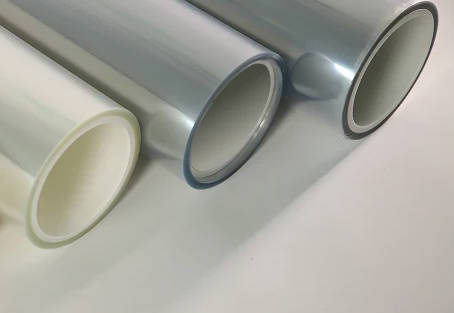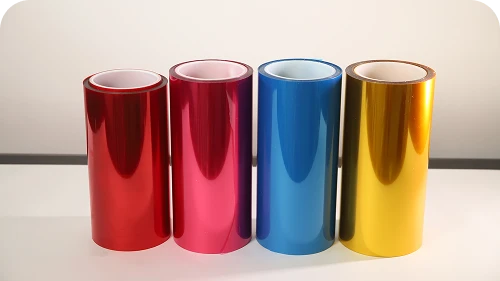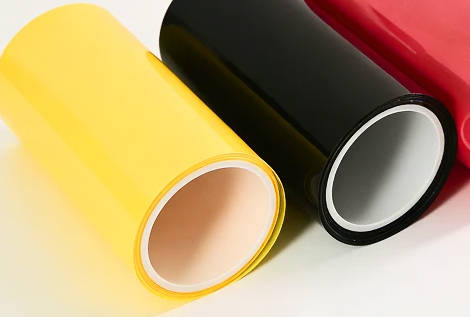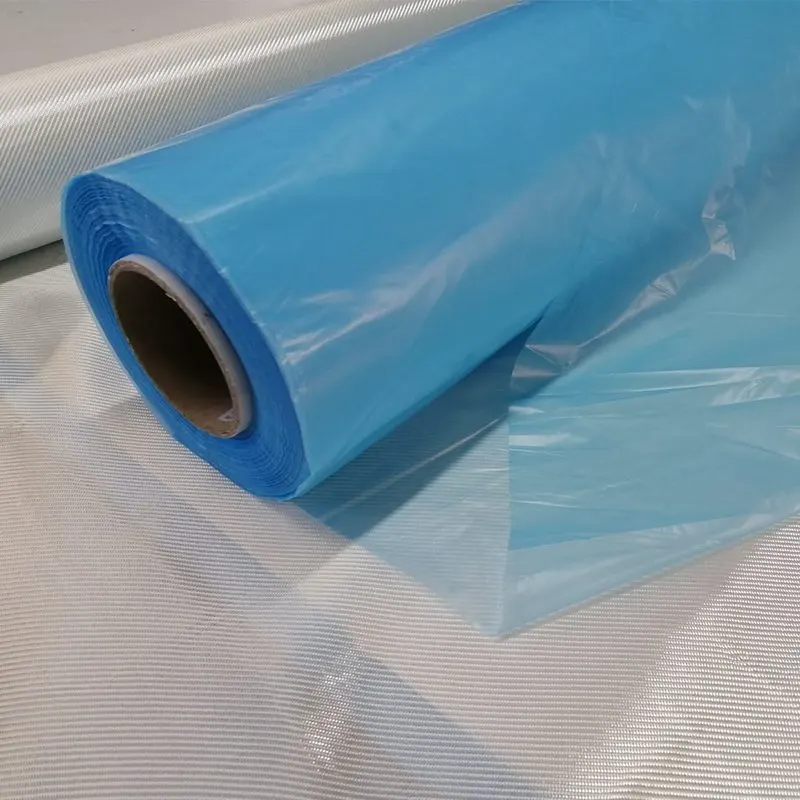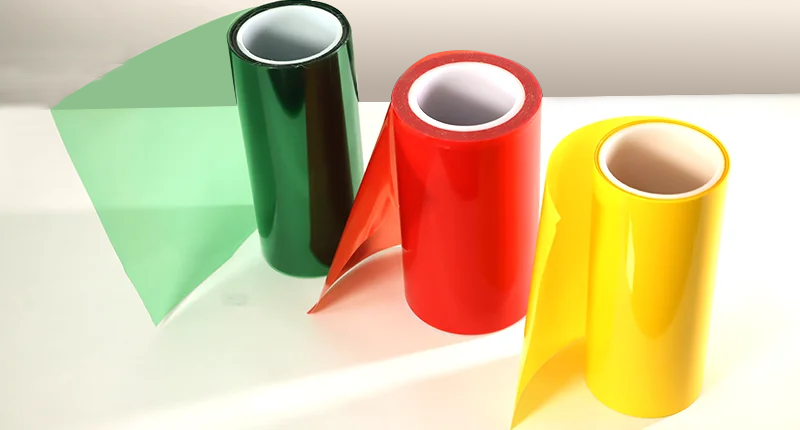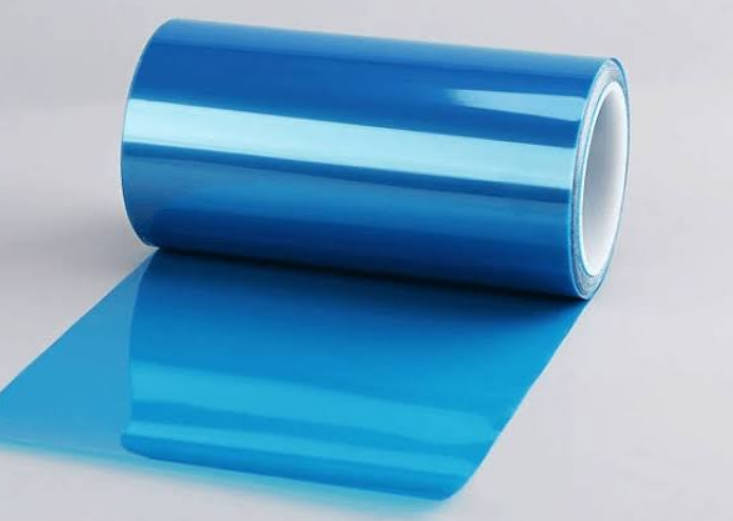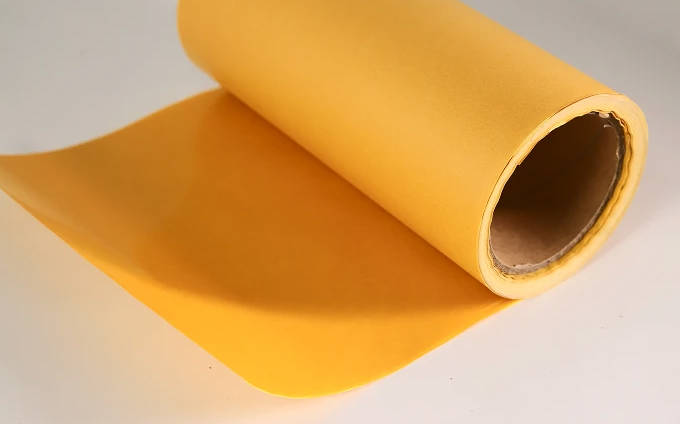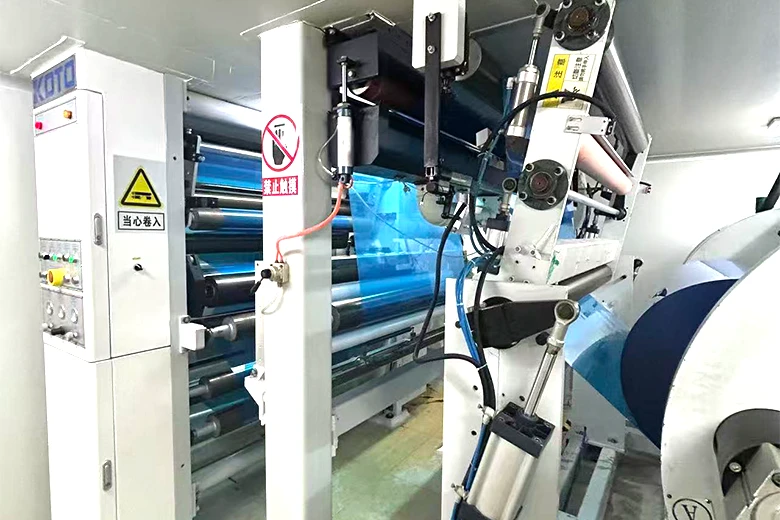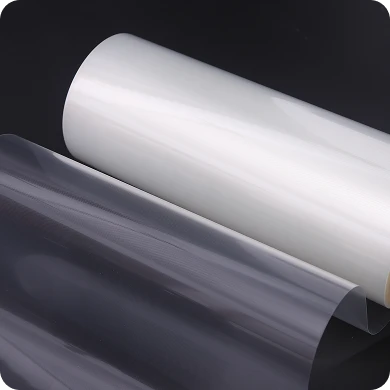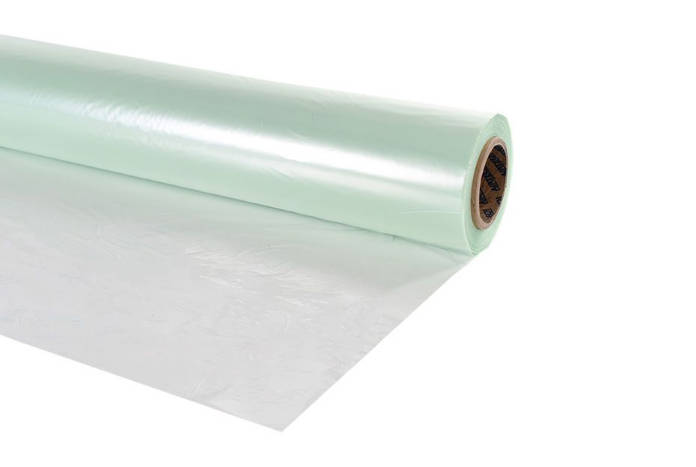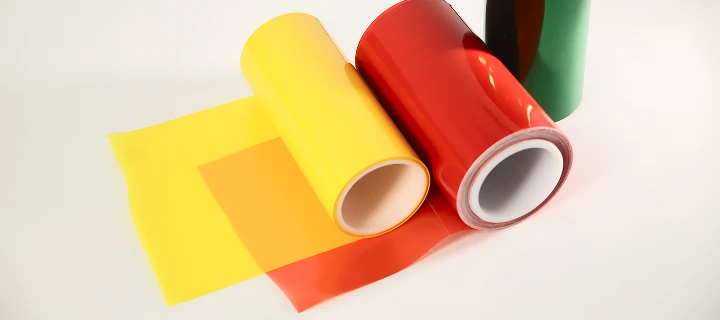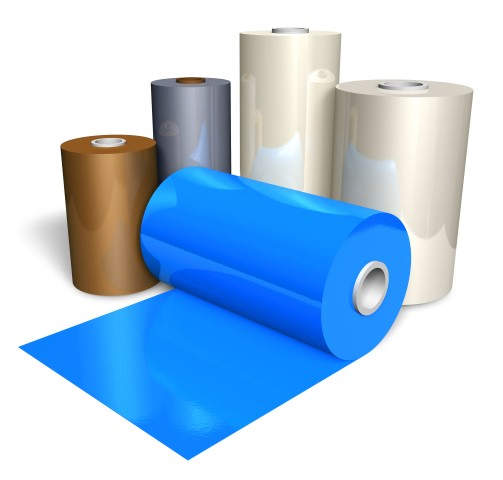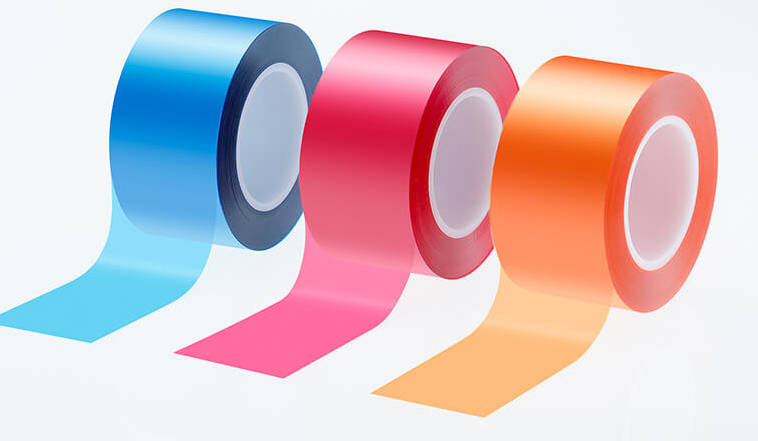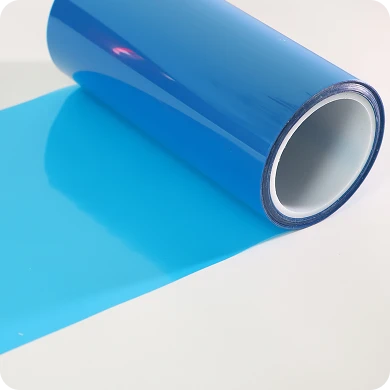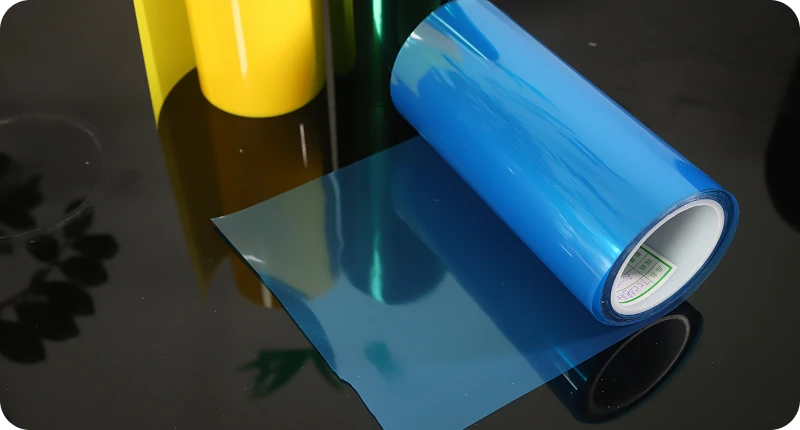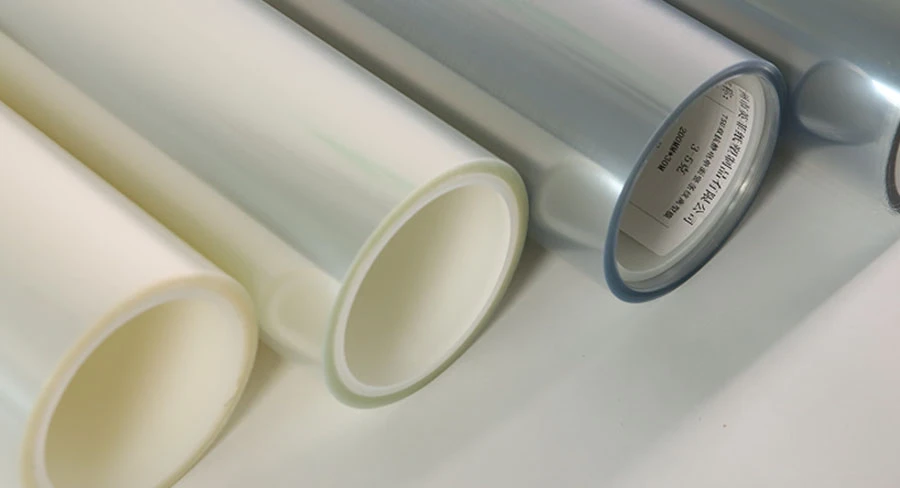
Matching a release liner to a high-tack, high-mass pressure-sensitive adhesive (PSA) requires increasing both the release force and the mechanical stability of the carrier. When adhesive coat weight increases—such as in thick acrylic foam tapes, heavy rubber-based mounting tapes, or transfer adhesives—standard easy-release liners cannot hold the adhesive securely during rewinding, storage, and rotary die-cutting. Selecting a heavy release film or tight release liner keeps the adhesive anchored to the liner until the exact moment of application, preventing premature lifting, tunneling, and die-cut matrix pull-up.
Four primary factors determine the right liner-to-adhesive match: adhesive coat weight (mass), adhesive chemistry, converting speed, and whether the construction is single-sided or double-sided. This guide breaks down why high-tack adhesives fail on standard liners, how to match release force to adhesive mass and chemistry, why film carriers outperform paper under heavy release tension, and what specifications to confirm before ordering production trials.
Why High-Tack and High-Mass Adhesives Fail on Standard Release Liners
High-tack adhesives with heavy coat weights exert significantly higher internal stress and shear force at the adhesive-liner interface than thin label adhesives. As adhesive mass increases, the tape becomes heavier and stiffer. When wound into a roll or run around small-diameter converting rollers, the sheer weight and memory of the thick adhesive layer pull away from a low-release surface.
If the release force is too light for the adhesive mass, the liner separates prematurely. Conversely, if an incompatible silicone chemistry is used to artificially increase release force, the adhesive can wet out aggressively over time and cause lock-up. Both outcomes lead to scrap and line stoppages.
Understanding Tight vs. Heavy Release Force in Industrial Release Films
In industrial converting, release force is not a fixed material property; it is a dynamic measurement that depends on the specific adhesive paired with the liner, the peel speed, the peel angle, dwell time, and ambient temperature.
Manufacturers typically categorize engineered release film grades along a spectrum from easy (light) to medium, tight, and heavy release. To achieve tight and heavy release levels, coaters modify the silicone formulation using controlled release additives (CRAs). These additives adjust the surface energy and cross-linking density of the silicone layer so the adhesive requires greater force to peel away cleanly.
Note: Exact peel force ranges (such as g/25mm or N/cm) depend on the test method, peel speed, and adhesive formulation, and should be confirmed with the supplier during material selection.
A critical detail for process engineers is peel-speed sensitivity. A high release force film that feels manageable during a slow hand-peel test may behave differently on a high-speed rotary press. Because silicone release profiles can flatten or steepen depending on delamination velocity, release ratings must always be evaluated at speeds relevant to your actual converting equipment.
How to Match Release Film to Adhesive Mass and Chemistry
Understanding how to match release liner to adhesive mass requires looking at two variables simultaneously: the physical weight of the adhesive layer and its chemical interaction with the release coating.
Matching Release Force to Adhesive Coat Weight and Viscosity
As adhesive coat weight increases, the liner must provide both higher release force and greater structural rigidity. A thick acrylic foam tape or heavy transfer adhesive resists bending around rollers; a tight release film for thick acrylic foam tape keeps the adhesive flat against the carrier through tight die-cut geometries and waste stripping.
Adhesive chemistry also dictates the coating formulation:
Designing Differential Release for Double-Sided High-Tack Tapes
When converting double-sided high-tack tapes—whether using a single two-sided liner or two separate liners—both sides cannot share the same release force. If the release values are too close, the adhesive will alternate sides during unwinding or lamination, ruining the roll.
Follow this three-step decision framework to structure a differential release film:
- Identify the primary converting side (Tight Side): Assign the higher release force to the side that must remain attached to the adhesive during die-cutting, waste matrix removal, and initial transport.
- Assign the dispensing or lamination side (Easy Side): Set the opposite side to a measurably lower release force so it peels away cleanly first without disturbing the adhesive bond on the tight side.
- Maintain a clear release gap across aging: Ensure the difference between the easy side and the tight side remains wide enough after roll compression and temperature fluctuations. Depending on the adhesive chemistry, heat aging can cause one side’s release force to drift faster than the other, closing the differential gap.
Why Release Film Outperforms Paper Liners for Heavy-Release Die-Cutting
When selecting a high-tack adhesive release liner, the carrier substrate is just as important as the silicone coating. Under tight and heavy release forces, traditional paper liners—such as glassine or supercalendered kraft (SCK)—face mechanical limits that polymeric films avoid.
During high-tension peeling or rotary die-cutting, heavy release forces pull aggressively against the liner surface. On paper substrates, this tension can cause fiber tear, internal delamination, or complete web breaks. Additionally, paper is hygroscopic; humidity shifts cause paper liners to expand or curl, which accelerates tunneling in heavy adhesive constructions.
A PET release film for high-tack adhesives solves these issues through superior tensile strength, uniform caliper, and a non-porous surface.
For heavy release force PET film for die-cutting, increasing film thickness can sometimes solve converting issues more effectively than pushing release force even higher. A stiffer film resists bending during matrix stripping, allowing the waste skeleton to break away cleanly without lifting the die-cut part. Exploring industrial release film solutions with matched carrier stiffness helps stabilize high-speed converting lines without risking adhesive lock-up.
Step-by-Step Qualification Process for Tight and Heavy Release Liners
Passing an initial hand-peel check does not guarantee production stability. High-tack adhesives continue to flow and wet out against the release coating for days or weeks after lamination. Before committing to bulk rolls, run every candidate heavy release liner through a structured five-step qualification process:
- Baseline Peel Force Verification: Laminate your exact production adhesive (at target coat weight) to the sample liner and measure peel force at standard test speeds and angles to establish a baseline.
- Accelerated Heat and Pressure Aging: Place laminated samples under controlled heat and pressure to simulate warehouse storage and tight roll winding. Measure peel force again after aging to check for unacceptable release buildup or lock-up.
- Subsequent Adhesion Strength (SAS) Testing: After peeling the adhesive off the aged release film, apply the adhesive to a standard test panel and measure its peel strength. A significant drop in tack indicates silicone migration from the liner onto the adhesive surface.
- Silicone Rub-Off and Cure Check: Verify that the heavy-release coating is fully cured and anchored to the film substrate, ensuring no smearing or transfer occurs under friction.
- Production-Speed Converting Trial: Run trial rolls through your actual slitting, rewinding, and die-cutting equipment. Monitor for matrix pull-up, web tracking stability, edge flagging, and clean liner removal during final assembly.
Qualification Specification Checklist
- Consistent release force across the full web width (cross-web uniformity)
- Stable peel profile after heat and pressure aging
- High subsequent adhesion retention (no silicone transfer contaminating the adhesive)
- Zero fiber tear, stretching, or distortion under converting tension
- Clean kiss-cut performance without liner nicking or web breaks
Procurement Checklist: Specifications to Share with Your Release Film Supplier
Requesting a “heavy release film” by name alone rarely produces a first-time match, because release force is always relative to the adhesive paired with it. Providing complete process data upfront allows the supplier’s engineering team to recommend the right silicone chemistry, release level, and film thickness immediately.
Prepare the following information before requesting samples:
- Adhesive Chemistry: Rubber-based, solvent acrylic, emulsion acrylic, hot-melt, or silicone.
- Adhesive Coat Weight / Mass: Thickness or coat weight of the adhesive layer (and whether it includes a foam, tissue, or film carrier).
- Single-Sided or Double-Sided Construction: Specify if you need a single-side coated film or a differential two-side release film, along with which side requires the tighter release.
- Target Release Behavior: Describe your current pain point (e.g., premature lifting, matrix pull-up, or difficult hand peeling) and any target peel force range if already established.
- Converting Process & Speed: Rotary die-cutting, flatbed die-cutting, slitting, or high-speed lamination, including approximate line speeds.
- Roll Dimensions: Required film thickness, roll width, roll length, and core size.
- Environmental & Storage Conditions: Expected warehouse temperatures, shipping conditions, and shelf-life requirements.
Matching a tight or heavy release liner to high-mass adhesives comes down to balancing release resistance, chemical compatibility, and film rigidity. When the release force anchors the adhesive through die-cutting and the film carrier withstands high stripping tension, converting scrap drops and end-use dispensing stays predictable. Before locking in a production specification, validate candidate films through aged peel and subsequent adhesion testing under your actual process conditions.
To narrow down the right coating and carrier combination for your adhesive mass, share your adhesive chemistry, coat weight, and die-cutting parameters with YINGFEI to request matched release film samples for qualification.
Key Takeaways
- Adhesive mass drives release requirements: Heavier coat weights and thicker foam tapes generate higher internal stress, requiring tight or heavy release forces to prevent premature separation, tunneling, and die-cut matrix pull-up.
- Release force is dynamic: Peel resistance shifts with adhesive chemistry, peel speed, dwell time, and temperature; laboratory readings must be validated against actual converting line speeds.
- Differential release prevents double-sided failure: Double-sided high-tack tapes require a stable, measurable gap between the tight converting side and the easy dispensing side that holds up after roll aging.
- PET release films outperform paper under heavy tension: Film carriers eliminate fiber tear, resist moisture-induced curl, and maintain uniform caliper for tight-tolerance rotary die-cutting.
- Always qualify with aged testing: Confirm baseline peel force, heat-and-pressure aged release stability, and subsequent adhesion strength (SAS) before approving bulk production rolls.
Frequently Asked Questions About Tight and Heavy Release Films
Does a thicker adhesive layer always require a heavier release liner?
Generally, yes, but carrier stiffness matters just as much as release force. A thicker adhesive mass has more weight and mechanical memory, which increases the risk of premature lifting and edge flagging on light liners. Pairing a tighter release coating with a stiffer film carrier provides the best converting stability.
Why does release force increase after heat aging or long-term roll storage?
High-tack adhesives are viscoelastic materials that continue to flow and wet out into the microscopic profile of the liner surface over time. Heat and roll winding pressure accelerate this wet-out and can also drive chemical interactions between the adhesive and the release coating, causing the peel force to climb.
Can heavy release coatings reduce the tack of my adhesive?
A properly cured heavy release coating should not reduce adhesive tack. However, if the silicone coating is under-cured or chemically incompatible with your adhesive, uncrosslinked silicone can migrate onto the adhesive surface and permanently lower its tack. Running a subsequent adhesion strength (SAS) test after aging confirms whether migration is occurring.
What is the difference between differential release film and standard double-sided release film?
A standard double-sided release film has the same release force on both sides, which is typically used for protective interleaving. A differential release film is engineered with two distinctly different release forces—one tight side and one easy side—so double-sided tapes unwind cleanly without the adhesive transferring unpredictably between sides.