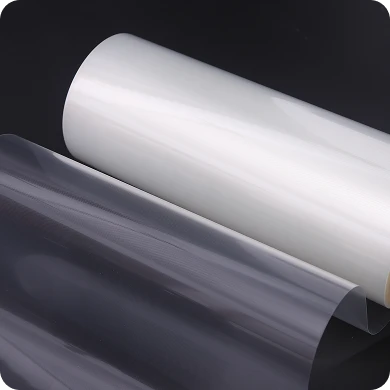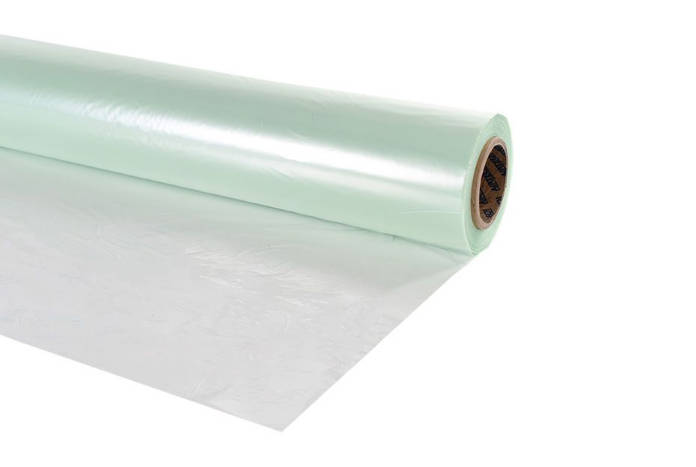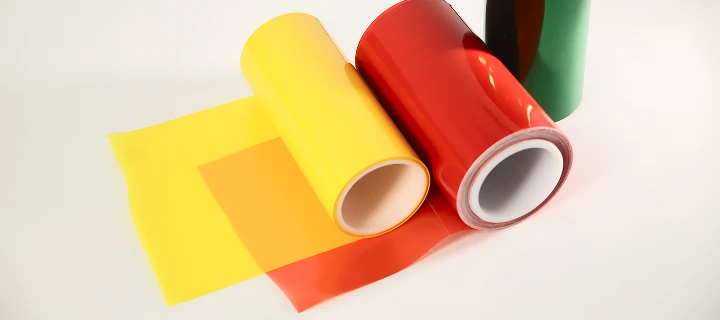
Brands and packaging buyers are increasingly demanding sustainable materials, pushing converters to evaluate recycled PET (rPET) release liners. However, replacing standard virgin resin with recycled content is not a direct, interchangeable swap. The decision between virgin and recycled substrates fundamentally alters caliper consistency, tensile strength, and thermal stability during processing.
This article breaks down the physical differences between virgin and recycled PET release liners, explains how these differences impact high-speed die-cutting and matrix stripping, and provides a framework to help converters choose the right substrate for their specific application.
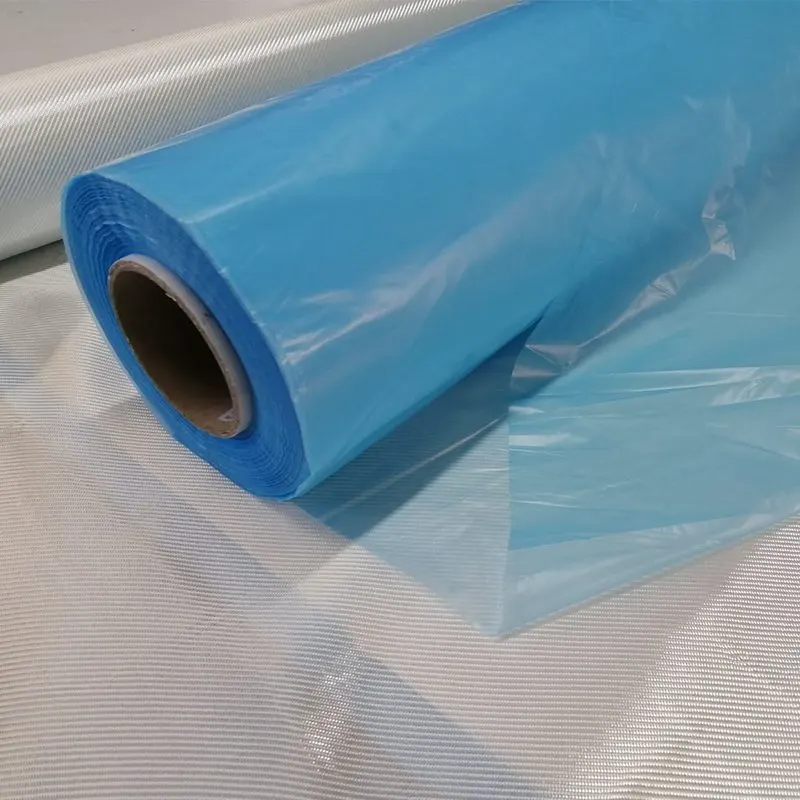
The Push for Sustainable Release Liners in Converting
Converters are caught between two opposing forces: the mandate to meet corporate sustainability targets and the mechanical necessity of maintaining flawless, high-speed production. Traditional PET liners are derived from virgin petrochemical resins, which offer exceptional physical properties but face scrutiny regarding environmental impact.
Introducing post-consumer recycled (PCR) or post-industrial recycled (PIR) content into the release liner solves the compliance and environmental issue. However, because the polymer chains in recycled plastics have already been processed and re-melted, the resulting rPET substrate introduces new mechanical variables into the converting process. Understanding how these variables manifest on the machine is critical to preventing downtime and material waste.
Virgin Resin vs Recycled PET (rPET): Fundamental Material Differences
The physical performance of a release liner originates at the molecular level. Virgin PET is polymerized directly from raw chemical precursors, ensuring a continuous, unbroken polymer chain and a high degree of purity. This results in highly predictable mechanical behavior.
Recycled PET incorporates waste material that is cleaned, melted, and re-extruded. During this reprocessing, the polymer chains undergo thermal stress, which can shorten the chain length. Additionally, depending on the sorting process, microscopic impurities may remain in the resin batch.
Material Comparison: Virgin Resin vs Recycled PET
| Characteristics | Virgin Resin PET | Recycled PET (rPET) |
|---|---|---|
| Polymer Integrity | Intact, long polymer chains | Slightly shortened chains due to thermal reprocessing |
| Base Purity | Extremely high, free of foreign contaminants | Subject to minor variances depending on the waste stream |
| Tensile Strength (MD/CD) | Highly consistent and predictable | Generally lower; requires careful tension control |
| Heat Shrinkage | Stable and uniform across the web | Can exhibit slight variations during thermal curing |
| Optical Clarity | High transparency | May present a slight tint or haze depending on the recycled source |
When sourcing a Release Film, understanding these baseline material differences dictates how the processing equipment should be calibrated.
How Substrate Choice Impacts High-Speed Converting Operations
The theoretical differences in polymer structure translate into highly tangible effects on the converting floor. Modifying the substrate requires corresponding adjustments in die-cutting, stripping, and laminating operations.
Caliper Consistency and Die-Cutting Tolerances
Precision die-cutting, particularly kiss-cutting, relies on exact caliper (thickness) consistency. Virgin PET is the industry standard for precision because its uniform extrusion yields extremely tight gauge variations.
When introducing recycled content, the extrusion process can become slightly more variable. If the rPET substrate exhibits minor gauge fluctuations, the die may cut too deep (scoring the liner and causing web breaks) or too shallow (failing to cut the face stock entirely). Converters using rPET must strictly audit the caliper variation reports from their supplier and may need to adjust anvil pressure or utilize more forgiving die profiles to accommodate slight thickness shifts.
Tensile Strength and Matrix Stripping (Web Breaks)
During matrix stripping, the waste skeleton is pulled away from the liner at high speeds and under significant tension. Virgin PET withstands these forces effortlessly due to its unbroken polymer chains.
Because rPET features slightly shortened polymer chains, its overall tensile strength can be marginally lower. If a converter runs an rPET liner at the exact same speed and tension settings as a virgin liner, the likelihood of web breaks during matrix stripping increases. To compensate, operators may need to reduce converting speeds, optimize web tension zones, or widen the matrix pathways to reduce stress on the material.
Thermal Stability During Coating and Lamination
Release liners are subjected to elevated temperatures during silicone coating, drying, and subsequent adhesive lamination. Virgin PET offers highly predictable heat shrinkage, ensuring the web remains flat and stable through the drying ovens.
rPET substrates can exhibit different thermal stability profiles. If the recycled resin batch contains varying molecular weights, the heat shrinkage across the web may become uneven. This uneven shrinkage can manifest as edge curling, baggy lanes, or wrinkles when the material exits the oven and cools. When validating an rPET liner, converters must run thermal trials to determine if their standard oven temperatures and chilling roll settings require adjustment.
Decision Framework: When to Use Virgin vs Recycled PET Release Films
Choosing between virgin and recycled substrates requires balancing environmental goals with technical demands. Not all applications can tolerate the variances of recycled content.
Application Suitability Matrix
- Application Type:Optical Clear Adhesives (OCA) and Displays
- Recommended Substrate: Virgin Resin
- Reasoning: Requires absolute optical clarity, zero contamination, and extreme thickness uniformity for precision electronic die-cutting.
- Application Type: Medical Wearables and Skin-Contact Tapes
- Recommended Substrate: Virgin Resin
- Reasoning: Requires strict regulatory compliance, biocompatibility, and highly controlled release forces with no risk of impurities.
- Application Type:E-commerce and Logistics Labels
- Recommended Substrate: Recycled PET (rPET)
- Reasoning: High-volume usage where sustainability is prioritized, and slight caliper variances do not critically impact general label dispensing.
- Application Type:Standard Industrial Tapes
- Recommended Substrate: Recycled PET (rPET)
- Reasoning: Die-cutting tolerances are generally more forgiving, allowing the use of rPET to meet corporate environmental targets.
Qualifying Your Release Film Supplier for Sustainable Substrates
Transitioning to an rPET substrate introduces supply chain variables. To ensure production stability, procurement managers and engineers must verify that the supplier applies rigorous quality control to their recycled materials.
Procurement Checklist for rPET Release Liners:
- Caliper Variation Reports: Request multi-roll thickness profiling to verify that the rPET gauge remains within the tolerances required for your specific die-cutting equipment.
- Tensile Strength Data: Verify the Machine Direction (MD) and Cross Direction (CD) tensile strength to ensure the liner can survive your matrix stripping tension.
- Recycled Content Certification: Confirm the exact percentage of recycled content and ask for recognized third-party certifications (such as the Global Recycled Standard, GRS) to prevent greenwashing.
- Thermal Shrinkage Specifications: Request data on MD/CD heat shrinkage at your specific curing temperatures to predict web behavior in the ovens.
- Release Force Stability: Ensure the silicone coating anchors properly to the rPET substrate and that the release force does not lock up over time due to resin impurities.
Ensure Converting Stability with YINGFEI’s Release Films
Balancing sustainability mandates with high-speed converting efficiency requires a deep understanding of substrate material science. Whether an application demands the uncompromising precision of virgin resin or the environmental compliance of recycled content, the baseline requirement is strict quality control and predictable mechanical performance.
Key Takeaways
- Virgin PET provides superior polymer integrity, resulting in the exact caliper consistency and tensile strength required for ultra-precision die-cutting and optical applications.
- Recycled PET (rPET) helps meet sustainability targets but can exhibit slightly lower tensile strength and minor gauge variations due to the thermal reprocessing of polymer chains.
- Switching to rPET may require converters to adjust die-cutting anvil pressure, lower matrix stripping speeds, and fine-tune oven temperatures to prevent web breaks and thermal curling.
- Converters must audit suppliers for caliper variation reports, tensile strength data, and certified recycled content percentages before running full-scale rPET production trials.
FAQ
Does recycled PET release film cost more than virgin PET?
Pricing depends on the market availability of high-quality sorted waste and the complexity of the reprocessing required. In many cases, engineered rPET can cost the same as, or slightly more than, virgin PET due to the additional cleaning, sorting, and quality control steps necessary to make it suitable for converting.
Can you silicone-coat rPET release liners using the same process as virgin liners?
Yes, the silicone coating chemistry generally remains the same. However, because the thermal shrinkage profile of rPET may differ slightly from virgin resin, operators often need to adjust oven temperatures and web tension during the drying process to prevent curling or wrinkling.
What is the maximum recommended recycled content for die-cutting?
For demanding die-cutting and high-speed stripping, substrates with 30% to 50% recycled content offer a stable balance between sustainability and mechanical strength. While 100% rPET exists, it is typically reserved for less critical applications with forgiving converting tolerances.