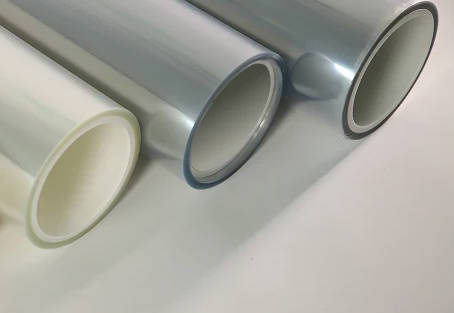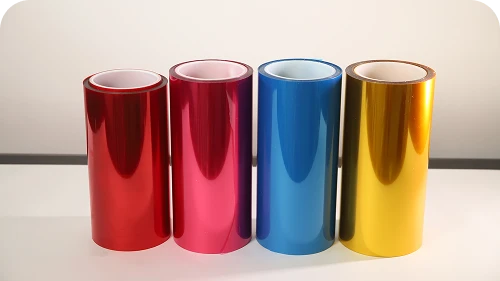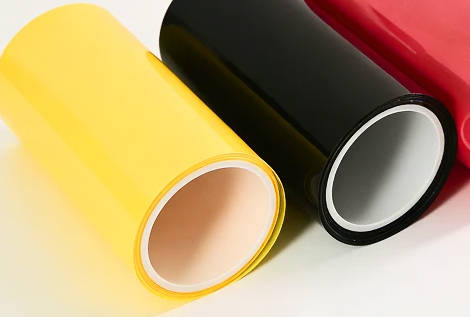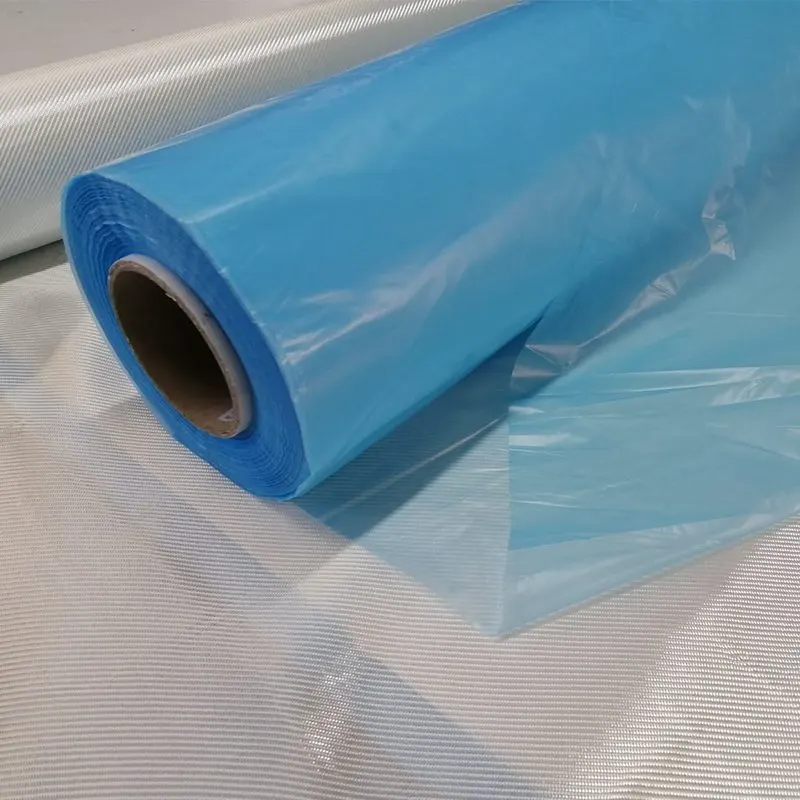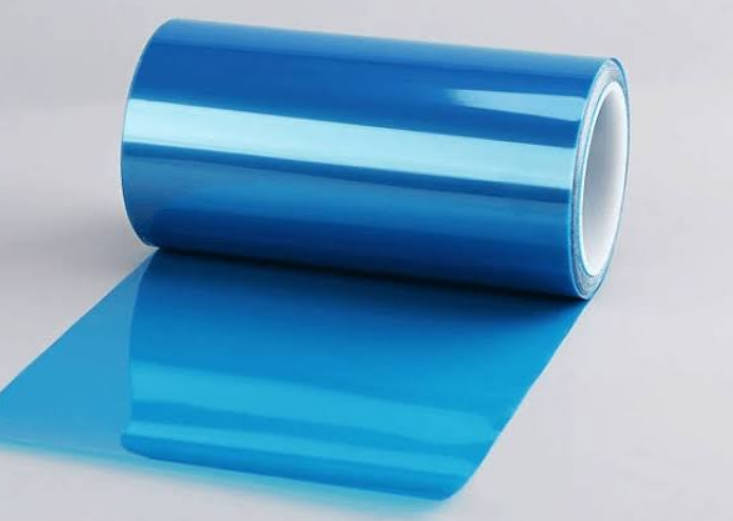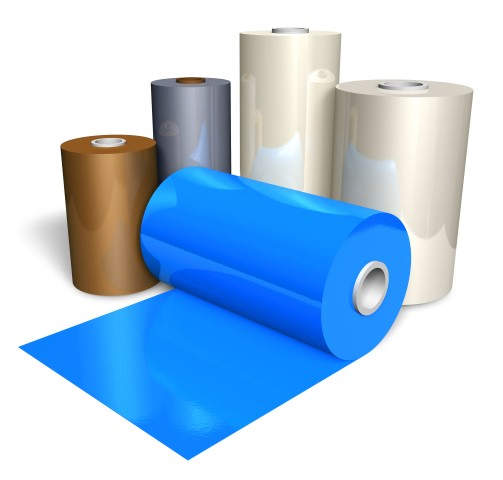
Most production failures involving a Release Film or release liner stem from one of two sources: an interfacial mismatch between the silicone coating and the adhesive, or mechanical stress exceeding the physical limits of the base substrate during high-speed converting. Resolving these defects without wasting rolls or halting die-cutting and coating lines requires isolating whether the fault originates from press settings—such as web tension, nip pressure, and blade depth—or from the liner material itself.
This troubleshooting guide provides a structured diagnostic matrix covering the most common converting and dispensing defects, breaks down the root causes across coating chemistry and substrate mechanics, and outlines a clear framework for deciding when to adjust line parameters versus when to specify a replacement liner.

Master Release Liner Troubleshooting Matrix: Quick-Reference Table
The table below maps common production symptoms to their primary mechanical and material root causes, along with immediate corrective actions for converting, die-cutting, and laminating lines.
| Symptom (Defect) | Likely Process / Machine Root Cause | Likely Material / Liner Root Cause | Immediate Action & Fix |
|---|---|---|---|
| High Release Force / Matrix Tearing During Stripping | Excessive nip pressure during lamination; high line temperature accelerating adhesive wet-out; overly fast peel speed. | Adhesive-silicone chemical incompatibility (e.g., silicone adhesive on standard silicone liner); insufficient silicone coat weight; release force drift over storage time. | Reduce laminating nip pressure and line speed; verify storage temperature; switch to a lower-release grade or fluorosilicone liner depending on adhesive chemistry. |
| Premature Release / Label Dispensing Failure | Excess web tension around tight-radius peel plates; sudden tension spikes during start-stop indexing. | Release force is too low for the adhesive’s tack; silicone over-migration or blooming; uneven silicone coating profile. | Increase peel plate radius; smooth out unwind/rewind tension ramps; specify a higher release force grade matched to label stiffness. |
| Silicone Transfer / Adhesive Contamination | Excessive friction or heat buildup across dead bars and stationary guides abrades the coating surface. | Incomplete silicone curing (under-cured cross-linking); poor silicone anchorage to the base film substrate. | Eliminate stationary drag bars in favor of live idler rollers; test downstream tack retention; reject under-cured rolls and request tighter anchorage specs. |
| Liner Tearing / Web Breaks | Die-cutting blade striking too deeply into the liner (anvil wear or excessive die pressure); misaligned web guides creating edge nicks. | Substrate tensile strength or elongation too low for press tension; localized gauge (thickness) variations; slit-edge micro-cracks. | Back off die-cutting pressure; inspect anvil roll for runout; inspect slit roll edges for nicks; upgrade to a higher-tensile or thicker PET substrate. |
| Wrinkling / Creasing | Unbalanced unwind tension; misaligned or bowed idler rollers; excessive heat in drying ovens causing uneven cross-web expansion. | Cross-web thickness variation (gauge bands); baggy edges from uneven winding tension at the supplier. | Check roller alignment and parallelism; reduce oven zone temperatures; adjust spreader rollers; verify incoming roll flatness before mounting. |
| Tunneling / Delamination | Mismatched unwind tensions between face stock and release liner during lamination; excessive nip pressure stretching one web. | Differential thermal expansion or moisture absorption between the liner and face stock; excessive liner shrinkage. | Match unwind tensions closely at the laminating nip; use a dimensionally stable PET substrate instead of moisture-sensitive paper liners. |
| Curling (Edge or Cross-Web) | High residual tension locked in during rewinding; localized drying on only one side of the web. | Thermal shrinkage mismatch during oven curing; moisture imbalance in paper-based liners. | Reduce rewind tension; balance oven airflow; transition to a heat-stabilized film liner if processing involves elevated curing temperatures. |
| Blocking / Roll Sticking | Excessive rewind tension creating high radial roll pressure; high warehouse stacking temperatures. | Silicone transfer to the backside of the liner; inadequate backside corona or anti-blocking treatment; under-cured coating. | Lower rewind taper tension; store rolls vertically or on cradles away from heat sources; verify backside release or anti-block properties. |
Diagnosing Coating and Release Force Failures
Interfacial defects occur at the boundary where the pressure-sensitive adhesive (PSA) contacts the silicone release layer. Because release force is dynamic—changing with peel angle, separation speed, temperature, and dwell time—surface symptoms often mask underlying chemical or curing issues.
High Release Force and Matrix Tearing During Stripping
When waste matrix stripping breaks repeatedly or labels fail to separate cleanly from the liner, the peel force required to separate the adhesive has exceeded the tensile strength of the face stock or matrix.
- Adhesive Wet-Out and Dwell Effects: Aggressive acrylic or rubber-based adhesives continue flowing into microscopic surface irregularities over time. High nip pressure during lamination or warm warehouse storage accelerates this wet-out, driving release values upward.
- Chemical Interaction: Standard polydimethylsiloxane (PDMS) coatings can react with certain silicone-based adhesives or uncured monomers, causing partial bonding (lock-up).
- Corrective Steps: Lower laminating nip pressure to the minimum required for uniform contact. If the adhesive is silicone-based, transition from standard silicone coatings to a fluorosilicone release system.
Premature Release and Label Dispensing Failure
Premature release—commonly seen as “flying labels” on high-speed dispensing lines or edge lifting on rolled goods—happens when the release force is too low to hold the face stock against mechanical bending forces.
- Sharp Peel Geometry: Rigid face stocks or thick films generate high restorative stiffness when bent over small-diameter rollers or tight-radius dispensing beaks. If the release value is too light, the label pops off before reaching the application point.
- Coating Uniformity: Streaks or skips in silicone coverage create localized drop-offs in release force.
- Corrective Steps: Increase the radius of idler rollers and peel plates to reduce bending stress, and verify that the specified release force provides enough hold-down margin for the face stock’s rigidity.
Silicone Transfer and Subsequent Adhesion Loss
Silicone transfer occurs when uncross-linked silicone polymers migrate from the liner onto the adhesive surface, permanently reducing the adhesive’s tack and shear performance in the end application.
- Under-Cured Silicone Layers: Insufficient thermal or UV curing during liner manufacturing leaves free silicone oligomers on the surface.
- Poor Anchorage: On smooth plastic substrates such as polyester (PET), inadequate surface priming allows the silicone layer to shear off onto aggressive adhesives.
- Shop-Floor Verification Method: Apply a standard reference test tape (such as a known acrylic cellophane tape) onto the silicone-coated side of the liner, peel it off, and then press that same strip onto a clean glass or stainless steel plate. Compare its peel adhesion against a fresh strip of the same test tape that never touched the liner. A sharp drop in subsequent adhesion confirms silicone transfer.
Resolving Substrate Deformation, Web Breaks, and Tunneling
Mechanical failures disrupt line continuity and create dimensional scrap even when the silicone release chemistry performs properly. Isolating these faults requires tracing how web tension, blade geometry, and thermal exposure interact with the base film.
- Inspect Die-Cutting Depth and Anvil Condition: During rotary or flatbed kiss-cutting, the die blade must sever the face stock and adhesive layer without scoring the underlying liner. Even minor blade penetration into a film substrate creates a stress concentration line that snaps under rewind tension. Check anvil rolls for wear grooves and verify die-to-anvil clearance before blaming liner tensile strength.
- Verify Slit-Edge Integrity: Inspect the outer edges of incoming jumbo or slit rolls under magnification. Micro-nicks or melted beads caused by dull slitting knives act as tear initiation points whenever line tension fluctuates.
- Balance Unwind Tensions to Eliminate Tunneling: Tunneling—where the face stock lifts away from the liner in parallel ridges—typically results from laminating two webs under unequal tension. When the stretched web relaxes after the nip, the unstretched web buckles into tunnels. Synchronize unwind brake pressures and minimize the free span between unwind stands and the laminating nip.
- Control Thermal Expansion and Moisture: Paper liners expand and contract rapidly with ambient humidity shifts, causing edge curl and tunneling in humid plants. When converting processes involve multi-zone drying ovens or high ambient humidity, switching to a dimensionally stable PET base film prevents moisture-induced distortion.
Process Adjustment vs. Liner Replacement: A Decision Framework
Before rejecting an incoming lot or initiating a supplier change, process engineers should distinguish between recoverable machine setup errors and fixed material limitations.
Stage 1: On-Press Verification Checklist
Complete these checks on the converting or die-cutting press to rule out setup-induced defects:
- Confirm unwind, main drive, and rewind tension settings match documented recipes for the specific web width and caliper.
- Verify all idler rollers rotate freely without drag, flat spots, or adhesive buildup.
- Check die-cutting impression pressure using ink transfer or shim gauges to confirm zero blade penetration into the liner.
- Measure actual oven or nip temperatures with a calibrated contact pyrometer rather than relying solely on controller readouts.
- Test roll-to-roll consistency by running a confirmed “golden sample” roll from a previous successful lot under identical machine settings.
Stage 2: Material Re-Specification Triggers
If defects persist after passing Stage 1 verification, the root cause lies in the liner specification. Re-specify your engineered Release Film solutions when any of the following triggers occur:
- Consistent Out-of-Spec Peel Values: Bench peel testing (e.g., 180-degree peel at standard speed) shows release forces consistently outside the target window across multiple rolls.
- Confirmed Silicone Transfer: Subsequent adhesion testing shows measurable tack loss caused by free silicone migration or poor coating anchorage.
- Substrate Yielding Under Required Tension: The base film stretches, necks down, or snaps even when press tensions are reduced to the minimum needed for web tracking.
- Dimensional Instability: The liner exhibits excessive thermal shrinkage or cross-web gauge bands that cannot be corrected by spreader rollers.
Procurement and Specification Checklist for Sourcing Replacement Release Film
When qualifying a replacement liner or onboarding a secondary supplier, providing incomplete application details often leads to repeat trial-and-error cycles. Purchasing managers and R&D engineers should confirm and communicate six core parameters before ordering test rolls:
- Adhesive Chemistry and Coat Weight: Specify whether the adhesive is acrylic, synthetic rubber, natural rubber, silicone, or hot-melt, along with its approximate coat weight and initial tack level.
- Target Release Force Range: Define the required release value (typically measured in g/in or cN/25mm) and specify the test method, peel angle (90° or 180°), and peel speed used by your quality lab.
- Base Substrate Type and Thickness: Identify the required polymer (such as PET, PE, or PP) and nominal thickness (caliper), noting any strict thickness tolerance limits required for kiss-cutting precision.
- Coating Configuration and Appearance: Clarify whether single-sided or differential double-sided release is needed, as well as optical requirements (transparent, matte, or colored for optical sensor detection).
- Downstream Processing Conditions: Document maximum oven exposure temperatures, dwell times, UV curing exposure, and cleanroom or low-extractable requirements.
- Roll Dimensions and Packaging: Confirm exact slit widths, roll outer diameter (OD), core inner diameter (ID, e.g., 3-inch or 6-inch), and splice limits.
Note: Exact substrate availability, thickness ranges, release force tolerances, and testing certifications vary by product grade and should be verified directly against YINGFEI Release Film specifications during technical qualification.
Frequently Asked Questions About Release Liner Troubleshooting
Can improper storage conditions cause release force drift in silicone release films?
Yes. Storing release liners in high-temperature or high-humidity environments accelerates chemical post-curing or moisture absorption, depending on the substrate and coating formulation. Over time, this shifts the release force upward or downward compared to fresh baseline measurements. Always store rolls in climate-controlled conditions away from direct heat sources and rotate inventory using first-in, first-out (FIFO) practices.
How do I prevent static buildup and dust attraction when unwinding release film at high speeds?
High-speed unwinding generates triboelectric static charges on non-conductive polymer films, attracting airborne dust that causes coating defects and visual blemishes. Install active ionizing bars near the unwind stand and prior to the laminating nip, ensure all machine frames and rollers are properly grounded, and consider specifying an anti-static coated liner if processing takes place in cleanroom or electronics environments.
What is the quickest way to tell if adhesive residue is caused by silicone transfer or adhesive cohesive failure?
Perform a subsequent adhesion test alongside visual inspection. If the adhesive left on the liner looks stringy or leggy, the adhesive likely suffered cohesive failure due to under-curing or excessive peel speed. If the adhesive surface looks smooth and glossy yet refuses to stick to a clean test substrate, uncross-linked silicone has likely transferred from the liner onto the adhesive face.
When should I switch from a paper release liner to a PET release film to solve tearing issues?
Transition from paper liners (such as glassine or SCK) to a high-tensile Release Film when high-speed rotary die-cutting causes frequent web breaks, when moisture variations cause dimensional curling, or when ultra-smooth adhesive wet-out is required for optical or electronic parts. Polymer films offer higher tensile strength, tighter thickness uniformity, and superior resistance to humidity compared to cellulose-based liners.
Next Steps for Resolving Persistent Release Liner Defects
Effective troubleshooting starts with isolating machine variables from material properties. By using the diagnostic matrix to verify tension balance, blade depth, and curing integrity first, engineering teams can eliminate avoidable scrap before committing to material changes. When process adjustments reach their limit, matching the base substrate and silicone release profile directly to your adhesive chemistry and press conditions is the most reliable path to stable production.
If your converting or die-cutting line is experiencing persistent web breaks, release force drift, or silicone transfer, share your adhesive type, processing temperatures, and current defect symptoms with the YINGFEI technical team to evaluate suitable Release Film sample rolls for your on-press trials.
Key Takeaways
- Two-Source Fault Isolation: Virtually all release liner defects originate either from press mechanics (excessive die pressure, misaligned rollers, unbalanced tensions) or interfacial/material mismatches (under-cured silicone, adhesive incompatibility, gauge bands).
- Silicone Transfer Verification: Subsequent adhesion testing—measuring whether a reference tape loses tack after contacting the liner—is the fastest shop-floor method to confirm uncross-linked silicone migration.
- Die-Cutting Precision: Even minor blade scoring into a film substrate creates stress risers that lead to web breaks under downstream rewind tension.
- Structured Re-Sourcing: When on-press parameter checks pass yet defects continue, switching liners requires specifying six core variables: adhesive chemistry, target release force, substrate caliper, coating configuration, thermal exposure, and roll geometry.