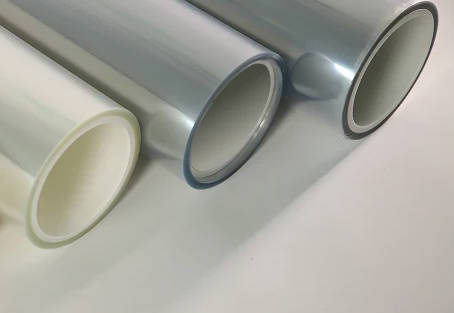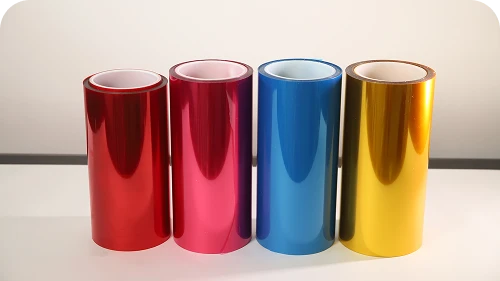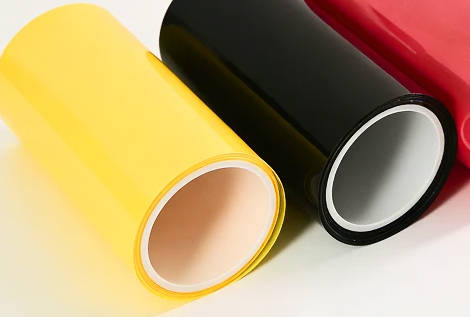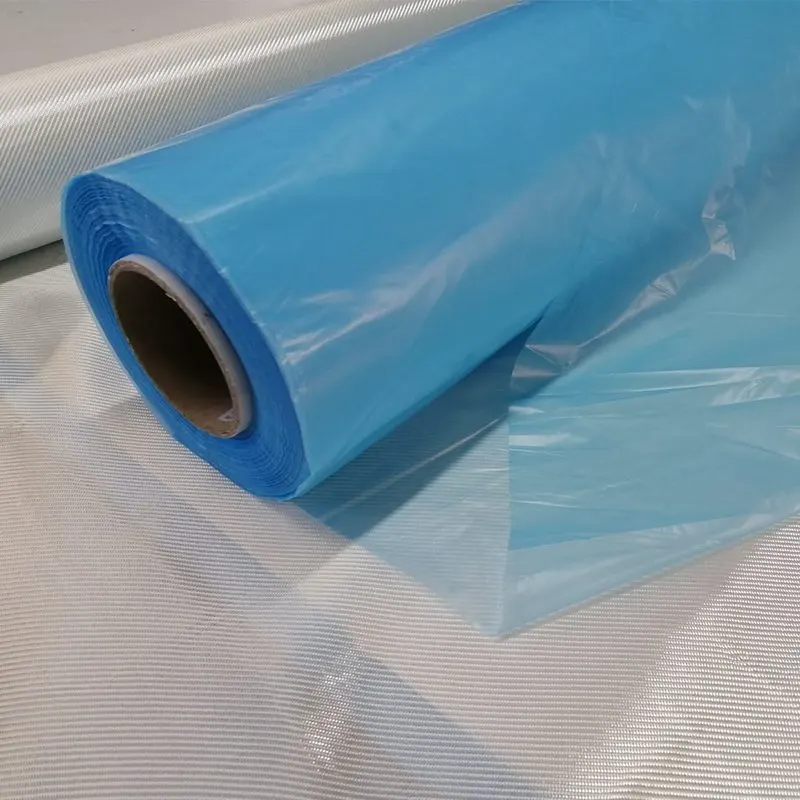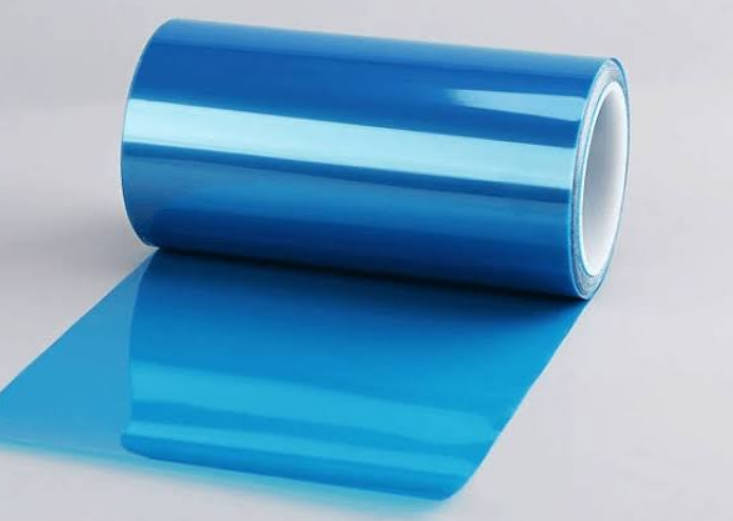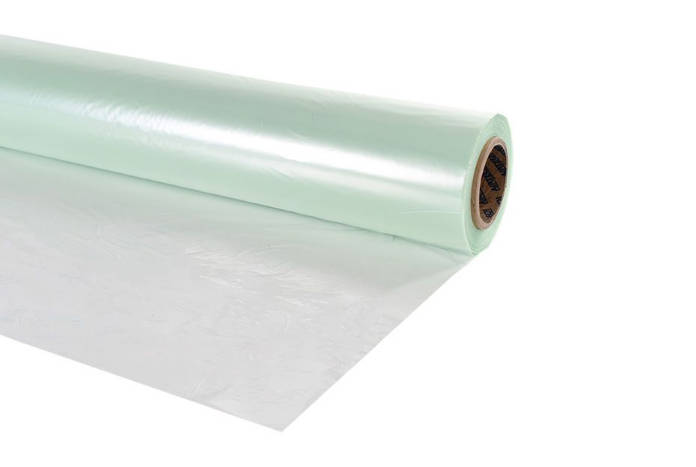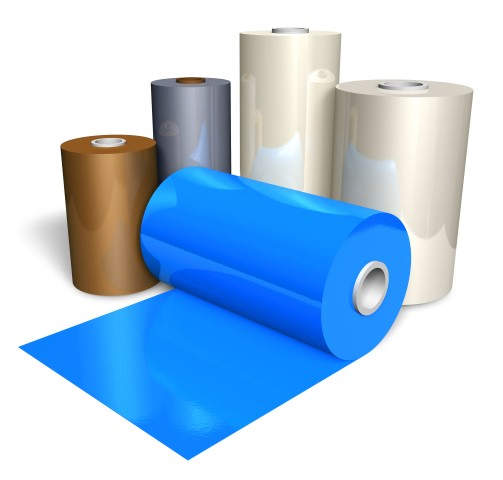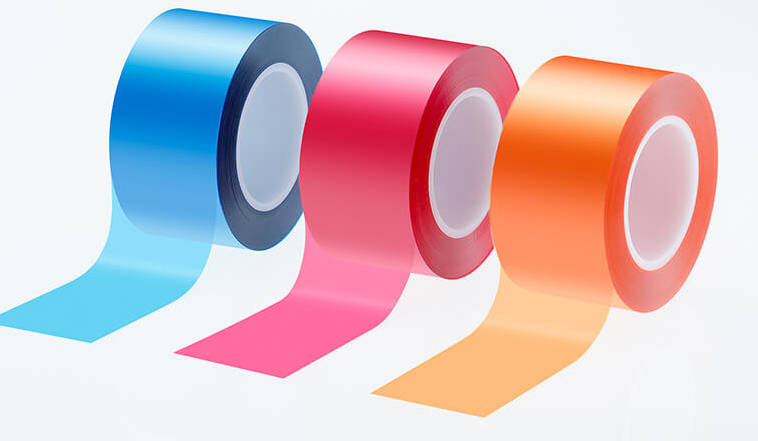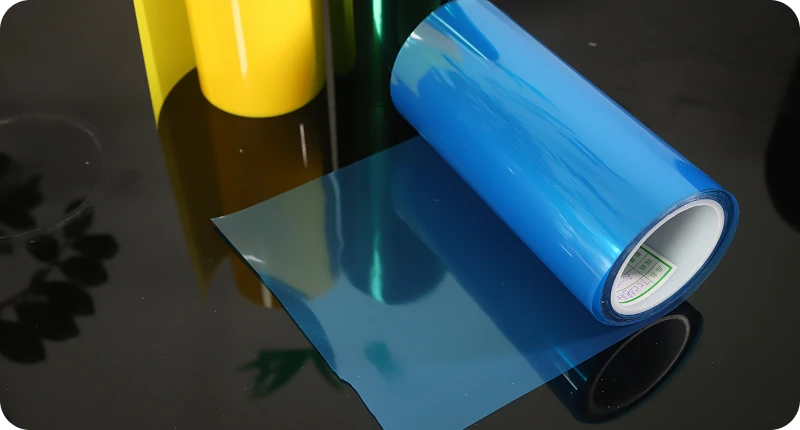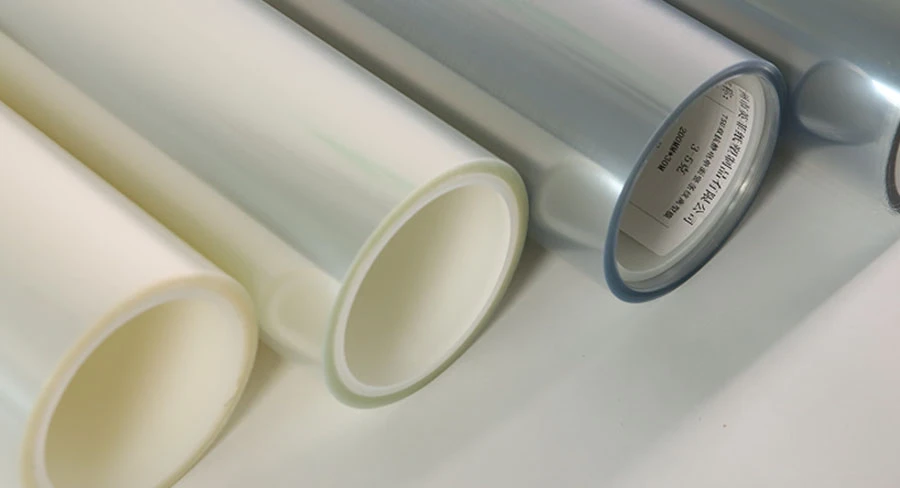
Laser die-cutting and rotary die cutting place opposite physical stresses on a release liner—thermal ablation versus mechanical shear—meaning a liner engineered for one process often fails in the other. Laser converting requires a Release Film with high thermal stability, low shrinkage, and controlled optical absorption to prevent edge melting or burn-through. Conversely, rotary die cutting relies on uniform caliper tolerance, high tensile modulus, and surface hardness to withstand blade pressure and high-speed web tension without snapping or score-cutting.
Selecting the right film release liner depends on matching the substrate’s thermal, mechanical, and release-force profile to your converting line’s specific energy source and web handling setup. Below, you will learn how both converting technologies interact with the liner, the exact engineering specifications each method demands, when polymeric films outperform paper liners, and how to prepare a specification checklist for supplier qualification.
How Laser and Rotary Die-Cutting Interact Differently With the Liner
Laser die-cutting and rotary die cutting differ fundamentally in how energy transfers through the facestock and adhesive to stop at the release coating interface. Understanding this physical interaction explains why liner failure modes vary between the two methods.
- Laser Die-Cutting (Non-Contact Thermal Ablation): A focused laser beam vaporizes or ablates the facestock and adhesive layer along a programmed vector path without physical tooling contact. Because there is no mechanical depth stop, the liner survives only if it either transmits the laser wavelength cleanly or absorbs minimal thermal energy before the beam passes, while its silicone or fluorosilicone coating resists heat degradation.
- Rotary Die Cutting (Contact Mechanical Shear and Compression): A hardened cylindrical die rotates against an anvil roll under calibrated pressure to physically sever the facestock and adhesive down to the release interface (kiss-cutting). The liner acts as a mechanical anvil bed; it must resist blade penetration under localized compressive loads while simultaneously carrying high longitudinal web tension during matrix stripping and rewinding.
What Laser Die-Cutting Demands From a Release Film
Laser converting exposes the release liner to intense localized heat, rapid thermal gradients, and vaporized adhesive byproducts. A suitable laser die cutting release liner must control four primary thermal and optical variables.
- Wavelength Compatibility and Optical Transmission Different laser sources—such as CO2, UV, or fiber lasers—interact differently with polymer chains. If a Release Film absorbs too much energy at the operating laser wavelength, the beam will melt, char, or perforate the liner immediately after cutting through the adhesive. Engineers must match the base polymer’s absorption spectrum to the laser wavelength so the liner acts as an effective thermal barrier.
- Low Thermal Shrinkage and Dimensional Stability Even when a laser does not burn through the liner, heat radiating into the heat-affected zone (HAZ) can cause localized polymer relaxation or curling. In multi-station converting or tight-tolerance electronic parts, thermal distortion shifts registration between sequential cuts. Selecting heat-stabilized high-temperature resistant Release Film minimizes web deformation and keeps die-cut parts flat after cooling.
- Thermal Resistance of the Release Coating Excessive heat at the cut edge can cure, oxidize, or abrade the release coating, creating localized high-release spots. When downstream automated equipment attempts to strip the waste matrix or dispense the finished part, damaged release zones cause adhesive transfer, stringing, or label tearing.
- Clean Ablation Without Edge Melting or Outgassing If the liner surface partially melts, raised polymer beads form along the cut perimeter, preventing flat lamination in subsequent assembly steps. Additionally, polymer substrates must remain stable under momentary thermal spikes to avoid generating excessive smoke or residue that fouls optical lenses.
Troubleshooting Note: If you observe yellow scorching, curled part edges, or adhesive stringing along laser-cut perimeters, verify whether the issue stems from excessive laser power or an unstabilized liner substrate absorbing stray thermal energy at the cut boundary.
What Rotary Die Cutting Demands From a Release Film
Rotary die cutting eliminates thermal stress but introduces continuous mechanical compression, high-speed friction, and dynamic web tension. A rotary die cutting release liner depends on tight dimensional and mechanical tolerances to maintain yield.
- Strict Caliper (Thickness) Uniformity In kiss-cutting, the gap between the rotary die blade and the anvil cylinder is fixed to a precise mechanical clearance. If the liner experiences gauge variations across the web width or along the machine direction, thick spots force the blade to score-cut into the liner—weakening its tensile integrity—while thin spots result in incomplete facestock cuts and failed matrix stripping.
- High Tensile Strength and Elongation Resistance High-speed rotary presses subject the web to substantial unwinding, nip, and matrix-stripping tension. A film liner with low longitudinal modulus stretches under tension, distorting part pitch and causing web breaks when narrow waste matrices are pulled away at steep peel angles.
- Surface Hardness and Compression Resistance The liner must support the facestock without compressing excessively under blade pressure. Soft substrates deform under the die edge, causing the facestock to bend into the liner rather than shearing cleanly—a defect known as “bruising” or incomplete cut-through.
- Consistent Release Force Profile Rotary lines require a calibrated release window: tight enough to prevent pre-dispensing (labels flying off around small-diameter rollers at high speed), yet smooth enough to allow continuous, tear-free matrix stripping without halting the press.
Side-by-Side Comparison: Release Film Specifications for Laser vs. Rotary Processes
Evaluating both technologies side by side clarifies how purchasing and engineering specifications diverge depending on the converting line.
| Evaluation Dimension | Laser Die-Cutting Requirements | Rotary Die Cutting Requirements | Primary Failure Risk if Mismatched |
|---|---|---|---|
| Primary Stress Mechanism | Non-contact localized thermal energy and radiant heat | Mechanical blade compression and longitudinal web tension | Liner burn-through (laser) or web snapping (rotary) |
| Substrate Thermal Stability | High heat resistance and heat-stabilized low thermal shrinkage | Standard ambient-to-moderate operating temperature stability | Edge curling, part warping, and registration drift |
| Optical / Wavelength Behavior | Controlled transmission or minimal absorption at laser wavelength | Optical properties irrelevant unless optical registration sensors are used | Liner perforation or melted polymer beads along cut lines |
| Caliper (Thickness) Tolerance | Moderate tolerance acceptable; beam focus depth provides minor latitude | Extremely tight gauge consistency required across web and roll length | Incomplete facestock cuts or score-cut liner breakage |
| Mechanical & Tensile Strength | Moderate tensile strength sufficient for web transport | High tensile modulus and tear resistance for high-speed matrix stripping | Web breaks during high-tension stripping or rewinding |
| Surface Hardness | Smooth surface to support uniform adhesive wet-out | High surface hardness and low compressibility against anvil rolls | Blade bruising and poor shear definition on soft facestocks |
When and Why Release Film Outperforms Paper Liners in Both Processes
While paper liners such as glassine or supercalendered kraft (SCK) remain viable for standard label printing, demanding laser and rotary converting applications increasingly require polymeric precision-engineered Release Film solutions.
Paper consists of compressed cellulose fibers, which introduces structural limitations in both converting environments:
- Under Laser Processing: Cellulose fibers char, discolor, and generate ash or particulate smoke when exposed to thermal energy, contaminating sensitive electronic or medical components. Polymeric films offer cleaner thermal thresholds without fibrous charring.
- Under Precision Rotary Processing: Natural fiber variations create microscopic thickness fluctuations and surface roughness. In ultra-thin adhesive tapes or optical films, paper roughness transfers texture into the adhesive (reducing optical clarity), while die blades generate paper dust and tear weakened fibers.
Application Decision Framework: Paper Liner vs. Release Film
When Paper Liners Remain Practical: Standard paper or film pressure-sensitive labels on mid-speed rotary presses where minor gauge variation, ambient moisture sensitivity, and trace fiber dust do not affect end-use performance.
When Upgrading to Release Film Is Essential:
- Laser die-cutting of technical tapes, gaskets, and multilayer electronic components requiring clean edges and thermal stability.
- High-speed rotary kiss-cutting of ultra-thin films or low-cohesion adhesives where strict caliper uniformity prevents liner score-cutting.
- Cleanroom, medical, or optical converting environments that prohibit cellulose fibers, paper dust, and moisture-induced dimensional swelling.
- Automated high-speed dispensing applications where a single liner web break stops downstream assembly.
Specifying the Right Release Film: An Engineer’s and Buyer’s Checklist
Before requesting samples or submitting a request for quote (RFQ) to a liner manufacturer, engineering and procurement teams should document the exact converting parameters to ensure accurate substrate and coating formulation.
- Converting Equipment and Process Type: Specify whether the line uses rotary die cutting, flatbed die cutting, or laser die-cutting—including the laser source type (e.g., CO2, UV, fiber) or rotary die angle and press speed.
- Facestock and Adhesive Chemistry: Identify the facestock material and adhesive family (acrylic, rubber-based, silicone, or polyurethane) along with coat weight, as adhesive chemistry dictates the required release coating formulation.
- Target Release Force Window: Define the desired peel force range (light, medium, or differential release) based on matrix geometry, part size, and downstream dispensing speed.
- Base Film Substrate and Gauge: Confirm the preferred polymer base (such as PET, PP, or PE, subject to process temperature and stiffness needs), target thickness, and allowable caliper tolerance.
- Roll Dimensions and Cleanliness Standards: Specify roll width, core diameter, maximum outer diameter, splice limits, and whether cleanroom packaging or anti-static treatment is required.
Final specification parameters—including exact thickness tolerances, thermal exposure limits, and peel force stability—should always be verified through line trials under actual production conditions.
Key Takeaways
- Opposite Failure Drivers: Laser die-cutting destroys liners through thermal absorption, shrinkage, and edge melting, whereas rotary die cutting causes failure through gauge-induced score-cutting, blade bruising, and tensile web breaks.
- Laser Selection Priorities: Prioritize heat-stabilized polymeric substrates with wavelength compatibility and thermally durable release coatings to prevent burn-through and registration shift.
- Rotary Selection Priorities: Prioritize tight caliper uniformity, high longitudinal tensile modulus, and surface hardness to maintain clean kiss-cutting and uninterrupted matrix stripping at high speeds.
- Film Over Paper Advantage: Polymeric release films eliminate the fiber dust, thickness variability, and charring issues inherent to paper liners in precision electronic, medical, and optical converting.
- Qualification Best Practice: Always validate liner performance with trial rolls tested at target press speeds or laser power settings before committing to volume procurement.
Frequently Asked Questions
Can the same PET release film be used for both laser and rotary die cutting?
Sometimes, but not automatically. While standard PET release film offers good tensile strength for rotary die cutting, laser die-cutting often requires heat-stabilized grades with specific optical transmission characteristics and thermally robust release coatings to prevent edge curling or coating degradation. Always confirm dual-process compatibility with your liner supplier and run line trials on both machines.
How do I prevent the laser from burning through the release liner during kiss-cutting?
Preventing laser burn-through requires balancing two factors: adjusting laser power, pulse frequency, and scan speed so thermal energy stops at the adhesive-liner interface, and selecting a release film substrate that does not excessively absorb your laser’s specific wavelength. Using a heat-stabilized film with clean thermal resistance also prevents localized melting if slight energy overlap occurs.
What causes release liner breakage during high-speed rotary die cutting?
Liner breakage during rotary converting is most commonly caused by die blades score-cutting too deeply into the liner due to inconsistent liner caliper tolerance or anvil wear. Other frequent causes include excessive web tension during narrow matrix stripping, edge nicks created during slitting, or using a substrate with insufficient tensile modulus for the press speed.
Why is caliper tolerance more critical in rotary die cutting than in laser die-cutting?
In rotary die cutting, the mechanical gap between the die blade and the anvil roll is fixed; any spike in liner thickness drives the blade directly into the liner, weakening its tensile strength and causing web snaps. Because laser die-cutting is a non-contact thermal process controlled by beam energy rather than physical blade clearance, minor liner thickness variations do not cause mechanical score-cutting.