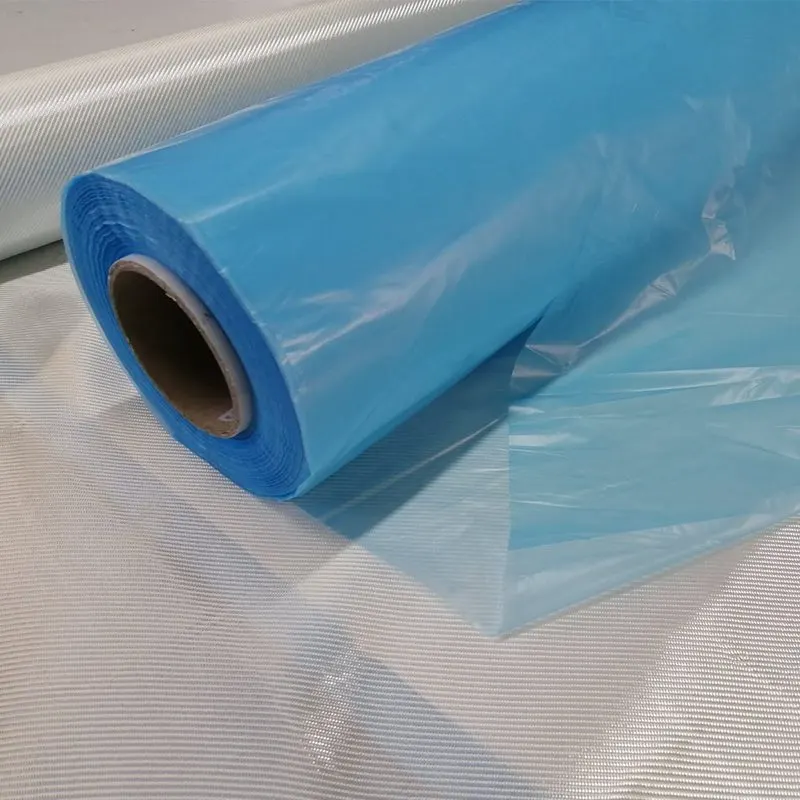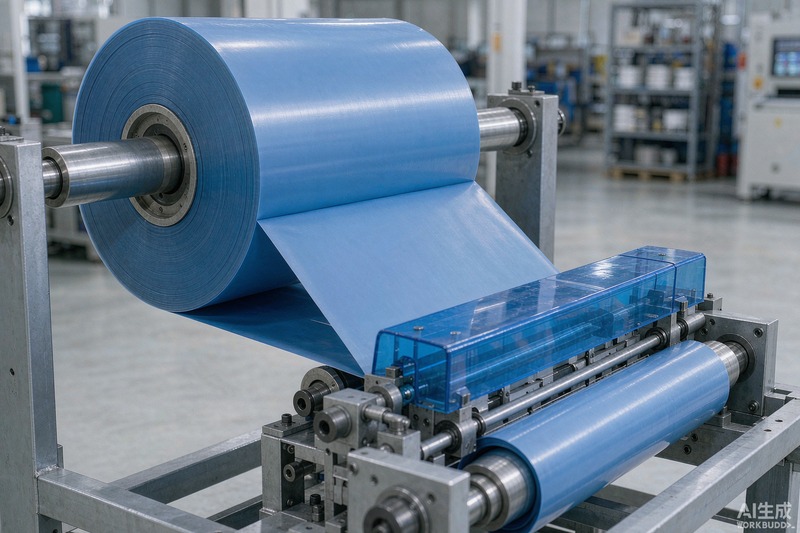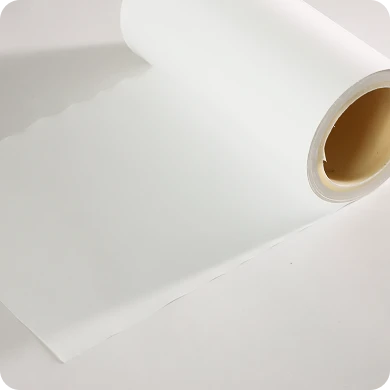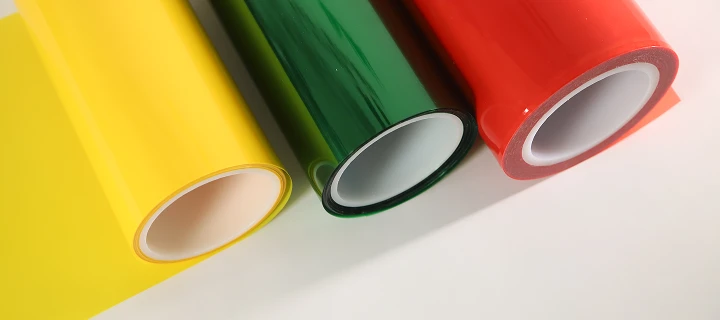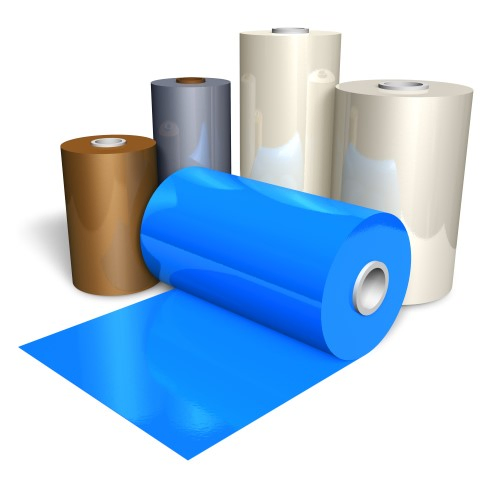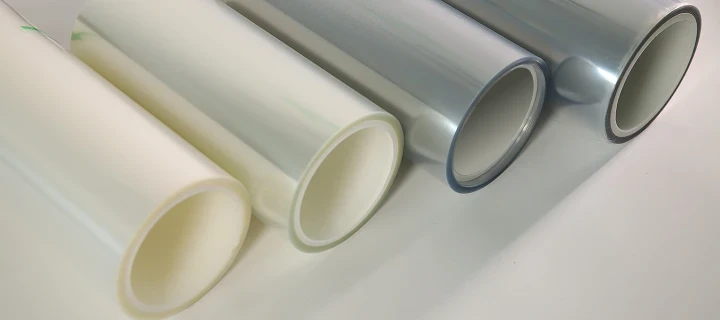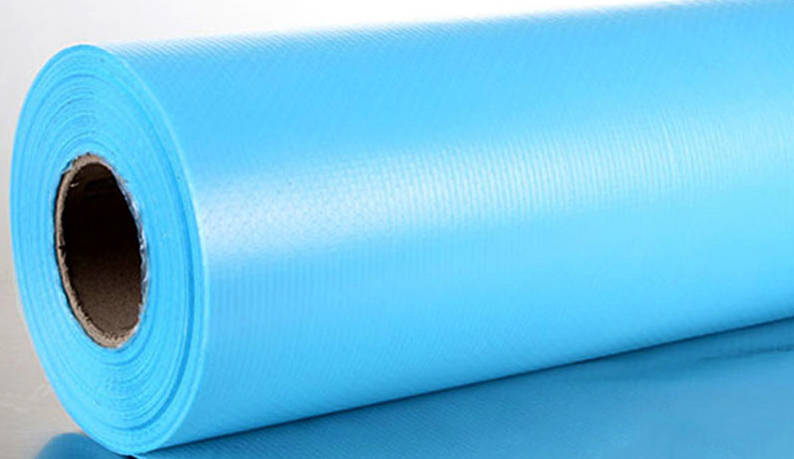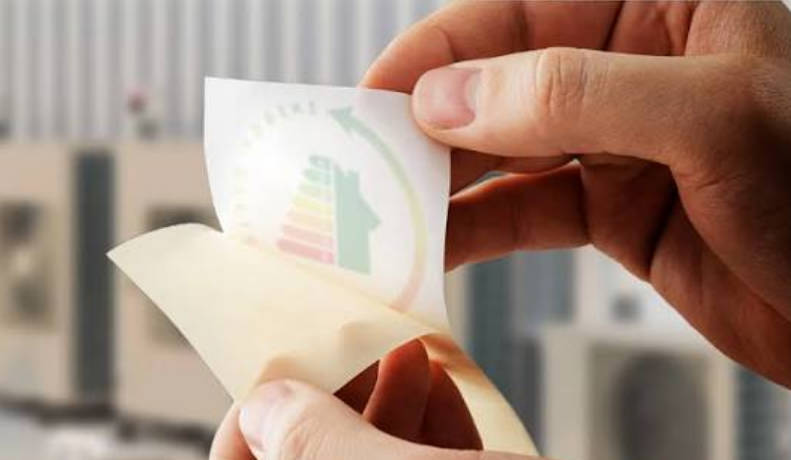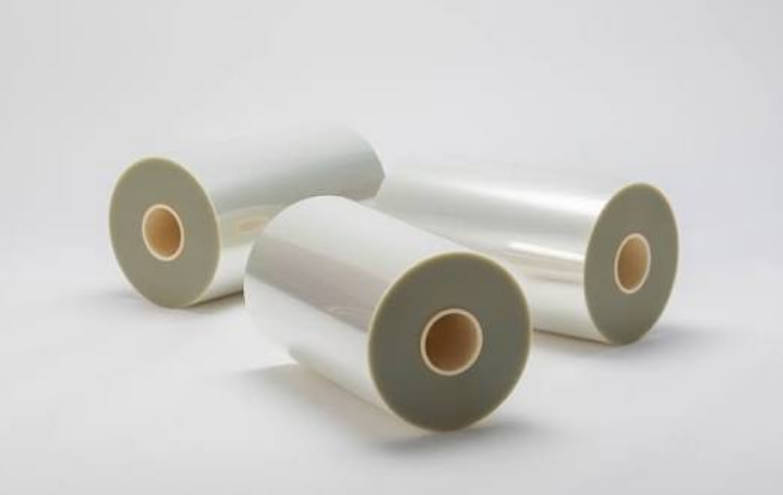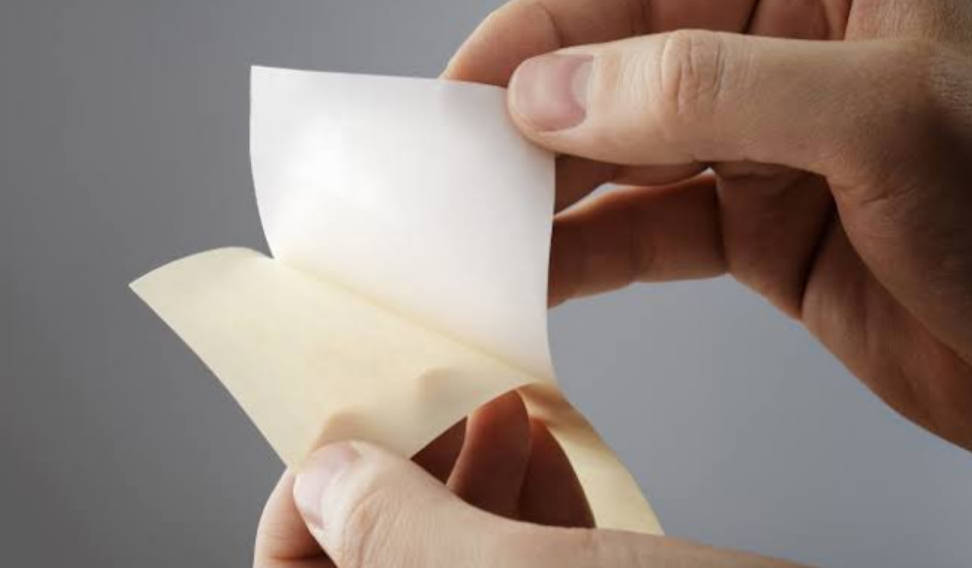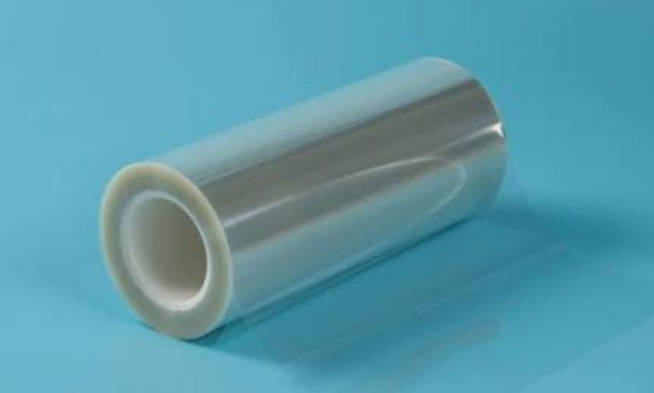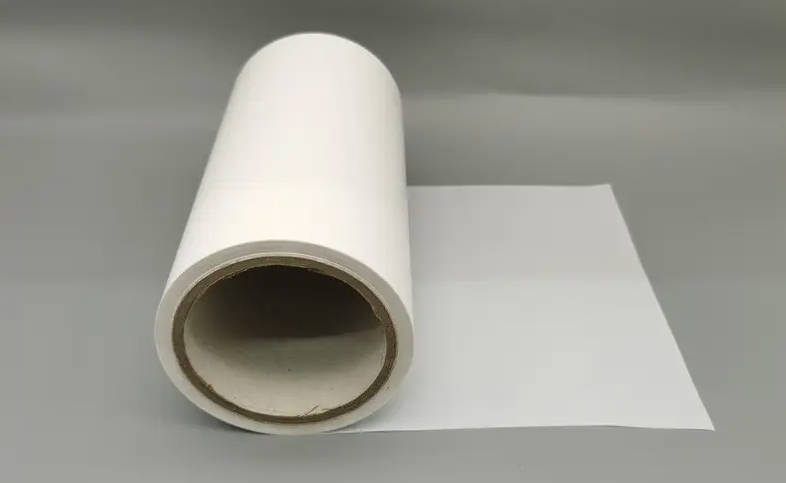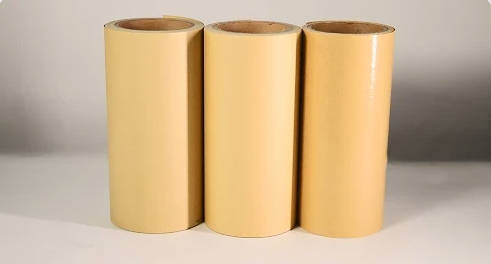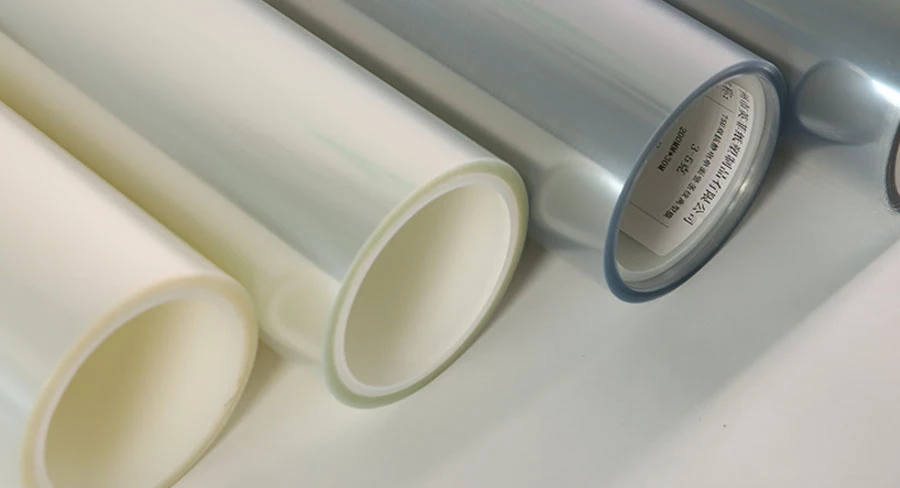
Glassine release paper is an ultra-dense, semi-translucent carrier substrate engineered to protect adhesive layers and enable clean high-speed dispensing. Consisting of a supercalendered pulp base treated with a specialized silicone barrier, it combines high tensile strength, dimensional stability, and optical transparency. Choosing the right grade depends primarily on converting speed, die-cutting blade depth, adhesive chemistry, and required peel values.
This guide breaks down the physical properties of glassine liners, examines their continuous manufacturing and curing cycle, compares them against alternative release backings, and outlines the core technical specifications required for industrial sourcing.
What Is Glassine Release Paper? Defining Characteristics & Physical Structure
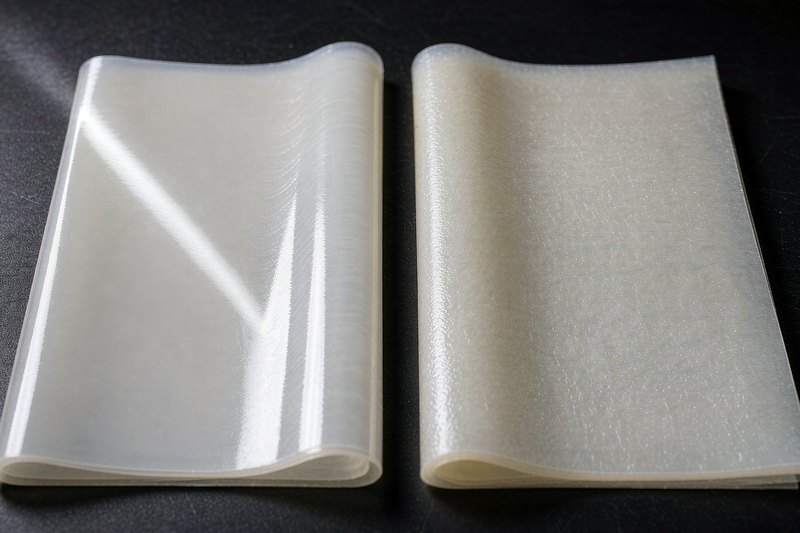
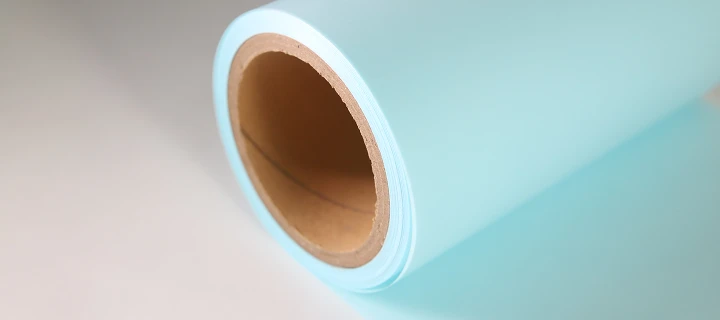
Glassine release paper is a non-porous, smooth paper backing coated on one or both sides with a silicone release system. Unlike standard machine-finished papers, glassine undergoes intense mechanical compaction that collapses the cellulose fibers into a uniform, highly consolidated sheet.
+-------------------------------------------------------------+
|               Cured Silicone Layer (Release Agent)           |
+-------------------------------------------------------------+
|        Pore-Free, Supercalendered Cellulose Fiber Base       |
|               (Dense, Translucent Core Sheet)               |
+-------------------------------------------------------------+
|        Optional Backside Coating (Anti-Static / Barrier)    |
+-------------------------------------------------------------+
The functional performance of a silicone coated glassine paper comes from several structural properties:
- High Apparent Density: Mechanical refining eliminates internal voids, preventing silicone chemistry from soaking into the core of the sheet.
- Caliper Uniformity: Tight thickness tolerance across the entire web allows rotary die-cutting blades to cut through face stocks without penetrating the backing.
- Controlled Translucency: The sheet permits light penetration within standard optical sensor bandwidths, allowing automated label applicators to register label gaps on high-speed lines.
- Dimensional and Thermal Stability: The sheet resists stretching under web tension and maintains lay-flat properties through thermal curing ovens and downstream converting.
When reviewing base stock options across a comprehensive range of release paper, converters evaluate grammage (typically ranging from 58 g/m² to 120 g/m²) and caliper consistency to avoid web breaks during high-speed runs.
The Manufacturing Process: From Supercalendered Base Paper to Silicone Coating
Transforming raw wood pulp into a precision glassine release liner involves two sequential manufacturing stages: base paper densification and precision silicone deposition.
Supercalendering: Achieving Dimensional Uniformity & Caliper Consistency
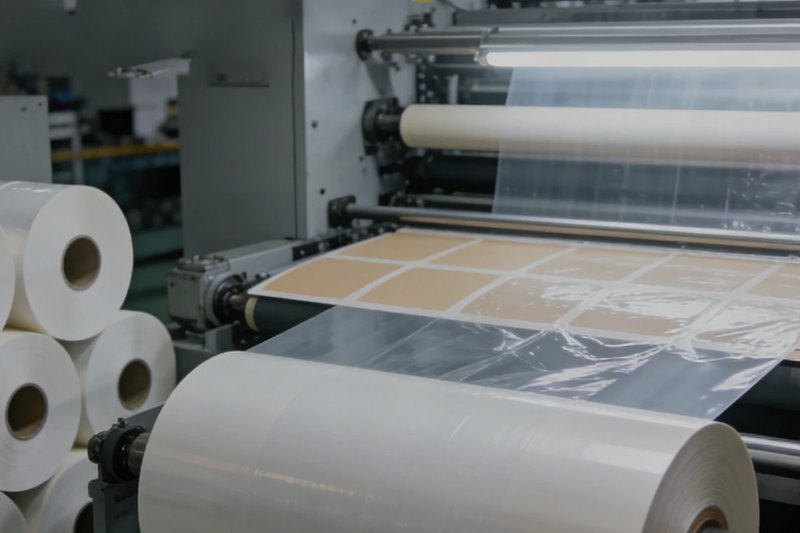
The base sheet begins as chemical wood pulp that undergoes extensive beating and hydration to weaken fiber boundaries. After preliminary drying, the web passes through a supercalender stack—an alternating series of heated steel rolls and yielding composite/cotton-filled rolls operating under extreme linear pressure.
- Hydration & Web Preparation: The paper is conditioned to a controlled moisture profile before entering the nip stack.
- Thermal-Mechanical Shearing: The combination of elevated heat and differential roll speeds creates a micro-slippage effect that irons the surface.
- Pore Collapse: Fiber walls deform plastically, yielding an exceptionally smooth surface with minimum open porosity, eliminating the need for heavy clay barrier topcoats.
Solvent-Free vs. Emulsion Silicone Coating: Curing & Release Stability
Once the base paper is stabilized, it enters a dedicated silicone coating line. Formulators deposit a reactive polyorganosiloxane formulation across the moving web:
- Thermal Platinum-Catalyzed Curing: Most high-efficiency operations utilize solvent-free 100% solids silicone. Vinyl-functional polymers, crosslinkers containing silicon-hydride groups, and a platinum catalyst crosslink inside high-temperature floatation ovens. The reaction finishes in seconds without hazardous volatile emissions.
- Curing & Anchorage Control: Complete crosslinking is necessary to maximize the Residual Adhesion Value (RAV). Under-curing leaves free silicone monomers that can migrate into the adhesive mass, destroying adhesive tack.
- Moisture Rebalancing: Because thermal ovens dehydrate the cellulosic fibers, the web passes through steam moisturization units before slitting to restore equilibrium moisture content and prevent curling.
Glassine vs. CCK vs. Kraft vs. PET Liner: Choosing the Right Substrate
Selecting an appropriate release carrier requires matching the substrate’s mechanical limitations to processing pressures, die-cutting methods, and operating environments.
| Performance Dimension | Glassine Paper | Clay-Coated Kraft (CCK) | Polyethylene-Coated Kraft (PEK) | Polyester Film (PET) |
| Primary Structure | Supercalendered pulp + silicone | Kraft paper + clay coat + silicone | Kraft paper + extruded PE + silicone | Biaxially-oriented polyester + silicone |
| Caliper Consistency | High | Moderate | Moderate | Extremely high |
| Optical Transparency | Translucent (30–50%) | Opaque | Opaque | Fully transparent |
| Die-Cutting Suitability | High-speed kiss-cutting / rotary | Flatbed and heavy kiss-cutting | Rotary / large format | High-precision micro-die-cutting |
| Tensile Strength (MD) | High | Moderate to High | High | Exceptional |
| Moisture Resistance | Moderate | Low to Moderate | High (moisture barrier) | Complete barrier |
| Relative Material Cost | Moderate | Economical | Moderate to High | Premium |
Glassine provides a reliable balance of thickness consistency and cost for reel-to-reel converting. While PET film provides tighter caliper control for ultra-thin films, glassine remains the standard for automated pressure-sensitive label lines due to lower yield costs and easy blade penetration. Compared to CCK and standard industrial release paper substrates, glassine’s dense core prevents edge fiber blowout during kiss-cutting.
Primary Industrial Applications of Glassine Release Liners
Adhesive coaters and industrial converters use glassine across multiple sectors where predictable peel forces and dimensional stability under tension are required.
                       Industrial Glassine Applications
                                       │
         ┌──────────────────┬──────────┴──────────┬──────────────────┐
         ▼                  ▼                     ▼                  ▼
Pressure-Sensitive     Industrial Tape       Medical Skin          Precision
    Labeling              Converting           Patches            Die-Cutting
(High-speed rotary    (Double-sided PSA     (Hypoallergenic      (Electronic EMI
 automatic lines)       film carriers)        adhesives)         gaskets & foams)
High-Speed Rotary Die-Cutting & Pressure-Sensitive Labels
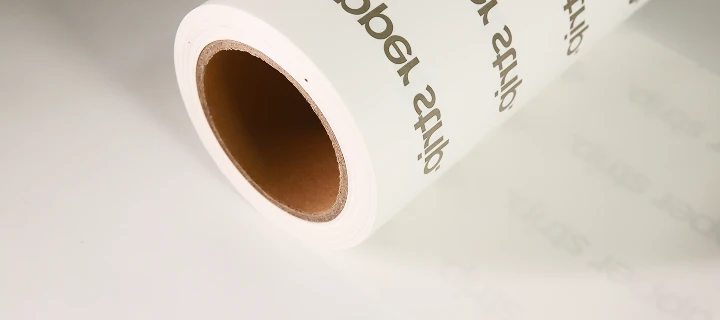
High-speed rotary label production represents the single largest application for glassine backing paper. In high-speed bottling and packaging facilities, label application machines use optical photodiodes to register the transparency contrast between the label and the translucent glassine liner. The liner’s tear resistance prevents catastrophic web breaks when the dispensing beak strips the label under tension.
Industrial Tapes & Double-Sided Adhesive Converting
In technical tape fabrication, glassine functions as a process carrier for transfer adhesives and double-coated foam tapes. For these tapes, coaters often employ differential release coatings—for instance, an easy-release formulation on the top side and a tighter-release profile on the reverse side. This guarantees that during roll unwind, the adhesive film stays anchored to the intended carrier surface without pre-dispensing or tunneling.
Medical Dressings, Transdermal Patches & Hygienic Products
Medical-grade glassine liners require formulations with minimal chemical extractables. When paired with skin-contact adhesives (such as porous acrylics or polyurethanes used in surgical tapes and transdermal medication delivery systems), the liner must maintain inert, consistent peel performance without interfering with bio-compatibility or active pharmaceutical ingredients.
Electronics Shielding & Precision Gasket Die-Cutting
In electronics converting, thin gaskets, thermal interface pads, and copper/graphite shielding components require tight dimensional tolerances. Processors rely on hard, dense glassine backings to support kiss-cutting through abrasive foils, allowing the blade to stop reliably on the silicone interface without scoring the paper core.
Converters handling unique adhesive formulations often specify specialty release paper applications tailored to distinct curing chemistries, such as solvent acrylates, hot-melt rubber, or modified silicones.
Specifying Glassine Release Paper: What Procurement & R&D Must Define
Sourcing release liners requires alignment between the converter’s machine settings, the adhesive coater’s chemical system, and the paper manufacturer’s technical specifications.
Procurement & Technical Verification Flow:
[Adhesive System & Chemistry] ──► [Release Force Targets (FTM 1/10)]
                                             │
[Converting Method: Rotary vs Flatbed] ──────┴──► [Select Grammage & Caliper Profile]
                                             │
                                  [Final Roll Dimensions & Packaging]
Critical Parameter Checklist
When submitting a Request for Quotation (RFQ) to a custom release paper manufacturer, specify the following targets:
- Base Grammage & Thickness: Common weights include 60 g/m², 70 g/m², and 80 g/m² for rotary labeling, with heavier sheets up to 120 g/m² used for graphic sheets. Target caliper tolerances must be verified directly with the supplier’s quality team.
- Release Force Values: Quantify peel targets using standardized test protocols (such as FINAT Test Methods FTM 1, FTM 3, or FTM 10). Classify required release behavior as Easy (low peel resistance), Medium, or Tight (high peel resistance).
- Adhesive Compatibility: Specify the exact adhesive system (water-borne acrylic, solvent-based acrylic, hot-melt rubber, or silicone adhesive) to prevent chemical poisoning of the release layer.
- Surface Configuration: Single-sided silicone, double-sided identical release, or differential silicone coating profiles.
- Slitting & Roll Geometry: Inner core diameter (typically 76 mm / 3 inch), maximum outer roll diameter, web width tolerances, and maximum allowable splice count per roll.
Converting Troubleshooting Matrix
| Processing Defect | Probable Root Cause | Recommended Engineering Adjustment |
| Web breakage during automatic dispensing | Deep blade strikes through the liner; insufficient tensile strength. | Reduce anvil cylinder pressure; verify caliper uniformity; shift to higher grammage base. |
| “Fly-away” labels during rotary die-cutting | Release force is too low for running speeds; improper silicone anchorage. | Increase release value target; verify silicone cure levels and residual adhesion values. |
| Adhesive stringing or poor matrix stripping | Incompatible release coating; adhesive bleed onto unprotected paper edges. | Adjust release force differential; improve die blade sharpness; review slitting tolerances. |
| Substrate curl / lay-flat failure | Uneven moisture absorption across the sheet core. | Verify moisture balance specs; confirm climate-controlled storage conditions. |
Technical Consultation & Trial Roll Sampling
Because adhesive chemistries, web tensions, and cutting anvils vary by plant, laboratory data alone cannot guarantee line performance. Validating process capability requires running industrial sample rolls under actual manufacturing conditions.
Engineering teams should provide their target adhesive system, laminating speed, curing temperatures, and die profiles when requesting test rolls. Running pilot trials helps confirm peel stability, dimensional hold, and matrix stripping performance before placing commercial orders.
Key Takeaways
- Core Substrate Identity: Glassine release paper is an ultra-dense, supercalendered cellulose sheet surface-coated with cured silicone polymers, providing high internal strength and uniform caliper control.
- Optical Advantage: Its controlled translucency allows optical photodiodes on high-speed labeling equipment to detect label registration gaps cleanly.
- Die-Cutting Reliability: High fiber compaction prevents blade strike-through and fiber tear, making glassine the standard backing for rotary kiss-cutting operations.
- Crucial Sourcing Factors: Buyers should define release force values via standard FINAT test methods, confirm compatibility with the target adhesive chemistry, and verify moisture profiles to avoid curling during converting.
Frequently Asked Questions
Is glassine release paper recyclable and repulpable?
Recycling glassine release paper requires specialized de-siliconization facilities. Because the cured silicone layer bonds tightly to the surface fibers, conventional municipal paper recycling streams cannot repulp it. However, closed-loop industrial recycling programs collect used release liners and process them into specialized recycled pulp products.
Can glassine release paper be silicone-coated on both sides?
Yes. Manufacturers produce double-sided glassine liners with identical or differential release values. Differential liners utilize two distinct silicone chemistries—one side releasing with low peel force and the reverse side requiring higher peel force—ensuring that double-sided tapes unwind smoothly without delamination.
What causes silicone migration or loss of adhesive tack during storage?
Silicone migration occurs when unreacted silicone monomers escape from an incompletely cured release coating. If the thermal crosslinking reaction is incomplete, free siloxanes can transfer to the adhesive layer during storage, permanently reducing the adhesive’s tack and shear strength.
What is the recommended storage environment for silicone-coated glassine rolls?
Glassine liners should be stored in a climate-controlled warehouse at consistent temperatures and relative humidity (typically 45% to 55% RH). Because paper fibers naturally exchange moisture with the air, exposure to high humidity can cause edge-waving, while overly dry conditions can make the paper brittle and prone to web breaks.