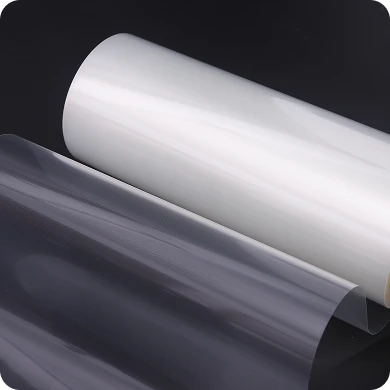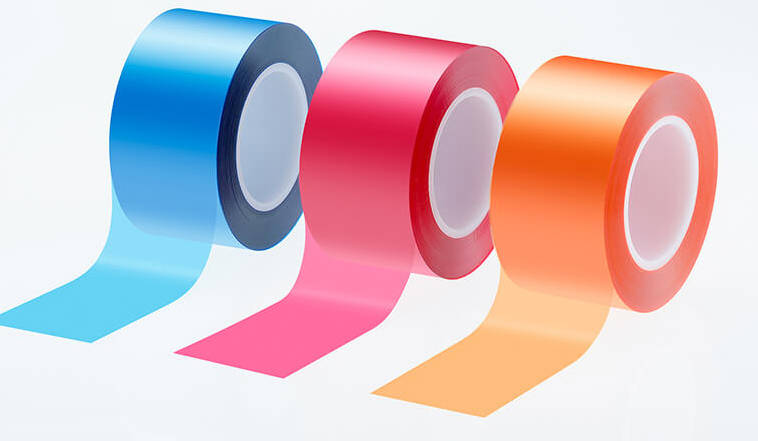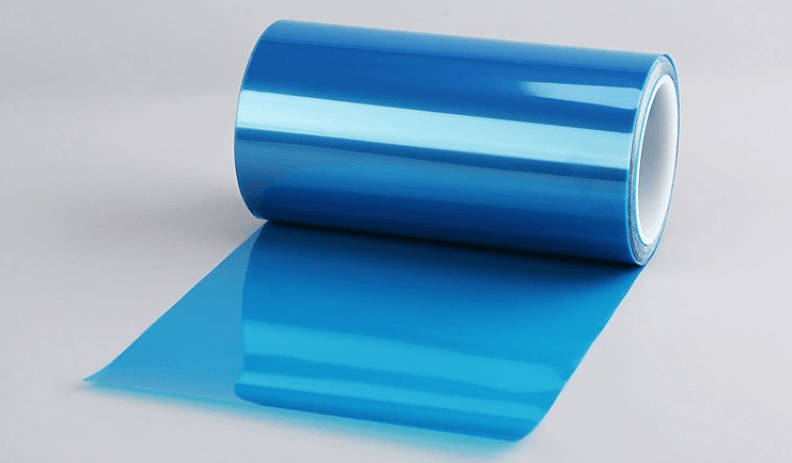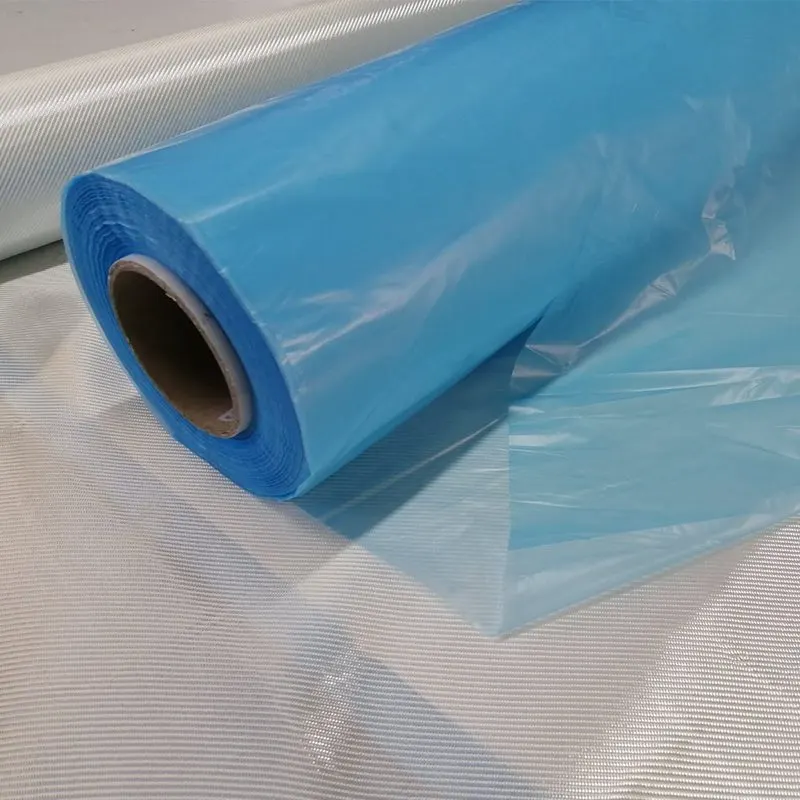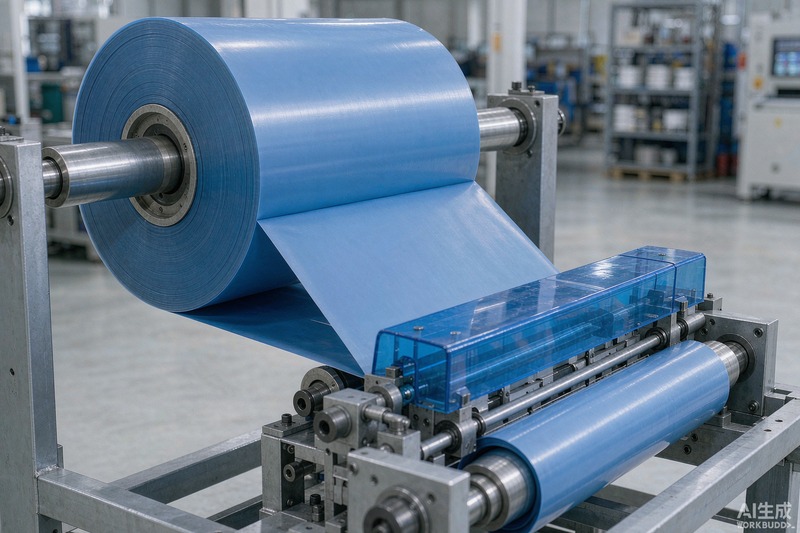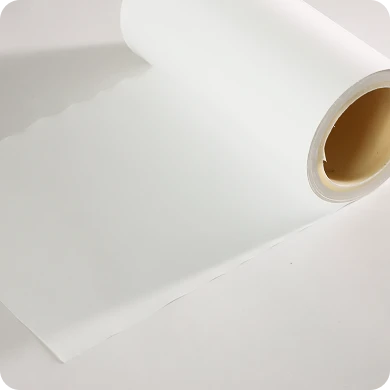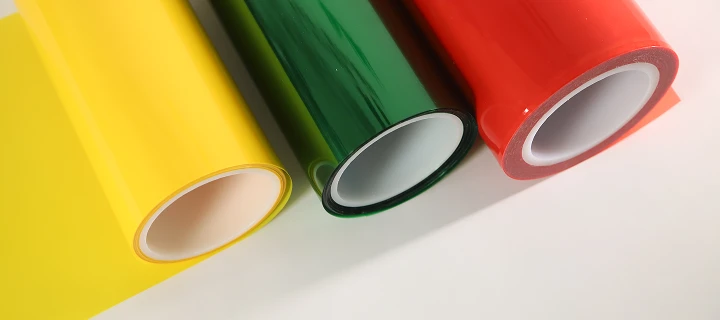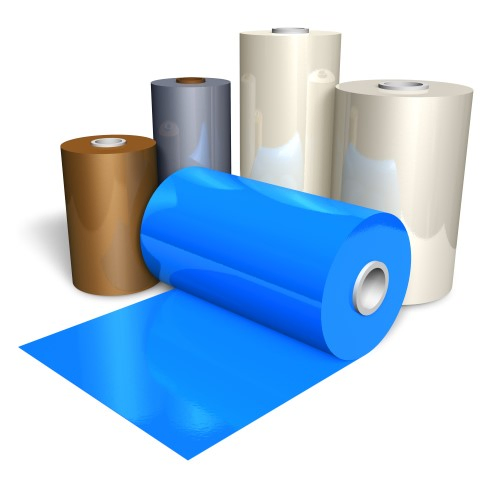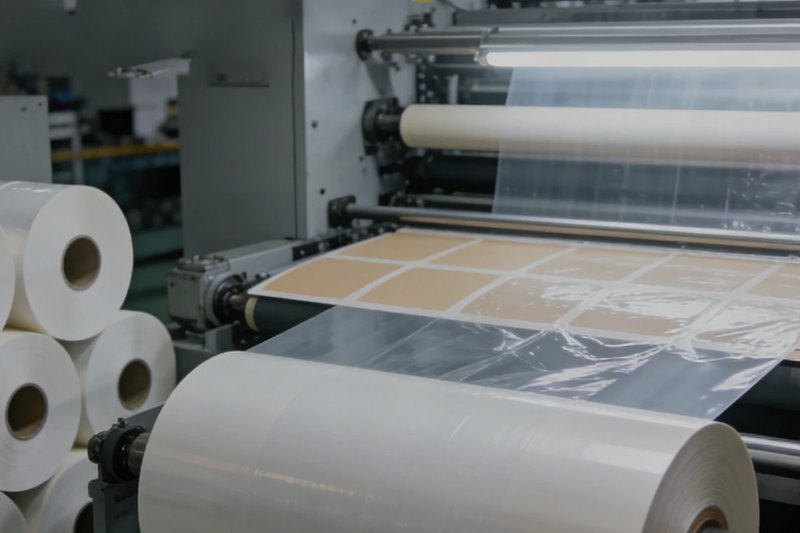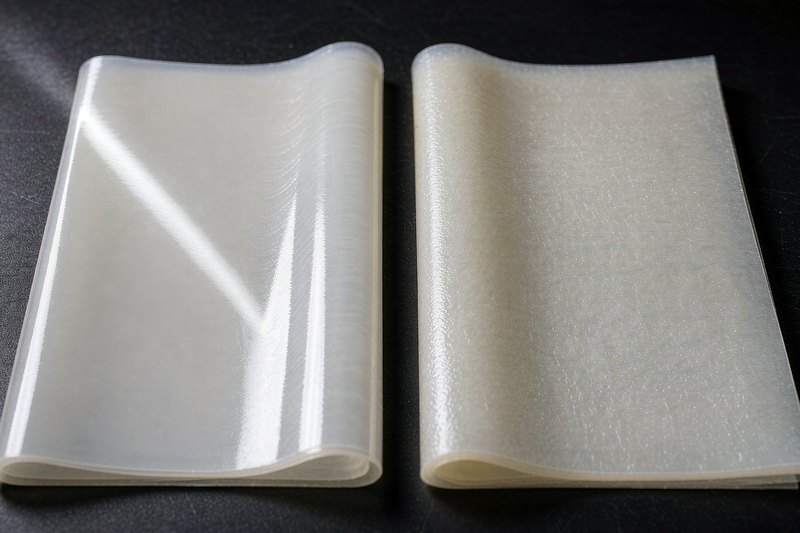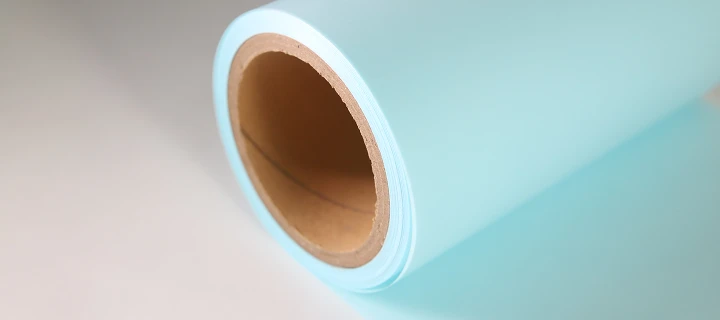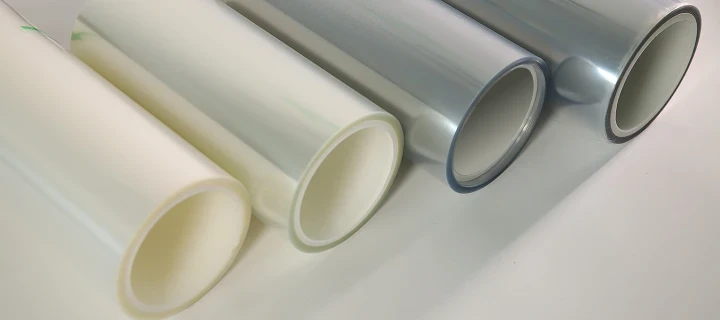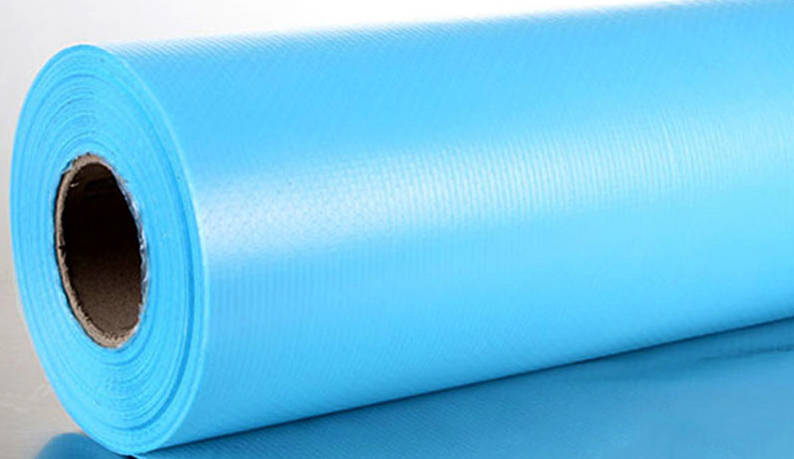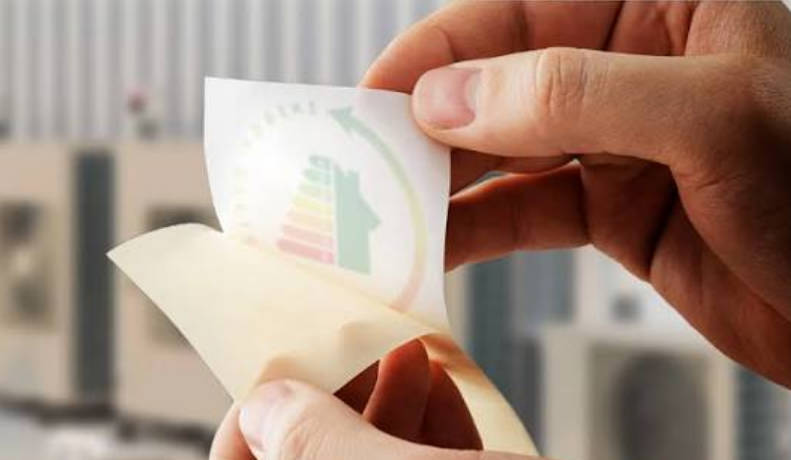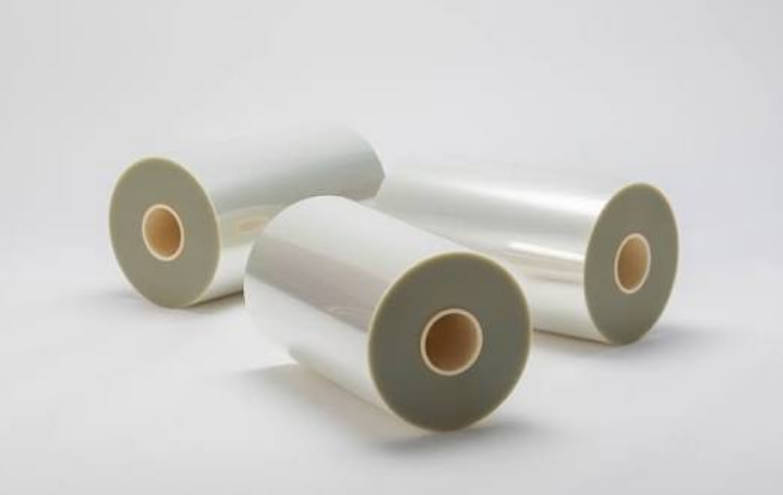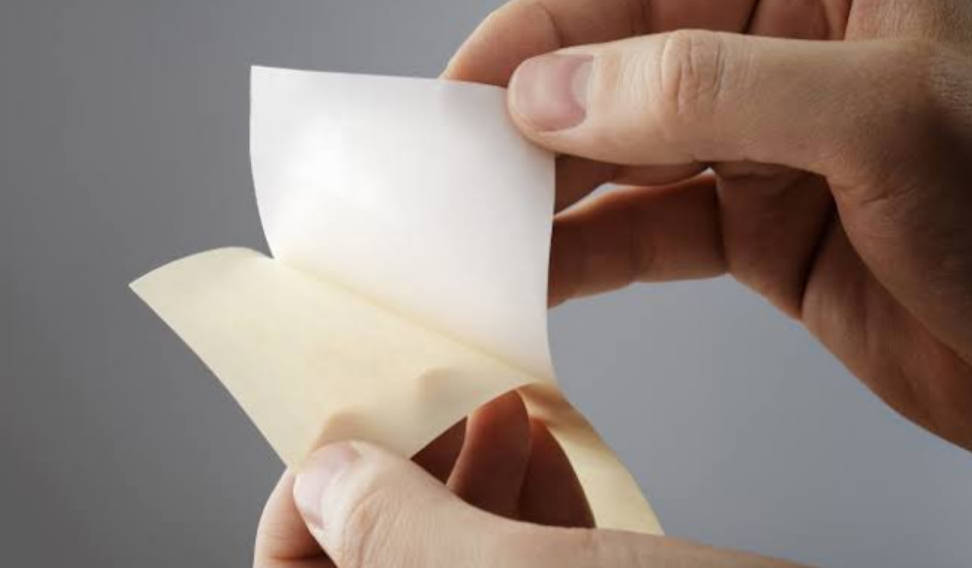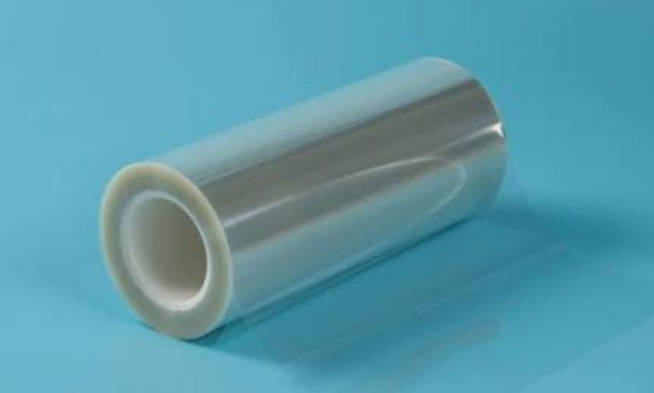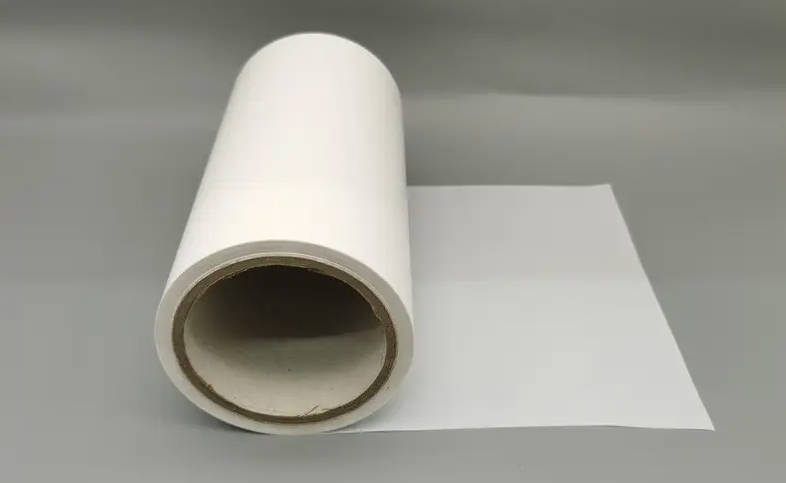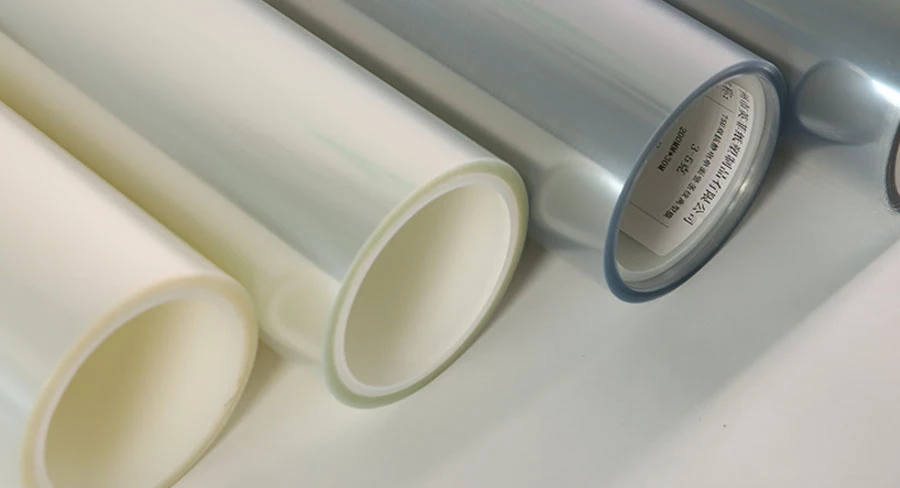
Release film is a film-based release liner designed to provide controlled separation between an adhesive, resin, coating, or sticky material and the film surface. It is widely used in adhesive tapes, labels, protective films, die-cutting parts, electronics, medical products, composite materials, and other industrial converting applications.
For manufacturers and converters, release film is not just a protective backing. It directly affects coating stability, peeling performance, die-cutting accuracy, adhesive transfer, production efficiency, and final product quality. Choosing the wrong release liner film may cause difficult peeling, liner lifting, adhesive residue, silicone transfer, wrinkling, static, or poor processing performance.
This guide explains what release film is, how silicone release film works, common materials such as PET release film, key specifications buyers should know, and how to choose the right release film for different industrial applications.
If you are looking for custom release film rolls for adhesive, die-cutting, label, protective film, or industrial converting applications, you can view our Release Film product page.
What Is Release Film?
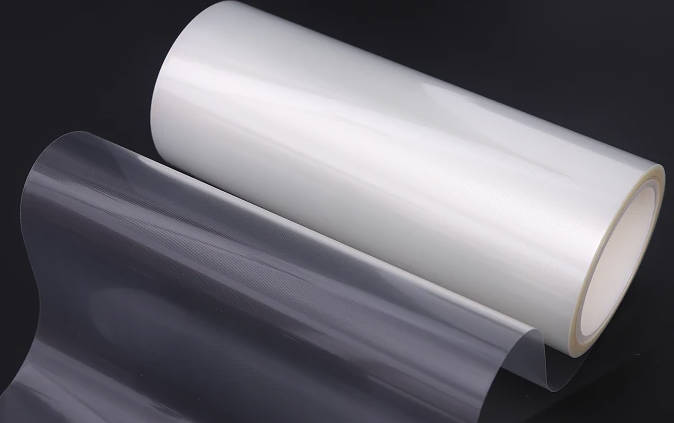
Release film is a non-stick film material used as a temporary backing, carrier, separation layer, or process liner for adhesive and sticky products. It is usually made from plastic film substrates such as PET, PE, PP, or BOPP, and the surface is coated with silicone or other release coatings to achieve controlled release performance.
In industrial production, release film helps protect adhesive layers before use and allows the adhesive product to be peeled cleanly during application or further processing. It can also be used during coating, laminating, slitting, die cutting, kiss cutting, packaging, or high-speed converting processes.
Release Film vs Release Liner Film
The terms release film and release liner film are often used interchangeably. However, there is a slight difference in emphasis:
| Term | Meaning | Typical Use |
|---|---|---|
| Release Film | Focuses on the film material with release properties | General product name for film-based release materials |
| Release Liner Film | Focuses on its function as a removable liner | Commonly used in adhesive tapes, labels, and die-cut parts |
A release liner film is a type of release film used as a removable backing for adhesive products. In B2B purchasing, buyers may search for both terms when looking for the same type of material.
How Does Release Film Work?
Release film works by creating a controlled non-stick surface between the film substrate and the adhesive or sticky material. The release coating reduces adhesion to the film surface, allowing the adhesive layer to be protected during storage and removed cleanly during use.
Basic Structure of Release Film
| Layer | Function |
|---|---|
| Film Substrate | Provides mechanical strength, thickness, dimensional stability, and processing support |
| Release Coating | Creates non-stick performance and controls peeling force |
| Adhesive or Contact Surface | The adhesive, resin, coating, or sticky product that needs protection or processing support |
Why Release Force Is Important
Release force is the force required to peel an adhesive material away from the release film surface. It is one of the most important specifications when selecting silicone release film or PET release film.
If the release force is too high, the liner may be difficult to peel, causing adhesive deformation, tearing, or production interruption. If the release force is too low, the liner may lift too easily during slitting, die cutting, laminating, or transportation.
| Release Level | General Meaning | Common Application |
|---|---|---|
| Easy Release | Low peeling force | Easy-peel labels, protective films, light adhesive products |
| Medium Release | Balanced peeling performance | General adhesive tapes, die-cut parts, industrial labels |
| Tight Release | Higher peeling force | Strong adhesive systems, high-speed converting, products requiring stable holding |
Common Materials Used for Release Film
Different film substrates provide different mechanical properties, temperature resistance, flexibility, smoothness, and cost performance. The most common release film materials include PET, PE, PP, and BOPP.
PET Release Film
PET release film is one of the most widely used release liner films because it offers excellent dimensional stability, smooth surface quality, good mechanical strength, and reliable heat resistance.
PET release film, also called polyester release film, is commonly used in precision converting applications where flatness, thickness stability, and clean peeling are important. It is especially suitable for die cutting, electronics, adhesive tapes, protective films, optical materials, and high-performance labels.
Common related keywords include PET release film, polyester release film, PET release liner film, and silicone coated PET film.
PE Release Film
PE release film is softer and more flexible than PET release film. It is often selected when flexibility, lower cost, or special sealing performance is required. PE release film can be used in packaging, surface protection, flexible adhesive products, and some general industrial applications.
Compared with PET, PE usually has lower stiffness and lower heat resistance, but it can provide good flexibility for applications where a softer film is preferred.
PP and BOPP Release Film
PP or BOPP release film can be used when lightweight structure, moisture resistance, and cost efficiency are important. It is commonly seen in labels, tapes, packaging-related materials, and general converting applications.
Release Film Material Comparison
| Material | Main Advantages | Common Applications |
|---|---|---|
| PET Release Film | Smooth, strong, dimensionally stable, heat resistant | Electronics, die cutting, adhesive tape, protective film, precision converting |
| PE Release Film | Flexible, soft, economical | Packaging, protection, flexible adhesive products |
| PP/BOPP Release Film | Lightweight, moisture resistant, cost-effective | Labels, tapes, packaging, general converting |
What Is Silicone Release Film?
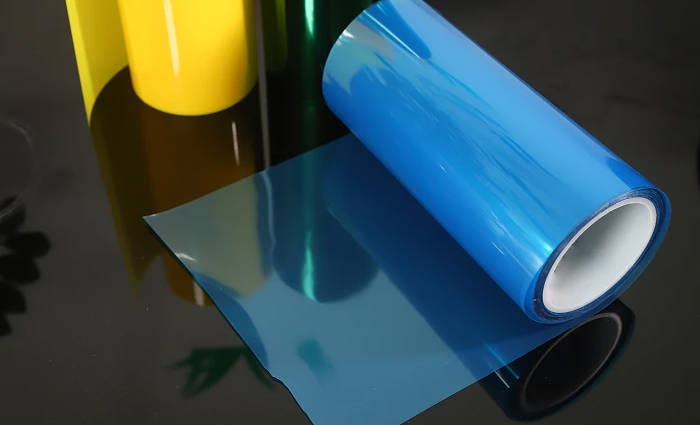
Silicone release film is a film substrate coated with a silicone release agent to create a stable non-stick surface for adhesive and industrial applications. It is one of the most common types of release film used in pressure-sensitive adhesive products.
Silicone coating allows the adhesive surface to be protected before use and peeled away cleanly when needed. The silicone layer can be adjusted to provide different release force levels, such as easy release, medium release, or tight release.
One-Side Silicone Release Film
One-side silicone release film has release coating on only one side of the film substrate. It is suitable when only one adhesive surface needs release protection. This structure is commonly used in adhesive tapes, labels, protective films, and die-cut adhesive parts.
Two-Side Silicone Release Film
Two-side silicone release film has release coating on both sides of the film. It is used when both surfaces require release performance, such as double-sided tapes, transfer adhesives, or special converting processes.
Differential Release Film
Differential release film has different release force levels on each side. For example, one side may be easy release and the other side may be tight release. This structure is useful for double-sided adhesive products that require controlled unwinding, lamination, or transfer performance.
Key Specifications Buyers Should Know Before Ordering Release Film
When purchasing release film, buyers should not only ask for material and price. The correct specifications directly determine whether the release liner film can work smoothly in actual production.
Film Thickness
Thickness affects stiffness, flexibility, dimensional stability, and processing performance. Common release film thicknesses may include 25μm, 36μm, 50μm, 75μm, 100μm, and above, depending on the application and supplier capability.
| Thickness Range | General Features | Possible Applications |
|---|---|---|
| 25μm–36μm | Thin, flexible, cost-efficient | Light adhesive products, labels, flexible converting |
| 50μm–75μm | Balanced strength and flexibility | Adhesive tapes, die-cut parts, protective films |
| 100μm and above | Higher stiffness and support | Precision die cutting, heavy-duty adhesive products, industrial processing |
Release Force
Release force should be selected according to adhesive type, coating weight, processing speed, storage condition, and final application. Acrylic adhesive, rubber adhesive, silicone adhesive, and hot melt adhesive may require different release levels.
Coating Side
Buyers need to confirm whether they need single-side silicone release film, double-side silicone release film, or differential release film. This choice depends on the adhesive structure and processing method.
Width, Length, and Roll Format
Release film is usually supplied in rolls. Important roll specifications include roll width, roll length, core size, slitting tolerance, winding quality, packaging method, and transportation protection.
Surface Cleanliness and Appearance
For electronics, optical materials, medical products, and precision die-cutting applications, surface quality is especially important. Buyers should pay attention to dust, scratches, wrinkles, bubbles, coating streaks, static, and contamination risks.
Main Applications of Release Film
Release film is used across many industries where adhesive protection, non-stick separation, or process support is required.
Release Film for Adhesive Tape
Release film is widely used as a removable liner for single-sided tape, double-sided tape, foam tape, transfer tape, and specialty adhesive tape. It protects the adhesive surface and helps maintain stable unwinding, lamination, slitting, and die-cutting performance.
Release Film for Labels
In pressure-sensitive labels, release liner film supports coating, converting, printing, and application. A stable release surface helps labels peel smoothly without damaging the adhesive layer.
Release Film for Die Cutting and Kiss Cutting
PET release film is commonly used in die cutting and kiss cutting because of its smooth surface, stable thickness, and dimensional stability. It helps improve cutting accuracy, waste removal, and automatic processing efficiency.
Release Film for Protective Film
Protective film manufacturers use release film to protect adhesive layers before the film is applied to plastic sheets, metal panels, glass, electronics, or other surfaces. Proper release force helps ensure smooth peeling and clean application.
Release Film for Electronics
Electronics applications often require clean surface quality, stable thickness, low contamination, and good dimensional stability. PET release film is commonly preferred for electronic components, insulation materials, optical films, and precision adhesive parts.
Release Film for Medical and Hygiene Products
Release film can be used in medical tapes, wound dressings, transdermal patches, hygiene adhesive products, and other healthcare-related materials. These applications often require stable release performance and clean processing conditions.
Release Film for Composite Materials
In composite processing, release film can work as a separation layer or process film to prevent sticking and support clean removal after molding or curing processes.
Release Film vs Release Paper: Which One Should You Choose?
Release film and release paper are both used as release liners, but they have different performance advantages. The right choice depends on application requirements, cost target, processing method, and final product quality needs.
| Requirement | Recommended Option | Reason |
|---|---|---|
| High dimensional stability | PET Release Film | Better thickness stability and lower deformation |
| High transparency | PET Release Film | Clear film surface helps visual inspection |
| Precision die cutting | PET Release Liner Film | Good flatness and cutting support |
| Cost-sensitive general application | Release Paper | Often more economical for general adhesive products |
| Flexible application | PE Release Film | Softer and more flexible than PET |
| Double-sided adhesive products | Double-Side Silicone Release Film | Both surfaces require release control |
Release film is usually preferred for applications requiring smoothness, transparency, dimensional stability, and precision converting, while release paper is often used for cost-sensitive or general adhesive applications.
How to Choose the Right Release Film for Your Product
Choosing the right release film requires matching the film substrate, release coating, release force, and roll format with your actual production process.
Step 1: Confirm Your Adhesive Type
Different adhesives behave differently on the same release liner film. Before ordering, confirm whether your product uses acrylic adhesive, rubber adhesive, silicone adhesive, hot melt adhesive, or another adhesive system.
Step 2: Confirm the Processing Method
The release film should match your production process, such as coating, laminating, slitting, die cutting, kiss cutting, automatic dispensing, or high-speed converting.
Step 3: Confirm the Required Release Level
Easy release, medium release, and tight release are selected according to the adhesive strength and processing requirements. For example, high-speed converting may require more stable release performance to avoid liner lifting or peeling failure.
Step 4: Confirm Temperature and Storage Conditions
Temperature, humidity, storage time, and transportation conditions may affect release performance. If the product needs heat resistance or long-term storage stability, PET release film may be a better choice than some lower-temperature film substrates.
Step 5: Request Samples Before Bulk Order
Sample testing is the safest way to confirm whether a release film is compatible with your adhesive, coating process, die-cutting method, and final application. Buyers should test peeling performance, aging stability, lamination behavior, and cutting results before mass production.
Common Problems When Using Release Film
Release Film Is Too Difficult to Peel
If the release film is difficult to peel, the release force may be too high, the adhesive may be too aggressive, or the coating type may not match the adhesive system. Aging and improper storage may also increase peeling difficulty.
Release Film Releases Too Easily
If the release film releases too easily, the release force may be too low. This can cause liner lifting, unstable lamination, shifting during slitting, or problems during die cutting.
Silicone Transfer or Adhesive Contamination
Silicone transfer may affect adhesive bonding performance. This problem can be related to coating quality, adhesive compatibility, curing condition, or storage environment. For high-value adhesive products, compatibility testing is very important.
Wrinkles, Curling, or Uneven Rolls
Wrinkling, curling, or uneven winding may be caused by poor tension control, unsuitable substrate thickness, humidity changes, storage problems, or roll handling issues.
Static and Dust Problems
PET release film may generate static during high-speed processing. Static can attract dust and affect clean applications such as electronics, optical films, and precision die-cutting products. Anti-static treatment or clean handling may be needed for sensitive applications.
What Information Should You Provide to a Release Film Supplier?
To receive an accurate recommendation, buyers should provide as much application information as possible. This helps the supplier choose the right substrate, silicone coating, release force, thickness, and roll specification.
| Information Needed | Why It Matters |
|---|---|
| Film material | Determines strength, flexibility, heat resistance, and cost |
| Thickness | Affects stiffness, processing stability, and application performance |
| Width and roll length | Needed for slitting, converting, and production planning |
| Single-side or double-side coating | Determines liner structure and release function |
| Required release force | Ensures correct peeling performance |
| Adhesive type | Different adhesives require different release coatings |
| Application industry | Helps match surface quality, cleanliness, and performance requirements |
| Processing method | Important for coating, laminating, die cutting, and high-speed converting |
| Temperature requirement | Helps select heat-resistant film materials |
| Sample or current material reference | Allows faster matching and replacement |
To get a suitable release film recommendation, you can share your film material, thickness, release force, adhesive type, roll size, and application. Our team can help you select a custom release film solution for your production process.
Frequently Asked Questions About Release Film
What is release film used for?
Release film is used to protect adhesive surfaces, support industrial converting, prevent sticking, and provide controlled peeling in tapes, labels, protective films, die-cut parts, electronics, medical products, and composite materials.
Is release film the same as release liner film?
In many industrial applications, yes. Release film refers to the film material, while release liner film emphasizes its function as a removable backing or process liner for adhesive products.
What is PET release film?
PET release film is a polyester-based release film with good strength, smoothness, heat resistance, and dimensional stability. It is commonly used in precision die cutting, electronics, adhesive tapes, labels, and protective films.
What is silicone release film?
Silicone release film is a film substrate coated with silicone release agent. The silicone coating creates a non-stick surface and provides controlled release force for adhesive or sticky materials.
How do I choose the right release force?
The right release force depends on adhesive type, coating weight, processing speed, storage conditions, and final use. Buyers should test samples before bulk production to confirm compatibility.
Can release film be customized?
Yes. Release film can usually be customized by material, thickness, width, roll length, coating side, release force, color, core size, and packaging requirements.
What is the difference between one-side and two-side silicone release film?
One-side silicone release film has release coating on one side only. Two-side silicone release film has release coating on both sides and is often used for double-sided tapes, transfer adhesives, or special converting processes.
Why does release film stick too much?
Release film may stick too much when the release force is too high, the adhesive is too aggressive, the coating is not compatible, or the material has been affected by aging or poor storage conditions.
Conclusion
Release film is an important material for adhesive tapes, labels, protective films, die cutting, electronics, medical products, composite materials, and many other industrial converting applications. A suitable release liner film can improve peeling performance, protect adhesive surfaces, reduce processing problems, and improve production efficiency.
PET release film and silicone release film are widely used because they provide stable release performance, smooth surface quality, and reliable processing support. However, the best choice depends on your adhesive type, film thickness, release force, coating side, temperature requirement, and actual application.
If you need custom release film for adhesive tape, labels, die cutting, protective film, electronics, or other industrial applications, choosing the right material and release force is the key to stable production.
Visit our Release Film product page to learn more about available release film solutions.