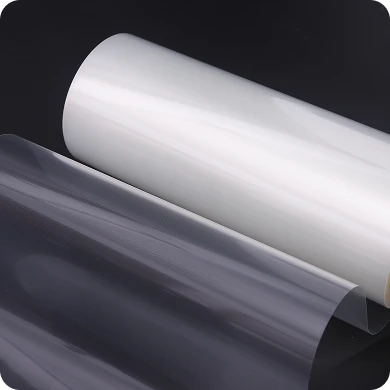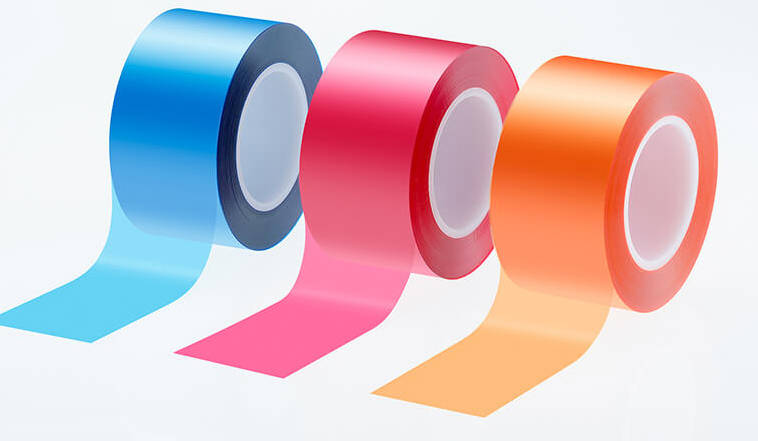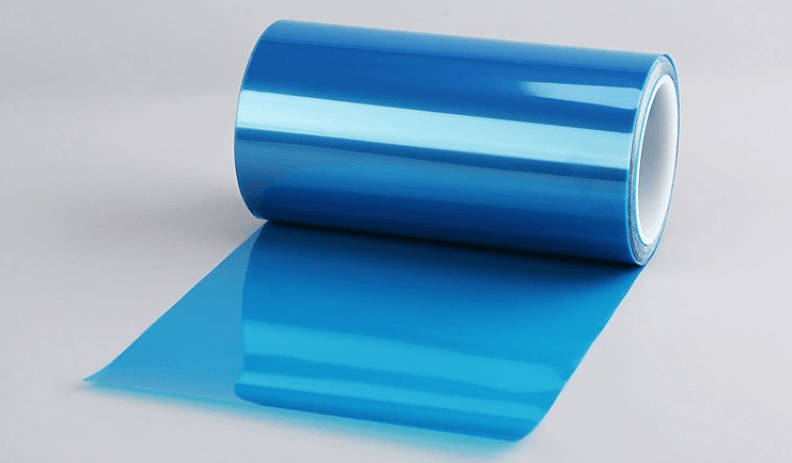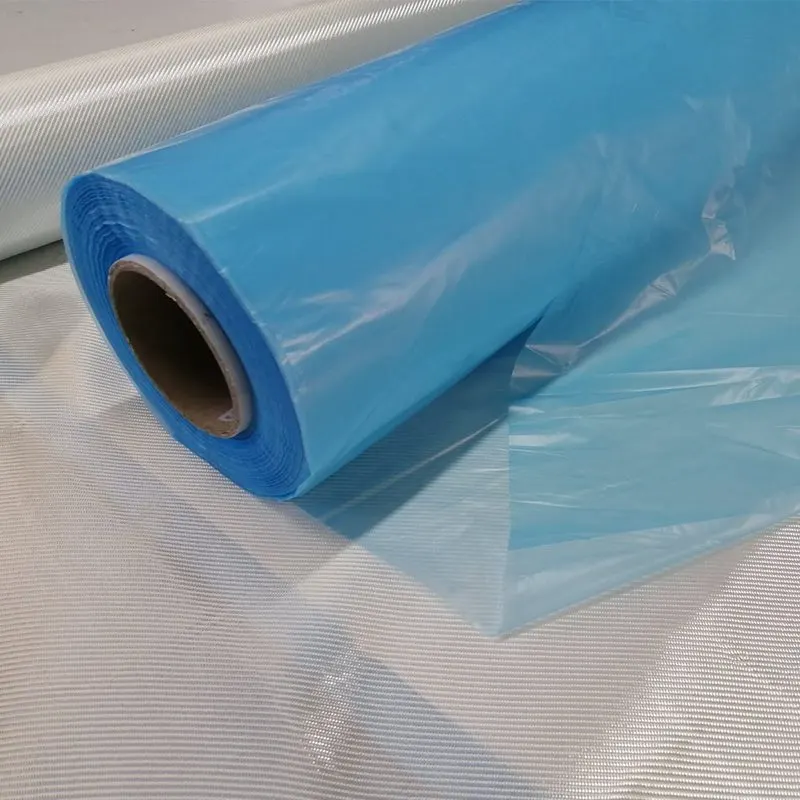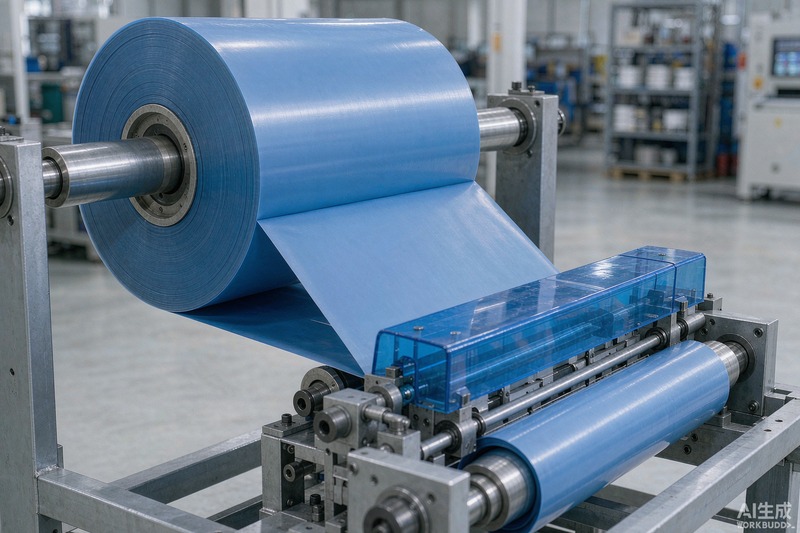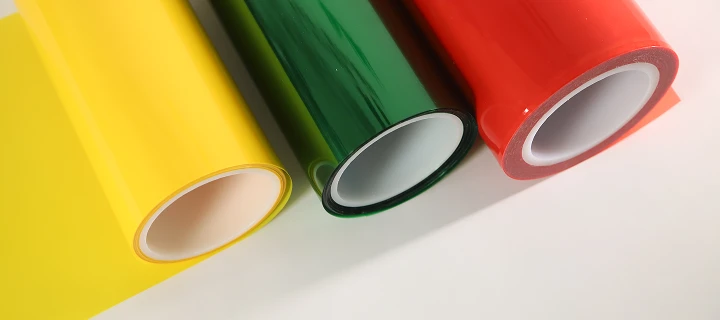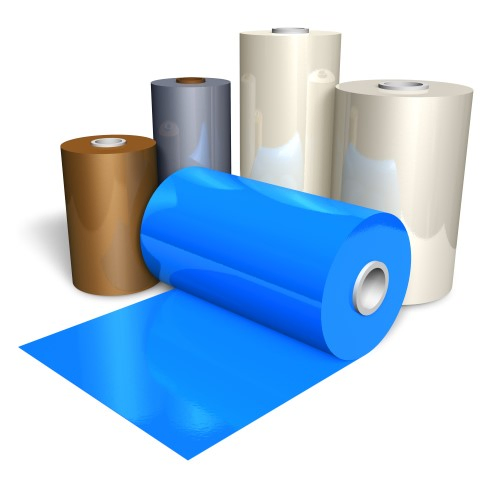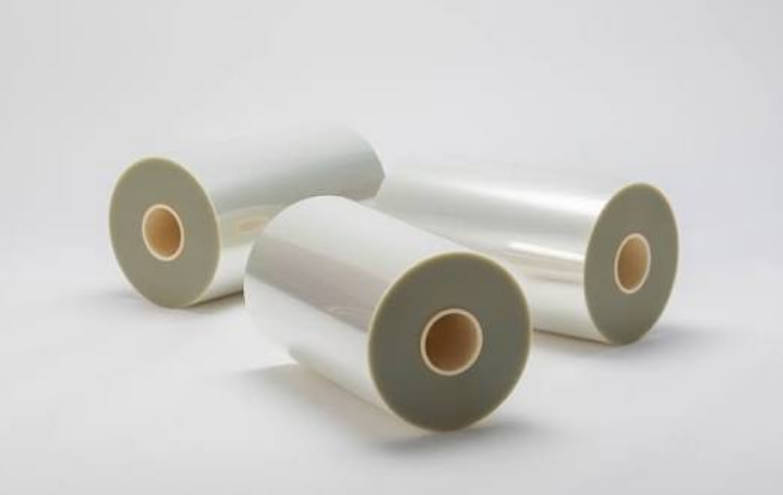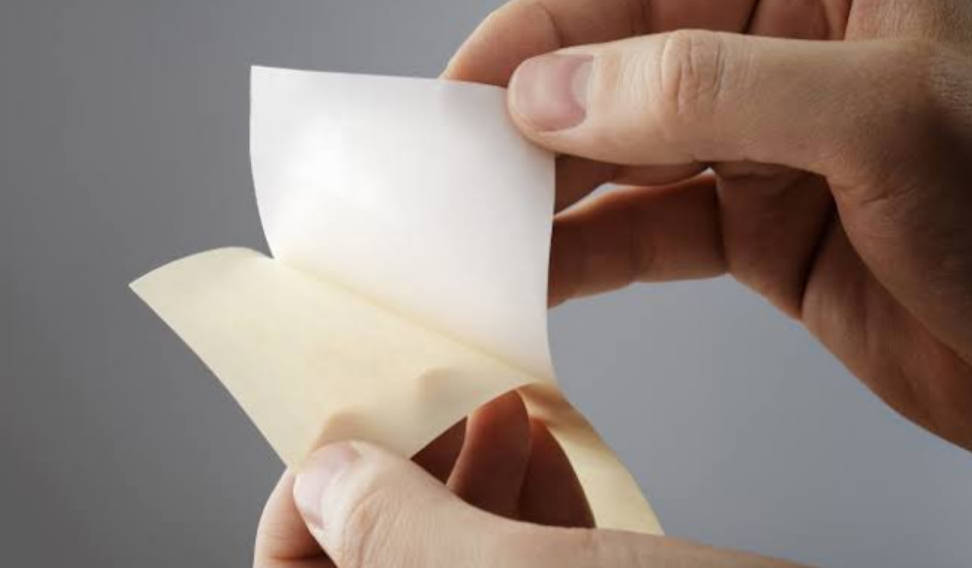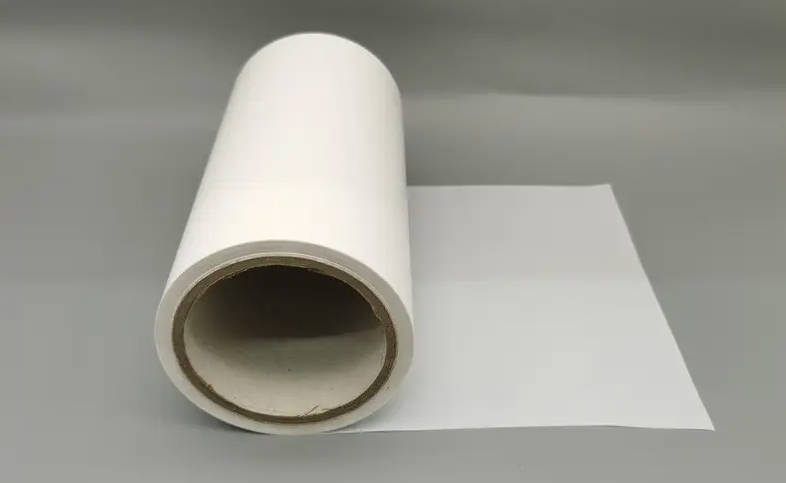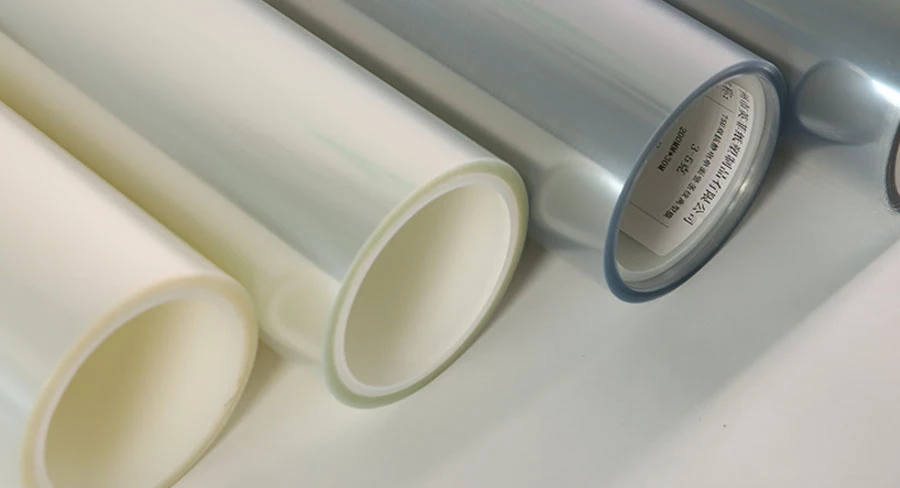
To buy release film correctly, specify the substrate, thickness, release force, coated side, roll width, roll length, core size, winding direction, processing temperature, adhesive type, and end-use application. A quotation based only on the words “PET release film” is rarely detailed enough for reliable purchasing.
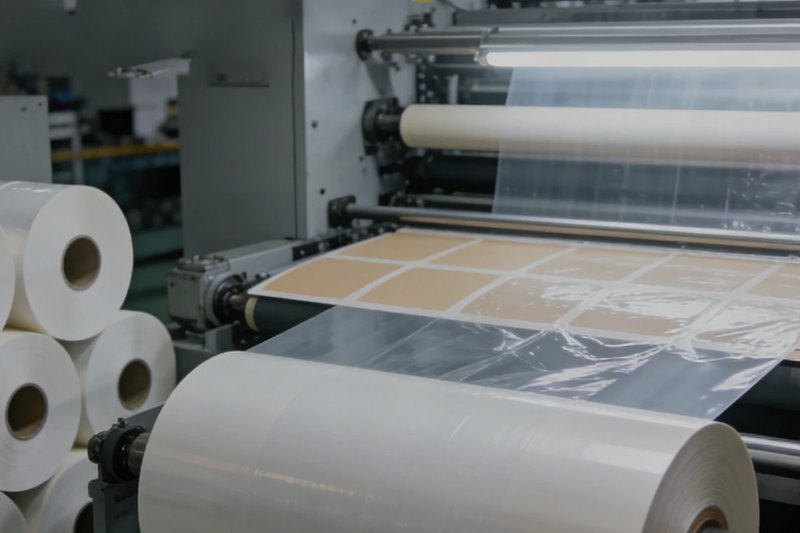
Release film is used to protect adhesives, resins, rubber compounds, coatings, foam materials, labels, tapes, protective films, and die-cut components. It must remain stable during coating, lamination, slitting, rewinding, die-cutting, storage, transportation, and final peeling.
An unsuitable release film can create problems such as difficult peeling, premature liner separation, adhesive residue, silicone transfer, wrinkling, inaccurate die-cutting, roll blocking, or inconsistent release force. These problems often appear because the purchase specification did not reflect the actual production process.
This buying guide explains how to compare release film products by thickness, release force, width, coating structure, substrate, roll format, and supplier capability. It also includes a practical RFQ checklist that buyers can use when requesting samples or quotations.
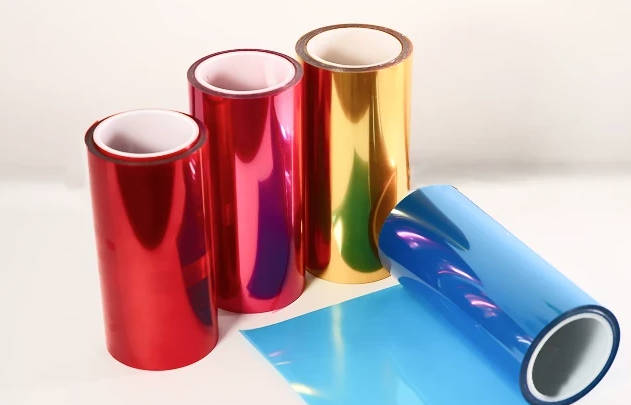
Start With the Application, Not the Film Specification
Before selecting a thickness or release level, define what the release film will do in the final product.
A liner used for a standard label does not face the same requirements as one used for an electronics die-cut component. Likewise, a release film for double-sided tape may need differential release, while a process liner for resin curing may prioritize temperature resistance.
| Application | Main Purchasing Priorities |
| Adhesive tape | Release stability, roll handling, slitting and adhesive compatibility |
| Double-sided tape | Differential release and controlled transfer sequence |
| Pressure-sensitive labels | Die-cutting, matrix stripping and dispensing performance |
| Protective film | Clean adhesive protection and smooth liner removal |
| Electronics die-cutting | Dimensional stability, cleanliness and thickness consistency |
| Medical adhesive products | Controlled peeling, cleanliness and application-specific compliance |
| Foam products | Stiffness, support and compatibility with thick adhesives |
| Composite or resin processing | Temperature resistance, pressure resistance and clean separation |
The application determines which specifications matter most. Without this information, suppliers may quote a technically available film that is not suitable for the buyer’s process.
The most useful release film inquiry describes the adhesive, production method and end use before listing dimensions.
1. Select the Release Film Substrate
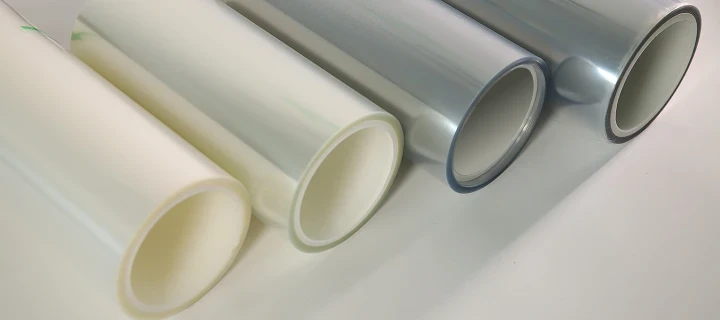
Release films can use PET, PE, PP, BOPP, or specialty polymer substrates. PET is widely used in industrial release liners because it offers a practical combination of strength, smoothness, transparency, dimensional stability, and temperature resistance.
PET Release Film
PET release film is commonly evaluated for:
- Adhesive tapes
- Electronics components
- Precision die-cutting
- Protective films
- Labels
- Foam tapes
- Medical adhesive products
- Thermal lamination
- Industrial converting
Its dimensional stability helps the web remain flat during coating, slitting, laminating, and die-cutting.
PE Release Film
PE release film is softer and more flexible. It may be suitable when conformability, elongation, or a softer liner is more important than high thermal or dimensional stability.
PP or BOPP Release Film
PP-based release films can provide a balance of clarity, flexibility, and cost for general adhesive or packaging-related uses.
Specialty Release Film
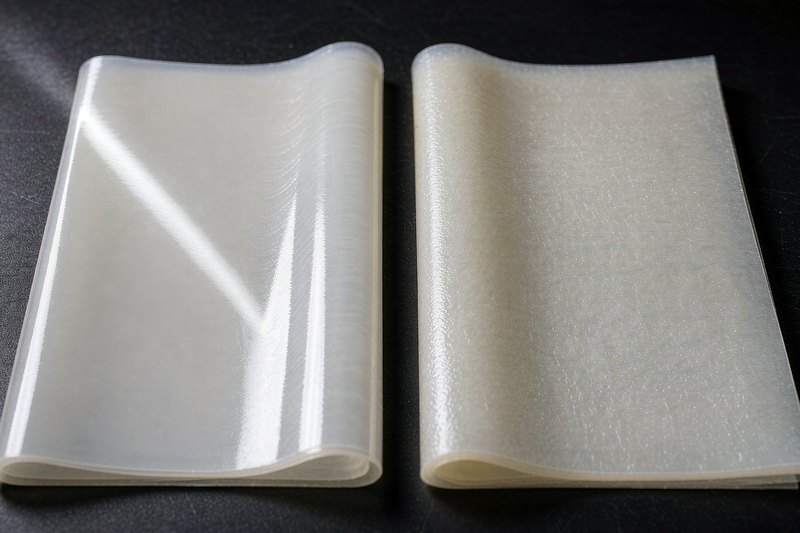
Some applications require anti-static films, silicone-free surfaces, fluorosilicone coatings, matte surfaces, high-cleanliness structures, or other application-specific treatments.
| Substrate | Main Characteristics | Typical Buying Direction |
| PET | Stable, smooth, strong and relatively heat resistant | Precision and industrial applications |
| PE | Flexible, soft and conformable | Flexible or low-temperature products |
| PP/BOPP | Lightweight with balanced performance | General adhesive and packaging uses |
| Specialty film | Application-specific functionality | Electronics, silicone adhesives or sensitive processes |
2. Choose the Appropriate Thickness
Release film thickness affects stiffness, handling, die-cutting, roll diameter, material consumption, and web stability.
Common PET release film thicknesses may include 25μm, 50μm, 75μm, and 100μm, although other specifications can be supplied depending on manufacturing capability.
| Thickness Direction | Typical Characteristics | Possible Applications |
| 25μm | Thin, flexible and low bulk | Lightweight films and temporary process liners |
| 50μm | Balanced stiffness and flexibility | General tapes, labels and protective films |
| 75μm | Stronger handling and die-cutting support | Electronics, foam tapes and precision components |
| 100μm | Robust and relatively stiff | Heavy-duty, large-format or industrial applications |
A thinner liner reduces material use and roll diameter, but it may wrinkle or stretch more easily. A thicker liner provides better support but increases cost, roll weight, and storage volume.
Choose thickness according to web tension, die-cutting support and handling requirements—not simply according to the lowest price.
When requesting a quotation, confirm both nominal thickness and acceptable thickness tolerance. Tight thickness consistency may be important for kiss-cutting and precision lamination.
3. Define the Required Release Force
Release force is the force needed to peel the adhesive or sticky material away from the liner. It is one of the most important purchasing specifications.
Release grades are often described as:
- Easy release
- Medium release
- Tight release
- Differential release
- Customized release
These descriptions are useful for initial communication, but a technical quotation may also need a defined test method, peel speed, peel angle, test adhesive, sample width, and aging condition.
| Release Level | General Use | Potential Risk |
| Easy release | Products requiring light peeling | Premature lifting or separation |
| Medium release | General tapes, labels and protective films | Must still be matched to the adhesive |
| Tight release | Aggressive adhesives or stable roll storage | Difficult peeling or adhesive deformation |
| Differential release | Double-sided tapes and transfer adhesives | Incorrect transfer if sides are reversed |
| Customized release | Specialty adhesive systems | Requires sample validation |
A release level that works with an acrylic adhesive may not behave the same with rubber, hot-melt, silicone, medical, or high-tack adhesive.
Release force should be selected and tested with the buyer’s actual adhesive whenever possible.
Buyers should also consider aged release force. Heat, pressure, humidity, storage time, and adhesive wet-out can change peeling performance after production.
4. Select the Coating Structure
Release film can be coated on one side, both sides, or with different release levels on each side.
One-Side Silicone Coating
One-side coating is suitable when only one surface contacts adhesive. Common applications include labels, protective films, single adhesive layers, and process liners.
Double-Side Silicone Coating
Double-side coating is used when both surfaces may contact adhesive, resin, rubber, or another sticky material.
Differential Release Coating
Differential release provides a different release force on each side. It is commonly used for double-sided tapes and transfer adhesives where one side must peel before the other.
Silicone-Free Coating
Some electronics, bonding, coating, printing, or silicone-sensitive applications may require a non-silicone release surface to reduce contamination risk.
| Coating Option | Structure | Typical Use |
| One-side release | Coating on one surface | Labels, protective films and single adhesive layers |
| Double-side release | Coating on both surfaces | Tacky material separation and double-contact processes |
| Differential release | Different force on each side | Double-sided tape and transfer adhesive |
| Silicone-free release | Alternative release chemistry | Silicone-sensitive applications |
Buyers should also confirm which side faces inward or outward in the roll. Incorrect winding orientation can make a one-side-coated roll unusable on the production line.
5. Specify Roll Width and Width Tolerance
Release film is often supplied as jumbo rolls or slit rolls. The correct width depends on the coating, laminating, slitting, printing, or die-cutting equipment.
When specifying width, include:
- Required finished width
- Width tolerance
- Number of rolls
- Edge quality
- Maximum outside diameter
- Minimum usable roll length
- Whether additional trimming is allowed
A supplier may be able to slit a master roll to several narrower widths. Buyers should therefore consider how the final widths can be combined to reduce trim waste.
Poor width control or edge quality can lead to:
- Web tracking problems
- Edge lifting
- Dust generation
- Misalignment
- Uneven lamination
- Slitting defects
- Machine downtime
For high-speed equipment, a narrow width tolerance may be more important than obtaining the lowest roll price.
6. Confirm Roll Length, Diameter and Core Size
Roll width alone is not enough. The roll must physically fit the production equipment.
| Roll Specification | Purchasing Question |
| Roll length | How many meters are required per roll? |
| Outside diameter | What is the machine’s maximum roll capacity? |
| Core inside diameter | Does the machine use a 3-inch, 6-inch, or another core? |
| Core material | Is paper, plastic, or another core required? |
| Winding direction | Which side must face inward or outward? |
| Joint allowance | Are splices allowed, and how many? |
| Roll hardness | Does the process require a particular winding condition? |
Longer rolls reduce machine changeovers but create larger and heavier rolls. The ideal balance depends on equipment capacity, handling systems, and production volume.
7. Match the Release Film to the Adhesive
Adhesive chemistry has a major influence on release performance.
| Adhesive Type | Purchasing Consideration |
| Acrylic adhesive | Commonly matched with silicone release coatings |
| Rubber-based adhesive | High tack may require carefully controlled release |
| Hot-melt adhesive | Heat and pressure can change release performance |
| Silicone adhesive | May require fluorosilicone or specialty coating |
| Medical adhesive | Requires stable, clean and application-specific peeling |
| Removable adhesive | Must remain stable without premature lifting |
| High-tack adhesive | May need medium, tight or customized release |
The supplier may request an adhesive sample or laminated test sample. This is useful when the product has a new adhesive formulation, thick coating, aggressive tack, or critical peeling requirements.
Do not assume that a previous liner will work after changing adhesive formulation, coating weight, drying conditions, or storage time.
8. Check Temperature and Processing Conditions
Release film may be exposed to drying, curing, hot pressing, thermal lamination, coating ovens, or elevated storage temperatures.
The RFQ should state:
- Maximum process temperature
- Exposure duration
- Whether tension is applied during heating
- Whether pressure is applied
- Whether the liner is removed hot or after cooling
- Expected storage temperature
- Whether heat-aged release testing is needed
PET release film is frequently considered for higher-temperature and dimensionally demanding processes. However, the coating system and adhesive interaction must also tolerate the process.
Temperature resistance must be evaluated as a combination of substrate, release coating, adhesive and exposure time.
9. Add Surface and Functional Requirements
Some applications require more than standard silicone-coated film.
Possible options include:
- Anti-static treatment
- Matte or frosted surface
- High-gloss surface
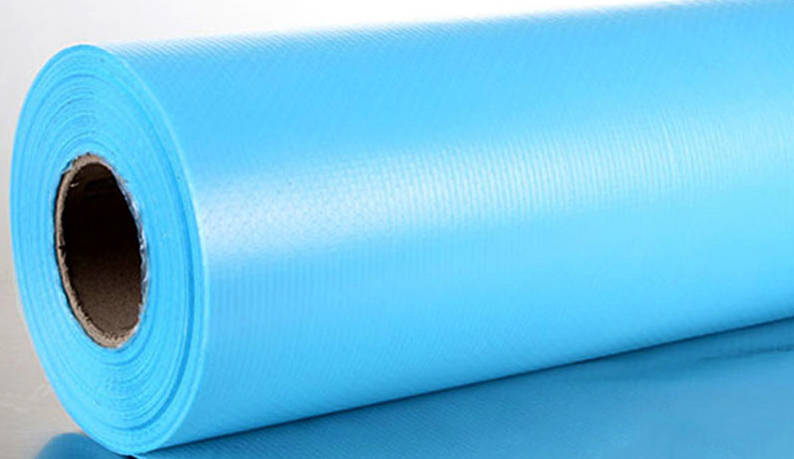
- Colored film
- Printed backing
- Clean packaging
- Low-silicone-transfer structure
- Silicone-free release
- One-side printable treatment
- Corona-treated backside
- Higher transparency
- Low particle or surface-defect requirements
Electronics, optical, medical, printing, and secondary bonding applications may need additional surface controls.
These requirements should be stated before sampling. Adding them after the first quotation can change the coating process, minimum order quantity, lead time, and price.
10. Compare Release Film Quotations Correctly
Two quotations may show the same thickness and width but still describe different products.
Compare the following points:
| Quotation Item | What to Verify |
| Substrate | PET, PE, PP or specialty film |
| Thickness | Nominal value and tolerance |
| Release force | Grade, target value and test method |
| Coated side | One-side, double-side or differential |
| Coating chemistry | Silicone, fluorosilicone or non-silicone |
| Width | Finished width and tolerance |
| Roll length | Usable length and joint allowance |
| Core | Inside diameter and material |
| Winding direction | Release side orientation |
| Surface requirement | Standard, clean, matte, anti-static or printable |
| Packaging | Roll protection, labels, pallet and export packaging |
| MOQ | Minimum quantity by specification |
| Sample availability | Standard or application-tested samples |
| Quality documents | Inspection data or agreed specification sheet |
A lower price may exclude custom slitting, special packaging, tighter tolerances, application testing, or specialty coating.
What to Test Before Placing a Bulk Order
A sample should be evaluated under the actual production process whenever possible.
Recommended checks include:
- Initial release force
- Aged release force
- Adhesive transfer or residue
- Silicone transfer where relevant
- Film flatness
- Thickness consistency
- Die-cutting performance
- Slitting and edge quality
- Web tracking
- Heat resistance
- Roll unwinding
- Final bonding after liner removal
Testing should use the actual adhesive, machine speed, temperature, pressure, storage condition, and peeling method.
A laboratory peel test alone may not reveal web-handling, die-cutting, or roll-storage problems.
Common Release Film Buying Mistakes
Buying Only by Thickness
The same thickness can have different release coatings, flatness, surface quality, and mechanical performance.
Requesting “Light Release” Without a Test Standard
Easy or light release can mean different things to different suppliers. Provide the adhesive and intended peeling conditions.
Ignoring Winding Direction
One-side-coated film must be wound in the correct orientation for the buyer’s machine.
Forgetting Core and Roll Diameter
A technically correct film is unusable if the roll cannot fit the unwinding equipment.
Selecting the Lowest Price Before Testing
A lower material price may lead to higher waste, machine downtime, adhesive residue, or customer complaints.
Changing Adhesive Without Retesting the Liner
Release performance can change when adhesive chemistry, coating weight, curing, or storage conditions change.
Ordering Bulk Material From a Small Hand-Peel Test
Manual peeling does not fully represent high-speed slitting, die-cutting, or automatic dispensing.
How to Evaluate a Release Film Supplier
A suitable supplier should be able to discuss the buyer’s process rather than only provide a standard product list.
Ask the supplier:
- Which substrates and thicknesses are available?
- Can release force be adjusted for the adhesive?
- Are one-side, double-side, and differential coatings available?
- Can silicone-free or special surfaces be supplied?
- What width and slitting tolerances are available?
- Can the roll be supplied in the required winding direction?
- Are custom core sizes or roll lengths available?
- Can application samples be provided?
- How are thickness, coating uniformity, and release force inspected?
- Can aged release or heat-exposure testing be discussed?
- What information is required for a formal specification?
Yingfei provides release film solutions for adhesive tapes, labels, protective films, electronics converting, medical adhesive products, die-cut components, and other industrial applications.
For broader information about the company and its release liner capabilities, buyers can also review Yingfei Liner.
Release Film RFQ Checklist
Use the following information when requesting a quotation.
| RFQ Field | Information to Provide |
| Application | Tape, label, protective film, electronics, medical, foam, composite or other use |
| Adhesive | Acrylic, rubber, hot melt, silicone, removable, permanent or unknown |
| Substrate | PET, PE, PP, BOPP or supplier recommendation |
| Thickness | Required μm and tolerance |
| Release force | Easy, medium, tight, differential or target test value |
| Coating | One-side, double-side, differential, silicone-free or specialty |
| Surface option | Standard, anti-static, matte, clear, printable or clean |
| Width | Finished roll width and tolerance |
| Length | Required meters per roll |
| Core | Inside diameter and core material |
| Maximum diameter | Equipment roll capacity |
| Winding direction | Release side inward or outward |
| Temperature | Maximum process temperature and exposure time |
| Converting process | Coating, lamination, slitting, die-cutting, rewinding or sheeting |
| Storage | Temperature, humidity and expected storage period |
| Quantity | Sample quantity, trial order and estimated annual demand |
| Testing | Initial release, aged release, heat aging, residue or machine trial |
Providing this RFQ information helps the supplier recommend a release film instead of simply quoting an available roll.
Recommended Inquiry Form Fields
An inquiry form at the bottom of the product or article page can include:
| Required Field | Purpose |
| Name and company | Identifies the buyer |
| Business email | Supports B2B follow-up |
| Application | Clarifies how the film will be used |
| Adhesive type | Supports coating selection |
| Required thickness | Defines the basic specification |
| Release force | Identifies peeling requirements |
| Coating side | Confirms one-side, double-side or differential release |
| Roll width and length | Supports quotation and slitting planning |
| Required quantity | Helps assess MOQ and production planning |
| File or specification upload | Allows buyers to provide drawings or existing data |
| Additional requirements | Covers temperature, anti-static, cleanliness or packaging |
A short form may generate more submissions, but a technically structured form helps filter serious purchasing inquiries and reduces repeated clarification.
FAQ
1. What information is needed to buy release film?
Provide the application, adhesive type, film substrate, thickness, release force, coating side, roll width, roll length, core size, winding direction, processing temperature, quantity, and converting method.
2. What thickness should I choose for PET release film?
The suitable thickness depends on handling, web tension, die-cutting, roll size, and product structure. Around 50μm is commonly evaluated for general use, while thicker films may be considered for stronger support or precision converting.
3. How do I choose release force when buying release film?
Choose release force according to adhesive chemistry, tack, coating weight, storage pressure, peeling speed, and application method. Test the proposed film with the actual adhesive before bulk purchasing.
4. Should I buy one-side or double-side release film?
Use one-side release film when only one surface contacts adhesive. Use double-side film when both sides contact sticky materials. Differential release is used when the two sides need different peeling forces.
5. Can a release film supplier provide custom roll widths?
Many release film suppliers can slit master rolls into custom widths. Buyers should confirm width tolerance, edge quality, minimum slit width, roll length, core size, and maximum outside diameter.
6. What is differential release film?
Differential release film has a different release force on each side. It is commonly used for double-sided tapes and transfer adhesives to control which liner surface releases first.
7. Should release film be tested before bulk ordering?
Yes. Test release force, aged release, adhesive residue, film flatness, slitting, die-cutting, unwinding, heat exposure, and final bonding under actual production conditions.
8. What affects the price of a release film roll?
Price is influenced by substrate, thickness, coating chemistry, release level, coated sides, width, roll length, slitting tolerance, functional treatment, packaging, order quantity, and testing requirements.
Conclusion
Buying release film requires more than selecting a roll width and thickness. The film must match the adhesive, converting process, temperature, peeling sequence, machine dimensions, storage conditions, and final application.
Start by defining the product and adhesive. Then confirm substrate, thickness, release force, coating sides, surface treatment, roll width, core, diameter, winding direction, and testing requirements. A detailed specification allows suppliers to provide more accurate samples, quotations, and production recommendations.
When comparing suppliers, evaluate technical fit, coating consistency, roll conversion capability, sample support, and specification control—not only the price per roll.
Buyers looking to buy release film for tapes, labels, protective films, electronics, medical adhesives, foam materials, or precision die-cutting can provide Yingfei with the RFQ information above to evaluate a suitable material structure.