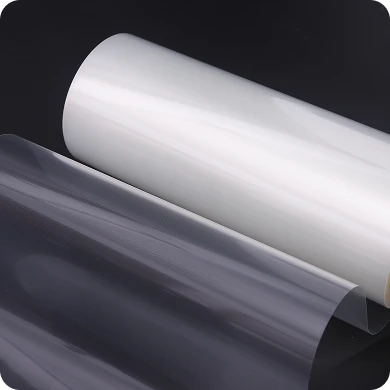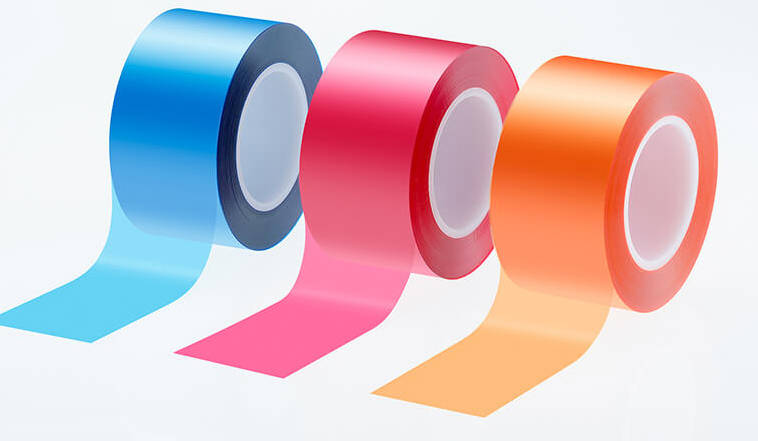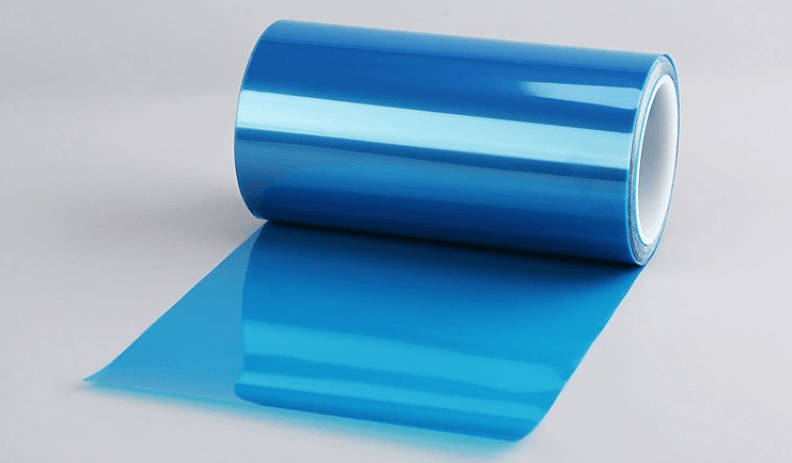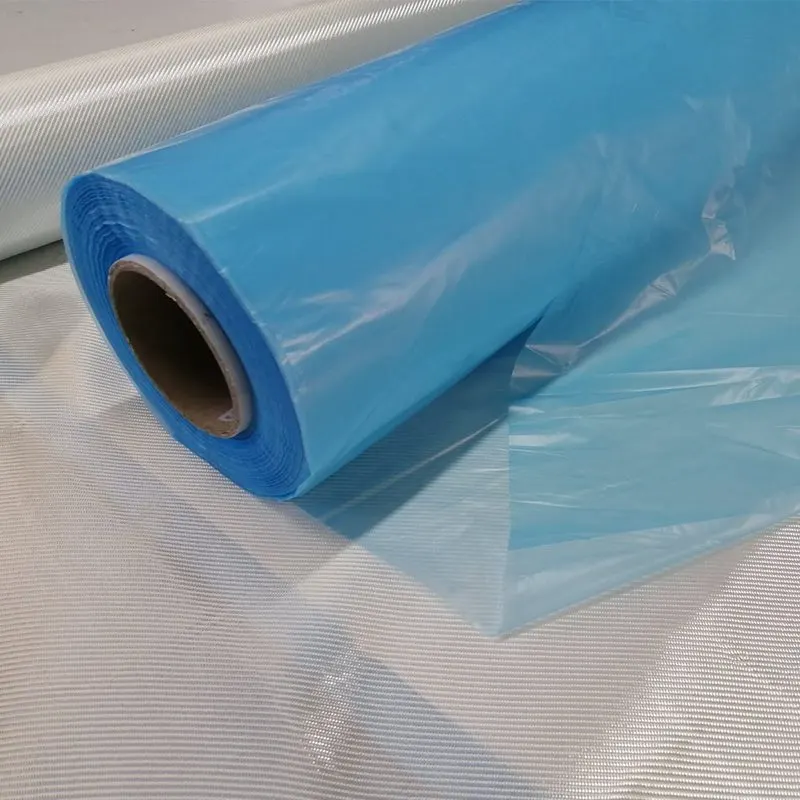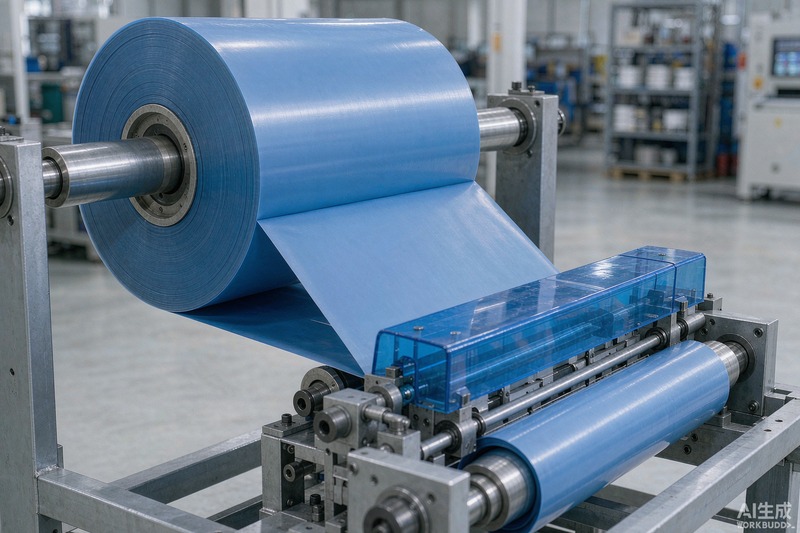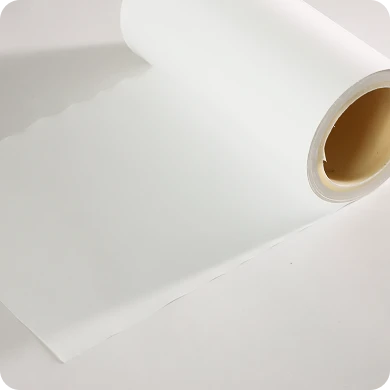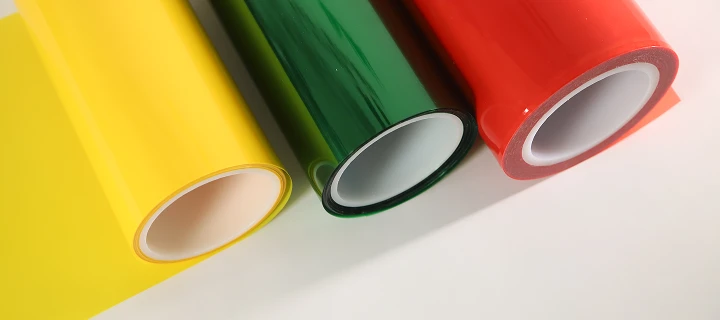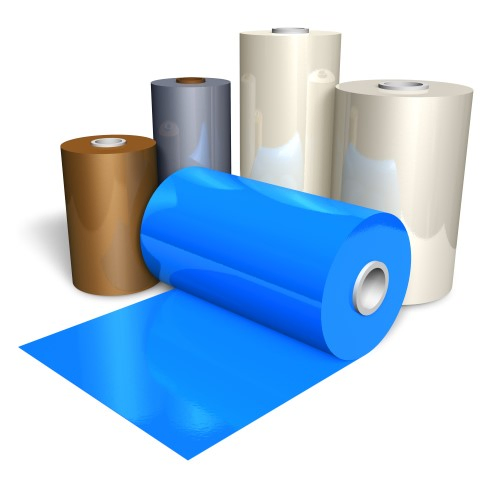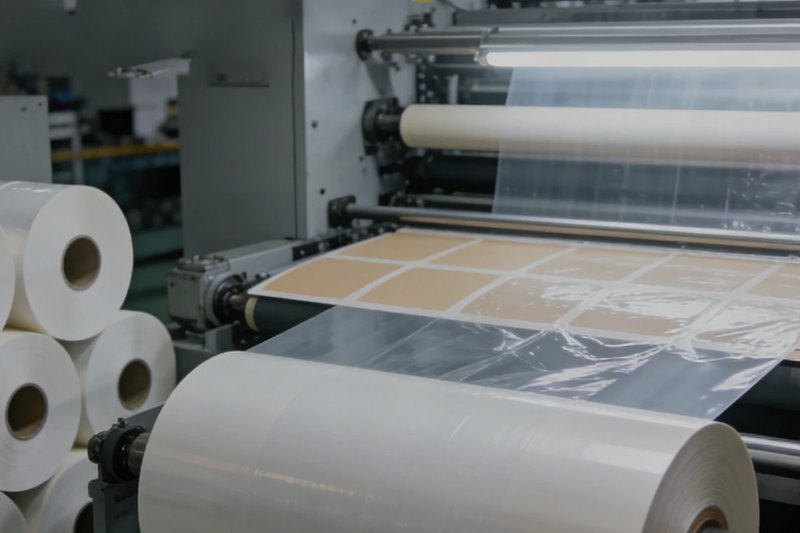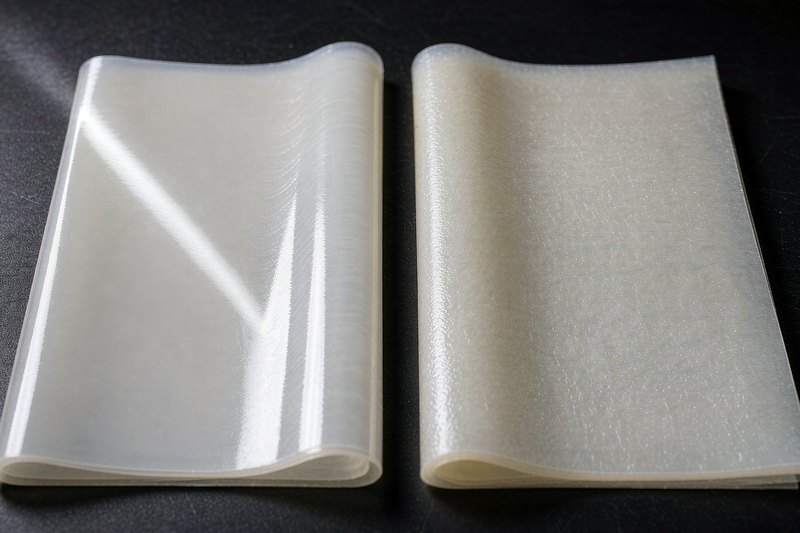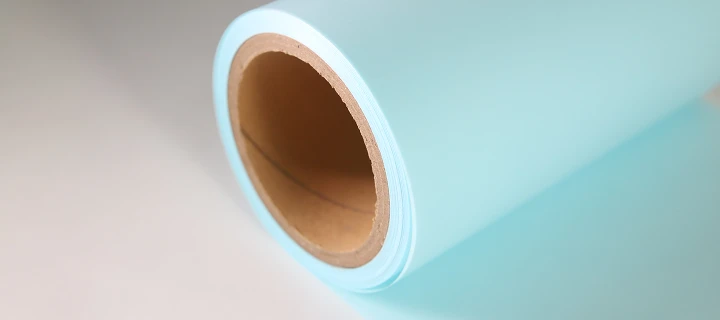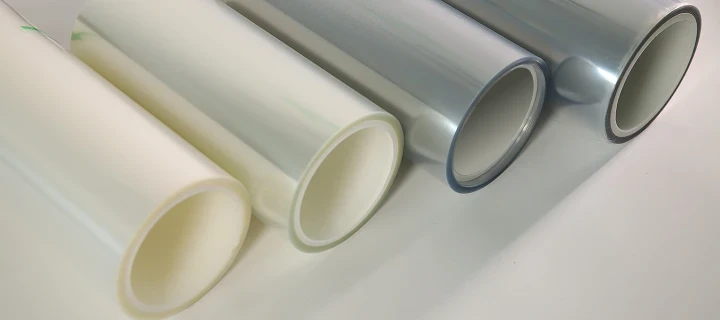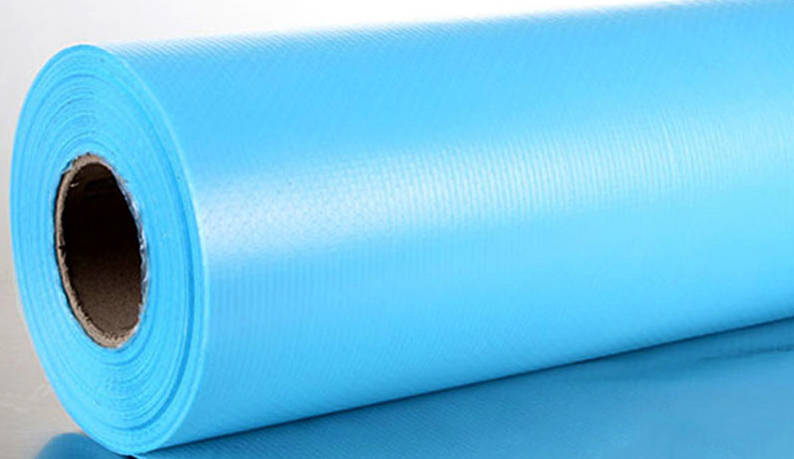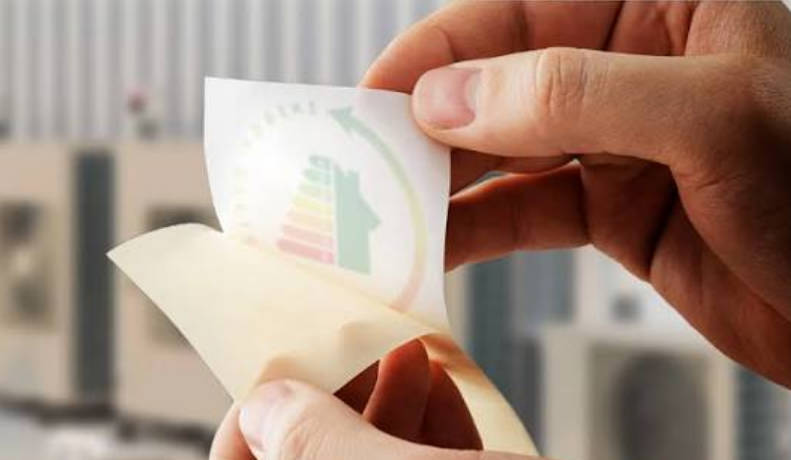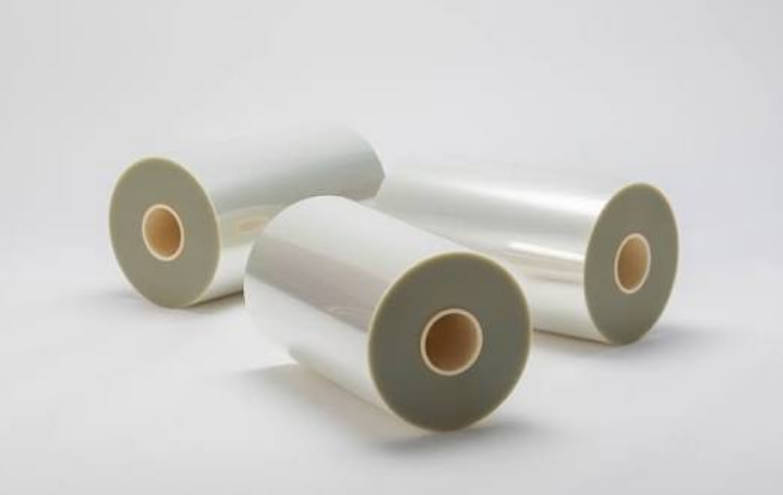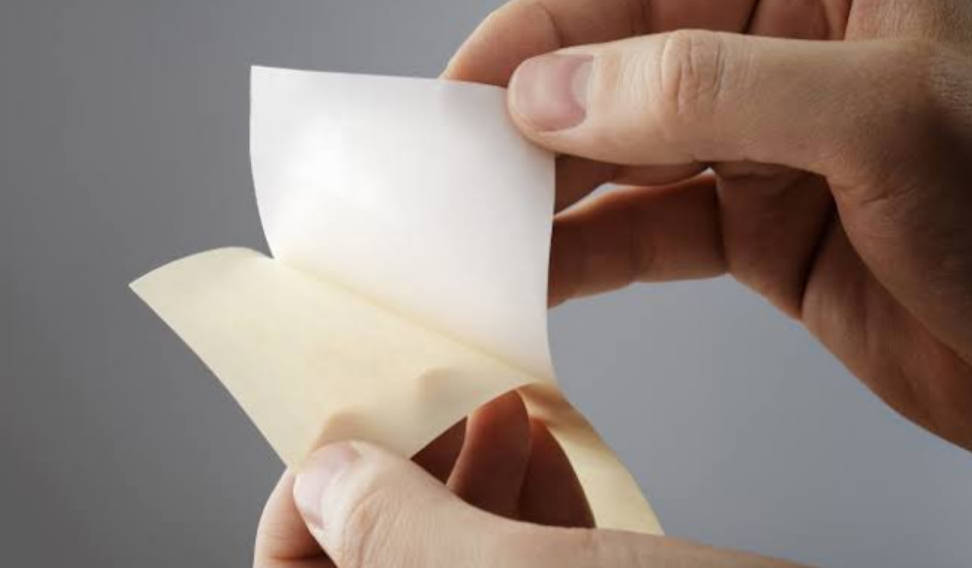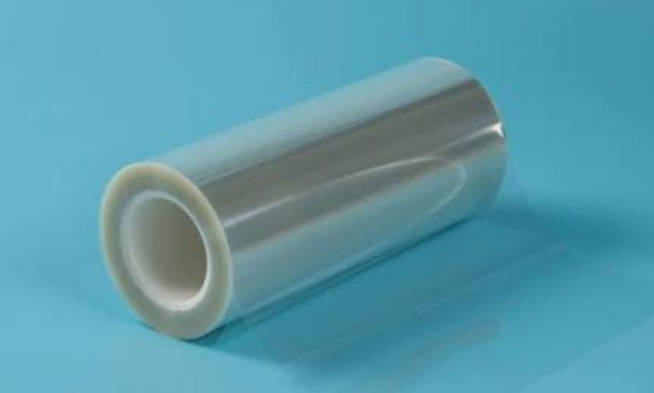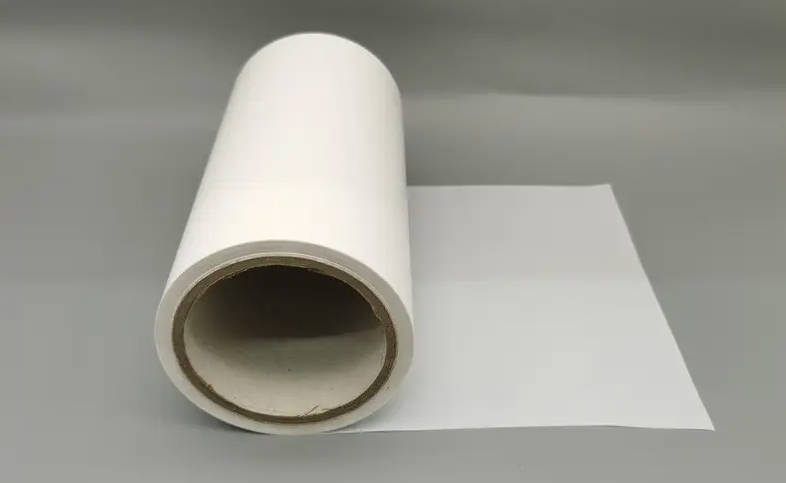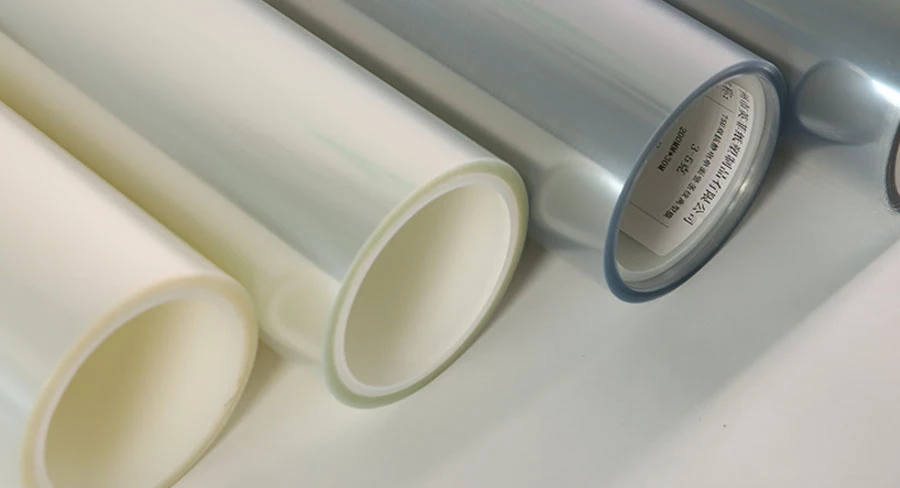
Polyester release film, also known as PET release film, is widely used in high-temperature applications because it offers good heat resistance, dimensional stability, tensile strength, surface flatness, and stable release performance when properly coated. For adhesive tapes, protective films, electronics materials, composite processing, die-cut parts, and industrial lamination, PET release film can help maintain product accuracy and clean peeling under demanding process conditions.
In many adhesive and converting applications, the release liner is exposed to heat, tension, pressure, drying, curing, lamination, or thermal storage. If the liner cannot remain stable, the product may develop wrinkles, shrinkage, curling, adhesive transfer, poor release, or die-cutting defects. This is why polyester release film is often selected when ordinary paper liners, PE release film, or lower-temperature materials cannot provide enough process stability.
A suitable polyester release liner should not only tolerate heat. It should also maintain smoothness, thickness consistency, release force stability, and compatibility with the adhesive or resin system. The PET substrate provides mechanical stability, while the silicone or specialty release coating controls peeling behavior.
This guide explains the benefits of polyester release film for high-temperature applications, including structure, advantages, common uses, selection factors, and supplier evaluation.
What Is Polyester Release Film?
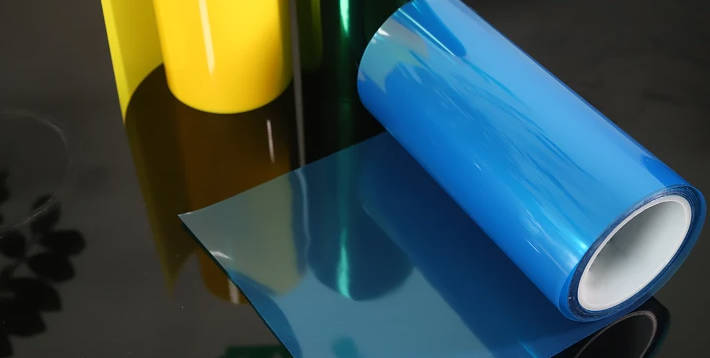
Polyester release film is a release liner made from PET film coated with a release layer. PET stands for polyethylene terephthalate, a polyester-based plastic film known for its strength, dimensional stability, clarity, and heat resistance in many industrial applications.
A typical polyester release film structure includes:
| Layer | Function |
| PET base film | Provides strength, flatness, thickness stability, heat resistance, and dimensional control |
| Surface treatment or primer | Helps improve coating anchorage and coating uniformity |
| Release coating | Provides controlled peeling from adhesive, rubber, resin, foam, or sticky materials |
| Optional functional treatment | May include anti-static, matte, high-gloss, double-side release, or specialty coating |
The release coating is commonly silicone-based, but other release systems may be used depending on the adhesive chemistry and application requirements.
The PET base film provides the mechanical and thermal foundation, while the release coating determines how easily the adhesive or material separates from the liner.
This means buyers should evaluate both the PET substrate and the release coating. A high-quality PET film with the wrong release coating may still fail in production.
Why High-Temperature Applications Need a Stable Release Film
High-temperature processes place extra stress on the release liner. Heat can soften adhesives, increase adhesive wet-out, change release force, shrink unstable films, or deform paper-based liners. If web tension is applied during heating, dimensional problems may become worse.
Common high-temperature or thermal processes include:
| Process | Release Film Requirement |
| Adhesive coating and drying | Heat resistance and stable release force |
| Thermal lamination | Flatness and dimensional stability |
| Hot pressing | Pressure resistance and clean release |
| Composite curing | Heat resistance and release coating stability |
| Die-cutting after heat exposure | Dimensional accuracy and liner flatness |
| Electronics material processing | Clean surface and low deformation |
| Protective film manufacturing | Stable adhesive protection and clean peeling |
| Transfer film processing | Controlled release and low distortion |
In high-temperature applications, the release liner must resist thermal deformation while keeping the adhesive interface stable.
If the liner shrinks, wrinkles, or loses release consistency, the final product may fail even when the adhesive or main substrate is correct.
Key Benefits of Polyester Release Film
1. Better Heat Resistance Than Many Standard Liner Materials
One of the main reasons buyers choose PET release film is its ability to perform in higher-temperature processes compared with many standard PE film liners or paper-based liners. PET can generally maintain better mechanical stability when exposed to heat, although the actual temperature resistance depends on film grade, coating system, exposure time, and process conditions.
This makes polyester release film useful for:
- Adhesive drying processes
- Hot lamination
- Thermal transfer processes
- Composite curing
- Industrial coating lines
- Electronics material processing
- High-temperature tape production
However, buyers should avoid assuming that all PET release films have the same heat resistance. The silicone coating, coating anchorage, adhesive chemistry, and processing time also matter.
2. Excellent Dimensional Stability
Dimensional stability is critical in applications where the liner must maintain size, shape, and flatness during heating, pulling, laminating, or die-cutting.
PET release film is often preferred because it can help reduce:
- Shrinkage
- Wrinkling
- Curling
- Web distortion
- Registration errors
- Die-cutting misalignment
- Roll deformation
For electronics materials, precision adhesive components, double-sided tapes, and protective films, small dimensional changes can create large quality problems.
Polyester release film is often selected when product accuracy, registration control, and stable web handling are more important than the lowest liner cost.
3. Smooth and Flat Surface
The surface quality of the release liner affects adhesive contact, coating appearance, peeling behavior, and final product cleanliness. PET release film usually offers a smooth and uniform surface, making it suitable for applications where surface defects must be minimized.
A smooth polyester release liner can help improve:
| Performance Area | Benefit |
| Adhesive coating | More uniform adhesive contact |
| Release performance | More consistent peeling |
| Die-cutting | Better part stability and cleaner edges |
| Optical inspection | Easier defect checking with transparent film |
| Protective film production | Reduced risk of surface marks |
| Electronics applications | Cleaner contact surface |
For optical films, display-related protective films, electronics tapes, and high-gloss adhesive products, surface smoothness is an important selection factor.
4. High Tensile Strength for Web Processing
Many converting processes use continuous web equipment. The liner is pulled through coating, drying, lamination, slitting, rewinding, and die-cutting stations. A liner with low strength may stretch, tear, or deform under tension.
PET release film provides good tensile strength and mechanical support, making it suitable for:
- High-speed coating lines
- Roll-to-roll lamination
- Narrow-width slitting
- Precision die-cutting
- Long roll production
- Tension-sensitive converting
Good tensile strength helps reduce web breaks and improves production stability.
5. Stable Release Performance With Proper Coating
In high-temperature applications, release force may change due to adhesive softening, coating interaction, or aging. Polyester release film can provide stable release performance when the PET substrate and release coating are properly matched.
Release force may be designed as:
| Release Level | Typical Use |
| Easy release | Light adhesive products and simple peeling |
| Medium release | General tapes, labels, and protective films |
| Tight release | Aggressive adhesives or stable roll storage |
| Differential release | Double-sided tapes and transfer adhesives |
| Custom release | Electronics, medical, silicone adhesive, or specialty applications |
For high-temperature applications, buyers should test both initial release force and aged release force after heat exposure.
6. Good Clarity for Inspection
Polyester release film can be transparent or translucent depending on grade and coating. This can help operators inspect adhesive surfaces, coating defects, bubbles, particles, or alignment.
Transparency is useful for:
- Clear labels
- Optical protective films
- Electronics materials
- Screen protection films
- Medical adhesive products
- Precision die-cut components
In these applications, paper release liners may block visual inspection, while PET film can support better quality checking.
Polyester Release Film vs PE Release Film
PE release film is useful in flexible and cost-sensitive applications, but PET release film is often more suitable for high-temperature or precision processes.
| Factor | Polyester / PET Release Film | PE Release Film |
| Heat resistance | Better in many industrial processes | Lower; more suitable for low-to-medium temperature use |
| Dimensional stability | Better under tension and heat | More prone to stretching or deformation |
| Tensile strength | Higher | Lower but more flexible |
| Surface flatness | Good smoothness and flatness | Softer surface, grade-dependent |
| Flexibility | Moderate | Better softness and conformability |
| Transparency | Usually good | Varies by grade |
| Cost | Usually higher | Often more economical |
| Precision die-cutting | More suitable | Limited for demanding precision |
| Common use | Electronics, tapes, protective films, high-temperature processing | Flexible products, low-temperature adhesive applications |
Choose PET release film when heat resistance, dimensional stability, and surface smoothness are critical. Choose PE release film when softness, flexibility, and cost are more important.
Polyester Release Film vs Paper Release Liner
Paper release liners are widely used for labels, tapes, and general adhesive products. However, high-temperature or high-precision applications may require PET film.
| Factor | Polyester Release Film | Paper Release Liner |
| Heat resistance | Good, depending on grade and coating | Depends on paper, coating, and moisture content |
| Moisture resistance | Generally better | Paper can absorb moisture |
| Dimensional stability | Better in many demanding processes | Can be affected by humidity |
| Surface cleanliness | No paper fiber dust | May generate paper dust |
| Transparency | Available | Usually opaque |
| Cost | Higher | Usually lower |
| Stiffness | Film-based stiffness | Paper-like stiffness |
| Application fit | Precision, clean, thermal, high-value applications | Standard labels, tapes, and cost-sensitive uses |
For general applications, paper liners may be cost-effective. For high-temperature adhesives, electronics tapes, precision die-cut parts, and surface-sensitive products, polyester release film is often more suitable.
Common High-Temperature Applications
1. Adhesive Tape Manufacturing
PET release film is widely used in adhesive tape production, especially when the tape requires drying, curing, heat lamination, die-cutting, or stable roll handling.
Applications may include:
- Double-sided tapes
- Foam tapes
- Transfer tapes
- Electronics tapes
- Industrial bonding tapes
- High-temperature masking-related tapes
- Medical adhesive tapes
For double-sided tapes, differential release may be required so that one side releases more easily than the other.
2. Protective Film Production
Protective films used for electronics, glass, metal, automotive parts, plastic sheets, and optical surfaces may require a clean and stable liner. Polyester release film can support surface smoothness, dimensional stability, and transparent inspection.
For high-value protective films, liner flatness and release stability are important because surface marks or adhesive residue may affect final product quality.
3. Electronics and Die-Cut Materials
Electronics die-cut components often require high precision. PET release liner helps maintain dimensional accuracy during cutting, laminating, and assembly. It also reduces the risk of fiber dust compared with paper liners.
Applications include:
- Insulation components
- Bonding tapes
- Screen adhesive parts
- Thermal interface materials
- Foam gaskets
- Protective pads
- Precision adhesive components
4. Composite and Resin Processing
In composite production, release films may be exposed to heat, resin systems, pressure, or curing cycles. Polyester release film can be evaluated when thermal stability and clean separation are required.
The actual suitability depends on resin chemistry, temperature, pressure, and release coating design.
5. Thermal Lamination and Hot Pressing
Hot lamination and pressing require a liner that stays flat under heat and pressure. PET release film can help reduce wrinkling, shrinkage, and uneven release when properly selected.
This is relevant for industrial films, decorative materials, transfer materials, and adhesive laminates.
Key Specifications to Confirm
When sourcing polyester release film for high-temperature applications, buyers should confirm the following specifications.
| Specification | Why It Matters |
| PET film thickness | Affects stiffness, strength, die-cutting, and roll size |
| Release force | Controls peeling behavior |
| Coating side | One-side, double-side, or differential release |
| Heat resistance | Must match process temperature and exposure time |
| Surface smoothness | Affects adhesive contact and product appearance |
| Dimensional stability | Important for thermal and tension processes |
| Coating anchorage | Reduces silicone transfer and release instability |
| Adhesive compatibility | Prevents residue, transfer, or difficult peeling |
| Roll width | Must match coating or converting equipment |
| Slitting quality | Affects edge cleanliness and web stability |
| Cleanliness requirement | Important for electronics, optical, and medical uses |
| Packaging | Protects rolls from dust, moisture, and deformation |
How to Choose Polyester Release Film
Step 1: Define the Process Temperature
Confirm the maximum temperature, exposure time, and whether web tension or pressure is applied during heating. Short heat exposure and long thermal aging may affect the liner differently.
Step 2: Match the Release Coating to the Adhesive
The release coating must match the adhesive system. Acrylic, rubber, hot melt, silicone, medical, and high-tack adhesives may require different release levels or coating chemistry.
Step 3: Choose the Correct Thickness
Thicker PET film may provide better stiffness and handling. Thinner PET film may reduce material usage and roll volume. The right thickness depends on machine tension, die-cutting method, product size, and handling requirements.
Step 4: Select One-Side or Double-Side Release
One-side release is suitable when only one adhesive surface contacts the liner. Double-side or differential release is needed for double-sided tapes, transfer adhesives, or multi-layer laminated products.
Step 5: Test Initial and Aged Release Force
High-temperature applications should be tested after actual or simulated heat exposure. The liner should release cleanly without adhesive transfer, excessive tightening, or premature separation.
Step 6: Check Roll Quality
Poor winding, uneven edges, wrinkles, or contaminated rolls can cause production problems even if the film material is suitable.
Common Mistakes to Avoid
Mistake 1: Choosing PET Film Only by Thickness
Thickness matters, but it does not define release performance. Buyers should also confirm release force, coating side, thermal condition, adhesive compatibility, and roll quality.
Mistake 2: Ignoring Exposure Time
A liner may tolerate short heat exposure but behave differently under longer heating or storage conditions. Always consider both temperature and time.
Mistake 3: Using Standard Release Film for Aggressive Adhesives
High-tack, rubber-based, hot melt, or silicone adhesives may require custom release coating. Standard silicone release film may not be enough.
Mistake 4: Not Testing After Heat Aging
Initial peeling may look good, but release force can change after heat and pressure. Aged testing is important for thermal applications.
Mistake 5: Overlooking Silicone Transfer
If silicone coating is poorly anchored or not suitable for the application, silicone transfer may contaminate adhesive surfaces. This is critical for bonding, printing, coating, and electronics applications.
How to Choose a Polyester Release Film Supplier
A suitable supplier should understand both film properties and application conditions. Before ordering, ask:
| Supplier Question | Why It Matters |
| What PET thickness options are available? | Helps match stiffness and converting needs |
| Can release force be customized? | Supports different adhesive systems |
| Do you offer one-side and double-side release? | Needed for different product structures |
| Can the liner support high-temperature applications? | Confirms thermal suitability |
| Can samples be tested before bulk order? | Reduces purchasing risk |
| Can aged release testing be supported? | Helps evaluate heat and storage stability |
| Can rolls be slit to custom widths? | Supports production line requirements |
| How is coating anchorage controlled? | Helps reduce silicone transfer risk |
| What packaging options are available? | Protects surface quality during shipment |
Yingfei provides release film materials for tapes, labels, protective films, electronics materials, medical adhesive products, and industrial high-temperature applications.
You can also visit Yingfei Liner to learn more about release liner material options for different B2B applications.
Practical Buying Checklist
Before buying polyester release film, prepare the following information:
| Item | What to Confirm |
| Application | Tape, label, protective film, electronics, composite, medical, or industrial use |
| Adhesive or resin type | Acrylic, rubber, hot melt, silicone, resin, foam, or specialty material |
| Process temperature | Maximum temperature and exposure time |
| Pressure condition | Lamination, hot pressing, roll storage, or curing pressure |
| Film thickness | Nominal thickness and tolerance |
| Release force | Easy, medium, tight, differential, or custom |
| Release side | One-side, double-side, or differential release |
| Surface requirement | Standard, smooth, clean, anti-static, optical, or high-gloss |
| Roll specification | Width, length, core size, diameter, winding direction |
| Converting process | Coating, slitting, die-cutting, lamination, sheeting, or rewinding |
| Testing | Initial release, heat-aged release, adhesive transfer, residue, dimensional stability |
FAQ
1. What is polyester release film?
Polyester release film is a PET film coated with a release layer, usually silicone or another release coating. It is used to protect adhesives, resins, rubber, tapes, labels, protective films, and other sticky materials while allowing controlled peeling.
2. Is polyester release film the same as PET release film?
Yes. In many industrial contexts, polyester release film and PET release film refer to the same type of release liner based on polyethylene terephthalate film.
3. Why is PET release film used for high-temperature applications?
PET release film is used for high-temperature applications because it offers good thermal stability, tensile strength, dimensional stability, and surface flatness compared with many lower-temperature liner materials.
4. What applications use high temperature release film?
High temperature release film is commonly used in adhesive tape manufacturing, protective film production, electronics materials, composite processing, thermal lamination, hot pressing, and precision die-cutting applications.
5. How do I choose PET release film thickness?
Choose PET release film thickness based on machine tension, die-cutting requirements, product handling, roll diameter, cost target, and dimensional stability needs. Testing under real production conditions is recommended.
6. Can polyester release film be double-side coated?
Yes. Polyester release film can be one-side coated, double-side coated, or designed with differential release. Double-side or differential release is often used for double-sided tapes, transfer adhesives, and multi-layer adhesive structures.
7. Does high temperature affect release force?
Yes. Heat can change adhesive behavior and the adhesive-liner interface. Buyers should test initial release force and aged release force after heat exposure to confirm stable performance.
Conclusion
Polyester release film is a strong option for high-temperature applications where release liner stability matters. Compared with many standard paper or PE-based liners, PET release film offers better dimensional stability, tensile strength, smoothness, and thermal performance in many industrial processes.
For adhesive tapes, protective films, electronics materials, composite processing, thermal lamination, and precision die-cutting, polyester release film can help reduce deformation, wrinkling, adhesive transfer, and release instability when properly selected. However, the final performance depends on PET thickness, release coating, release force, adhesive compatibility, processing temperature, storage conditions, and roll quality.
If you are sourcing polyester release film for high-temperature or precision applications, Yingfei can help evaluate suitable PET release film structures based on your adhesive system, process conditions, release force target, and converting requirements.