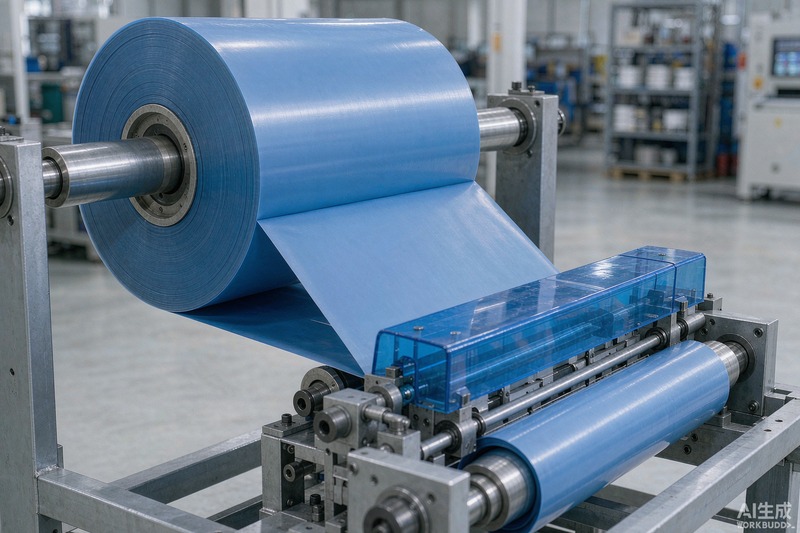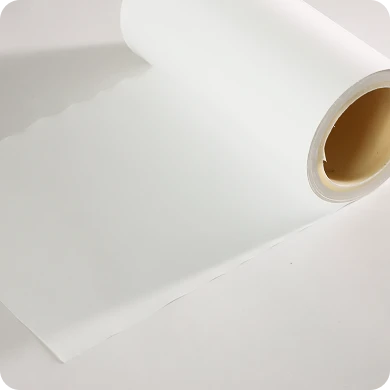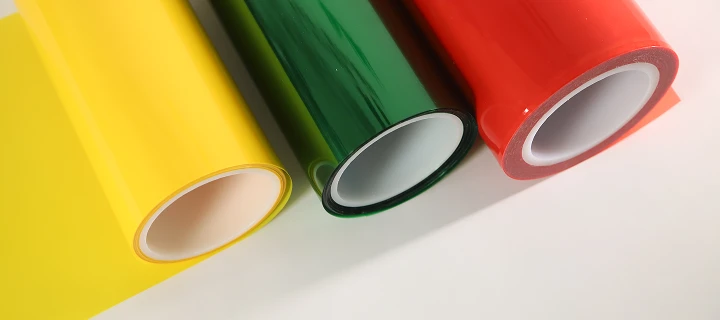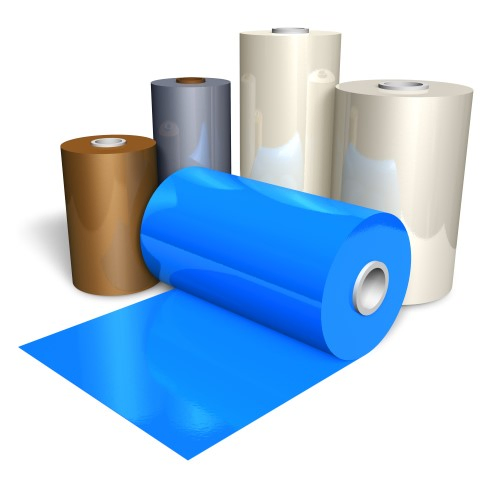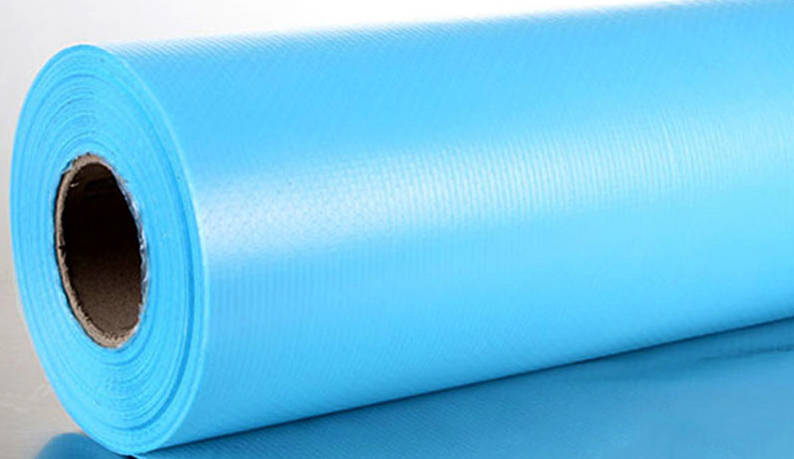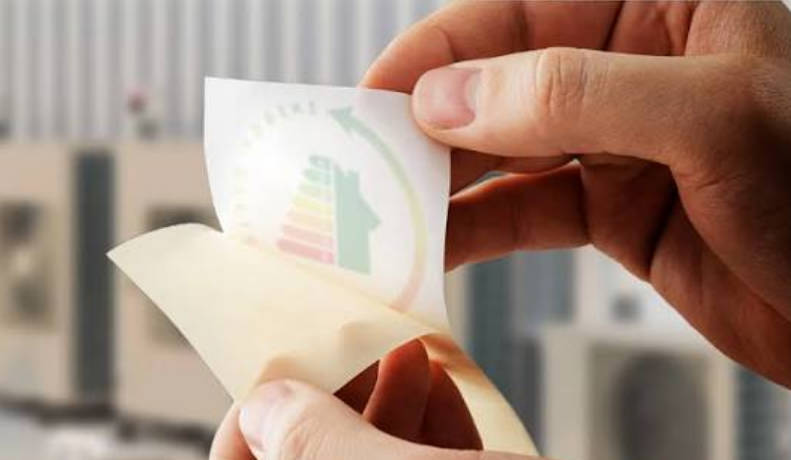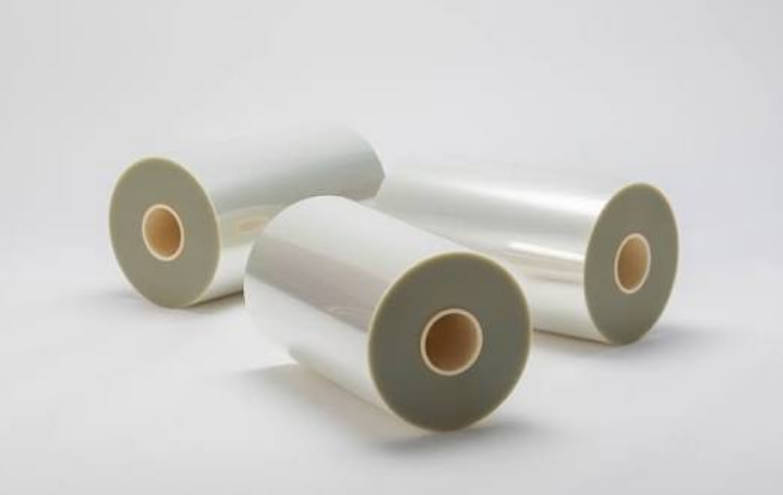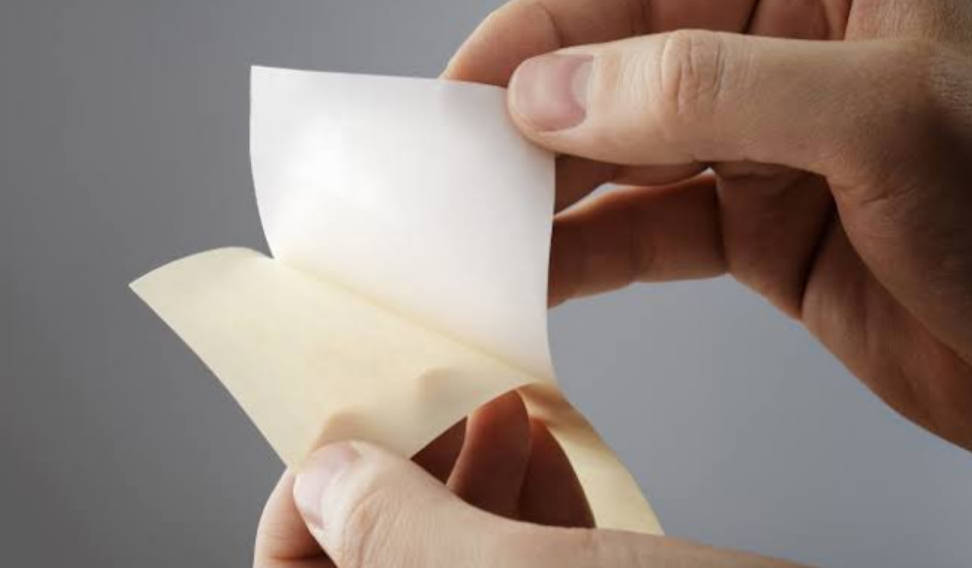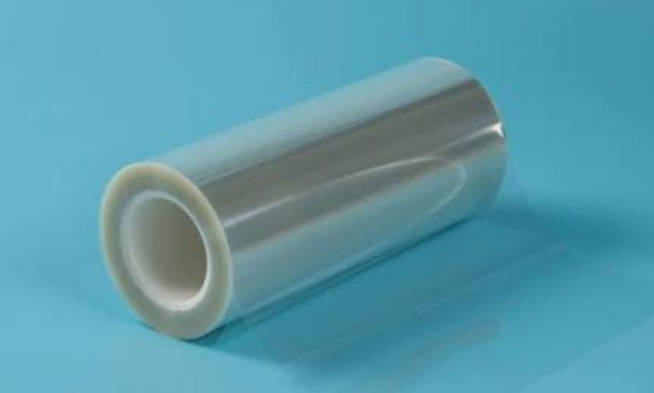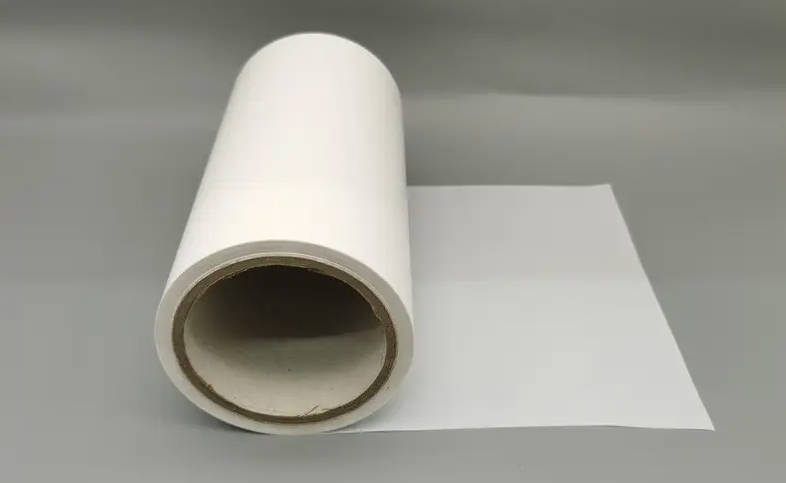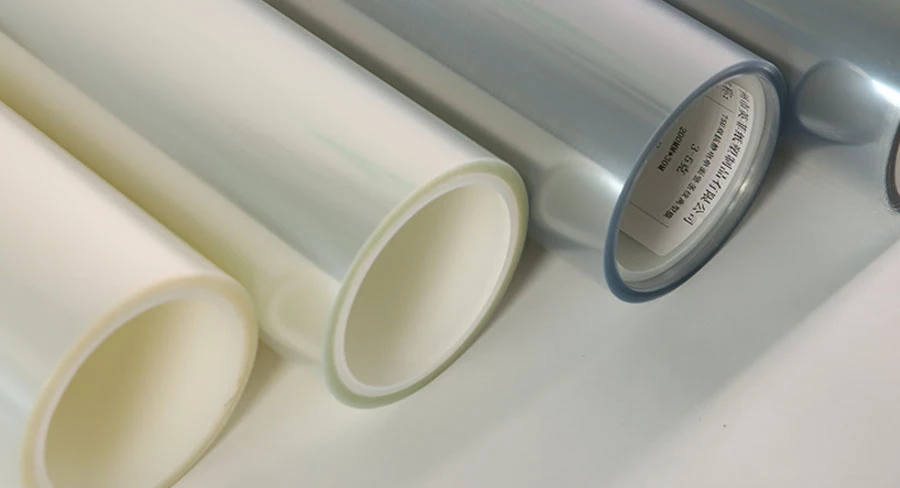
The main difference between release film and release paper is the base substrate: release film uses a plastic film base such as PET, PE, PP or BOPP, while release paper uses a paper base such as glassine, kraft, CCK, SCK or PE coated paper. Both materials can be coated with silicone to provide controlled release performance, but they are suitable for different adhesive products, converting processes and cost requirements.
For manufacturers of adhesive tapes, labels, protective films, die-cut parts, medical products, electronics materials and industrial adhesive sheets, choosing the right release liner is very important. A suitable film release liner or paper release liner can improve peeling performance, reduce production waste, support stable die cutting and protect the adhesive surface before final use.
This article compares release film and release paper from the perspectives of material structure, release performance, dimensional stability, surface smoothness, moisture resistance, cost, processing behavior and application suitability. It will help you decide whether a film release liner or a paper release liner is more suitable for your product.
If you need film-based release liner materials, you can view our Release Film product page. If you need paper-based release liner materials, you can also visit our Release Paper product page.
What Is Release Film?
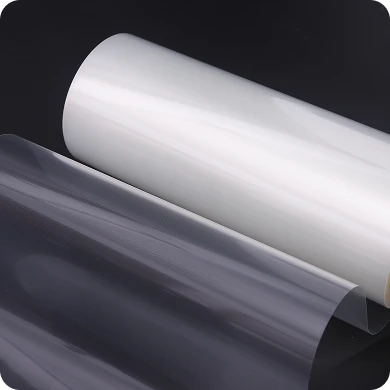
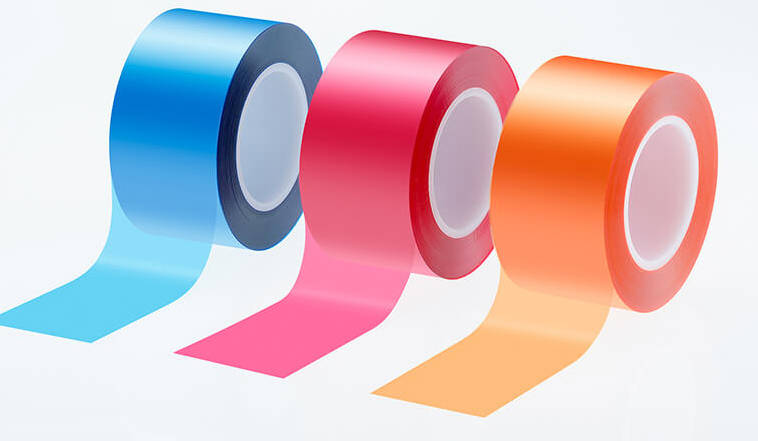
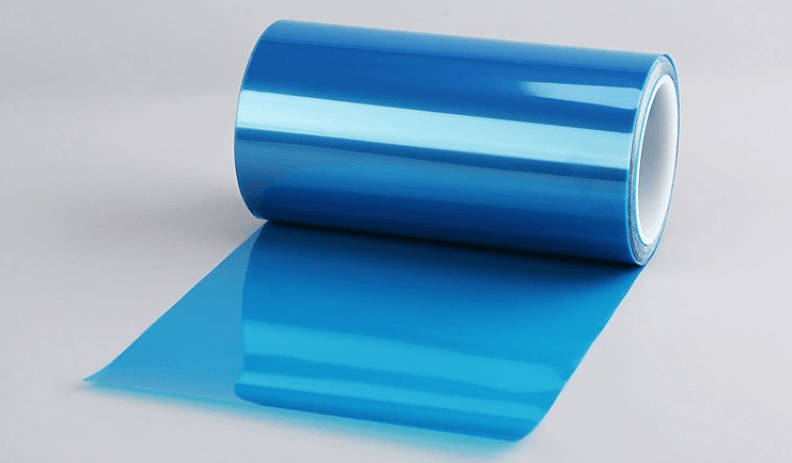
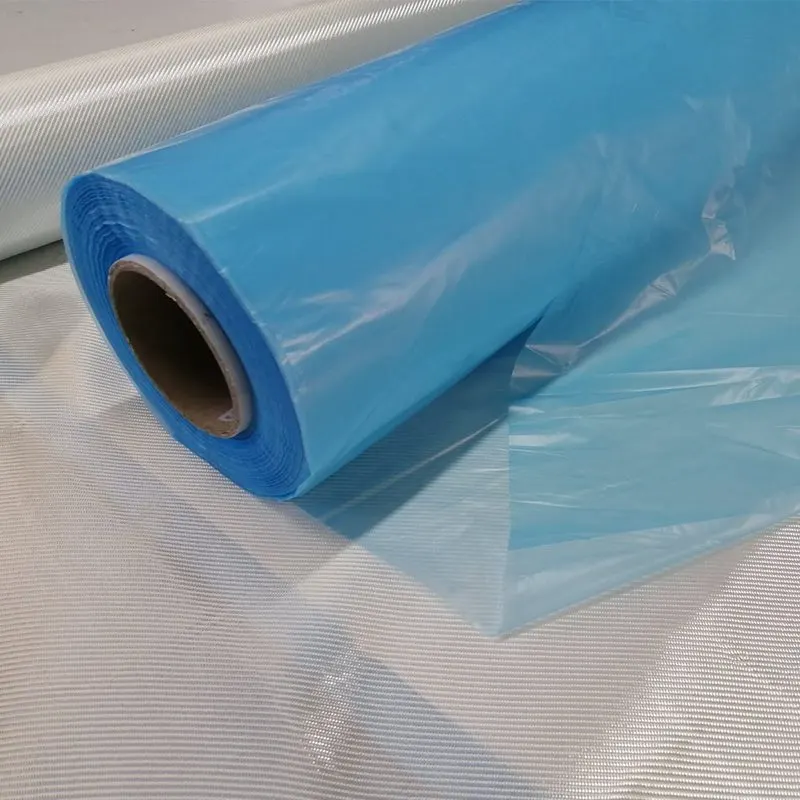
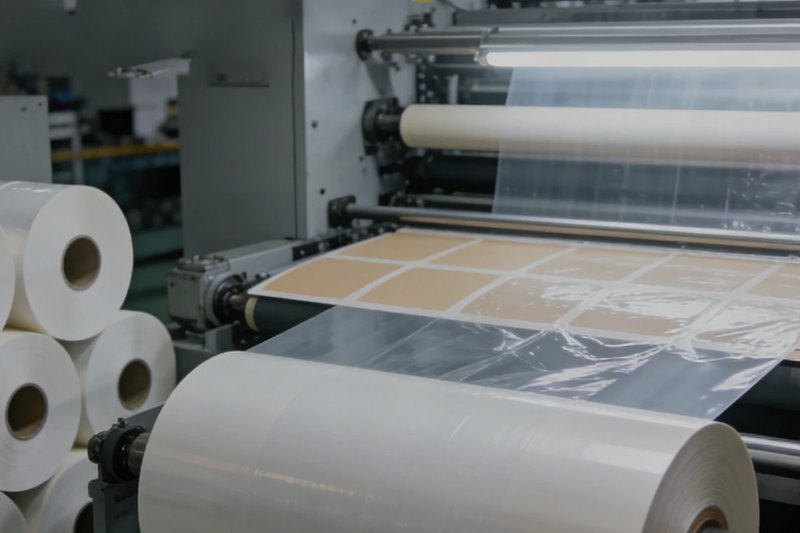
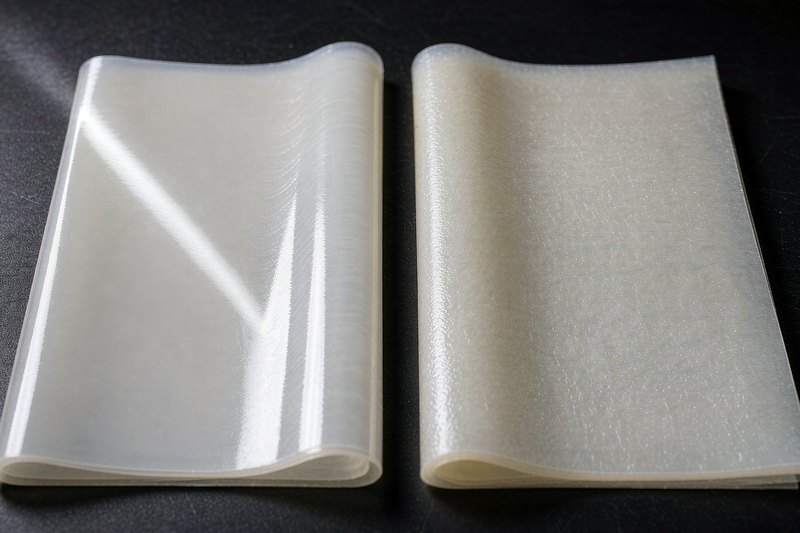
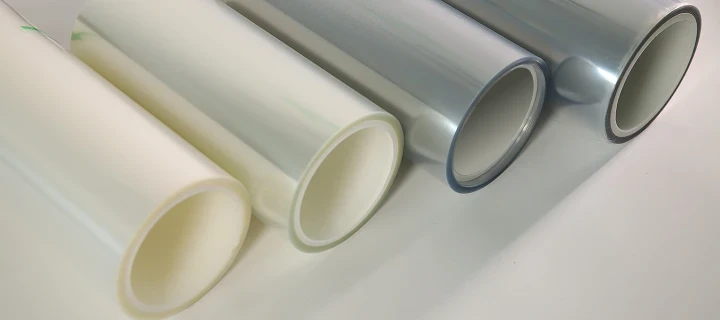
Release film is a film-based release liner used to protect adhesive surfaces and provide controlled peeling during coating, laminating, slitting, die cutting and final application. It is usually made from plastic film substrates such as PET, PE, PP or BOPP, and the surface is coated with silicone or other release coatings.
Release film is commonly used as a removable backing, process liner, carrier film or separation layer. It helps prevent adhesives, coatings, resins or sticky materials from bonding permanently to the substrate before use.
Common Types of Release Film
- PET release film
- PE release film
- PP release film
- BOPP release film
- Silicone release film
- One-side release film
- Double-side release film
- Differential release film
Main Advantages of Release Film
Release film is often selected for applications that require high dimensional stability, smooth surface quality, tear resistance and clean processing performance. PET release film, in particular, is widely used in precision die cutting, electronics, optical materials, protective films and high-performance adhesive products.
The main advantages of release film include:
- Good dimensional stability
- Smooth and uniform surface
- Good transparency, especially PET release film
- Better tear resistance than many paper liners
- Good performance in precision die cutting and kiss cutting
- Lower moisture absorption than paper-based liners
- Suitable for clean and high-precision applications
What Is Release Paper?
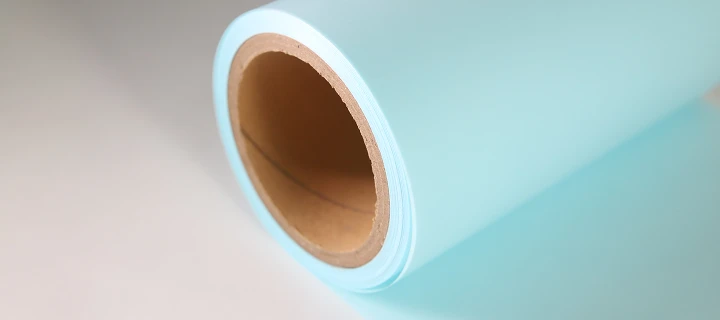
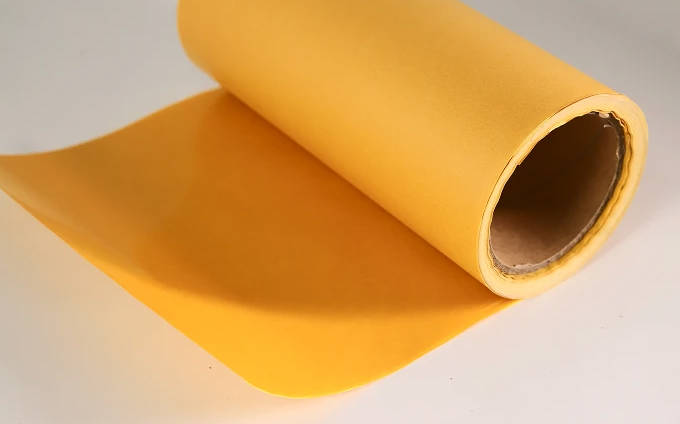
Release paper is a paper-based release liner used as a removable backing for adhesive products such as labels, tapes, stickers, medical dressings, waterproof membranes and industrial adhesive sheets. It is usually made from paper substrates such as glassine paper, kraft paper, CCK paper, SCK paper or PE coated paper.
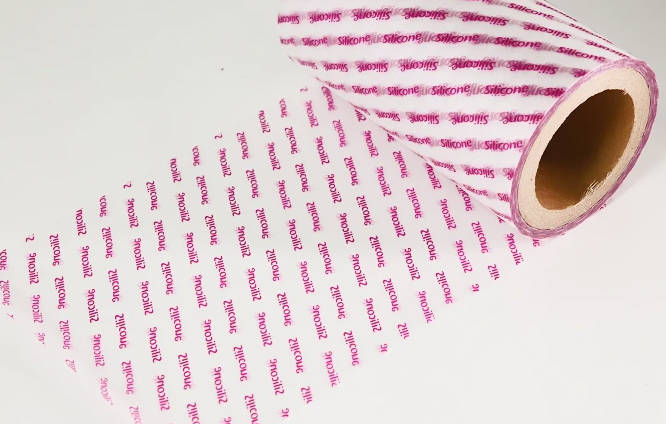
Release paper is often coated with silicone to create a non-stick surface. It provides support for adhesive products during coating, converting, storage, transportation and final application.
Common Types of Release Paper
- Glassine release paper
- Kraft release paper
- CCK release paper
- SCK release paper
- PE coated release paper
- Silicone release paper
- One-side silicone release paper
- Double-side silicone release paper
Main Advantages of Release Paper
Release paper is widely used because it is cost-effective, easy to handle and suitable for many standard adhesive applications. It is especially common in labels, tapes, stickers, medical products, waterproof materials and general industrial adhesive products.
The main advantages of release paper include:
- More economical for many standard applications
- Good stiffness and handling performance
- Available in different paper weights and coating structures
- Suitable for labels, tapes and general adhesive products
- Can be PE coated to improve moisture resistance and barrier performance
- Good choice for large-volume adhesive product manufacturing
Release Film vs Release Paper: Quick Comparison
Release film is usually better for smoothness, transparency, dimensional stability and precision converting, while release paper is often better for cost-sensitive labels, tapes and general adhesive applications.
| Comparison Point | Release Film | Release Paper |
|---|---|---|
| Base Material | PET, PE, PP, BOPP film | Glassine, kraft, CCK, SCK, PE coated paper |
| Typical Keyword | Film release liner | Paper release liner |
| Surface Smoothness | Very smooth and uniform | Depends on paper grade and coating quality |
| Dimensional Stability | Generally better, especially PET release film | Can be affected by humidity and paper structure |
| Transparency | Available, especially PET film | Usually opaque |
| Tear Resistance | Good tear resistance | May tear more easily in some high-tension processes |
| Moisture Sensitivity | Lower moisture absorption | More sensitive to humidity |
| Cost | Usually higher | Usually more economical |
| Best For | Precision converting, electronics, die cutting, protective films | Labels, tapes, stickers, general adhesive products |
Material Structure Differences
Film Release Liner Structure
A film release liner is based on a plastic film substrate. The film provides strength, surface smoothness and dimensional stability, while the release coating controls peeling performance.
| Layer | Function |
|---|---|
| Film Substrate | Provides strength, smoothness, thickness stability and processing support |
| Silicone Release Coating | Controls release force and non-stick performance |
| Adhesive Contact Surface | Protects adhesive before use or during processing |
PET film is commonly used when high stability and smoothness are required. PE film is softer and more flexible. PP and BOPP films can be used for lightweight or cost-sensitive film-based applications.
Paper Release Liner Structure
A paper release liner is based on a paper substrate. Depending on the product requirement, the paper may be coated, calendered or laminated with PE before silicone coating.
| Layer | Function |
|---|---|
| Paper Substrate | Provides stiffness, handling support and basic structure |
| Optional PE Coating or Barrier Layer | Improves moisture resistance, surface smoothness and barrier performance |
| Silicone Release Coating | Provides non-stick release performance |
| Adhesive Contact Surface | Protects adhesive layer before final use |
Paper release liner is widely used in label stock, adhesive tape, stickers, medical dressings, waterproof membranes and other adhesive products where cost efficiency and handling stiffness are important.
Performance Comparison: Which One Performs Better?
Dimensional Stability
Release film, especially PET release film, usually has better dimensional stability than paper release liner. This means it is less likely to deform during high-speed converting, die cutting, laminating or temperature changes.
Paper release liner may expand or shrink under humidity and temperature changes because of its fiber-based structure. For applications requiring high precision, such as electronics, optical adhesive products and complex die-cut parts, film release liner is often preferred.
Surface Smoothness
Film release liner generally has a smoother and more uniform surface. A smooth surface helps improve adhesive coating appearance, reduce surface defects and support clean peeling.
Paper release liner surface quality depends on the paper base, coating treatment and calendering process. High-quality paper release liners can perform well in many applications, but they may not match the surface smoothness of PET release film in high-precision uses.
Release Force Consistency
Both release film and release paper can provide stable release force if the silicone coating is properly designed and controlled. However, film release liner may offer better release consistency in high-precision applications because of its smoother and more stable substrate surface.
For standard labels, tapes and stickers, paper release liner can also provide reliable release performance when matched with the right adhesive system.
Moisture Resistance
Release film has lower moisture absorption than paper release liner. This makes film release liner more suitable for applications where humidity changes may affect product stability.
Paper release liner is more sensitive to moisture because paper fibers can absorb water. However, PE coated release paper can improve moisture resistance and barrier performance, making it a better option for some industrial applications.
Tear Resistance and Processing Strength
Film release liner generally has better tear resistance and tensile strength. It can perform well under slitting, laminating, die cutting and high-speed converting conditions.
Paper release liner has good stiffness and handling performance, but it may tear or generate dust under some high-tension or high-cleanliness processes. The right choice depends on the production speed, adhesive strength and downstream processing method.
Application Comparison: When to Use Release Film or Release Paper?
Adhesive Tape Applications
Release film can be used for high-performance adhesive tapes, double-sided tapes, foam tapes, transfer tapes and precision adhesive products. It is suitable when the tape requires stable release, smooth adhesive surface and strong processing support.
Release paper is widely used for general adhesive tapes and cost-sensitive tape products. For many standard tape applications, paper release liner offers a good balance between cost and performance.
Label Applications
Paper release liner is widely used in pressure-sensitive labels because it offers good stiffness, printability support and cost efficiency. It is a common choice for general labels, logistics labels, stickers and packaging labels.
Film release liner is suitable for clear labels, specialty labels and label applications requiring dimensional stability, transparency or smoother adhesive appearance.
Die Cutting and Kiss Cutting
For precision die cutting and kiss cutting, PET release film is often preferred because it provides better flatness, stable thickness and dimensional stability. These properties help improve cutting accuracy, waste removal and automatic assembly performance.
Paper release liner can also be used for general die-cut adhesive parts. However, for very precise parts, electronics components or clean applications, paper dust, humidity sensitivity and dimensional change may need to be considered.
Electronics Applications
Film release liner, especially PET release film, is commonly used in electronics applications. Electronic adhesive parts often require cleanliness, smooth surface, low contamination and stable dimensions.
Paper release liner may be less suitable for some electronic materials because of possible paper dust, moisture sensitivity and lower surface smoothness. However, it may still be used in less sensitive applications depending on the product design.
Medical and Hygiene Products
Both release film and release paper can be used in medical and hygiene products. The final choice depends on the adhesive system, product structure, peeling feel, cleanliness requirement and processing method.
Film release liner may be preferred for cleaner and more stable applications, while paper release liner may be used where stiffness, cost efficiency and easy handling are more important.
Protective Film Applications
Release film is commonly used for protective films that require smooth adhesive protection and clean peeling. It is suitable for surface protection films used on plastic sheets, metal panels, glass, electronics and optical materials.
Paper release liner may be used in some lower-cost or general protection applications where transparency and high dimensional stability are not required.
Cost Difference Between Release Film and Release Paper
Why Release Film Usually Costs More
Release film usually costs more because plastic film substrates such as PET can be more expensive than paper substrates. In addition, film release liner is often used in applications that require better surface quality, stronger dimensional stability and more precise coating control.
The higher cost may be justified when release film helps reduce production defects, improve die-cutting yield or support higher-value adhesive products.
Why Release Paper Is Often More Economical
Release paper is usually more economical because paper substrates are cost-effective and suitable for large-volume adhesive applications. For standard labels, tapes, stickers and general adhesive sheets, paper release liner can provide reliable performance at a competitive cost.
Cost Should Not Be the Only Selection Factor
Release paper is usually more cost-effective, but release film may reduce production waste and improve processing stability in precision converting applications.
When choosing between release film and release paper, buyers should not only compare material price. They should also consider total production cost, including die-cutting yield, adhesive waste, peeling failure, liner breakage, customer complaints and product rejection rate.
Release Film vs Release Paper: Pros and Cons
Pros and Cons of Release Film
| Pros of Release Film | Cons of Release Film |
|---|---|
| High dimensional stability | Usually higher cost |
| Smooth and uniform surface | May require anti-static handling |
| Good tear resistance | Not always necessary for simple applications |
| Available in transparent options | Material selection must match application requirements |
| Suitable for precision converting | Some film substrates have temperature limits |
Pros and Cons of Release Paper
| Pros of Release Paper | Cons of Release Paper |
|---|---|
| Cost-effective | More sensitive to humidity |
| Good stiffness and handling | Surface smoothness depends on paper grade |
| Suitable for many labels and tapes | May generate paper dust |
| Available in different GSM options | Usually not transparent |
| Good for general converting | May tear in some high-tension processes |
How to Choose Between Release Film and Release Paper
Choose Release Film If You Need:
- High dimensional stability
- Smooth adhesive surface
- Transparent liner
- Precision die cutting
- Low contamination risk
- Higher tear resistance
- Electronics or optical applications
- Stable performance under high-speed converting
For film-based release liner solutions, visit our Release Film page.
Choose Release Paper If You Need:
- More economical liner material
- Good stiffness and handling support
- Standard label or tape backing
- General adhesive product processing
- Paper-based liner structure
- PE coated paper option for improved barrier performance
- Large-volume and cost-sensitive applications
For paper-based release liner solutions, visit our Release Paper page.
Simple Selection Guide
| Your Requirement | Recommended Choice |
|---|---|
| Precision die cutting | Release film |
| Standard labels | Release paper |
| Transparent liner | Release film |
| Cost-sensitive products | Release paper |
| Electronics adhesive parts | Release film |
| General adhesive tape | Release paper or release film, depending on adhesive type |
| High humidity environment | Release film or PE coated release paper |
| High-speed converting | Release film or high-quality release paper |
| Double-sided adhesive products | Double-side release film or double-side release paper |
| Need smooth adhesive surface | Release film |
Common Problems When Choosing the Wrong Release Liner
Difficult Peeling
Difficult peeling may happen when the release force is too high, the silicone coating is not suitable, the adhesive is too aggressive or the liner has aged during storage. This problem can slow down production and damage the adhesive surface.
Liner Lifting During Processing
Liner lifting may happen when the release force is too low or the liner material is not suitable for the adhesive system. It can cause shifting, poor lamination, unstable slitting or die-cutting defects.
Wrinkling or Curling
Paper release liner may curl because of humidity changes, while film release liner may wrinkle because of poor tension control or winding problems. Proper storage and roll handling are important for both materials.
Adhesive Residue or Silicone Transfer
Adhesive residue or silicone transfer may occur when the release coating and adhesive system are not compatible. This can affect bonding performance and product quality. Sample testing is strongly recommended before bulk orders.
Dust and Surface Contamination
Paper release liner may generate dust in some applications. Film release liner may attract dust because of static. For electronics, optical materials and precision die-cut parts, cleanliness control should be considered during material selection.
What Information Should You Provide Before Ordering?
To choose the right release film or release paper, buyers should provide detailed application information. This helps the supplier recommend the proper substrate, coating type, release force and roll specification.
| Information Needed | Why It Matters |
|---|---|
| Application industry | Different industries have different cleanliness, cost and performance requirements |
| Adhesive type | Acrylic, rubber, silicone and hot melt adhesives require different release performance |
| Preferred liner type | Helps decide between film release liner and paper release liner |
| Required release force | Determines peeling performance and processing stability |
| Thickness or GSM | Affects stiffness, handling and converting behavior |
| Width and roll length | Needed for slitting, winding and production planning |
| Single-side or double-side release coating | Determines product structure and release function |
| Processing method | Coating, laminating, slitting, die cutting and kiss cutting have different requirements |
| Temperature and humidity conditions | Important for storage stability and final performance |
| Current sample or technical data sheet | Helps supplier match or improve the existing material |
To choose the right release film or release paper, please share your adhesive type, application, thickness or GSM, release force requirement and processing method. A suitable release liner can improve peeling performance, reduce waste and support stable production.
FAQ About Release Film vs Release Paper
What is the main difference between release film and release paper?
The main difference is the substrate. Release film uses a plastic film substrate such as PET, PE, PP or BOPP, while release paper uses a paper substrate such as glassine, kraft, CCK, SCK or PE coated paper.
Is release film better than release paper?
Release film is better for applications requiring smoothness, transparency, dimensional stability, cleanliness and precision die cutting. Release paper is better for many standard labels, tapes, stickers and cost-sensitive adhesive products.
Which is better for die cutting?
PET release film is often preferred for precision die cutting because it provides better flatness and dimensional stability. Paper release liner can be used for general die-cut adhesive products.
Which is cheaper, release film or release paper?
Release paper is usually more economical than release film. However, release film may reduce production waste in high-precision applications, so the total production cost should also be considered.
Can release film and release paper both be silicone coated?
Yes. Both release film and release paper can be coated with silicone release coating to provide controlled peeling performance.
What is a film release liner?
A film release liner is a release liner made from a plastic film substrate such as PET, PE, PP or BOPP. It is commonly used in precision converting, electronics, protective films and high-performance adhesive products.
What is a paper release liner?
A paper release liner is a release liner made from a paper substrate such as glassine, kraft, CCK, SCK or PE coated paper. It is widely used in labels, tapes, stickers and general adhesive products.
How do I choose the right release liner for my adhesive product?
You should confirm your adhesive type, release force, processing method, surface requirement, temperature, humidity, cleanliness requirement and cost target. Sample testing is recommended before bulk production.
Conclusion
Release film and release paper are both important release liner materials, but they are designed for different applications. Release film is usually better for smoothness, dimensional stability, transparency, precision die cutting and clean applications. Release paper is often more economical and suitable for labels, tapes, stickers and general adhesive products.
The best choice depends on your adhesive type, release force, converting process, application industry and budget. If your product requires high precision, clean processing or stable dimensions, a film release liner may be the better choice. If your product requires cost efficiency and good handling performance, a paper release liner may be more suitable.
Before bulk production, buyers should test release film or release paper samples with their actual adhesive and processing conditions to confirm peeling performance, die-cutting stability and final product quality.
If you need film release liner materials, visit our Release Film product page.
If you need paper release liner materials, visit our Release Paper product page.