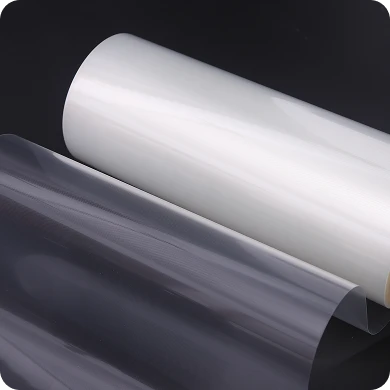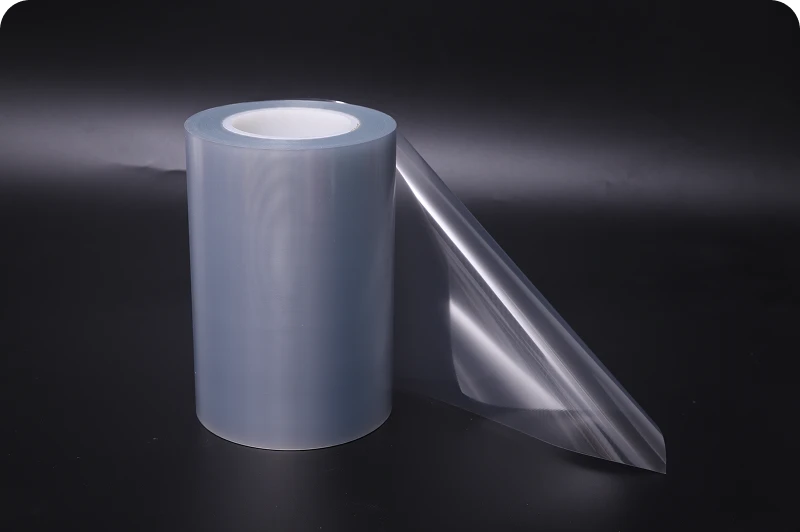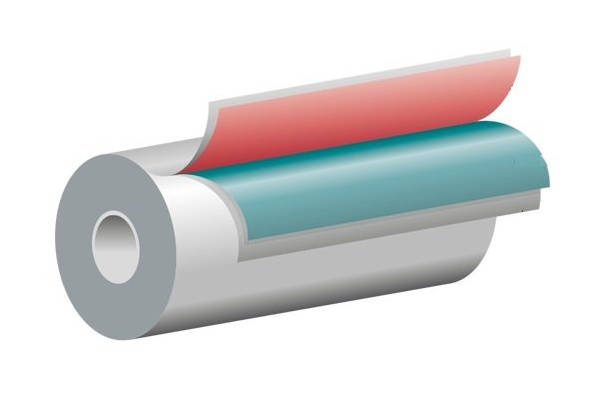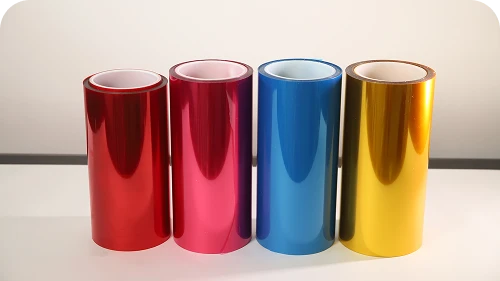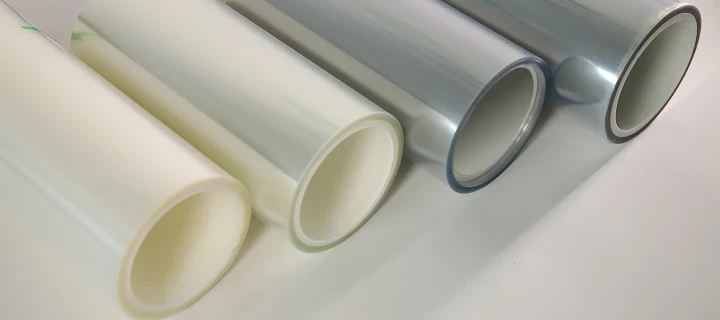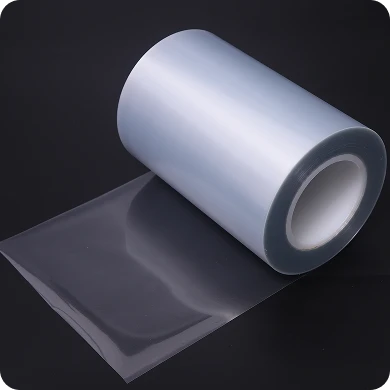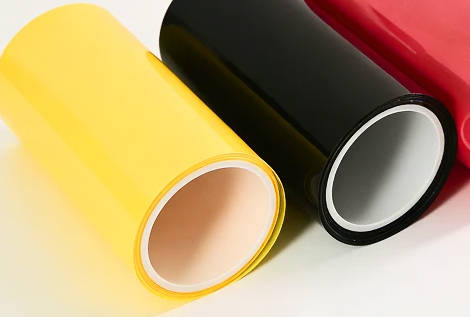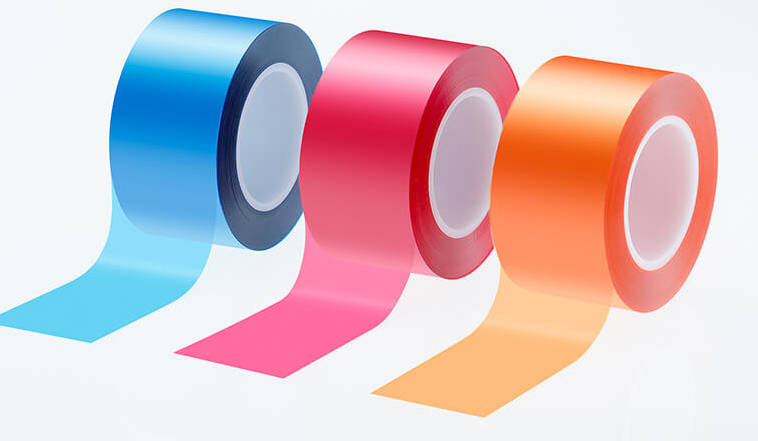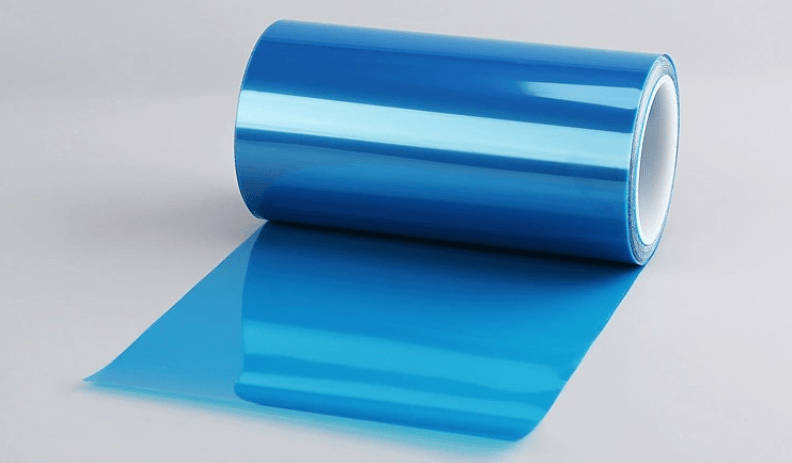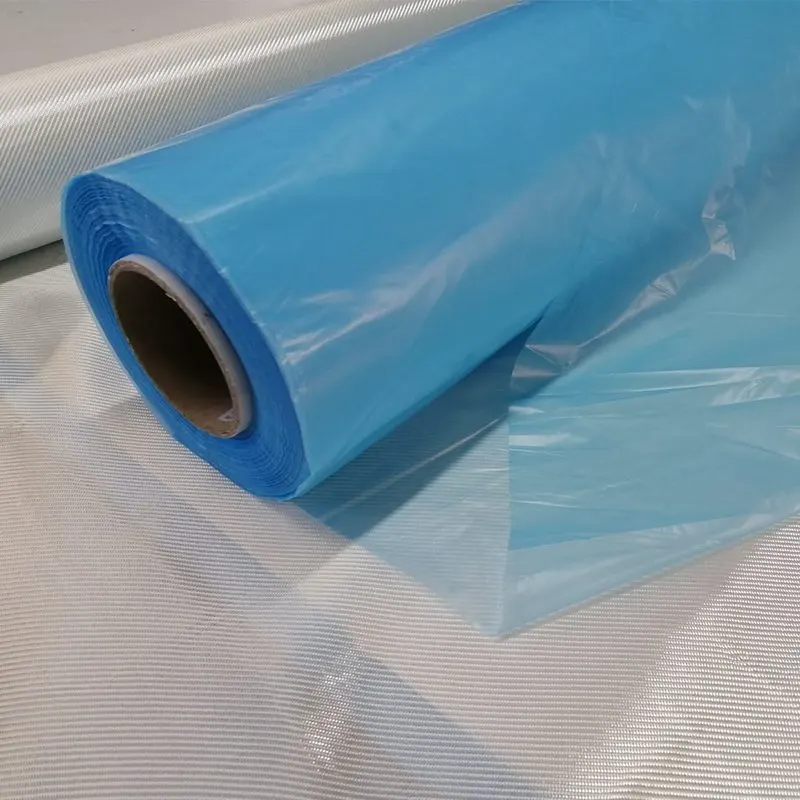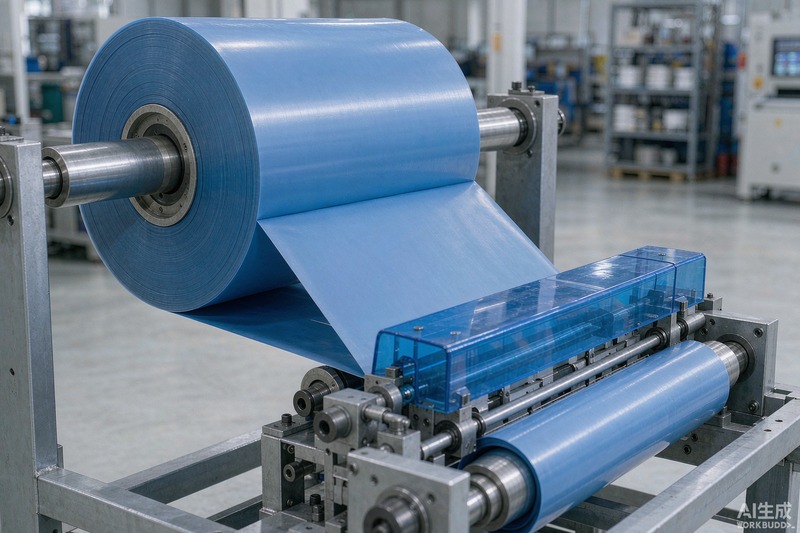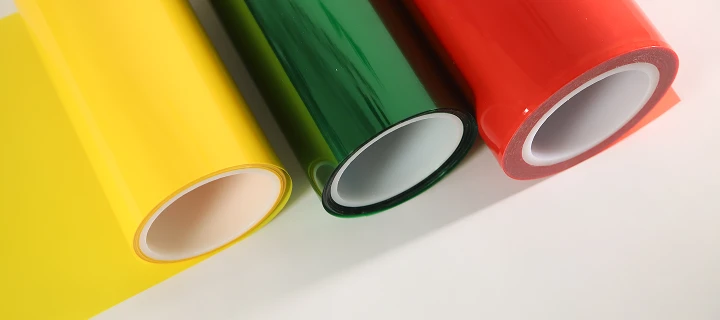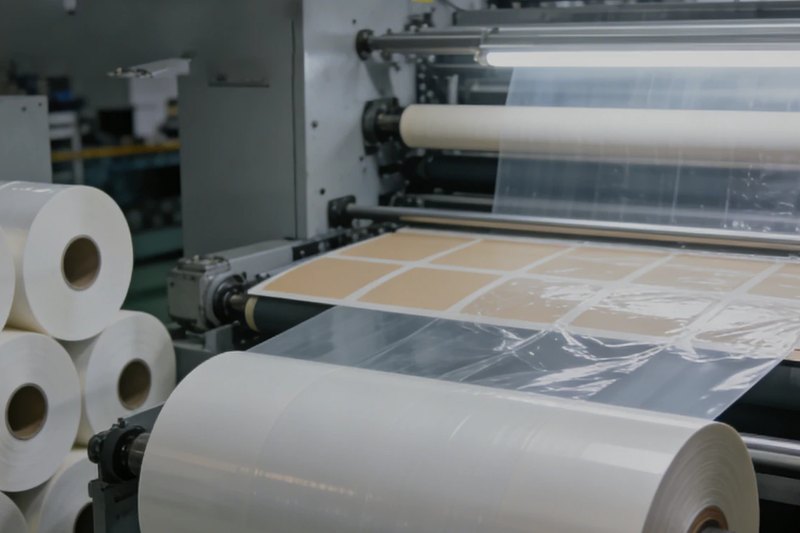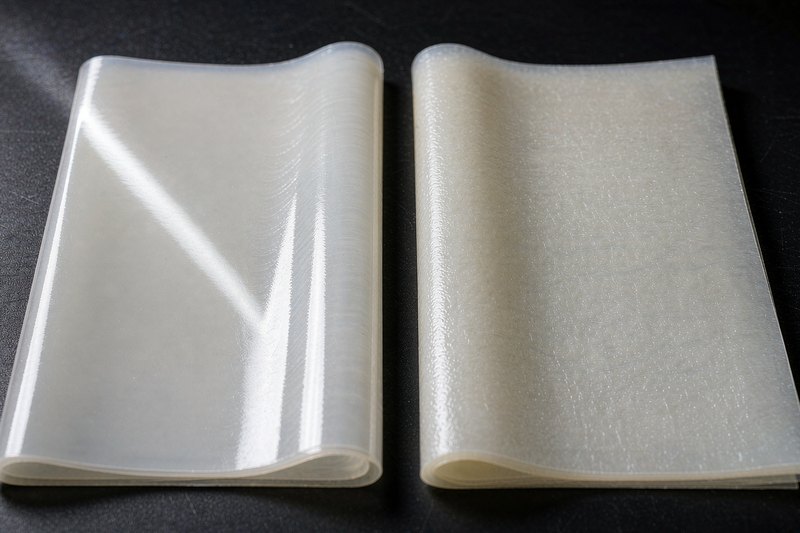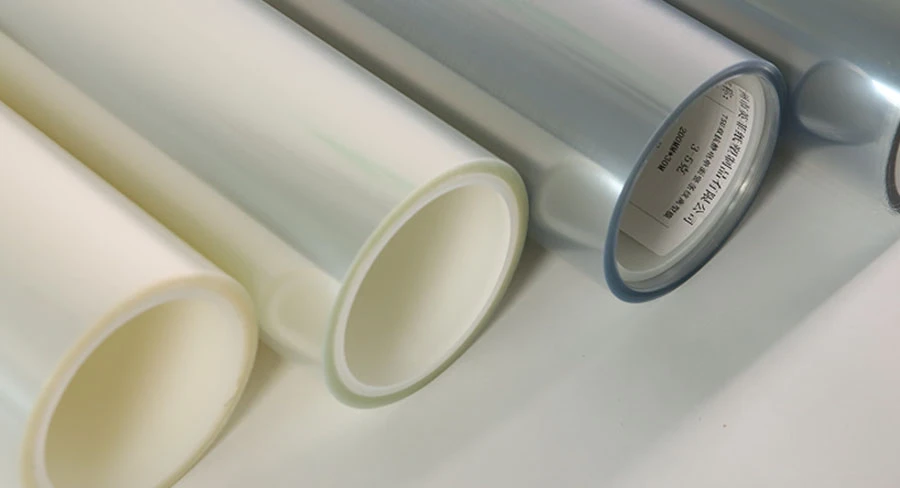
Selecting the optimal silicone coating system for release films requires balancing substrate heat tolerance, required release force stability, residual adhesion requirements, and regulatory compliance. Thermal-cured solvent-free silicones deliver the lowest material cost and highest line speeds for high-volume conversion on standard substrates. Solvent-based systems remain necessary when tight release force customization, extremely low release values, or specialized adhesion control are required. Radiation-cured (UV/EB) chemistries are essential when coating heat-sensitive thin films that cannot withstand thermal curing ovens without stretching or curling.
Understanding how these three coating technologies function allows converting engineers and procurement managers to eliminate downstream failure modes—such as silicone migration, uneven delamination, and web distortion. This guide breaks down the engineering trade-offs, application alignments, and operational selection criteria across solvent, solvent-free, and radiation-cured silicone systems.
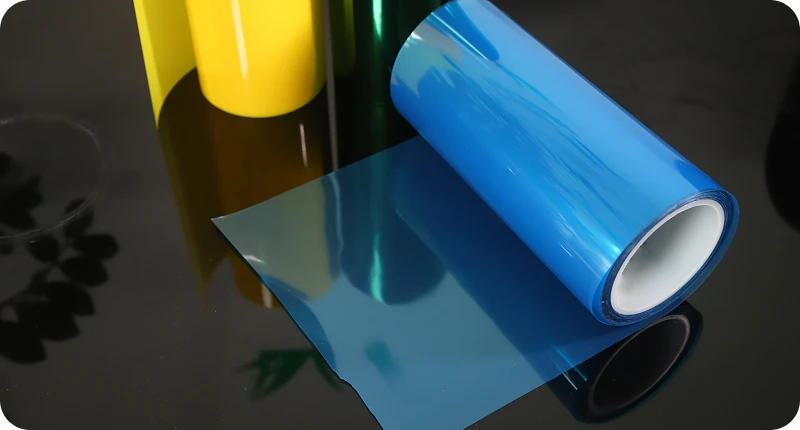
Silicone Coating Chemistry: Why Curing Technology Matters for Release Films
Silicone coatings provide the anti-adhesive boundary layer that allows pressure-sensitive adhesives (PSAs), die-cut components, and cast polymers to release cleanly without losing their bonding performance. In a high-performance silicone coated release film, the silicone polymer must anchor securely to the carrier substrate (such as PET, PP, or PE) and fully cross-link during curing.
The curing mechanism directly determines how the silicone network forms. An under-cured or thermally compromised coating causes three primary failure modes:
- Silicone Transfer and Migration: Unreacted silicone oligomers migrate into the adhesive layer, permanently lowering its Subsequent Adhesion Strength (SAS) or Residual Adhesion (ROA).
- Web Distortion and Shrinkage: High-temperature drying tunnels can exceed the thermal threshold of ultra-thin or polyolefin films, resulting in dimensional instability, wrinkles, or curled edges during high-speed slitting.
- Release Force Drift: Poor cross-linking density causes the peel force to change over aging cycles, leading either to pre-dispensing during winding or adhesive tearing during converting.
Matching the silicone chemistry to your specific carrier film and converting conditions is therefore a foundational engineering decision rather than a simple cost calculation.
Breaking Down the Three Core Silicone Coating Technologies
Commercial silicone release systems rely on distinct chemical formulations, delivery carriers, and energy inputs to achieve a cured elastomeric network.
1. Solvent-Based Silicone Coatings: Precision Release with High Versatility
Solvent-based systems dissolve reactive polydimethylsiloxane (PDMS) polymers, cross-linkers, and platinum catalysts in organic solvents (such as toluene, heptane, or hexane mixtures) at solid concentrations typically between 5% and 30%. Curing occurs inside multi-zone flotation ovens via thermal addition (hydrosilylation) as the solvent evaporates.
- Key Advantages: Because the solvent lowers the delivery viscosity, coaters can achieve thin, uniform silicone deposition down to fractions of a gram per square meter ($g/m^2$). Solvent formulations accept a wide variety of controlled release additives (CRAs), allowing precise formulation across the entire release force spectrum—from ultra-light release (<5 g/25mm) to tight, heavy release (>100 g/25mm).
- Engineering Trade-Offs: The process generates significant volatile organic compounds (VOCs), requiring thermal oxidizers or solvent recovery installations. High drying temperatures (often 120°C to 160°C depending on line speed) limit the use of heat-sensitive substrates unless substantial web tension control and cooling chill rolls are deployed.
2. Solvent-Free (Solventless) Thermal-Cured Silicones: High Efficiency and Eco-Compliance
Solvent-free systems utilize 100% reactive liquid silicone polymers that require no dilution. Formulations consist of vinyl-functional polymers, Si-H cross-linkers, and platinum catalysts, applied via precision multi-roll smooth roll coaters and cured in thermal air ovens.
- Key Advantages: With zero VOC emissions and no solvent evaporation step, solvent-free coating eliminates the energy requirements of solvent recovery. Processing speeds can exceed several hundred meters per minute on dimensionally stable papers and heat-stabilized PET films, delivering favorable cost profiles for large-scale industrial runs.
- Engineering Trade-Offs: Applying ultra-low coat weights without solvent dilution demands tight roll tolerances and precise differential speed control to prevent misting at elevated line speeds. Achieving consistent ultra-heavy release ratings can be challenging, as high concentrations of release modifiers increase mix viscosity and affect wet-out uniformity on non-polar plastic films.
3. Radiation-Cured (UV/EB) Silicones: The Low-Thermal-Impact Frontier
Radiation curing cross-links the silicone coating almost instantaneously at ambient room temperatures using ultraviolet (UV) radiation or accelerated electron beams (EB). UV formulations typically employ either free-radical acrylic-functional silicones or cationic epoxy-functional silicone polymers activated by photoinitiators under mercury arc or UV-LED sources. Electron beam curing initiates polymerization directly through molecular bond cleavage without photoinitiators.
- Key Advantages: Because the web absorbs minimal radiant heat, UV and EB curing preserve the dimensional integrity of heat-sensitive films, including low-density polyethylene (LDPE), unoriented polypropylene (PP), and ultra-thin polyester films (<19 μm). Equipment footprints are compact, and line speeds initiate instantly without oven pre-heating.
- Engineering Trade-Offs: Material costs per kilogram are generally higher than thermal silicones. In free-radical UV systems, oxygen inhibits the surface cure, requiring nitrogen inerting chambers (often keeping residual oxygen below 50 ppm). For cationic systems, post-cure maturation and sensitivity to atmospheric humidity require precise environmental process controls to prevent unreacted monomer migration.
Solvent vs. Solvent-Free vs. UV/EB Silicone Coatings: Side-by-Side Comparison
The following matrix compares the mechanical, environmental, and operational parameters of each silicone coating method.
| Evaluation Metric | Solvent-Based Silicone | Solvent-Free (Thermal) | Radiation-Cured (UV/EB) |
| Curing Mechanism | Thermal hydrosilylation + solvent evaporation | Thermal hydrosilylation (addition cure) | Photopolymerization (UV) or electron excitation (EB) |
| Typical Oven Temperature | 120°C – 170°C | 110°C – 150°C | Ambient / Negligible radiant heat |
| Substrate Thermal Stress | High (risk of elongation on unoriented films) | Moderate to high | Minimal to none |
| Release Force Adjustability | Broadest range (Ultra-light to ultra-heavy) | Narrower range (Best suited for light-to-medium) | Moderate (Formulation-dependent) |
| Environmental Profile | High VOC emissions; requires oxidizers | Zero VOC; environmentally compliant | Zero VOC; low energy consumption |
| Applicable Film Substrates | Heat-stabilized PET, polyimide, specialized films | BOPP, thermally stabilized PET, release paper | LDPE, HDPE, thin PET, blown polyolefins, PVC |
| Residual Adhesion (ROA) | High (when fully baked) | High (industry standard) | High (requires validated UV dose & nitrogen inerting) |
Industry Applications: Which Coating System Fits Your Manufacturing Needs?
Different converting environments and end-use products place varying mechanical demands on release liners. Selecting the right coating type depends on the adhesive chemistry, converting process, and target cleanliness standards.
Precision Electronics & Die-Cutting: Prioritizing Low Migration and Dimensional Stability
Electronic components—such as multilayer ceramic capacitors (MLCC), flexible printed circuits (FPC), and optical clear adhesives (OCA)—cannot tolerate chemical contamination or web camber.
- Primary Choice: UV-cured silicone on ultra-thin optical films or precision solvent-coated PET.
- Reasoning: Radiation curing prevents heat-induced film shrinkage, ensuring accurate dimensional tolerances during rotary die-cutting. When solvent coatings are used in this sector, converters rely on cleanroom-coated, fully extracted formulations to keep extractable silicone levels to a minimum, protecting downstream circuit trace adhesion.
Industrial Tapes & High-Adhesive Bonding: Demanding Wide-Range Release Controls
Heavy-duty industrial tapes utilizing modified acrylic, natural rubber, or silicone pressure-sensitive adhesives require stable differential release systems (where side A releases at a different force than side B) to prevent adhesive transfer during unrolling.
- Primary Choice: Solvent-based silicone coatings or specialized solventless systems with high CRA stabilization.
- Reasoning: Solvent systems allow converters to formulate high release forces (e.g., >80 g/25mm) that do not drift over time or lock up when paired with aggressive tackifiers.
High-Volume Labeling & Graphic Arts: Maximizing Cost-Efficiency and Sustainability
Pressure-sensitive label stock, graphic vinyl, and standard shipping label converters prioritize high line speeds, low cost per square meter, and compliance with corporate carbon-reduction mandates.
- Primary Choice: Solvent-free thermal-cured silicone.
- Reasoning: Solventless technology provides high-speed efficiency on conventional glassine paper and standard release film substrates without the capital expense and operational overhead of solvent recovery equipment.
Procurement and Engineering Decision Framework: A Step-by-Step Selection Guide
To determine which silicone coating system matches your production setup, evaluate your project criteria against the sequential decision framework below.
| Decision Stage | Primary Engineering Criteria | Technical Condition / Substrate Behavior | Recommended Coating Route |
| Step 1: Thermal Tolerance | Base Film Heat Resistance & Thickness | Heat-sensitive materials (LDPE, unoriented polyolefins, ultra-thin PET <19 μm) | Radiation-Cured (UV / EB) |
| Thermally stable materials (PET, Polyimide, Glassine Paper) | Proceed to Step 2 | ||
| Step 2: Release Force Profile | Target Peel Force & Differential Ratio | Tight/heavy release (>100 g/25mm) or extreme differential release ratios | Solvent-Based Silicone |
| Standard light-to-medium release profile | Proceed to Step 3 | ||
| Step 3: Contamination & SAS | Residual Adhesion (ROA) & Outgassing Limits | Zero photoinitiator tolerances, ultra-critical SAS/ROA (medical/semiconductor) | Verify Solvent-Free Thermal or EB |
| Standard commercial pressure-sensitive adhesive compatibility | Proceed to Step 4 | ||
| Step 4: Operational & Cost Profile | Production Volume & Environmental Mandates | High-volume industrial converting, zero-VOC mandate, lowest unit material cost | Solvent-Free (Solventless) |
Step 1: Evaluate Substrate Heat Tolerance & Thickness
Identify the continuous heat deflection limit of your carrier base. If you run polyolefins, PVC, or ultra-thin films prone to thermal necking, thermal ovens may cause web distortion. UV or EB radiation curing is the primary solution for preserving film flatness.
Step 2: Analyze Adhesive Chemistry & Required Release Force Profile
Determine the peel force profile required across the product’s shelf life. For standard acrylic emulsion or hot-melt adhesives, standard solvent-free silicone provides reliable release. If you are pairing the liner with aggressive modified acrylics, silicone adhesives (which require fluorosilicone release chemistries), or high differential ratios on a double-sided liner, evaluate solvent-based formulations.
Step 3: Assess Contamination & Residual Adhesion Tolerances (ROA %)
For medical, automotive sensor, or semiconductor manufacturing, silicone oil transfer can lead to coating failure or poor wire bonding. Test the Residual Adhesion percentage:
- Ensure that the silicone cross-linking density meets your internal threshold (typically >90% or >95% ROA depending on application requirements).
- If evaluating UV curing, confirm that photoinitiator breakdown products do not outgas or interfere with sensitive bonding surfaces.
Step 4: Verify Environmental & Regulatory Standards
Assess plant emissions compliance and local environmental standards. Facilities operating under strict VOC caps or aiming to lower lifecycle carbon footprints typically specify solvent-free or UV-cured release liners over solvent-diluted alternatives.
Frequently Asked Questions (FAQ)
Does UV-cured silicone release film cause higher silicone migration than thermal curing?
UV-cured silicone does not inherently cause higher silicone migration, provided the radiation dosage and photoinitiator concentrations are properly controlled. In free-radical UV systems, inadequate nitrogen inerting can leave an unreacted, tack-inhibited surface layer that transfers to adhesives. When processed with validated UV exposure and residual oxygen below target thresholds, UV-cured coatings achieve residual adhesion values comparable to thermal systems.
Can solvent-free silicone achieve ultra-tight (heavy) release force ratings?
Solvent-free silicone can achieve medium-to-heavy release profiles by incorporating controlled release additives (CRAs). However, as CRA ratios increase, the formulation viscosity rises, which can challenge transfer roll hydraulics and cause coating defects or misting at high line speeds. For applications requiring consistent, ultra-heavy release values above 120 g/25mm, solvent-based coatings often provide wider formulating latitude.
Why are solvent-based silicone liners still used if solvent-free options are more eco-friendly?
Solvent-based coatings remain in demand because solvent dilution enables thin, defect-free laydown on challenging films and allows broad flexibility with specialty polymer modifiers. They support tight release adjustments, low release values, and complex differential coatings across varied adhesives. For specialized optical, aerospace, and high-performance electronics applications, these functional attributes can outweigh the added cost of solvent recovery.
What lab testing should be conducted to verify silicone cure quality on release film?
Cure quality is typically evaluated using three standard industry tests:
- Rub-Off / Smear Test: A qualitative check to verify whether silicone transfers or hazes when rubbed firmly with a finger.
- Extractables Testing (FTIR or Solvent Extraction): Measures the percentage of unreacted silicone fluid that can be extracted using solvent (such as MIBK or toluene), indicating total cross-linking density.
- Subsequent Adhesion Strength (SAS / ROA %): Measures the peel strength of a standard test tape after contacting the release liner, compared against the peel strength of the same tape applied to an inert reference surface (such as steel or PTFE).
Conclusion: Selecting the Ideal Release Film for Your Line
Determining whether your converting operation requires solvent, solvent-free, or radiation-cured (UV/EB) silicone comes down to matching your process constraints with functional requirements:
- Specify Radiation-Cured (UV/EB) when running heat-sensitive films where thermal ovens cause shrinkage, curl, or web tension loss.
- Specify Solvent-Free Thermal Silicone for high-volume, cost-effective, and VOC-compliant converting on dimensionally stable carrier films.
- Specify Solvent-Based Silicone when your converting design requires complex differential release, tight control over heavy peel forces, or ultra-thin specialty coatings.
Before committing to large-scale production, validate coating compatibility under your actual plant converting conditions—including lamination pressure, web tension, adhesive dwell time, and aging temperature.
For technical data sheets, sample rolls, and custom coating evaluations tailored to your adhesive and substrate requirements, contact the Yingfei engineering team to review your converting specifications.
Key Takeaways
- Substrate Dictates Curing Mode: Heat-sensitive films (thin PET, LDPE, blown polyolefins) benefit from UV/EB radiation curing to prevent dimensional distortion; stable films support high-efficiency thermal curing.
- Release Force Flexibility: Solvent-based silicone systems offer the widest formulation range for specialized ultra-light or heavy release profiles; solvent-free systems excel at standard, consistent light-to-medium release.
- Environmental & Operational Trade-Offs: Solvent-free eliminates VOC abatement costs and increases line speeds; UV curing provides rapid start-up and a compact footprint but requires strict process control to ensure complete cure.
- Quality Verification: Regardless of curing technology, test release stability, solvent extractables, and Subsequent Adhesion (ROA %) to confirm that unreacted silicone will not compromise downstream adhesive performance.
FAQ
- Q: Does UV-cured silicone release film cause higher silicone migration than thermal curing?A: Not when properly processed. Elevated migration only occurs if the UV dosage is insufficient or if oxygen inhibition prevents surface cross-linking. With proper nitrogen inerting, UV systems achieve cross-linking density comparable to thermal ovens.
- Q: Can solvent-free silicone achieve ultra-tight (heavy) release force ratings?A: It can achieve moderate-to-heavy release, but formulation viscosity increases as CRAs are added, making thin roll application difficult at high speeds. Solvent-based systems remain the standard for extreme release values.
- Q: Why are solvent-based silicone liners still used if solvent-free options are more eco-friendly?A: They provide superior versatility for custom release curves, ultra-thin laydown, and complex differential-sided liners where precise adhesive control is required.
- Q: What lab testing should be conducted to verify silicone cure quality on release film?A: Standard testing includes finger smear/rub-off inspection, solvent extraction via FTIR to quantify unreacted silicone, and Subsequent Adhesion (ROA %) testing using standard test tapes.