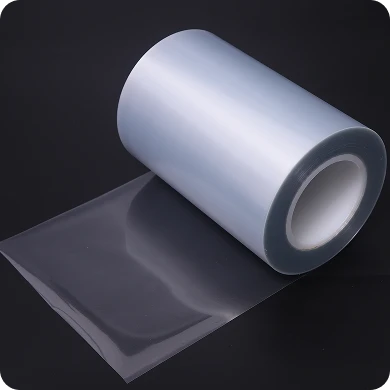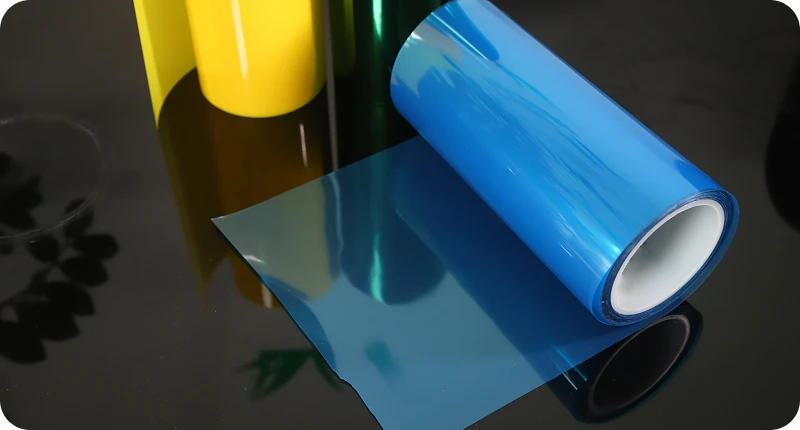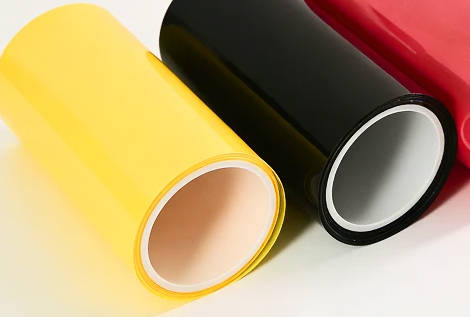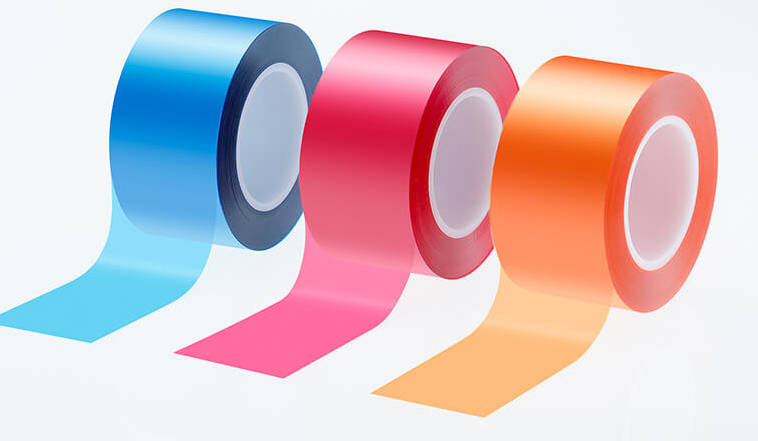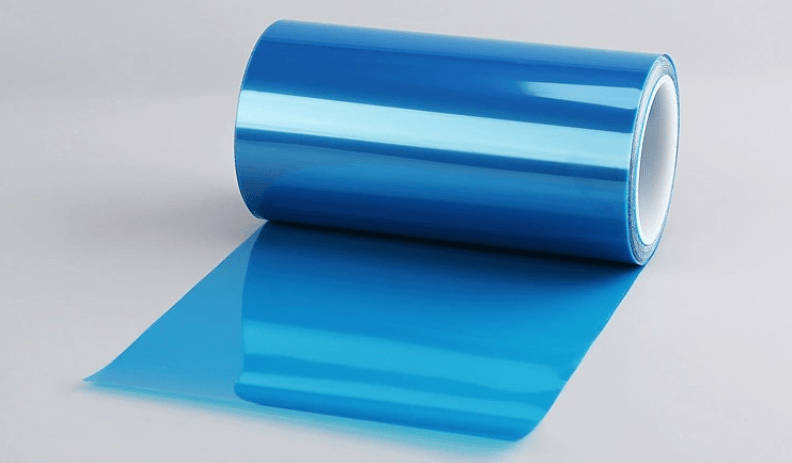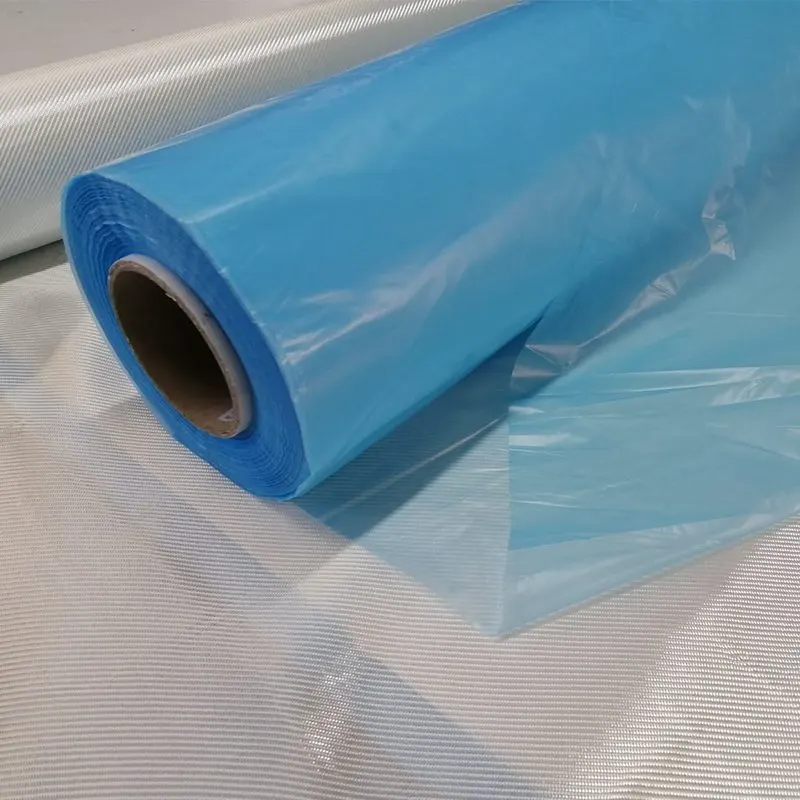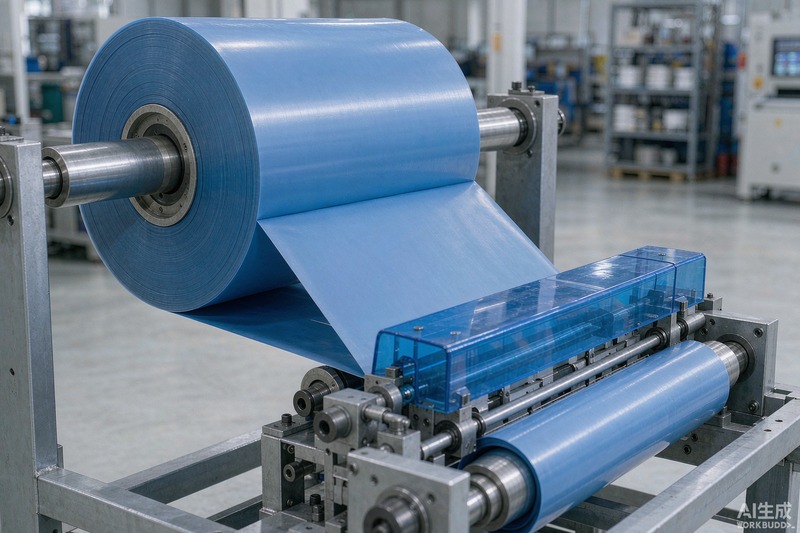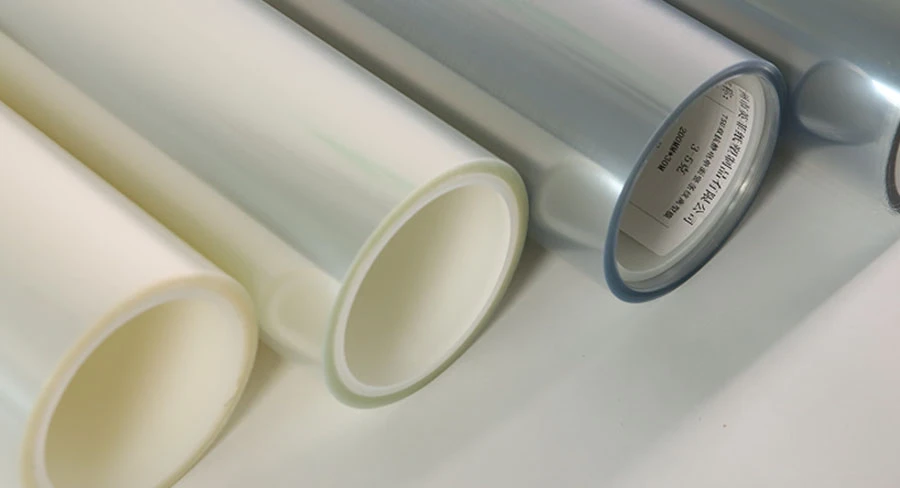
When pressure-sensitive adhesives, optical clear adhesives (OCA), or structural bonding tapes detach unexpectedly after initial application, the adhesive formula itself is rarely the sole culprit. In converting, laminating, and die-cutting operations, unexplained adhesion loss frequently originates from the temporary liner used to protect the adhesive prior to assembly.
Silicone transfer in release film occurs when unreacted silicone molecules migrate from the carrier liner into the adhesive mass, contaminating the adhesive interface and preventing adequate molecular contact with the target substrate. To quantify this contamination and measure how much bonding strength survives liner contact, engineers evaluate the Residual Adhesion Rate (RAR).
Understanding the relationship between silicone crosslinking density, interfacial surface energy, and standardized RAR validation allows manufacturers to establish reliable incoming inspection standards and eliminate delayed delamination across demanding electronics, automotive, and medical assemblies.
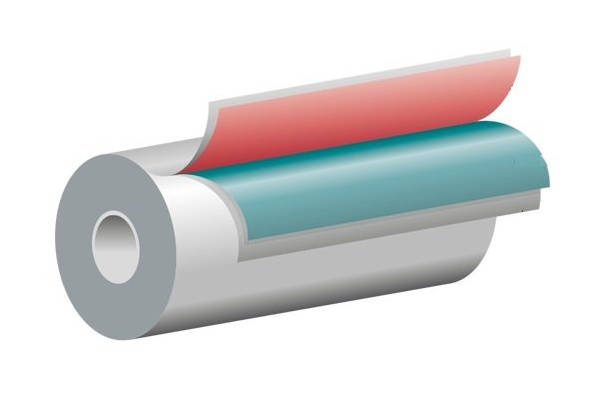
Mechanics of Silicone Transfer: Free Siloxanes and Incomplete Crosslinking
Silicone transfer—often referred to as silicone migration—is an interfacial contamination process occurring at the molecular boundary between a cured polydimethylsiloxane (PDMS) release layer and an adhesive film.
Interfacial Layer Dynamics and Molecular Migration
| Layer / Interface | Physical State & Composition | Dynamic Behavior Under Pressure & Temperature |
|---|---|---|
| Base Film Substrate | Biaxially oriented PET film with high dimensional stability | Provides mechanical carrier support; anchors the silicone layer through chemical priming or surface corona treatment. |
| Silicone Release Coating | Three-dimensional crosslinked PDMS network containing unbound, free siloxane chains (D4–D20) | Under storage pressure and elevated ambient temperature, unbound siloxane oligomers diffuse outward toward the contact interface. |
| Interfacial Boundary Zone | Migrated siloxane molecular film | Forms a low-surface-energy Weak Boundary Layer (WBL); drastically reduces local surface tension. |
| Adhesive Layer | Acrylic, polyurethane, or rubber pressure-sensitive adhesive mass | Free siloxanes dissolve into and contaminate the surface layer, preventing intimate molecular wetting with the target adherend. |
Cured Network vs. Unreacted Low-Molecular-Weight Silicones
Most silicone-coated release liners rely on thermal addition-cure (hydrosilylation) or radiation-cure (UV or Electron Beam) chemistries to form a durable, release-modified surface on plastic substrates. In an ideal reaction, vinyl-functional siloxanes crosslink fully with silicon hydride (Si-H) crosslinkers in the presence of a platinum catalyst, forming an insoluble, three-dimensional elastomeric network.
In industrial manufacturing, chemical conversion rarely reaches 100%. Residual, non-functional, or partially reacted low-molecular-weight siloxanes—predominantly linear or cyclic dimethylsiloxanes (such as D4 through D20 oligomers)—remain suspended within the polymer matrix. When an adhesive tape or film contacts the liner under winding pressure, elevated storage temperatures, or prolonged dwell times, these unbound siloxane chains diffuse across the interface and dissolve into the adhesive mass.
How Migrated Silicone Compromises Surface Energy and Wetting
For an adhesive to establish a permanent bond, it must spontaneously wet the target surface. This wetting process depends directly on thermodynamic surface tension differences:
γadhesive ≤ γsubstrate
Polydimethylsiloxane exhibits an exceptionally low critical surface tension—typically between 18 and 22 mN/m. When free siloxanes migrate into the surface layer of an acrylic, rubber, or polyurethane adhesive, they create an ultra-thin, low-surface-energy boundary known as a weak boundary layer (WBL).
This weak interfacial film produces several immediate defects:
- It prevents the polar groups of acrylic or polyurethane adhesives from making intimate contact with the polar sites of the target adherend (such as metals, glass, or treated polymers).
- It lowers the apparent tack and dynamic peel adhesion of the adhesive tape.
- Under mechanical stress or environmental cycling, failure shifts from cohesive bonding within the adhesive matrix to adhesive delamination at the contaminated interface.
Decoding Residual Adhesion Rate (RAR): Definition and Quantitative Impact
The industry standard for evaluating the severity of silicone transfer is the Residual Adhesion Rate (RAR), sometimes termed Subsequent Adhesion or Permanent Adhesion Retention.
Mathematical Formula and The Baseline Comparison Model
RAR measures the peel strength of a standard reference tape after it has been laminated to and peeled from a release liner, expressed as a percentage of the tape’s original peel adhesion without liner contact.
RAR (%) = ( Fexposed / Fcontrol ) × 100
Where:
- Fexposed is the peel force required to strip a standardized test tape from a clean reference plate (such as float glass or stainless steel) after the tape has been in intimate, pressurized contact with the release film under specified thermal conditioning.
- Fcontrol is the baseline peel force required to strip an identical, unexposed strip of the same test tape from the identical reference plate under matching test speed and peel angle.
A release liner with zero chemical migration yields an RAR close to 100%, indicating that the adhesive sustained no chemical degradation or interfacial contamination during its contact with the liner.
What Do Different RAR Percentages Actually Mean for Field Performance?
In factory production, a drop of even 5% to 10% in residual adhesion can mean the difference between long-term joint integrity and total assembly failure in service.
| Residual Adhesion Rate (RAR) | Contamination Classification | Observed Adhesive Behavior | Typical Application Suitability |
|---|---|---|---|
| ≥ 95% | Ultra-Low Migration / Negligible | Near-perfect bond preservation; no surface tension reduction observed on sensitive substrates. | Semiconductor dicing, optical clear adhesives (OCA), medical biosensors, aerospace bonding. |
| 90% – 94% | Low Migration | Stable interfacial wetting; negligible drop in shear strength; minimal siloxane transfer. | Automotive electronics, flexible printed circuits (FPC), high-grade industrial double-sided tapes. |
| 80% – 89% | Moderate Migration | Noticeable tack reduction; micro-void formation under humidity or thermal stress; acceptable only for non-critical joins. | General industrial labeling, packaging tapes, non-critical graphic overlays. |
| < 80% | Severe Migration / Excessive | Severe interfacial failure; poor wetting; “ghosting” or greasy residue left on target surfaces. | General construction liners or temporary protective carriers where adhesive reuse is unneeded. |
Standardized Laboratory Testing: Measuring RAR via FINAT FTM 11
To ensure reproducibility across global supply chains, international test protocols standardize the measurement of silicone transfer. The primary benchmark across converting industries is FINAT Test Method No. 11 (FTM 11): Subsequent Adhesion of Silicone Coated Substrates for Self-Adhesive Materials.
Step-by-Step Test Protocol (FINAT FTM 11 / ASTM D3330 Equivalent)
Sample Preparation: Standard test tape with known, highly reproducible acrylic or rubber adhesive properties (such as Tesa 7475, Tesa 7476, or Nitto 31B, chosen based on compatibility with the target adhesive chemistry) is cut into uniform strips and laminated onto the silicone-coated side of the release film.
Accelerated Environmental Conditioning: The laminated specimens are placed between flat, rigid glass or steel plates under a calibrated load (typically 6.8 kPa or 70 g/cm²) to ensure uniform, continuous contact. The assembly is placed in a circulating air oven at a set temperature—commonly 70°C (158°F) for 20 hours, or 23°C at 50% relative humidity for ambient testing.
Control Preparation: Concurrently, an identical strip of the standard test tape is applied to an inert, silicone-free control surface (such as clean polyester film or fluoropolymer foil) and subjected to identical temperature, load, and dwell conditions to isolate thermal aging of the adhesive from silicone contamination.
Peel Stripping and Application: After cooling to standard laboratory conditions (23°C ± 2°C, 50% ± 5% RH), the test tape is peeled from the release liner at a steady velocity and immediately laminated onto a standard, mirror-polished float glass or stainless-steel test panel using an automated weighted roller.
Peel Force Measurement: Using a calibrated tensile tester or peel adhesion machine, the tape is stripped from the reference panel at an angle of 180° (or 90°) at a specified crosshead speed (commonly 300 mm/min). The average force is recorded over a defined gauge length, yielding Fexposed and Fcontrol for RAR calculation.
Instrumental Surface Analysis for Silicone Trace Detection
When mechanical peel adhesion tests show borderline values, or when root-cause failure analysis is required for microelectronics, spectroscopy tools verify the presence of elemental silicon:
Attenuated Total Reflectance Fourier-Transform Infrared Spectroscopy (ATR-FTIR): Monitors the distinct absorption bands for siloxane groups, specifically Si-O-Si asymmetric stretching vibrations (around 1020–1080 cm⁻¹) and Si-CH3 rocking vibrations (at approximately 1260 cm⁻¹ and 800 cm⁻¹).
X-ray Photoelectron Spectroscopy (XPS / ESCA): Analyzes the top 2 to 10 nanometers of the adhesive surface. XPS quantitatively detects atomic silicon concentrations (Si2p peaks), confirming whether interfacial failure is due to migrating siloxanes or inadequate initial adhesive wetting.
Time-of-Flight Secondary Ion Mass Spectrometry (ToF-SIMS): Detects molecular fragments (Si(CH3)3+, Si2O(CH3)5+) with sub-ppm sensitivity, identifying specific low-molecular cyclic species that diffused from the liner.
High-Stake Industries: Where Trace Silicone Transfer Causes Catastrophic Failure
In standard packaging labels, moderate silicone migration often goes unnoticed. In safety-critical or precision manufacturing environments, trace silicone contamination causes functional system failure.
| Application Sector | Typical Adhesive Matrix | Failure Trigger Mechanism | Resulting Field Defect |
|---|---|---|---|
| Optoelectronics & Displays | Optically Clear Adhesives (OCA / LOCA) | Migrated siloxanes drop adhesive surface tension below the critical threshold of glass/polarizer surfaces. | Delayed edge delamination, micro-bubble nucleation, haze, and visual optical distortion. |
| Automotive & EV Battery Systems | Structural polyurethanes, thermal adhesives, foam tapes | Silicone residue contaminates circuit boards and battery cell surfaces, preventing uniform wetting. | Conformal coating dewetting (“fish-eyes”), solder corrosion, and reduced battery heat-sink adhesion. |
| Semiconductor Packaging | Conductive die-attach epoxies, dicing tapes | Volatile siloxanes redeposit onto gold/copper bond pads and cleanroom surfaces. | Wire bond lift-off, dielectric breakdown, and high-frequency circuit shorting. |
Optical Displays and Touch Panels (OCA/LOCA Bubble Formation)
In flat panel displays, touch screens, and avionics, Optically Clear Adhesives (OCA) bond glass layers, polarizers, and ITO touch sensors. If an optical clear adhesive contacts a release liner exhibiting poor crosslinking, migrating silicone lowers the surface energy of the adhesive core.
After autoclave processing, the bonded display stack may appear defect-free. However, subsequent thermal aging or sunlight exposure causes the weak boundary layer to nucleate micro-voids, producing haze, delayed bubbling, and delamination along display edges.
Automotive Electronics and Battery Assembly
Automotive electronics operate under severe thermal cycling and vibrational stress:
Conformal Coating and Potting: When double-sided foam tapes are used to mount electronic control unit (ECU) boards or radar sensors, transferred silicone can migrate to adjacent copper traces, causing dewetting or “fish-eyes” during conformal coating and exposing solder joints to moisture corrosion.
Electric Vehicle Battery Packs: Structural thermal adhesives bond lithium-ion cells to liquid-cooling plates. If the temporary liners used during pre-assembly leave silicone residues, the shear and peel strength of the structural adhesive drops significantly, risking pack structural integrity and reducing heat transfer efficiency across cell interfaces.
Semiconductor Die Attach and Cleanroom Processing
In wafer dicing, lead-frame mounting, and flip-chip underfill processes, free silicones are severe contaminants. Airborne or contact-transferred siloxanes can deposit onto gold or aluminum bond pads, preventing wire bonds from fusing and causing open circuits. In these environments, cleanroom-compatible PET release film solutions engineered specifically for negligible outgassing are mandatory.
Engineering and Material Solutions: Selecting the Right Release Liner
To prevent silicone transfer, engineers must specify release liner constructions engineered to eliminate migratory oligomers.
| Liner Chemistry / Technology | Curing Mechanism | Typical RAR Performance | Migration Risk Level | Best Application Fit |
|---|---|---|---|---|
| Solventless Thermal Silicone | Hydrosilylation (Platinum-catalyzed, 100% solids) | 85% – 92% | Moderate to High (sensitive to oven dwell time and temperature drift) | High-speed general converting, industrial tapes, graphic films. |
| Solvent-Based Platinum Silicone | High-dilution thermal addition cure | 92% – 97% | Low (high network crosslink density; minimal residual cyclics) | Automotive tapes, electronic die-cutting, medical plasters. |
| Radiation-Cured (UV/EB) Silicone | Free-radical or cationic photo-curing | 88% – 94% | Moderate (requires monitoring for oxygen inhibition and photoinitiators) | Heat-sensitive film substrates (thin polyolefins, PVC). |
| Fluorosilicone Liners | Fluorinated siloxane addition cure | 90% – 96% | Very Low (repels silicone-based adhesive matrices) | Silicone pressure-sensitive adhesives, high-temperature masking. |
| Non-Silicone Polymer Coatings | Crosslinked polyolefins, alkyds, or fluoropolymers | Near 100% | Zero (siloxane-free formulation chemistry) | Optical OCA bonding, semiconductor processing, automotive paint lines. |
Solventless vs. Solvent-Based vs. Radiation-Cured (UV/EB) Silicone Coatings
The coating formulation and curing mechanism determine the final crosslinking density of the release layer:
Solventless (100% Solids) Thermal Silicone: Highly efficient for high-speed industrial production, but susceptible to formulation drift. If catalyst ratios or oven temperatures fluctuate, unreacted cyclics remain trapped in the coating layer. Tight process control is critical when specifying solventless liners for sensitive adhesives.
Solvent-Based Platinum-Cure Silicone: By diluting polymer resins in hydrocarbon solvents, manufacturers can apply higher-molecular-weight siloxane polymers with elevated crosslinking densities. Once the solvent evaporates and thermal curing completes, the resulting polymer network has fewer extractable chains, consistently maintaining RAR values above 90% to 95%.
Radiation-Cured (UV/EB) Silicones: Cured rapidly under ultraviolet light or electron beam bombardment without high thermal exposure. While UV formulations eliminate thermal shrinkage on thin polymer substrates, photoinitiator residuals and oxygen inhibition must be carefully monitored to avoid incomplete surface cures that promote transfer.
When to Switch to Fluorosilicone or Non-Silicone Release Films
Certain aggressive adhesive formulations demand alternatives to standard polydimethylsiloxane chemistries:
Fluorosilicone Coated Liners: Silicone-based adhesives (such as high-temperature silicone PSAs used in masking tapes) will bond irreversibly to standard polydimethylsiloxane release liners. Fluorosilicone release coatings utilize fluorinated pendant groups that resist diffusion into silicone adhesives, providing clean release alongside high residual adhesion.
Non-Silicone Release Liners: For applications requiring zero tolerance for silicone contamination—such as cleanroom semiconductor packaging, automotive paint lines, and medical transdermal drug delivery—non-silicone liners are the safest choice. These liners use specialized polymer coatings (such as crosslinked polyolefins, alkyds, carbamates, or fluoropolymers) on an engineered PET release film substrate to achieve dependable release without siloxane chemistry.
Substrate Quality: PET Surface Flatness, Primer Layers, and Thermal Shrinkage
The base film plays an active role in anchoring the release coating:
Surface Smoothness: Biaxially oriented polyethylene terephthalate (BOPET) film provides a flat, pinhole-free carrier compared to kraft papers or textured polyolefins. Uniform thickness ensures that the silicone coating cures evenly across the entire web.
Primer Chemistries: High-performance liners use chemical priming or corona/plasma treatment to bond the silicone layer covalently to the PET base. Insufficient anchor strength can cause silicone “rub-off,” where the entire release layer shears off with the adhesive, leading to total bonding failure.
B2B Procurement Checklist: Technical Data to Request from Your Liner Manufacturer
When sourcing release materials for critical converting or bonding operations, technical buyers should require direct verification of the following engineering parameters prior to production qualification:
| Verification Category | Mandatory Technical Parameter | Industry Target / Standard | Practical Significance |
|---|---|---|---|
| Adhesion Retention | Residual Adhesion Rate (RAR) | ≥ 92% (Industrial) / ≥ 95% (Electronic) | Assures that contact with the liner does not induce bonding failure. |
| Standardized Reference | Testing Tape Specification | FINAT FTM 11 (Tesa 7475 / Nitto 31B) | Eliminates test variation across incoming inspection facilities. |
| Cure Verification | Solvent Extractable Siloxanes | < 1.5% to 2.0% (MIBK / Xylene extraction) | Verifies complete addition reaction and crosslink density. |
| Mechanical Anchorage | Silicone Rub-Off Resistance | Zero smear or transfer after repeated abrasion | Prevents macro-coating delamination during web slitting and die-cutting. |
| Substrate Integrity | Thermal Shrinkage & Dimensional Tolerance | MD ≤ 1.5%, TD ≤ 0.5% (at 150°C for 30 min) | Eliminates liner curl and tension distortion during high-temperature laminating. |
| Batch Traceability | Certificate of Analysis (COA) | Batch-specific release force and RAR measurements | Guarantees roll-to-roll consistency across different production lots. |
Frequently Asked Questions (FAQs)
Can silicone transfer be completely eliminated in silicone-coated release films?
Trace molecular transfer cannot be reduced to absolute zero in standard silicone-coated films due to inherent chemical reaction equilibria. However, by utilizing premium solvent-based thermal platinum-cure systems or highly crosslinked specialty silicone chemistries, manufacturers can limit extractable siloxanes to negligible trace levels, consistently maintaining Residual Adhesion Rates above 95% for high-reliability assemblies.
Does a higher release force indicate higher silicone transfer?
No. Release force (tightness of release) and silicone transfer are governed by different physical mechanisms. Release force depends on the crosslinking density, coating additives, and surface peel mechanics. Silicone transfer depends on the presence of unreacted, unbound low-molecular-weight oligomers within the coating matrix. A tight-release liner can exhibit zero transfer if thoroughly cured, whereas an easy-release liner can transfer high levels of free silicone oil if under-cured.
Can solvent wiping or surface plasma treatment remove transferred silicone?
Solvent wiping (using IPA, MEK, or heptane) often spreads migrated silicone over a larger surface area rather than removing it, compounding interfacial contamination. Atmospheric plasma or corona treatment can oxidize surface siloxanes into brittle silica-like (SiOx) networks, which may temporarily raise surface energy but often causes cohesive fracture at the interface under load. Specifying low-migration or non-silicone liners from the outset remains the only dependable engineering strategy.
How does storage time and ambient temperature affect silicone migration?
Elevated warehouse temperatures and prolonged storage increase molecular mobility, accelerating the diffusion of unbound siloxanes into the adhesive layer. Rolls stored above 30°C (86°F) under high radial winding pressure face higher migration rates than materials stored under controlled conditions (20°C–25°C, 50% RH). Release materials and adhesive laminates should be processed within the supplier’s recommended shelf life.
Optimizing Your Adhesive Interfacial Reliability
Preventing bonding failure requires treating the release liner as an engineered component of your adhesive stack, rather than simple packaging waste. By setting clear incoming inspection standards—centered on the Residual Adhesion Rate (RAR) and validated using protocols like FINAT FTM 11—manufacturers can isolate the root causes of peeling defects, safeguard surface tension, and prevent delamination in service.
When designing products for demanding optical, automotive, or industrial environments, matching adhesive chemistry with the appropriate carrier substrate is critical. Evaluating advanced PET release film options—from solvent-based platinum-cure silicone coatings to non-silicone barrier layers—provides the chemical and physical stability your manufacturing process demands.
Preventing bonding failure starts with the liner specification. Evaluating advanced PET release film options — from solvent-based platinum-cure silicone coatings to non-silicone barrier layers — provides the chemical and physical stability your manufacturing process demands.